
Governor said robber turned his life around. What happened at his parole hearing?
Outgoing Gov. Jerry Brown in late December commuted Richard Alexander Richardson’s prison sentence, which made him immediately eligible for parole after spending more than 20 years behind bars for a Modesto home-invasion robbery.
But a parole panel last week denied Richardson’s request for early release, which means he has to stay in prison for at least another three years, according to a news release from the Stanislaus County District Attorney’s Office.
Richardson has been serving a 47-year prison sentence to for his involvement in the December 1997 home-invasion robbery. He was was 24 years old when he and a group of masked gang members broke into a west Modesto home and held several residents at gunpoint as they ransacked the house.
In the then governor’s declaration commuting Richardson’s prison sentence, Brown wrote that Richardson had “stopped associating with gang members and has dedicated himself to rehabilitation.”
Deputy District Attorney John Goold attended Richardson’s July 25 hearing, opposing the convicted man’s release. Prosecutors said the parole panel heard evidence of Richardson’s “continued gang activity” while incarcerated, which included trafficking marijuana between prison buildings, according to the news release.
On Wednesday, Richardson, 46, remained housed at San Quentin State Prison. Richardson’s next parole hearing has been tentatively scheduled for July 2022, according to the state Department of Corrections and Rehabilitation.
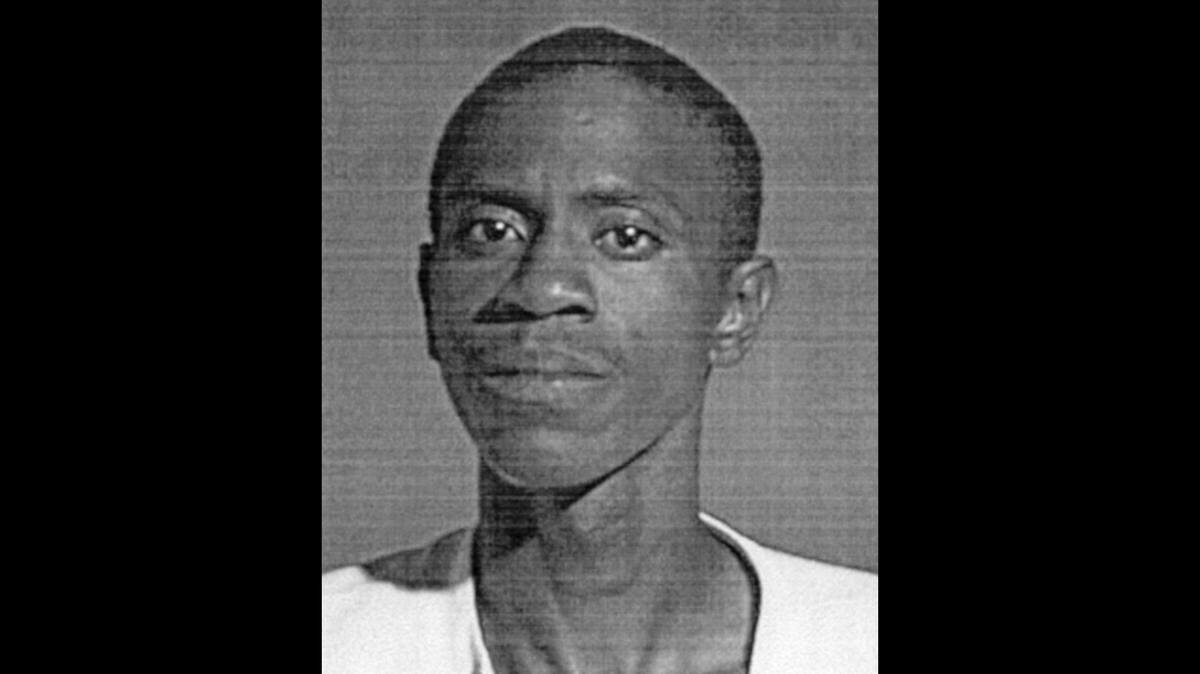
Richardson has been the editor in-chief of San Quentin News, an inmate-run newspaper. One correctional officer in 2017 wrote in support of a reduction in Richardson’s sentence, saying that he “has proven to be highly efficient and professional” as the newspaper’s editor, according to Brown’s declaration.
Richardson’s commutation was among Brown’s Christmas Eve clemency actions, which included 143 pardons and 130 commutations. The clemency actions were among his last acts as California governor.
In his application for clemency, Richardson wrote that he has found his “authentic self” while incarcerated and had been working on becoming a better person. While in prison, Richardson earned an associate’s degree and participated in self-help programs, including Criminals and Gang Members Anonymous, Alliance for Change and Anger Management, according to the Governor’s Office.
Before the home-invasion robbery, Richardson had already served a six-year prison sentence for initiating a shooting at police officers in 1991, according to prosecutors. They said he was a member of the Bloods street gang at the time, and Richardson was later convicted of assault with a deadly weapon on a police officer.
Home-invasion robbery
For the Modesto home-invasion robbery, Richardson was convicted in Stanislaus Superior Court of three counts of robbery and two counts of attempted robbery, along with enhancements for using a gun in the crimes, having a previous felony conviction and participating in criminal street gang activity, according to the Governor’s Office.
About 9 p.m. on Dec. 3, 1997, Richardson and the other masked robbers kicked open the front door and stole cash, jewelry and food stamps from from the home, Modesto police officials told The Modesto Bee at the time. The victims — three adult women, two adult men and a 3-year-old child — were not harmed.
On Nov. 24, 1998, Richardson was sentenced to 47 years in prison for his involvement in the armed robbery.
In the majority of Brown’s commutations in December, the offenders were granted the chance to make their case in a parole hearing to determine whether they are ready to be released from prison, according to Governor’s Office. Pardons involve offenders who completed their sentences and are no longer in prison, and commutations involve people currently serving time.
This story was originally published August 1, 2019 at 5:00 AM.