
Bee Investigator: Do you know where your used clothes are going?
I’m really big on organization, regularly cleaning out drawers and closets and getting rid of stuff I don’t need. With four growing children, our family goes through a lot of clothes.
I like to donate them to the local Hope Chest, which supports Community Hospice.
I divert the material from landfills, support a respected charity and get a tax writeoff. Win, win, win.
Some charities, like the Salvation Army, even have conveniently located bins in which clothes can be deposited any time of day.
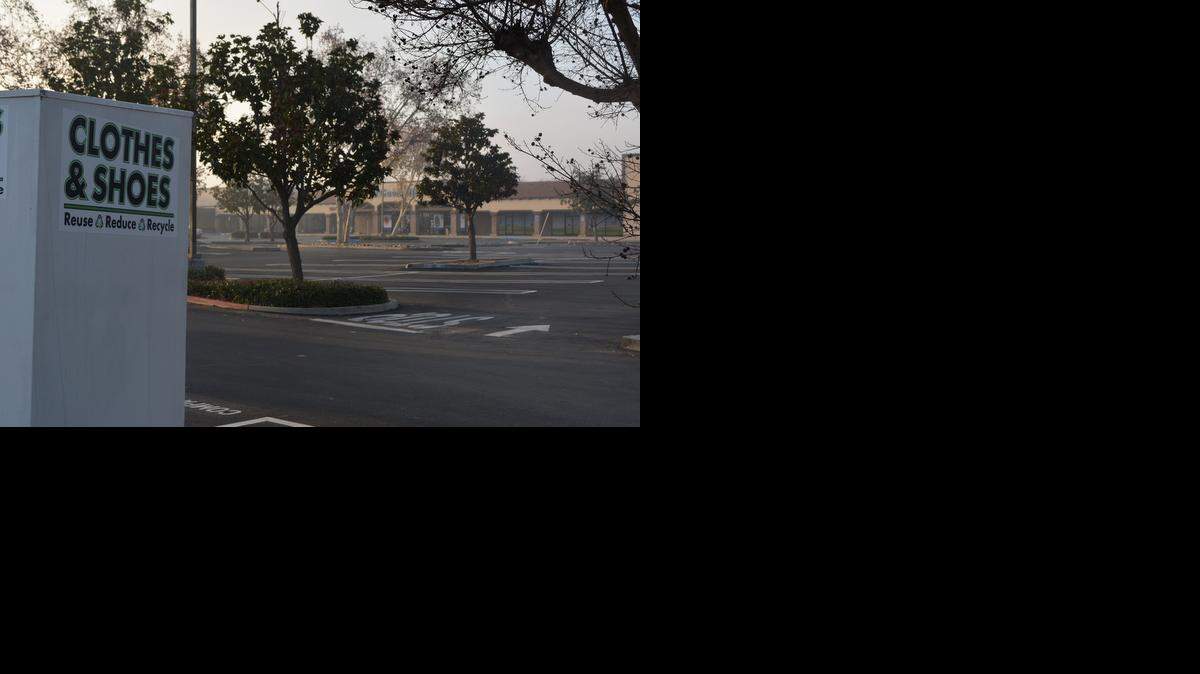
However, while they have been around for years, most people don’t realize that many of these bins are operated by for-profit companies.
Why do they want our old clothes?
Like charities, they want to sell them. The majority of secondhand textile companies sell abroad, primarily to developing countries.
Jackie King, executive director of the Secondary Materials and Recycled Textiles Association, said 45 percent of the country’s used clothes are sold as is, 30 percent are turned into wiping rags and 20 percent are ground down to fibers and recycled into other materials like insulation and carpet padding.
U.S. exports of used clothing in the first 11 months of 2014 amounted to more than $702 million, according to data from the U.S. Department of Commerce, Office of Textiles and Apparel. It’s a growing industry, as that number has increased from $635 million in 2012.
“A lot of the world can’t afford new clothes so what our members do is provide them with a source of affordable and quality clothing,” King said of the 160 companies her association represents.
Some charities, such as Goodwill Industries International, and local municipalities are opposed to the for-profit bins. They argue these companies detract from donations to charities, confuse donors by labeling the bins in a way that suggest the clothes benefit a charity, operate without a business license or permit and put their bins on private property without the owner’s consent.
Goodwill Industries of San Joaquin Valley has received several calls from businesses asking the charity to remove the bin it plopped on their property without permission, said Sally Wooden, director of public relations.
Goodwill doesn’t use donation bins.
“There’s (a for-profit bin) across from the Goodwill in Turlock,” Wooden said. “It’s in the Goodwill colors so it looks like a Goodwill box; that’s not coincidental.”
King said Secondary Materials and Recycled Textiles Association bin owners must agree to a code of conduct regarding the way the bins are used that addresses the concerns of cities and charities.
The problem is that only one of the five for-profit clothing recyclers I’ve seen or been told about operating bins locally is a SMART member.
Goodwill for years has been lobbying for legislation to regulate the placement of the bins.
A 2010 law requires the name, telephone number and Web address of the operator be displayed on the bin, as well as the cause a charitable collection bin supports.
But since then Gov. Jerry Brown vetoed a bill that would have required written permission from the owner of the property on which the bins are placed. Another bill that sought to give property owners immunity from lawsuits for removing and destroying the bins was “watered down” and eventually fizzled in the Senate, Wooden said.
Shannon Enea, of Colliers International, manages the Turlock Town Center where a collection bin was placed near the Goodwill last month.
The bin operated by Good Earth Works just showed up overnight, in the privately owned parking lot, without permission.
Enea said she’s called the number listed on the bin numerous times and only manages to reach a full voice-mail box.
She posted a notice on the box indicating it would be removed and made arrangements to have it towed and disposed of, which Enea estimates will cost about $200.
In Turlock and Modesto, city staff really only take a stance against the bins if their placement in parking stalls brings the number of spots below minimum requirement for the lot. Still, the property owner is responsible for remedying the issue and paying for it.
City of Turlock account technician Beth Morgan said she went after one company with a proliferation of bins in the city for failing to get a business license, but couldn’t pin down an owner and gave up since the bins aren’t on code enforcement’s radar.
Only one company, USAgain, bothered to get a business license in Turlock.
It’s also the only company that responded to my inquiries and the one member of the SMART association.
I got the same “mailbox is full” message that Enea did when I called Good Earth Works and no return calls after leaving messages with the other companies.
Scott Burnham, a representative from public relations firm Serafin & Associates, hired by USAgain, responded to my questions about the company’s bins by email.
“USAgain’s mission is to keep clothing and shoes out of landfills, and we offer a convenient and easy way for consumers to do just that,” he said. “We support any efforts that divert textiles from ending up in landfills – whether that means people put their clothes into a USAgain container or donate items to a charity, a local community organization or place of worship.”
Burnham said 85 percent of all unwanted clothes in America, or 11.2 million tons, goes into the garbage each year, according to Environmental Protection Agency estimates.
King echoes that the goal of the entire association is to keep used clothes out of landfills.
The association supports local ordinances to regulate the bins in order to weed out the “bad actors” in the industry.
Ceres is the only city in the county that has taken an aggressive approach to rid the city of the bad bin businesses and is in early discussions about drafting an ordinance.
For the last two years, code enforcement officers there have been responding to complaints from business owners who show up at work one day to find the large bins sitting in their parking lot. They also heard from people living near the bins who said donations accumulated around them and became dump sites, said code enforcement officer Frank Alvarez.
They started aggressively issuing administrative citations to the bin owners – Community of Change, Reuse Clothes and Shoes, and 7th Generation Recycling – for operating without a business license.
Alvarez said some removed their bins after the warning or first $100 citation. Others racked up second and third citations for $250 to $500, but most went unpaid.
Code enforcement issued 36 citations in 2012, but only five were paid and the rest went to collections. Alvarez said Community of Change didn’t pay any of them.
Still, the citations worked. Complaints started coming less often, and Alvarez said he hasn’t seen a bin in months.
Alvarez met with the city attorney last week to discuss an ordinance regulating the bins.
There’s no timeline for when a proposal might go before the City Council or what it will look like, but King hopes it will align with SMART’s recommendations, which are similar to the code of conduct its members already follow.
King said SMART has been working with New York City to draft an ordinance, which at first was considering an outright ban.
She said the association instead recommends strict guidelines that include transparency about the for-profit status of the bin, regular pickups to prevent trash from accumulating, property owners’ consent, and appropriate licensing and permitting.
King said the association doesn’t take a stance on whether a person should donate their used clothing to a charity or for-profit business.
“For us it’s about recycling and making it convenient. … We just tell people to do your homework,” she said.
Have question for the Bee Investigator? Contact Erin Tracy at etracy@modbee.com or (209) 578-2366.
This story was originally published January 11, 2015 at 4:39 PM with the headline "Bee Investigator: Do you know where your used clothes are going?."