
Farm Beat: Rain greens up cattle grazing land
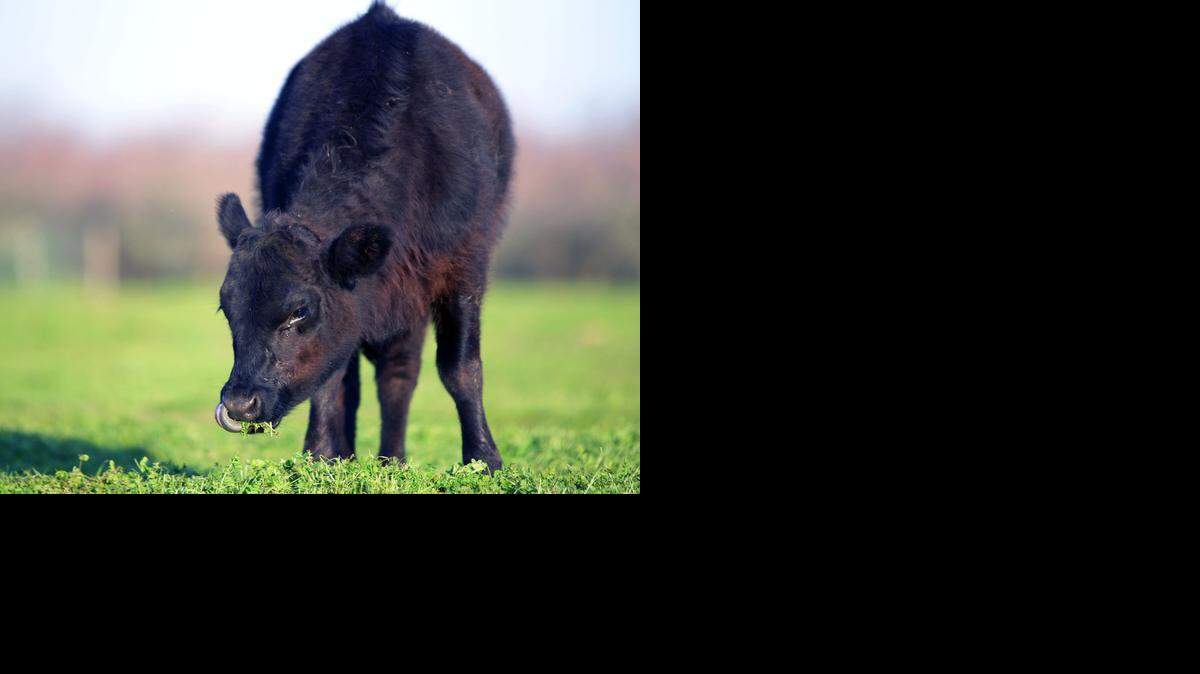
They might be fleeting, those fresh green grasses up in the hills, but boy do they look nice.
The abundant rain in December brought new growth to rangeland that has suffered badly in three years of drought. Beef cattle, a major industry in and near Stanislaus County, once again have something to eat up there.
“This December has been great for growing grass, lots of moisture and warm temperatures,” said an email from Theresa Becchetti, a livestock and natural resources adviser with the University of California Cooperative Extension. “I’m not counting any chickens before they hatch, though.”
The rain also has benefited dairy farmers, who grow some of their feed crops over winter but do not have access to canal water this time of year.
The rangeland has no irrigation all year, so ranchers rely on rain to grow grass from fall to spring. After that, the cattle go to irrigated pasture elsewhere, to grazing allotments in the Sierra Nevada or to market.
The first two years of drought left the grasses short, forcing many ranchers to buy expensive hay, reduce the density of cattle on the range or sell the animals at less than desired weight.
Then came last winter, when bad went to worse. Most of December and January was dry, leaving the land as brown as in late summer. Spring rain greened up the hills a little, but not enough to make much difference.
On top of this, some ranchers had trouble with wells and springs that usually provide drinking water for the cattle. And some land and water continued to shift to almonds and other crops, which pay far better per acre.
Despite all this, beef has remained among the top agricultural products in the Northern San Joaquin Valley and adjacent Sierra Nevada, with an estimated $646 million in gross income in 2013. The Valley portion includes dairy cattle sold for beef or to be put into milk production.
Beef producers have benefited from high prices per pound, a result of strong global demand and reduced herds because of drought in California and earlier in the Great Plains and Midwest.
Becchetti said the cold snap has slowed grass growth, but it could flourish with continued storms followed by warmer temperatures in February and March.
The next chance of rain is Thursday, according to the National Weather Service. Its long-term forecast leans toward above-average rain through March.
A weekly report from the U.S. Department of Agriculture affirmed that the wet weather has helped: “The continuing rain helped with the germination and development of foothill grasses and forbs, but more is still needed.”
Got an idea for the Farm Beat? Contact John Holland at jholland@modbee.com or (209) 578-2385.
NOT QUITE A RECORD
December brought an even 7 inches of rain, according to the Modesto Irrigation District’s downtown gauge. The total for the month was second only to the 7.2 inches in 1906. Despite this, conditions are well below average in the Sierra Nevada snowpack, which provides most of the water for MID and other suppliers.
RANGELAND BY COUNTY, 2013
Stanislaus: 422,449 acres
Merced: 560,104 acres
San Joaquin: 120,000 acres
Calaveras: 188,300 acres
Tuolumne: 200,000 acres
Mariposa: 416,600 acres
CATTLE GROSS INCOME, 2013
Stanislaus: $235.5 million*
Merced: $296.9 million*
San Joaquin: $76 million*
Calaveras: $9.3 million
Tuolumne: $6.6 million
Mariposa: $20.5 million
*The figures include dairy cattle sold for beef and replacement heifers sold to dairy farms, sizable parts of the total trade in cattle.
Source: County agricultural commissioners
This story was originally published January 2, 2015 at 6:26 PM with the headline "Farm Beat: Rain greens up cattle grazing land."