
Drought could bring diseases to bird refuges
Great horned owls hang out at the San Luis National Wildlife Refuge. Swift, silent and scary, these winged terminators hunt critters at night. And duck is on the menu.
“Imagine if you’re a duck floating next to your pal and suddenly you find yourself alone,” said Jack Sparks, a recreation planner at the refuge. “These owls swoop down and carry off ducks.”
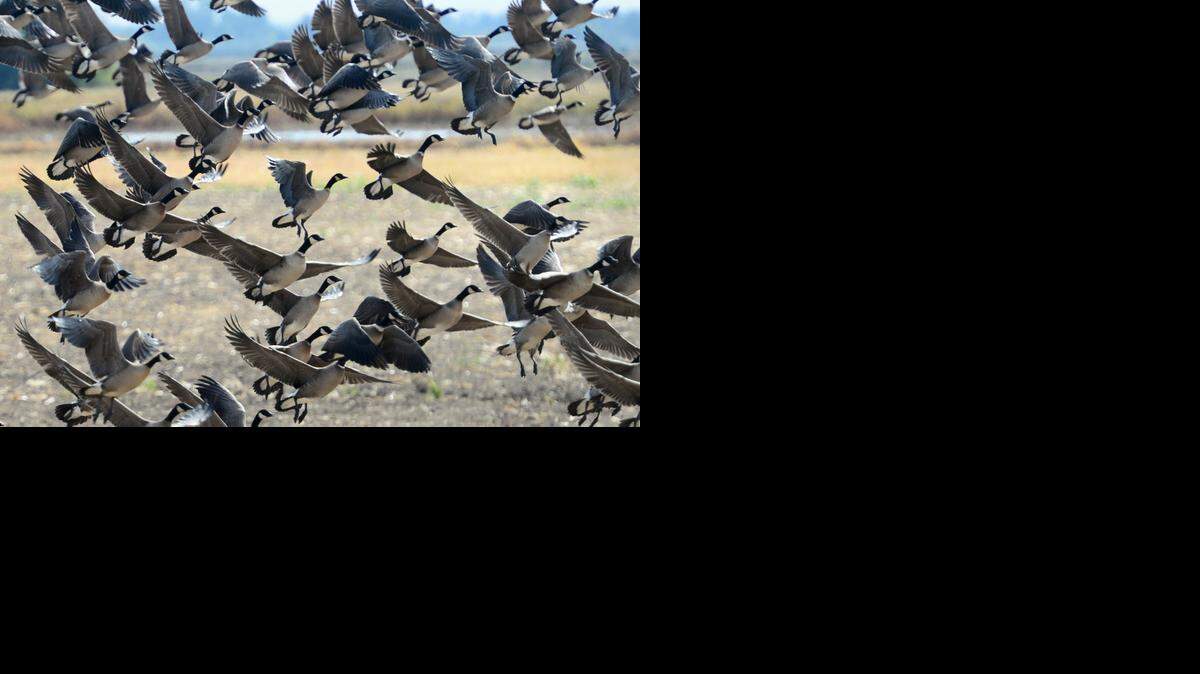
Don’t be fooled by the happy honking geese and dancing sandhill cranes. This may seem like a happy winter pit stop for migrating birds, but owls and other predators can quickly deal a lethal blow to a good time. It’s a risk these birds face every year as they fly south from frigid Canada and Alaska.
But this year, predators may be the least of the worries for these birds. Starvation, avian cholera and botulism may be bigger killers than usual. It’s another dark twist from California’s destructive drought.
When the birds make their annual arrival this fall and winter after flying thousands of miles from the north, they will find drought-depleted wetlands on the west side of the San Joaquin Valley. Authorities don’t have the water to maintain about half of the wetlands.
Even worse, there may be more birds than usual, too. While California is in a stubborn drought, rain and snow were plentiful in Canada and Alaska last winter, creating better habitat and breeding conditions. Bird populations have mushroomed, according to statistics from U.S. Fish and Wildlife Service’s division of Migratory Bird Management.
“A lot of birds are going to be coming to a greatly reduced habitat here,” said San Luis refuge manager Kim Forrest. “We’ve got 50 percent of the water we would usually have. And we didn’t grow as much food for birds over spring and summer at the refuge.”
Refuge officials say they expect the birds to crowd into the best marshes. Cholera, a bacterial infection, spreads quickly through crowds of birds. More than 6,000 birds already have died of cholera in the Klamath Basin of Northern California. It is expected to hit hard in the San Joaquin Valley by Christmas.
There is no danger to humans, but birds can die within hours of contracting it. In past years during widespread outbreaks, officials have found the bodies of 50,000 birds within several weeks.
“It’s important to collect the bodies before they decompose too much,” said Sparks. “The bacteria can spread through the water.”
Botulism, another bacterial infection, is expected to develop as well. It’s going to be a long winter in the 26,800-acre San Luis refuge. It is an important stop along the ancient flight path of the Pacific Flyway, the bird migration route from Alaska to Patagonia at the southernmost region of South America.
The San Luis acreage is among wetlands totaling more than 130,000 acres in western Merced County. It’s the largest remnant of the Central Valley’s once vast 4 million acres of wetlands. The San Joaquin River National Wildlife Refuge, about 8 miles west of Modesto, also is part of this string of preserves.
The wetlands are an elegant part of inland California’s past. On San Luis refuge, there is a thriving population of the endemic tule elk. The wildlife includes animals protected under the Endangered Species Act — the California tiger salamander, the longhorn fairy shrimp and the San Joaquin kit fox.
It is a wintering ground and migratory stopover for many kinds of waterfowl and shore birds, including gadwall, wigeon, cinnamon teal, great blue heron, great egret, white-faced ibis and several kinds of geese. The Aleutian cackling goose averted extinction thanks to partnerships with the Lyons and Gallo families, who own farmland near the San Joaquin refuge.
Before Friant Dam was built, the San Joaquin River flooded the wetlands, and many millions of birds stopped each year, sometimes filling the sky as they arrived. The Merced, Tuolumne and Stanislaus rivers flowed in from the east, sometimes spreading over their own floodplains.
About 95 percent of the wetlands have disappeared as agricultural production and development expanded. The rivers’ water now is used mostly for farming.
The wetlands in this grassland are supported with Sacramento River water pumped from Northern California. The water comes through the federal Central Valley Project as part of an environmental reform law passed two decades ago.
For the first time since the law was passed in 1992, the federal refuges are getting only 50 percent of their allotment, due to drought.
That’s more water than most San Joaquin Valley farmers got from the Central Valley Project. Many irrigation districts on both east and west sides of the Valley were left with an unprecedented zero allocation, which has triggered rallies and political debates about improving water supply.
But wildlife advocates, such as Audubon California, said government leaders still need to make every effort to deliver more water to refuges, adding that refuges have not yet gotten all the water that was required in the 1992 reform law.
“It’s always a drought year for birds,” said Meghan Hertel, Audubon California’s director of working lands. “When the drought and additional water issues came up earlier this year, wildlife wasn’t part of the discussion.”
Out at the San Luis refuge, the drought is obvious. Water delivery ditches are etched with cracked ground, and entire sections of the refuge are going without water in the annual October flood-up.
There are deep-water wells that are used to help flood the wetlands, but they, too, have been affected by the drought as the underground water table drops.
“When we do send water down ditches, it sometimes just sinks into the ground,” said Forrest.
More than 40,000 birds already have arrived, including northern shovelers, green-winged teals, mallards, lesser sandhill cranes and northern pintails. They settle in where they can find food, such as swamp timothy, bulrush, cattail and smart weed.
Touring the wetlands with the media earlier this month, Sparks said he was a little surprised there were so few birds to photograph that day. Maybe the birds were on the move to another part of the refuge, someone suggested. Is it possible they just moved to the surrounding agriculture?
“I don’t think so,” Sparks said. “They’re not growing crops that the birds want. I think later this year you’ll see 100 birds are gathering in a place where you would normally see only a few dozen. It will be noticeable.”
Modesto Bee staff writer John Holland contributed to this report.
This story was originally published October 26, 2014 at 10:11 PM with the headline "Drought could bring diseases to bird refuges."