How safe are hospitals in Stanislaus County? See which ones got A grades
A new national report grades hospitals across the country — including two in Stanislaus County — based on patient safety and quality of care.
The Leapfrog Group evaluates hospital safety across the country and releases updated Hospital Safety Grades twice a year.
In its latest report, released May 6, the nonprofit organization said hospitals nationwide continue to make progress in improving patient safety.
“The good news is that hospitals across the country are making meaningful strides in patient safety and helping save countless lives,” Leah Binder, president and CEO of The Leapfrog Group, said in the report. “But not all hospitals are the same. That’s why it’s so important for people to consult Safety Grades and do their research when choosing a hospital.”
The report grades medical care facilities on a scale from A to F, such as medical errors, infections and injuries, with A being the highest grade and F the lowest.
How safe are the hospitals in Stanislaus County?
Here’s how The Leapfrog Group graded Modesto-area hospitals in its spring 2026 report:
How safe are Stanislaus County hospitals?
Out of 285 California hospitals evaluated, The Leapfrog Group assigned grades to two hospitals in Stanislaus County.
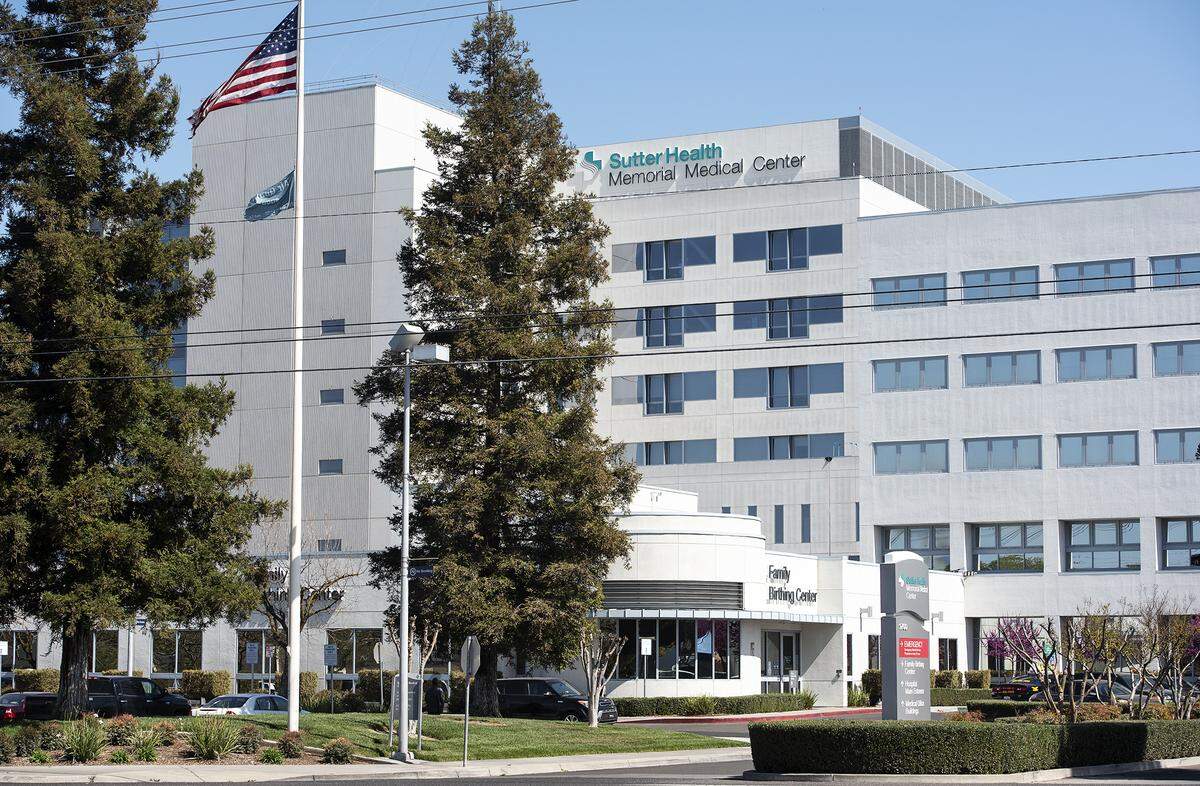
Memorial Medical Center, 1700 Coffee Road in Modesto, received an “A” grade in the spring 2026 report.
The hospital scored better than average in several patient safety categories, including handwashing practices, safe medication procedures and communication with patients about medicines.
However, the hospital received lower marks in some surgery-related categories, including blood leakage and accidental cuts or tears during procedures.

Kaiser Permanente Modesto Medical Center, 4601 Dale Road in Modesto, also earned an “A” grade in the new report.
The hospital scored well for communication among doctors, nurses and staff, but received lower ratings in certain surgical complication categories, including blood leakage, kidney injuries after surgery and serious breathing problems.
Why didn’t some local hospitals get safety grades?
In California, 18 hospitals did not have grades assigned for spring 2026.
The change followed a federal court ruling involving five hospitals in Florida. According to the American Hospital Association, the court found that The Leapfrog Group’s grading methodology violated Florida’s unfair and deceptive business practices law.
As a result, The Leapfrog Group said it did not assign grades to 450 hospitals nationwide that chose not to participate in its survey process.
That included Doctors Medical Center, 1441 Florida Ave. in Modesto, and Emanuel Medical Center, 825 Delbon Ave. in Turlock. Both were marked as “grade not assigned.”
“We are confident the court’s decisive ruling will be upheld, and Leapfrog will not escape accountability for harming our patients and our community hospitals,” Maggie Gill, Eastern group president of the Palm Beach Health Network, which includes the hospitals named in the suit, told The Sacramento Bee in a statement.
The Leapfrog Group said it is appealing the ruling and reviewing its grading process “to ensure the Hospital Safety Grade continues to be useful for consumers.”
“Our focus remains on advancing transparency, accuracy, and fairness for the benefit of patients and the broader healthcare system,” Gill said. “We encourage Leapfrog to put patients first and focus on reforming its methodology to be fair and responsible.”
How did The Leapfrog Group grade patient care?
The Leapfrog Group assigns hospitals a grade from A to F “based on their ability to protect patients from medical errors, accidents, injuries and infections.”
These grades are calculated using about 30 national performance measures sourced from the Centers for Medicare and Medicaid Services, Hospital Consumer Assessment of Healthcare Providers and Systems survey and other data.
Under the guidance of a panel of patient safety experts, The Leapfrog Group selected about two dozen evidence-based measures, grouped into five key categories, to create its scoring methodology.
Those categories are:
- Infections
- Problems with surgery
- Safety problems
- Practices to prevent errors
- Doctors, nurses and hospital staff
“You should never refuse care in an emergency because of a hospital’s Safety Grade, but use this website as a guide for planned events and a research tool for potential emergencies,” The Leapfrog Group said on its website.