ICE arrested 18 in Stanislaus County over last 6 months. What families should know
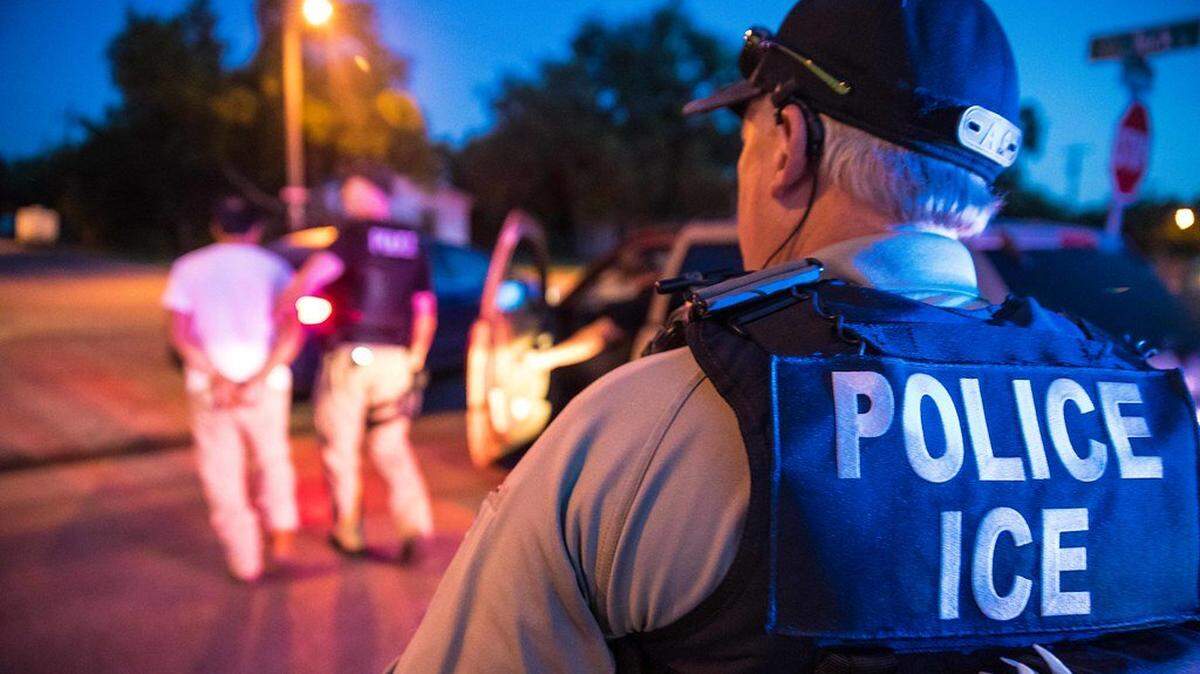
In the past six months, Immigration and Customs Enforcement has arrested 18 people in Stanislaus County. This brings the total number since President Donald Trump’s second inauguration to 36.
All arrests occurred at the Stanislaus County jail or the Sheriff’s Office.
The Bee analyzed government data provided by ICE in response to a Freedom of Information Act request to the Deportation Data Project — a UC Berkeley Law School initiative that provides a look at ICE’s operations, including where and when arrests occurred.
This data is likely an undercount of the total number of ICE apprehensions. It also does not include arrests by other federal agencies, such as U.S. Customs and Border Protection.

As of March 10, 2026, nine cases remain active. The rest have led to deportations, removals or “voluntary returns.” Some were deported just a day or two after being taken into custody.
All had criminal convictions or pending criminal charges within this time period, though the specific charges are not detailed in the data. Previously, the data showed that one person apprehended had no criminal charges or convictions. While his case is still active, the data has since changed to indicate he is a “convicted criminal.”
According to the Deportation Data Project, ICE appears to update records retroactively in a few cases.
Of those arrested, 13 are from Mexico, two are from Honduras and one each from Portugal, Laos and Guatemala. All but one are men, and they range in age from 20 to 61.

On average, eight individuals are arrested by ICE per day in Northern California. Since September, arrests of individuals without criminal convictions have started to surpass those with convictions.
How mixed-status families can prepare
Fernanda Pereira, El Concilio California’s supervising attorney and head of the Protective and Legal Services department, said immigration enforcement has created anxiety and instability for many families, particularly children who are concerned about their parents. Families stop making long-term plans because the future is uncertain. Mental health starts to suffer.
In Pereira’s experience, the majority of cases she works on involve individuals with criminal convictions. However, those convictions can be for something as minor as petty theft or driving without a license.
Previously, ICE agents had the discretion to release undocumented individuals who were not perceived as a threat to public safety. “At this point, we are not seeing an exercise of that discretion,” Pereira said.
She said red cards, or “Know Your Right” cards, created by the Immigrant Legal Resource Center are useful to carry, but individuals should read what the cards say.
Oftentimes, people forget to exercise their right to remain silent. “If people are being picked up by ICE, and they do not have a criminal record, and if they do not have a deportation order, the way to establish that alienage, it’s by the person speaking,” Pereira said.
El Concilio provides the cards for free, but they can also be printed online.
Detainees may have avenues for relief but might not be able to afford the bond to pursue their case because they are usually the breadwinner of their mixed-status family.
Pereira said it’s also difficult to find legal representation in the region because cases can move fast and not every office has the capacity to handle them. Some of the clients are also detained far from home, which can create challenges if they need to sign documents.
Pereira said people should prepare ahead of time so that if they are detained, they have their documents ready and know what types of relief they are eligible for to aid with their case. One form that individuals should have signed in their house is the G-28, which can help families find legal representation more easily and allow an attorney to have more direct access to the detainee.
Individuals should also know who will look after their kids if they’re detained and memorize the phone numbers of important contacts because they may not have access to their cellphones.
She encourages families to schedule an appointment with a reputable attorney to make a plan. “They may not tell you what you want to hear, but that’s probably the truth,” she added.
Immigration Resources in Stanislaus County
- Faith in the Valley: resources include Know Your Rights information, legal assistance guides and toolkits, reporting ICE Activity and how to find support or be a part of the support system.
- Cal Pride: provides LGBTQ immigration support services by appointment, which include personalized guidance and in-person accompaniment to appointments. Translation and advocacy support available.
- Golden Valley Health Centers: all patients, regardless of immigration status, can continue to access health services.
- Latino Emergency Council: aids the community in emergency situations.
- Modesto Junior College: UndocuAlly Services: supports undocumented students with access to free student resources including California Dream Act Application assistance and connection to free legal services.
- Social Justice Collaborative: assists immigrants facing deportation by providing legal representation and full-scope immigration defense.
- Monarch Scholar Services Stanislaus State: provides immigration legal services and peer support groups to support undocumented students and their families.
- World Relief Modesto: supports refugees and immigrants throughout the Central Valley.
Other Resources
- El Concilio California
- American Civil Liberties Union of Northern California
- Central Valley Immigrant Integration Collaborative
- Coalition of Humane Immigration Rights
- Services, Immigrant Rights, and Education Network
- Immigrant Legal Resource Center
The Immigrant Legal Resource Center and Apple Seed Network provide information on how to make a child care plan, finding out immigration options, knowing rights and other resources.
This story was originally published April 2, 2026 at 1:00 PM.