Valley bioindustry group aids five more startups. Jimmy Fallon loves one idea
Five startup companies are getting $100,000 each in cash and other support to pursue their bioindustry ideas in Stanislaus County and beyond.
The BEAM Circular Accelerator announced its second annual cohort in a March 11 news release. The participants suggest various ways to put crop and other waste to climate-safe uses.
The grantees will receive mentoring from experts and connect with potential investors over 12 weeks. On May 21 near Lodi, they will pitch their products in the style of television’s “Shark Tank.”
Among the ideas are flavorings from Davis and soap from San Carlos, San Mateo County. San Francisco is home to one startup that makes apparel and another that ferments waste into various raw materials.
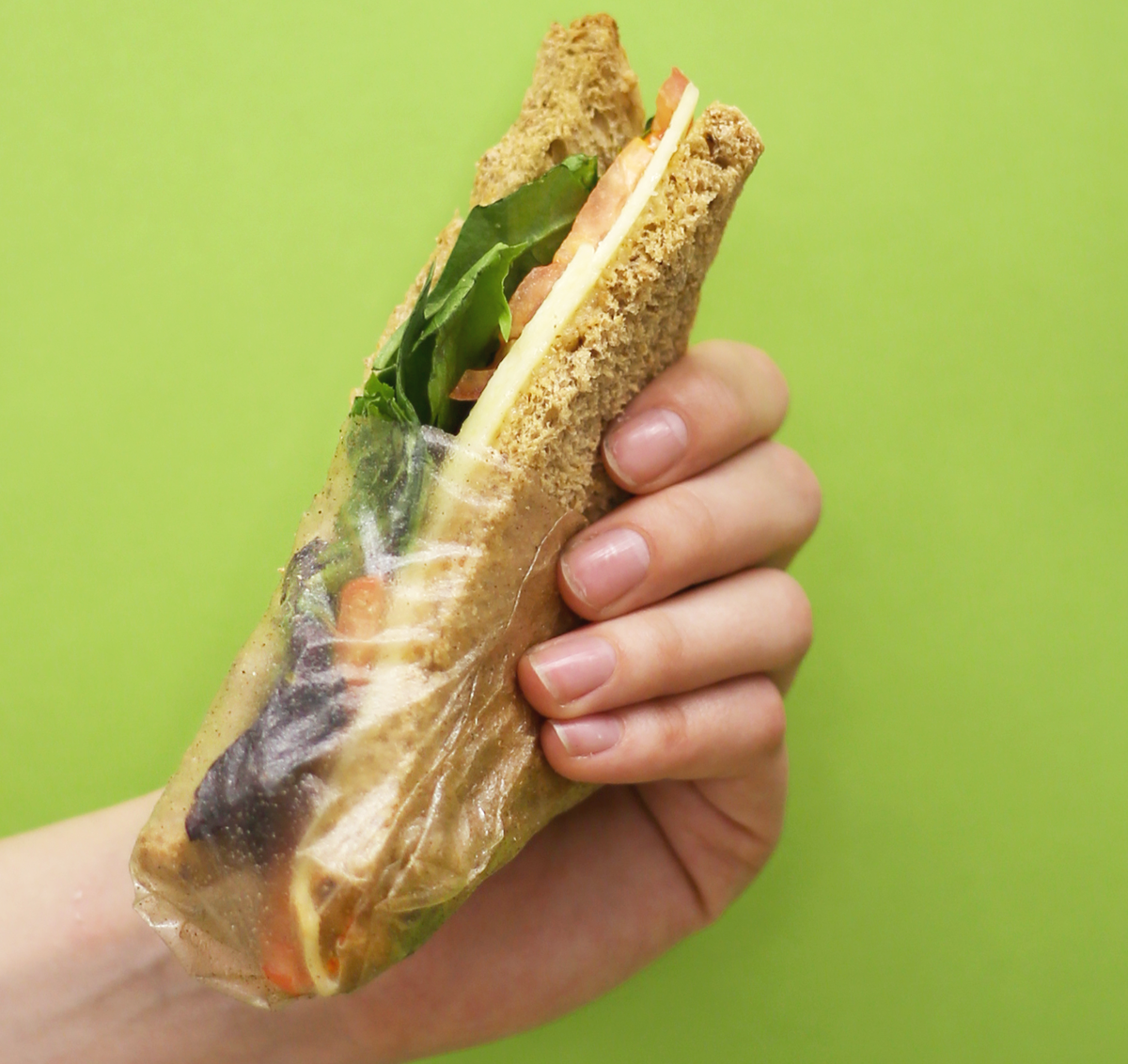
The other grantee is a plastic alternative called Tastee Tape, conceived four years ago by engineering students at Johns Hopkins University in Baltimore. It can be eaten or composted after use in wrapping food.
“In 2022, we faced a pressing issue: our burritos were falling apart,” the founders said on their website.
The company is still working on a patent for the plant-based product, which is not yet for sale. It could reduce food waste while cutting back on petroleum-based plastics.
“Tonight Show” host Jimmy Fallon marveled at Tastee Tape in a monologue that can be viewed on the Johns Hopkins Facebook page: “They say it’s safe and has the strength to hold a fat burrito together. Yeah. It’s about time. Fantastic. Now I can ask the guy at Chipotle to stop stapling my burrito.”
The chief executive officer at Tastee Tape, Marie Eric, was in Modesto for the grant announcement.
When did bioindustry push start?
BEAM Circular grew out of the Stanislaus 2030 report in 2022. It aimed for 40,000-plus well-paying jobs in this and nearby counties, using waste from crops, forest thinning and livestock. Separate groups are working on career training and boosting home-based child care.
The funding to date totals about $45 million. This includes $10 million from Stanislaus County’s share of federal pandemic relief. Another $35 million is from state, federal, business and philanthropic sources.
The biggest piece will be the Innovation Campus, a site in Stanislaus for bringing ideas to commercial scale. The exact location could be announced within a few months.
The 2026 version of the Accelerator has help from the Almond Board of California, the California Jobs First Council and an investment network called gener8tor. com.
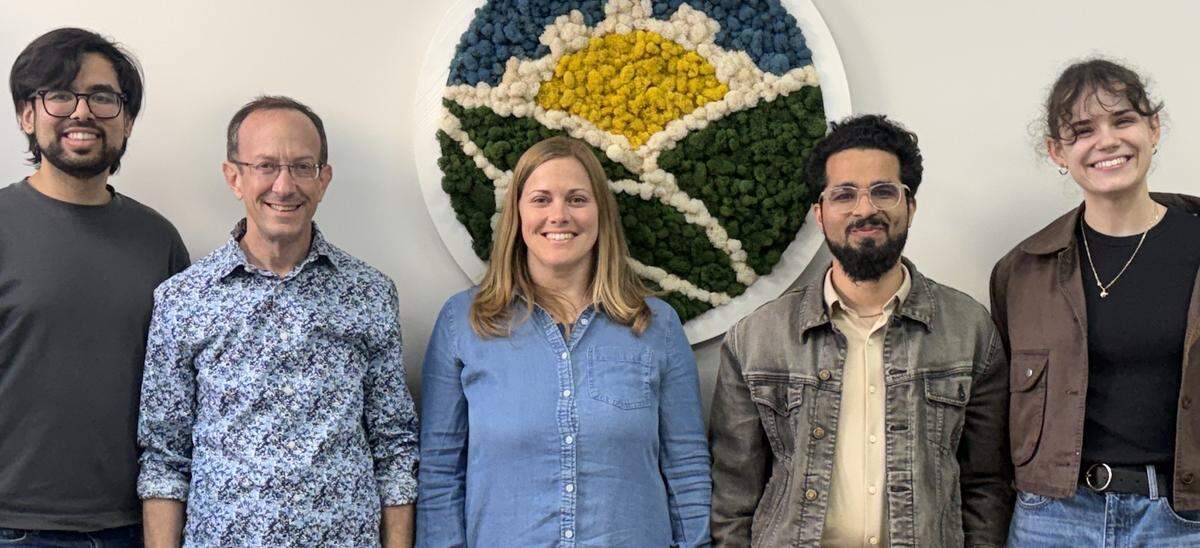
About 200 startups applied for the contest. More details on the other four that were chosen:
Supercarb: It turns plant material into clothing fibers that are flame-retardant and fast-drying without toxic chemicals. The sources include peels from food processing and seaweed. CEO Hitesh Manglani was in Modesto for the grant announcement.
Krokos Bio: Co-founder Emma Skoog accepted the grant for this producer of rare flavorings such as saffron and vanilla. It uses “bioreactors” in place of foreign sources that are expensive and at risk from climate change.
Ruby Bio: CEO Charlie Silver received the grant for this startup to that uses yeast to break down crop, dairy and other waste. The resulting ingredients can go into foods, beverages, soaps and other uses.
Fermeate: Co-founder Saurabh Malani represented this company that uses light waves to ferment waste into new raw materials. They can be made into food, fuel and chemicals.
The May 21 event will be at Appellation Lodi Wine & Roses Resort and Spa. The startup pitches will be part of a daylong discussion on progress in bioindustry.
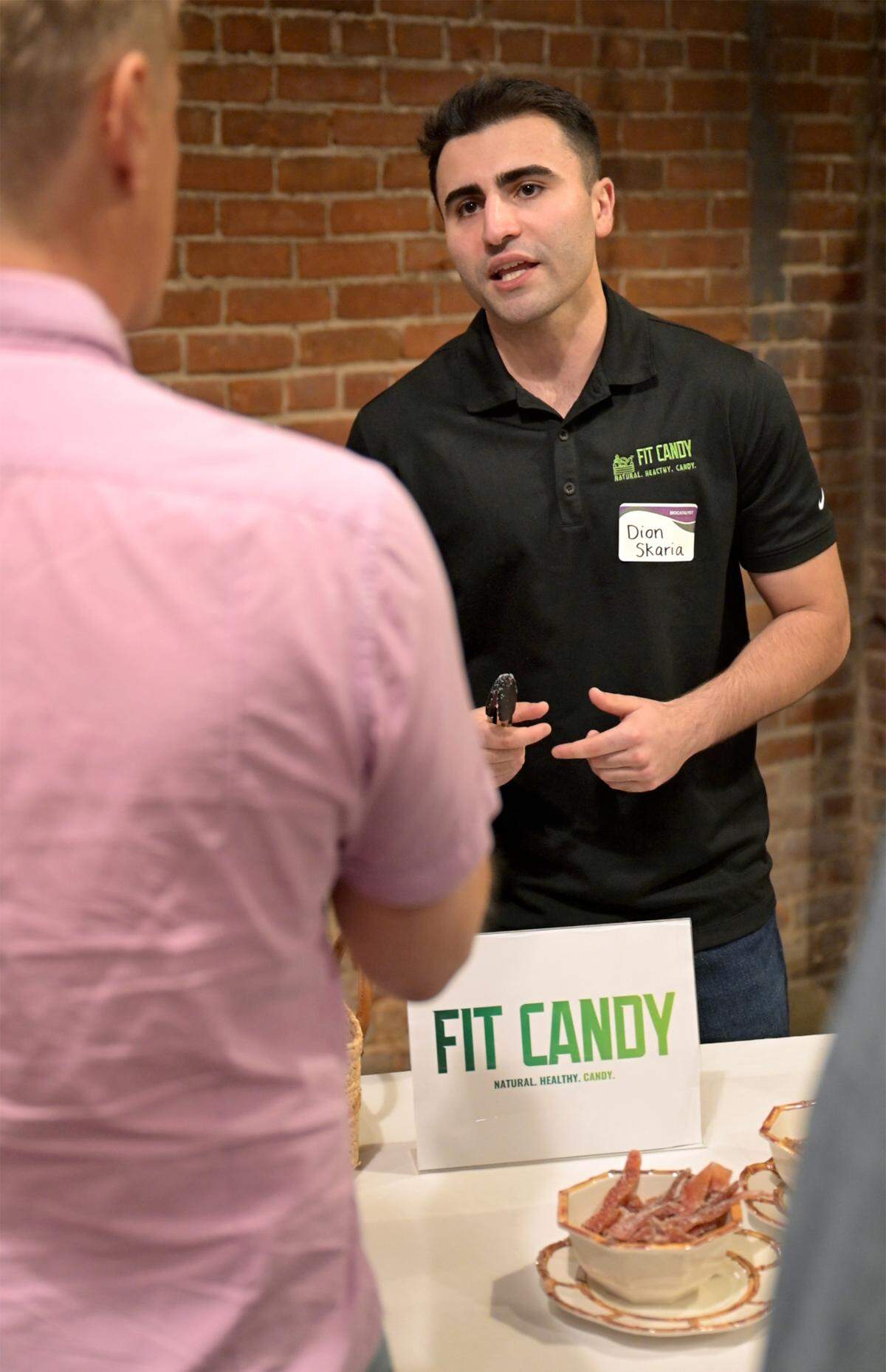
The six-member 2025 cohort included two entrants from Turlock. Dion Skaria makes candy from watermelon rinds. Edgar Perez created an eco-friendly herbicide from almond hulls.