Tears and hope: Modesto’s Downtown Streets Team replaced with city program
AI-generated summary reviewed by our newsroom.
- City Council creates Hope Works to replace Downtown Streets Team, funds $1.25M.
- Hope Works will hire 68 part-time employees paid minimum wage; program begins Nov 1.
- United Way and Modesto Gospel Mission assigned to oversight and implementation.
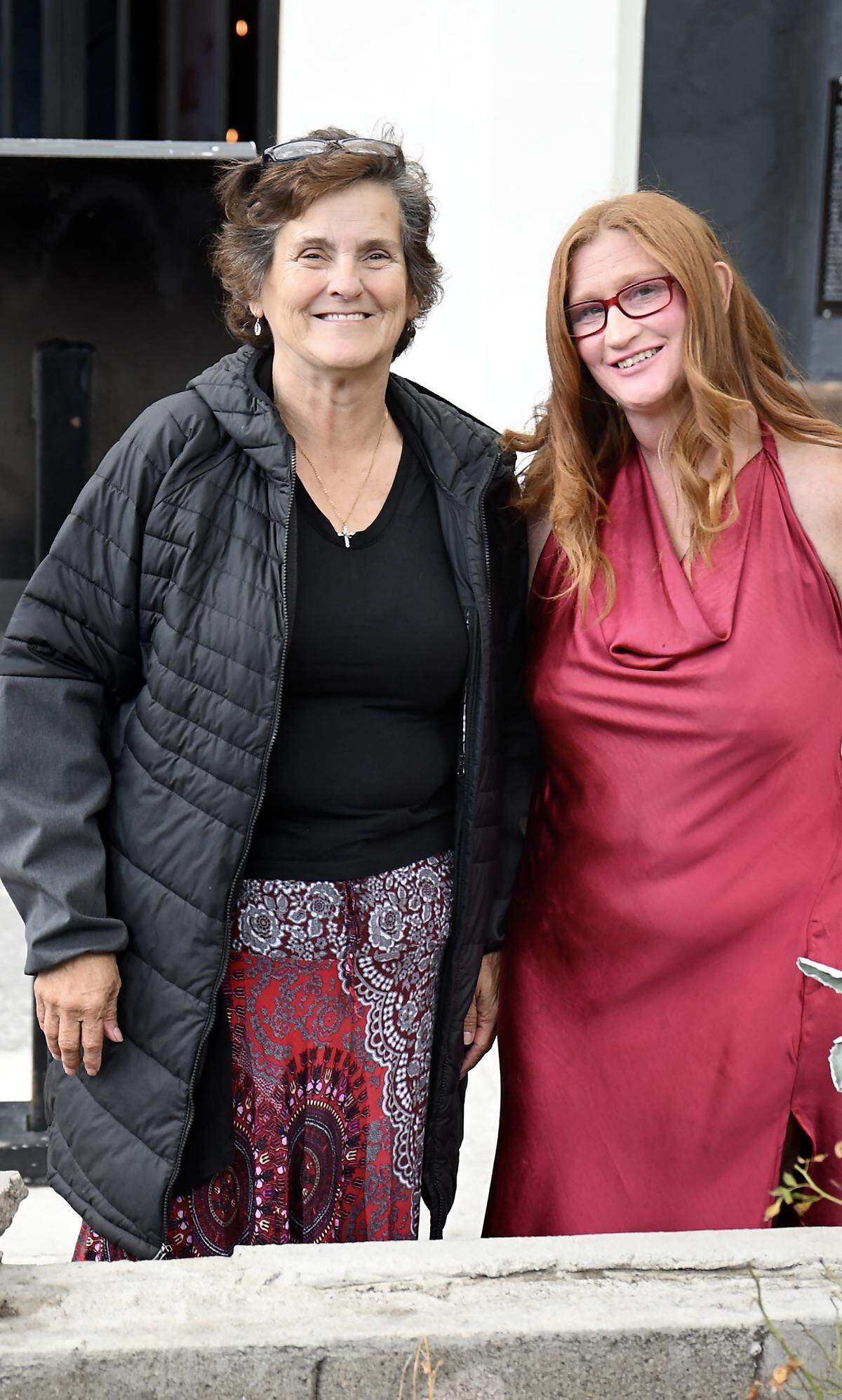
Yvonne Colburn, Patricia Perez and Nancy McGuire stepped onto a stage Wednesday in front of a sold-out crowd at The Century in downtown Modesto.
As they crossed the stage and shook hands with local elected officials, including members of Modesto’s City Council, they were recognized for graduating from the 5-week-long Women’s Education and Leadership League program.
They were among the last group of women from Downtown Streets Team (DST) that would earn that honor.
The women were homeless until they were connected with resources provided by DST. All three were eventually housed and said that in many ways, DST saved their lives.
Two months ago, the organization announced it would shutter on Oct. 31. The announcement caught Modesto officials off guard — the city had a longstanding relationship with DST and had allocated millions of dollars to it since 2019.
Alumni of the program were devastated by the news.
“I cried. I’m still crying about it, because it’s one of the best programs I’ve seen,” said McGuire. “And I hate to see Downtown Streets Team leave, because they’ve helped us in so many ways.”
But there is hope. After DST announced its closure, Modesto officials scrambled to create a plan to replace it.
On Oct. 14, the City Council voted unanimously to create a new program to replace DST, called Hope Works. The program is a partnership with local nonprofits United Way of Stanislaus County and Modesto Gospel Mission.
The partnership agreement allocated $1.25 million to fund Hope Works for its pilot year , according to city Community and Economic Development Director Jessica Hill.
Hill’s program timeline shows initial services, such as member outreach, will start Nov. 1. Other programs begin at the start of 2026.
Councilmembers had several questions for Hill before they voted. But once they did, they lauded the city’s staff, homelessness advocates and nonprofit workers for their “sleepless nights” getting a plan together on short notice.
“I mean, this city just saved Downtown Streets Team,” Councilmember Chris Ricci said. “And I’m just, I’m so proud of you guys and I’m so proud of our community for all coming together.”
While Hope Works aims to be a clone of DST, it has some key differences. Many differences are to avoid the problems that ended DST, but they could present new ones.
DST vs. Hope Works
DST was founded 20 years ago and served 16 communities in the San Francisco Bay area and Northern California, including Modesto.
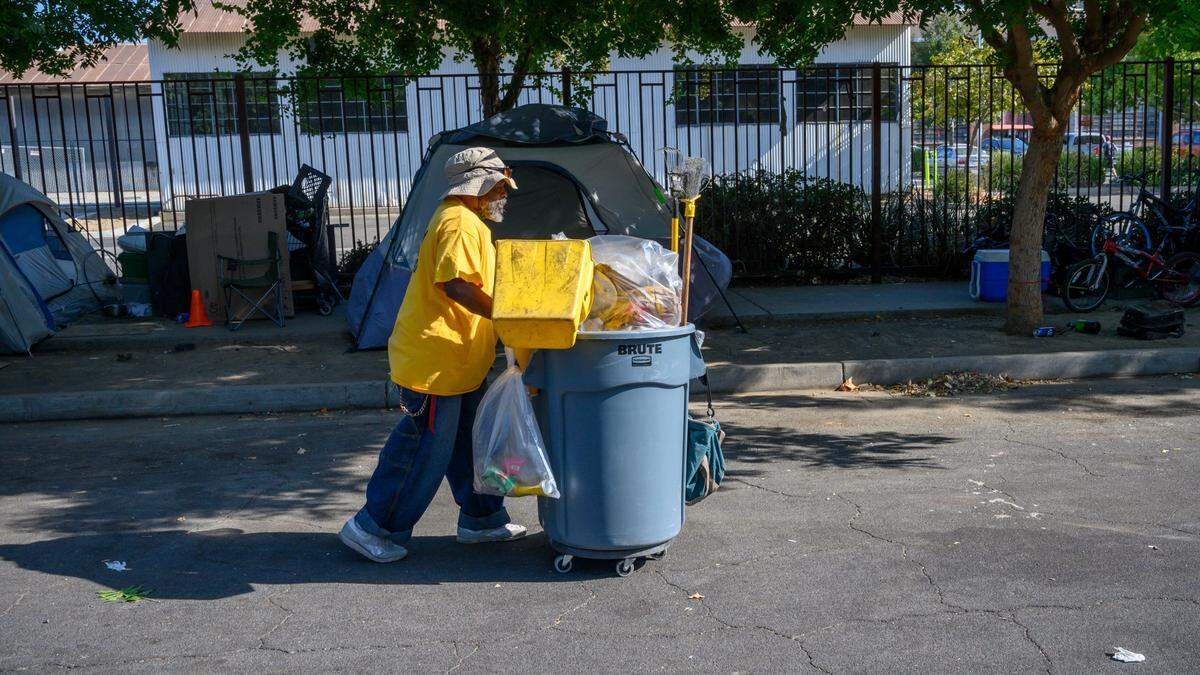
One of DST’s flagship programs offered members the opportunity to clean parts of the city in exchange for a stipend to pay for basic needs, such as food.
City officials said DST members disposed of 2.6 million pounds of trash in Modesto since it started in 2019. Trash removal, graffiti removal and blight abatement are something Hope Works plans to continue.
Unlike DST, Hope Works will hire its members as part-time employees, paying them minimum wage. Hill said Hope Works would hire 68 employees, who would rotate every three to six months.
Becoming an employee, instead of a volunteer, may involve some extra red tape. Jason Conway, executive director of the Modesto Gospel Mission, told the City Council that a third-party temporary employment agency would handle hiring and managing employees and carry the “liability of that.”
While Modesto Gospel Mission is a faith-based organization that has religious requirements for some of its programs, Conway assured everyone that Hope Works would not .
The structure of Hope Works is more complex than DST. United Way of Stanislaus County will serve as the “fiscal agent” and primary fundraiser for the program. It will also hold oversight meetings with partner agencies.
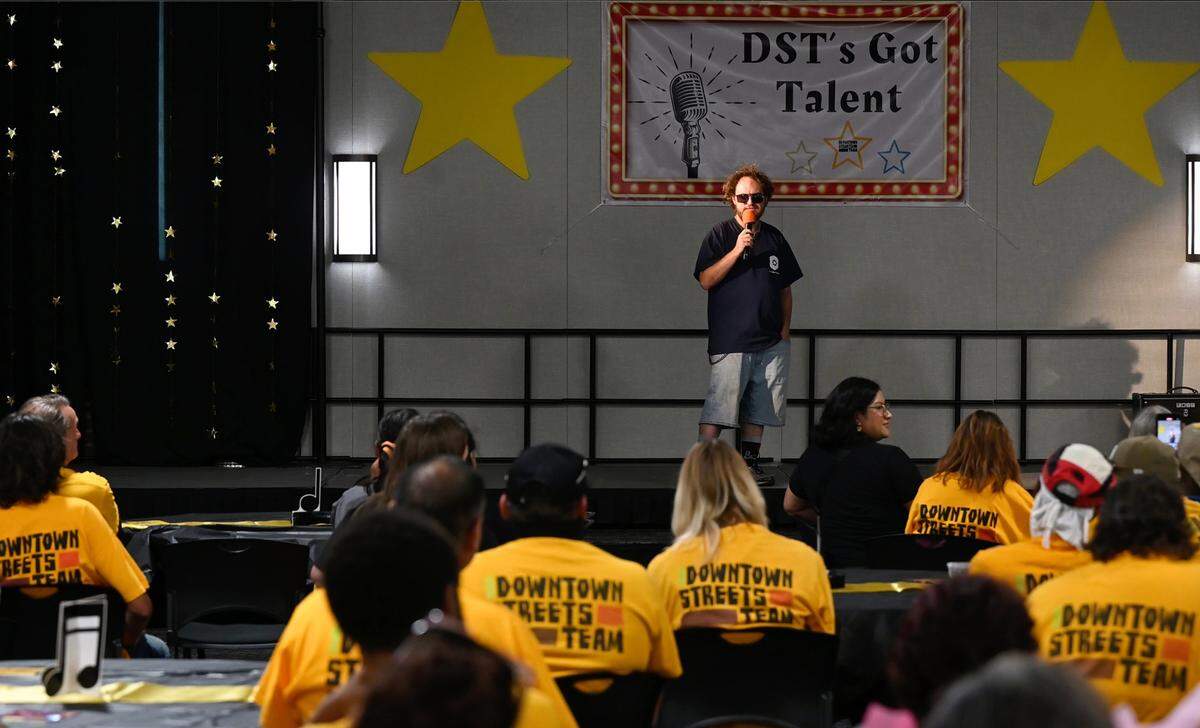
Modesto Gospel Mission will implement the programs, essentially acting as what DST was. But the mission will have only two caseworkers, at least at first, compared to DST’s five. Hope Works will also continue the other services DST provides, such as obtaining documents and connecting its members to resources.
“The case managers that they had there were like family. I have a lot of love for all of them, because there’s nothing that they did not do for us,” said Colburn. “There’s nothing that they didn’t go through with us — emotionally and mentally. They put their all into everything that they ever did for us.”
DST’s flaws
Downtown Streets Team CEO Julie Gardner called Modesto “one of our biggest and most thriving sites.”
But the number of people DST says it helped has been inconsistent. In an August press release announcing the closure of DST, the city of Modesto stated that number was “nearly 400” people.
Data provided by DST led Hill to inform the City Council last week that 937 people had been served by the nonprofit’s Modesto branch. Both of those figures were inaccurate.
When asked about the discrepancy on Friday, city spokesperson Sonya Severo stated it had “identified inconsistencies in the data” DST provided and were presented to the council. The actual number of people it served in the past six years was 610, according to Severo.
The number of people DST was able to house is different depending on the source. On Oct. 14, Hill reported that 183 people were housed as a result of DST’s services. But the official agenda report tied to the item the city council voted on stated DST helped find housing for 285 people.
When asked why the organization was closing, Gardner told The Bee there wasn’t a “single reason for the cause of this” but rather many political and financial “internal and external” pressures that led to its collapse.
In September, The Modesto Focus reported several factors that could have contributed to DST’s decline, including insurance costs and lawsuits tied to workplace culture.
The team members were considered volunteers by DST, which caught the eye of San Francisco’s Office of Labor Standards Enforcement. OLSE launched an investigation and determined DST’s members did not fit the city’s definition of a volunteer. DST entered a settlement with OLSE that will cost the organization $800,000.
From street to home
While the number of people it helped cannot be independently verified, the impact of what they did was very real.
Colburn said she was homeless for about 10 years before being approached by DST at a city homeless camp under the Ninth Street bridge. “I had no hope. I had… nothing. I was very depressed, broken… just for my lifestyle that I was living and stuff like that,” she said.
Colburn became a volunteer, but only for about a month. Then she was promoted to what was known as a “green shirt,” a leader responsible for a team of six.
She did that for over two years before another opportunity: Modesto’s Blight Abatement Team was hiring. She got the job and still works there, five years later.
Colburn repeatedly said she was grateful for everything DST provided her. She did not reflect on being homeless as some distant memory but still a visceral reality she narrowly escaped with the help of DST’s caseworkers.
“I’ve overcome my homelessness, and thanks to Downtown Streets Team, I’m no longer broken. My dog and I are housed. I have a job … I have my 401(k), my retirement, and everything now, due to the fact of how long I’ve been with them,” she said.
Colburn grabbed an outstretched hand and it changed her life. But for others, it’s not so easy. Colburn said not everyone on the streets is there because it’s their own fault. Some have very serious mental illnesses and lack an ability to take the first step toward help.
Her advice to people? Compassion, care and love can bridge giant steps in someone’s life.
“Society is very ugly, very cruel, very disturbing when it comes to individuals that are experiencing homelessness… Sometimes it’s misfortunate or situations that occur that put us in that situation. Sometimes it’s our own demise that puts us in that situation,” said Colburn. “But we’re human too. Just some of us, like I said, we’re broken, we’ve lost hope and some people don’t have families or anything that would have given them hope or support.”
Perez said she originally lived in Texas, but had kids and grandkids in Modesto whom she wanted to be around. She ended up becoming homeless, “a long haul” as she described it. She lived in her car with two dogs and her boyfriend.
She heard about DST by word of mouth. The organization was able to secure a place for Perez to live at Archway Commons. Her first night there, she cried out of happiness. Perez has lived at Archway Commons for nearly three years.
“A lot of people think you’re out there because you’re on drugs or alcohol, and that’s not so,” she said. “When I got out there on the street, I talked to a lot of people. A lot of people out there on Social Security can’t afford the rent and all that stuff, you know?”
McGuire was a single mom who moved to Modesto by herself after dropping out of high school. She was homeless for 10 years, off and on. During that time, Child Protective Services took custody of her two kids.
After being connected with DST, she began to pursue her GED. McGuire said she would plug her laptop into public outlets on the street to complete her coursework. Eventually, she secured housing and has lived at Archway Commons for nearly four years. She said she’s able to see her kids again and wants to pursue a career in nursing.
“People really don’t understand that when we’re out here living on the streets, people look at us like if we’re bad, like if we’re low grades,” said McGuire. “But each human life matters and each one of us goes through hard times.”
Colburn, Perez and McGuire all said they have hope when it comes to the new program. Colburn had some reservations about it because the case managers won’t be the same. But the hope remains.
“They’re not going to have the same case management like before, but at least they’re still keeping the options open of allowing other people that are misfortunate, that are homeless, that are broken and all those ungrateful things that are ugly.” said Colburn.
McGuire echoed Colburn, saying that she “couldn’t wait” to volunteer for it. All three seemed interested in returning the help they received when they were at their lowest.
“We all have our own story. Everybody has their story,” Colburn said.
This story was originally published October 20, 2025 at 4:00 PM.