Gray foxes aren’t new to Modesto’s urban areas. So why are they more visible now?
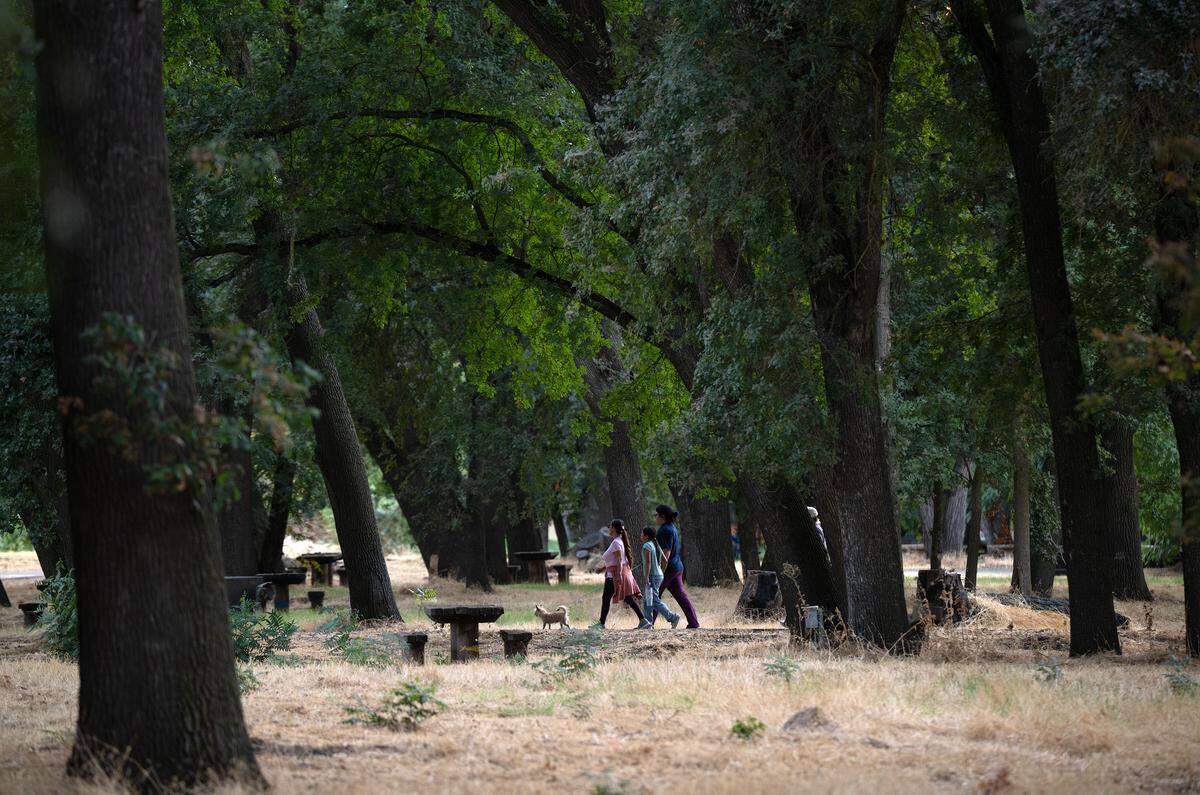
As the sun sets at Tuolumne River Regional Park, small gray foxes come out of areas of brush near the river to wander the oak groves. Residents say they see them all the time as they traverse the walking paths abutting the Modesto Airport.
Michael Hart, a volunteer with California’s Department of Fish and Wildlife, drives his truck through the park regularly. He said he’s seen the small foxes over the past couple of years, but this summer there have been more.
“You’d look out here and you’d see three, which is kind of unusual,” Hart said.
Selena Rivera and Charlie Solis walk along the path in the park daily and see them all the time. “Around eight or nine, they’re there,” Rivera said.
Foxes are nocturnal and most active at dusk and dawn.
California native gray foxes are omnivorous, eating rodents including squirrels, rabbits and mice, as well as berries, insects and fungi. In urban areas like Modesto, they can serve a vital purpose in keeping pests at bay.
“I don’t see any disadvantage to having the foxes in our urban areas at all,” Hart said.
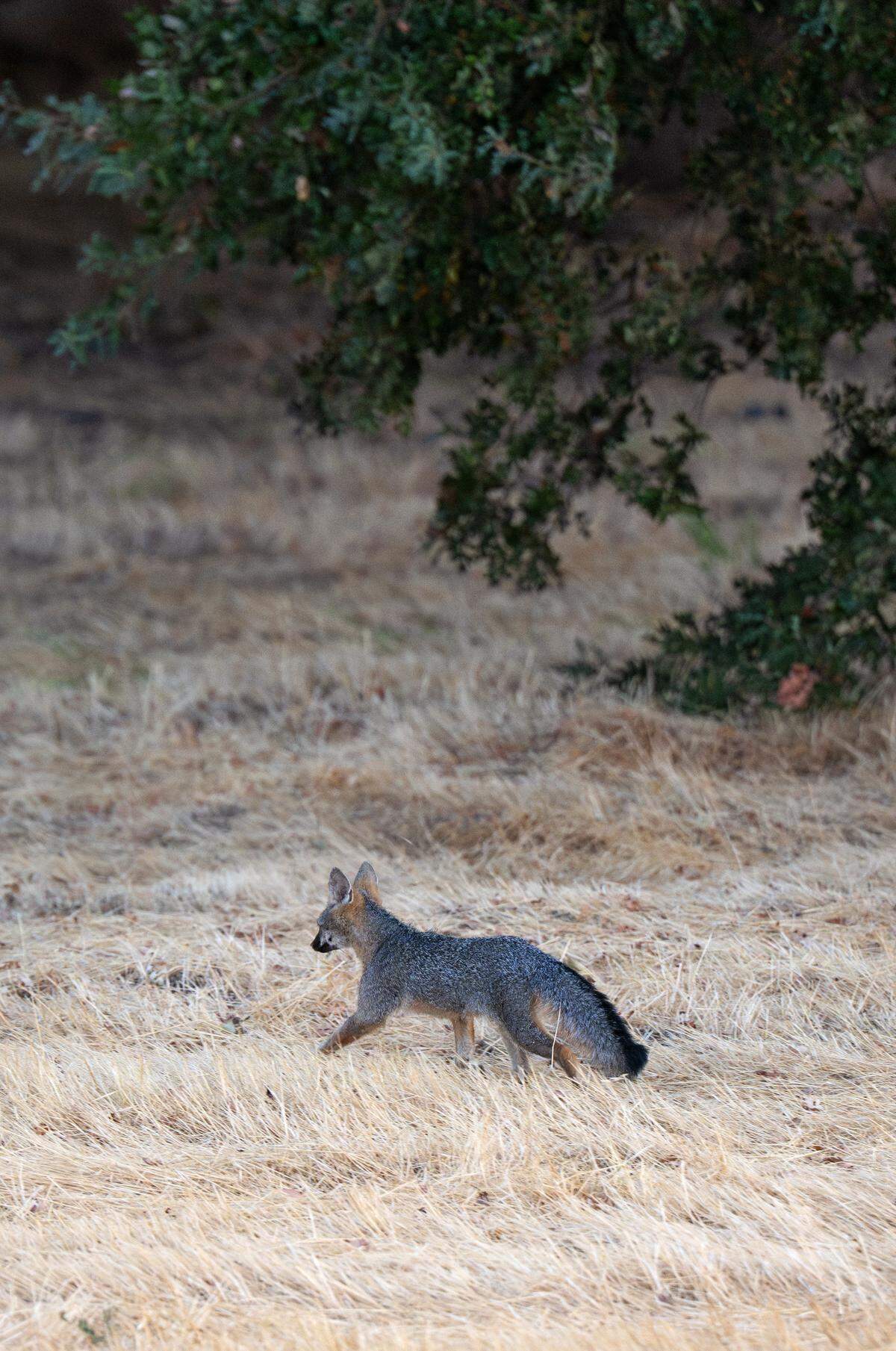
Jahir Salazar, who lives along Dry Creek, captured images of the fox on his security camera.
“It’s kind of more of a gray color and it’s got like a black stripe on it,” Salazar said. “I didn’t know we had foxes in the area, but it sounds like the conditions of Dry Creek, that’s something we’re going to get more of.”
Amber Sprock, the Central Valley District spokesperson for California state parks, said gray foxes are known to wander into more urban areas and have been seen on university campuses, overgrown alleys and public parks.
“With continued development and climate change reducing their resources, they may start venturing further into developed areas over time,” Sprock said.
Though the gray foxes appear to be increasing in number in and around Modesto, they aren’t new to Modesto’s urban areas. In fact in 2018, a gray fox was discovered at the coincidentally named Fox Pub in downtown Modesto.
Hart attributes the increased sightings to improvements of Tuolumne River Regional Park, something he wants to see more of. He’s targeted debris and dead tree buildup, something to reduce fuel for fires. The park rangers and city’s blight team have also been making an active effort to keep the park in good condition.
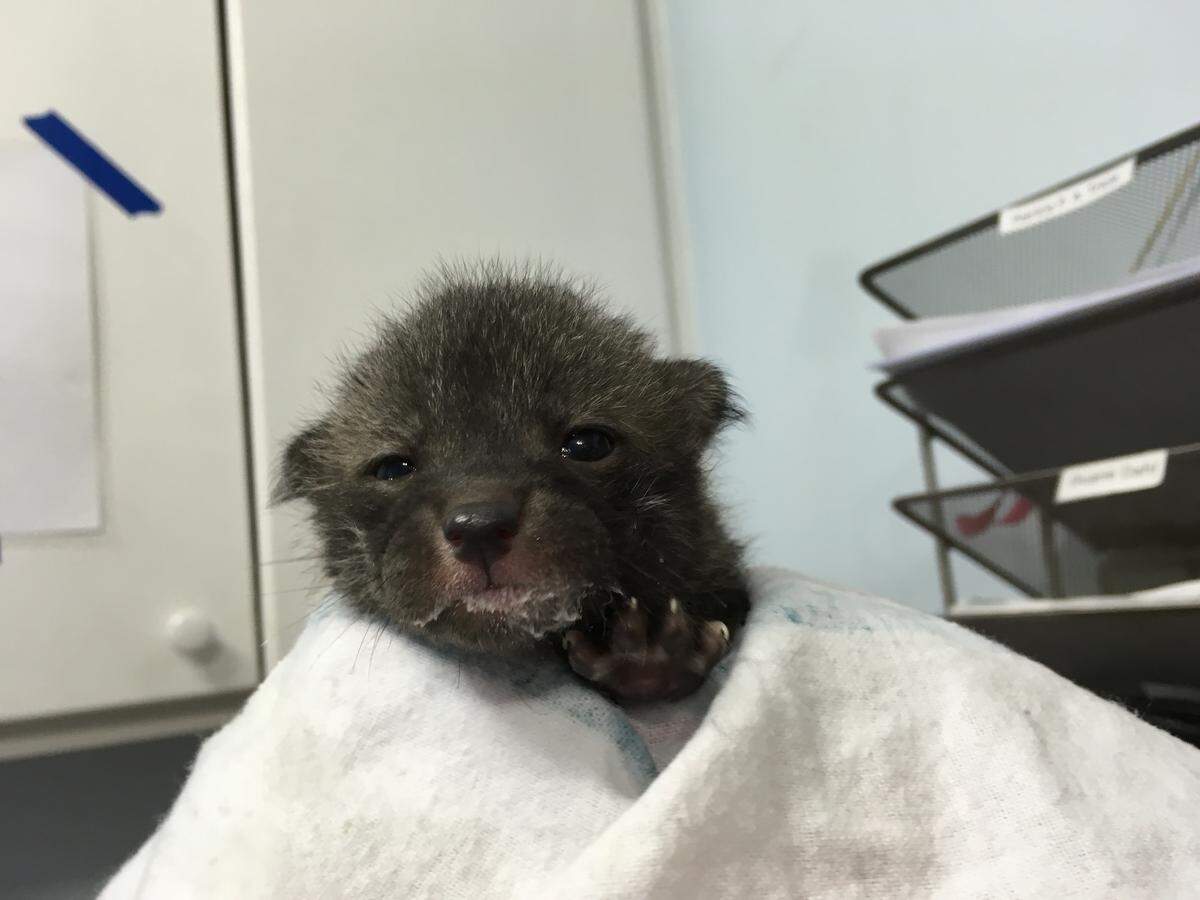
Donna Burt is executive director of the Stanislaus Wildlife Care Center, off the aptly named Fox Grove Drive in Hughson. This past spring, she saw double the amount of baby foxes, known as “kits,” than she usually sees – but she attributes this to normal fluctuation in population.
“They come in with their eyes closed or as bigger babies,” she said of orphaned kits brought to her facility. “We raise them up and care for them until they’re old enough to go out on their own, then we release them.”
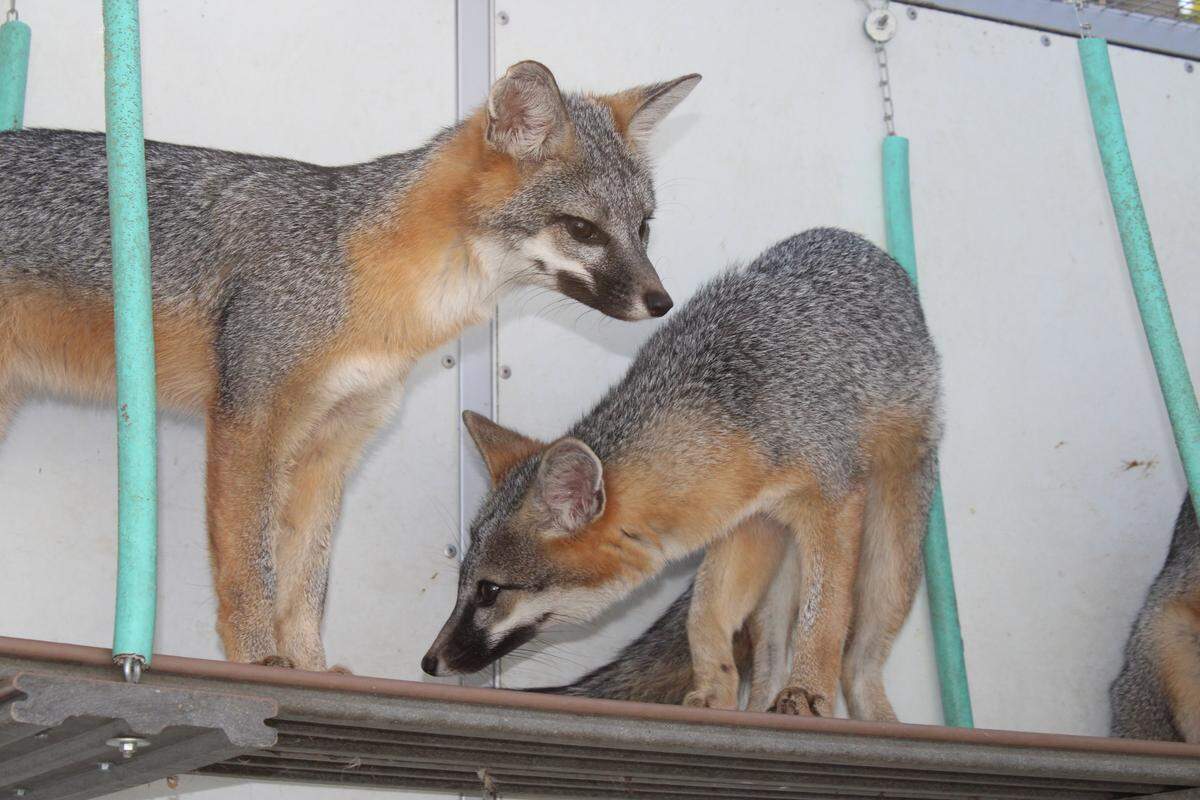
The gray foxes are only slightly larger than a cat and are the only foxes that have adapted to climb trees. Because of this, the cages at the wildlife center have raised platforms for them to climb on.
“They’re great climbers and they love to be up,” Burt said.
Alexandra Castro walks the park regularly and said Wednesday that she’d been seeing them the past couple of days. “I actually heard them — something like a bark, but different,” she said. “I go, ‘Is that a dog?’ and then as we kept going, we saw them in this area,” she said, indicating the grove region of the park.
Hart said that sometimes when doing mating calls, foxes make abrasive sounds that to the untrained ear can sound like screaming. The ones in the area now are juveniles, trying to identify new areas to settle down according to the Bakersfield-based California Living Museum.
“They’re born in the spring, and they stay with their mothers throughout the summer, then in the fall, they disperse,” Hart said.
Richard Bunning, an unhoused man living in Tuolumne River Regional Park, and his dog Brat, see the foxes everyday. Lately, though, he said he’s seen more than usual for this time of year.
“You’ll see families out here, like two or three of them, sometimes more,” he said. “It’s pretty neat.”
Unlike gray foxes, native San Joaquin kit foxes, the smallest fox species of fox, are endangered. So far, Hart has been submitting fox sightings to iNaturalist to see if any of the ones he’s stumbled upon match, with the hopes of securing grant money for their protection and to develop the park into even more of a wildlife refuge.
“They’re not here,” Burt said. “You’ve got to go to Bakersfield, they’re really common in Bakersfield.”
Sprock said it would be highly unlikely to see a San Joaquin kit fox within the city limits of Modesto because unlike gray foxes, they haven’t adapted to urban life.
“This little fox has not adapted to urban sprawl as well as its larger cousin, gray foxes,” Sprock said.
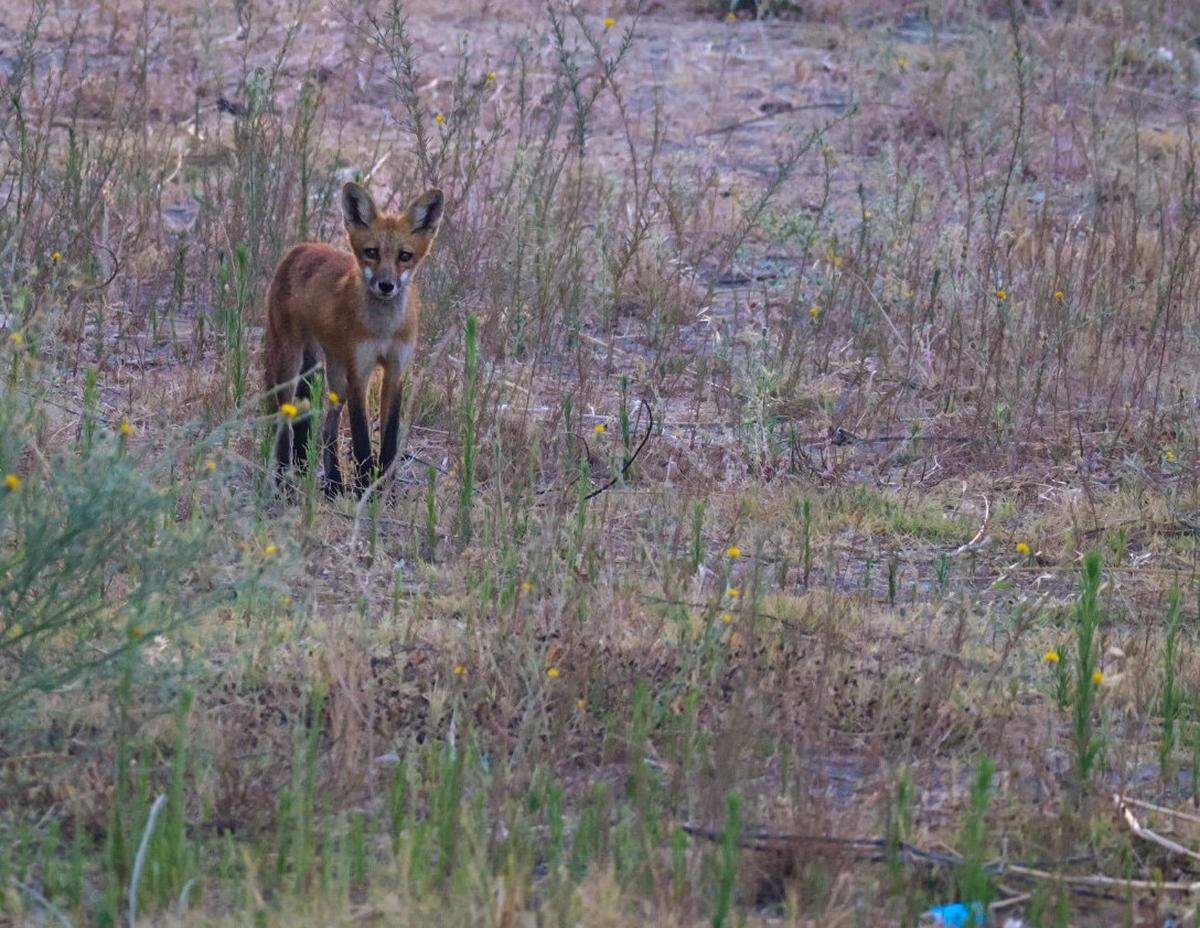
Additionally, red foxes, which show up from time to time at the wildlife center, are a nonnative species.
Gray foxes maintain a healthy distance from humans, Sprock attributes that to their “avoidant nature.”
Parkgoers should not feed or pet them, as the animals can carry diseases including mange, rabies and canine distemper, so it’s best to respect their space.
On Thursday, a gray fox came into the wildlife center with distemper and had to be put down because there is no current cure for the disease. For injured or diseased foxes, Burt recommends to refrain from feeding them, getting them into a cardboard box that’s warm and quiet and bringing them to her center.
“Gray foxes are an important component of native ecosystems in the Central Valley, and we can help protect them by preserving our native lands and practicing ‘leave no trace’ when visiting our public parks!,” Sprock said.
Gray foxes attack only when threatened or stressed to food or shelter, Sprock said.
Burt said she wouldn’t put it past gray foxes to get into a henhouse, but they generally stick to smaller foods. Because of their size, cats are more of a risk to the foxes than the other way around – but be aware that foxes love dog and cat food.
“It’s just something incredibly new and exciting. Nothing like this ever really happens,” Salazar said. “Across the street, we’ll see squirrels and possums and stuff, but to see foxes in our neighborhood, I think it’s kind of cool.”