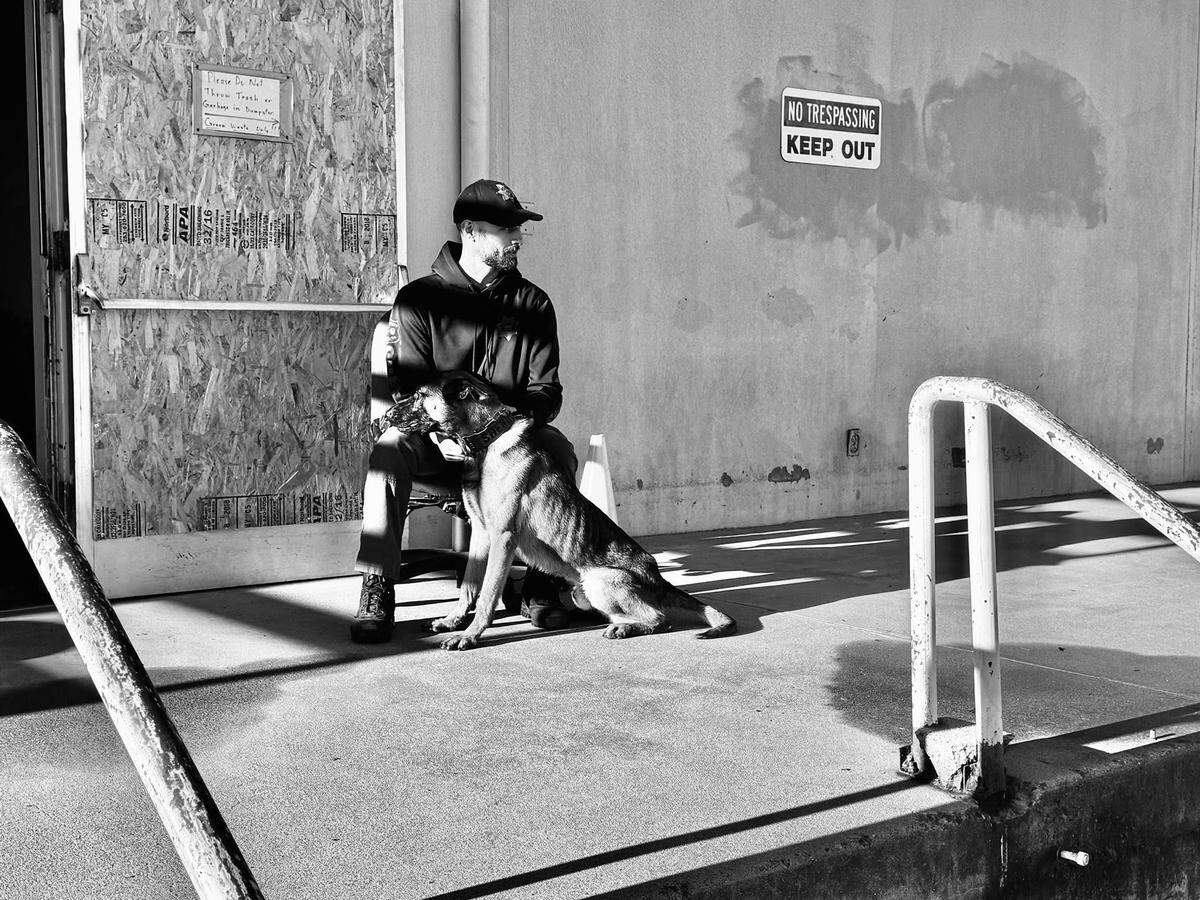
Stanislaus Sheriff’s Office mourns K9 Zero, remembered for loyalty, service
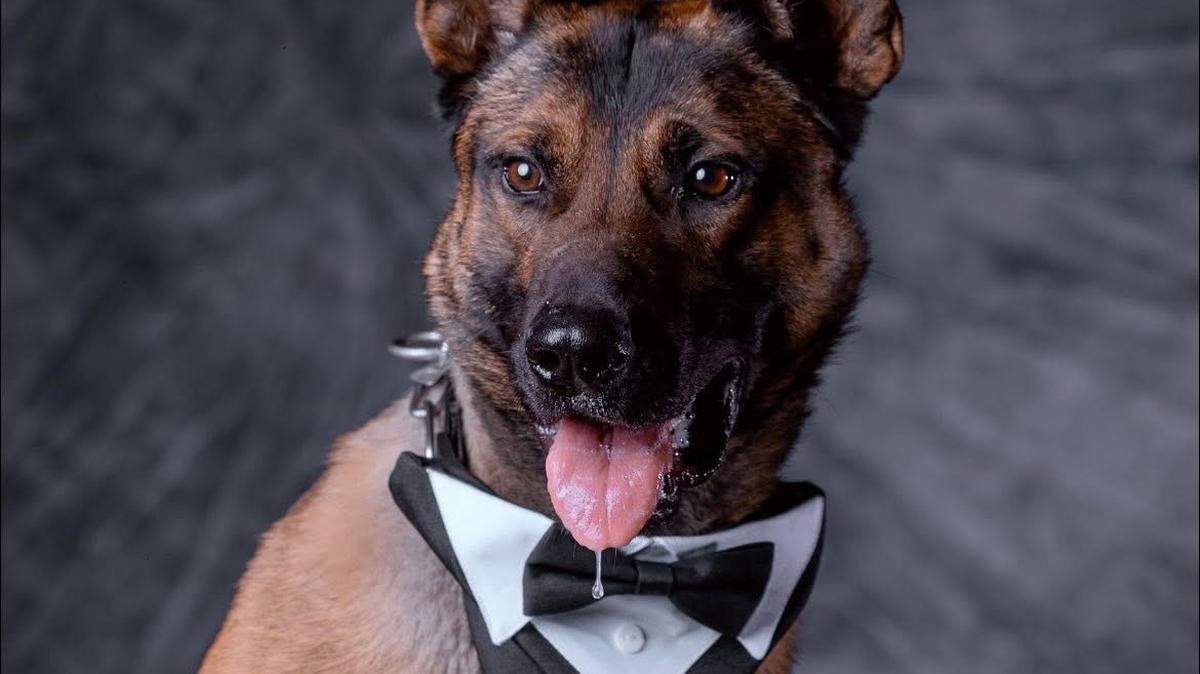
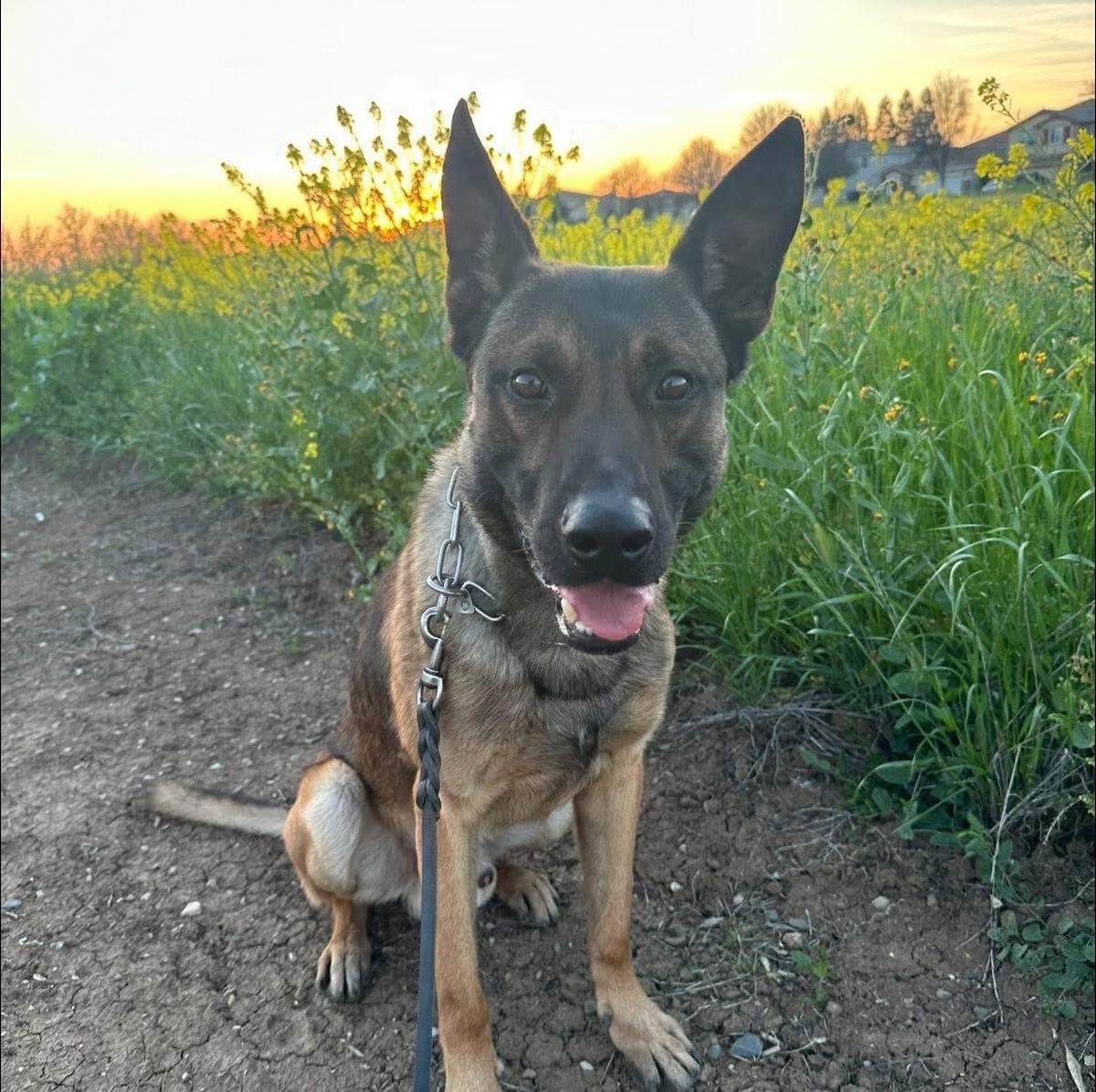
The Stanislaus County Sheriff’s Office is mourning the sudden loss of K9 Zero, a 3-year-old Belgian Malinois who served alongside Deputy Mason McKinstry in the Patrol Division.
Zero died Saturday night during emergency surgery after what officials described as a medical emergency. He had been with the Sheriff’s Office since January and was cross-trained in both patrol and narcotics detection.
McKinstry declined an interview, but Sgt. Nate Crain — a former K9 handler with 11 years of experience — spoke with The Bee about the significance of the loss.
“Deputy McKinstry is really crushed. It was his first K9 partner, and this came completely out of nowhere,” Crain said. “The community loves these animals. They don’t speak a word, but they steal our hearts.”
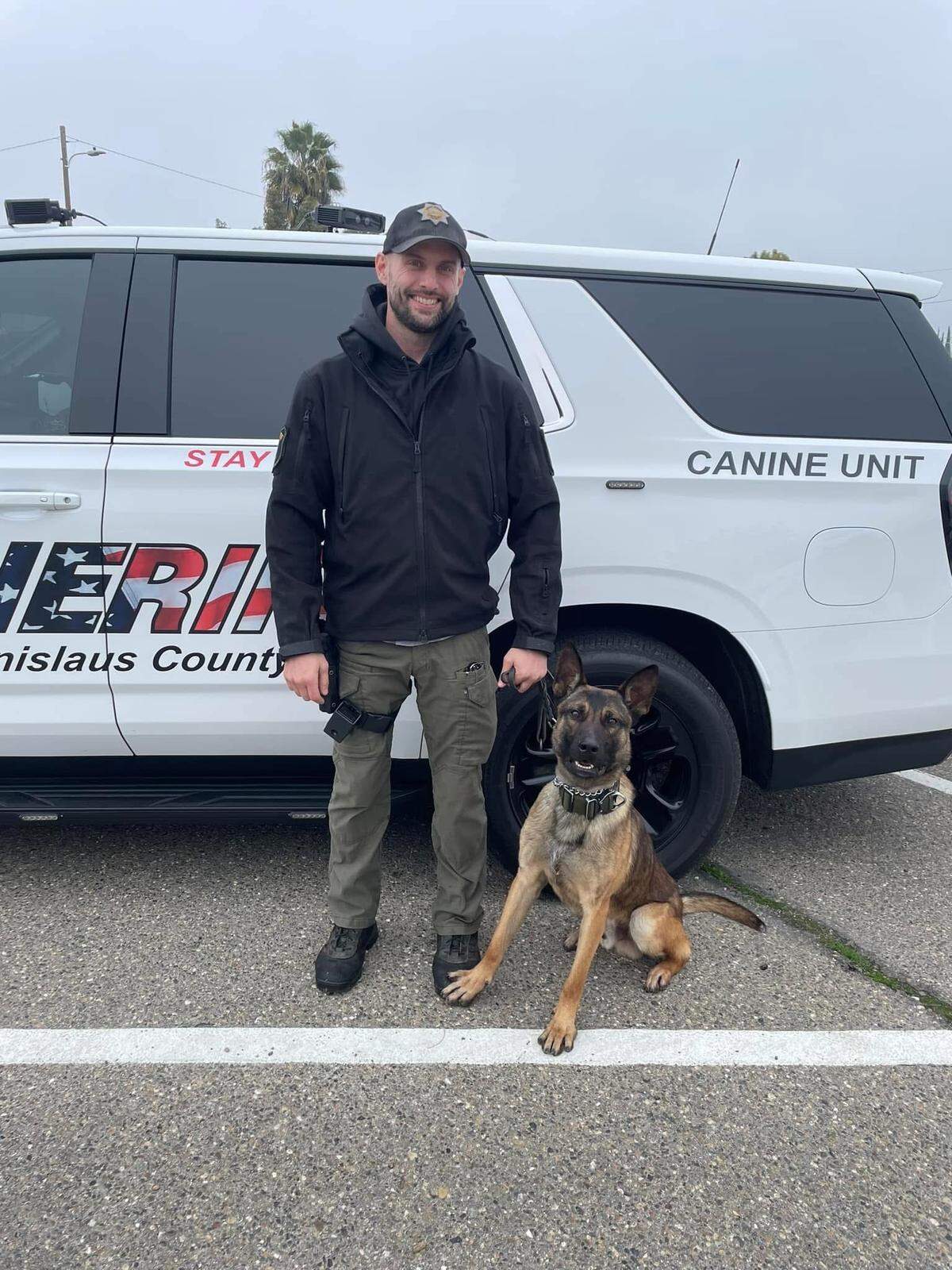
Crain said police dogs typically undergo more than a year of training overseas before being purchased by U.S. agencies. Once paired with a deputy, they go through a bonding period and then an intensive training course to meet California standards. One of the most critical tests, he said, is teaching a K9 to stop on command during an apprehension.
“Unlike a bullet or a Taser, a dog can be recalled,” Crain said. “That makes them invaluable in California, with our strict use-of-force laws.”
Zero’s additional narcotics training allowed him to detect drugs including methamphetamine and fentanyl. Other K9s are trained to recognize the scent of firearms, currency or even cell phones in custodial settings.
The Sheriff’s Office has 14 K9s: 10 assigned to patrol for round-the-clock coverage, two in the jail and two working in investigations.
The use of police dogs in the United States dates back more than a century. According to the Journal of Criminal Law & Criminology, New York City established one of the first formal K9 units in 1907 when it deployed Belgian sheepdogs for criminal apprehension. On the West Coast, the first canine unit was created by the Stockton Police Department in 1959, according to the city. Many California police departments followed suit in the coming years, with Stanislaus County Sheriff Office’s unit being established in 1981.
Today, law enforcement agencies nationwide rely on an estimated 50,000 active police dogs to support detection, patrols and public safety operations.
Crain described the connection between a deputy and a K9 partner as “unbreakable.”
“These dogs would die for their handler without hesitation,” he said. “All they ask for in return is food, love and to play fetch. The loyalty they give is unimaginable.”
Crain said McKinstry has been overwhelmed by messages of support since Zero’s passing. Agencies including the California Highway Patrol, Modesto and Turlock police, and Dublin police provided help during the emergency, from traffic escorts to condolences.
On Tuesday, Sept. 2, deputies and officers from multiple agencies held a procession in Turlock to escort Zero to a pet mortuary. The Sheriff’s Office said the show of respect reflected the bond between K9s, their handlers and the communities they serve.
The Sheriff’s Office thanked multiple veterinary clinics for their efforts and said it continues to honor Zero’s service and sacrifice.