Highway 132 bypass soon will grow 5 miles west of Modesto. Climate groups object
A state grant has completed the funding to stretch the Highway 132 bypass five miles west of Modesto.
The $67 million was approved unanimously Thursday, June 26, by the California Transportation Commission. The other $10 million will come from Stanislaus County’s half-percent sales tax.
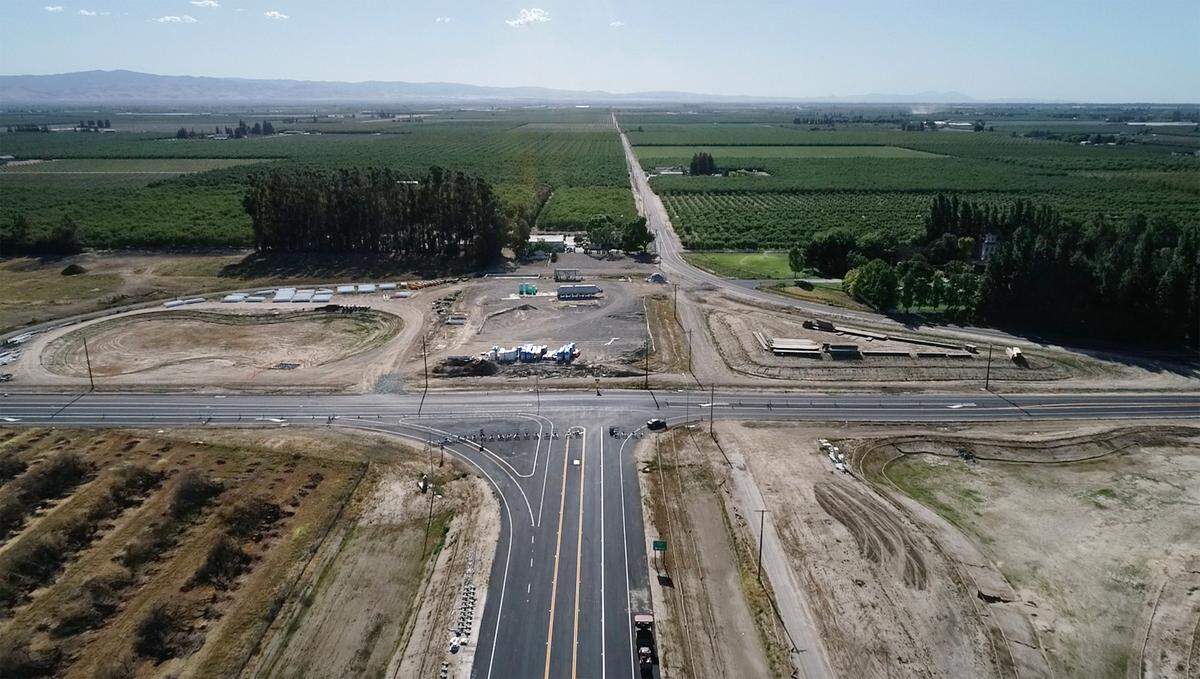
The Stanislaus Council of Governments plans to start construction next spring and finish by fall of 2028. The entire expressway will have two lanes but could reach four with future funding.
The vote came over protests that expanding highways hinders the state’s efforts against climate-changing emissions. Highway 132 was one of six projects mentioned by a coalition urging passenger rail and other alternatives. All were approved, as were several rail, bicycle and pedestrian upgrades elsewhere.
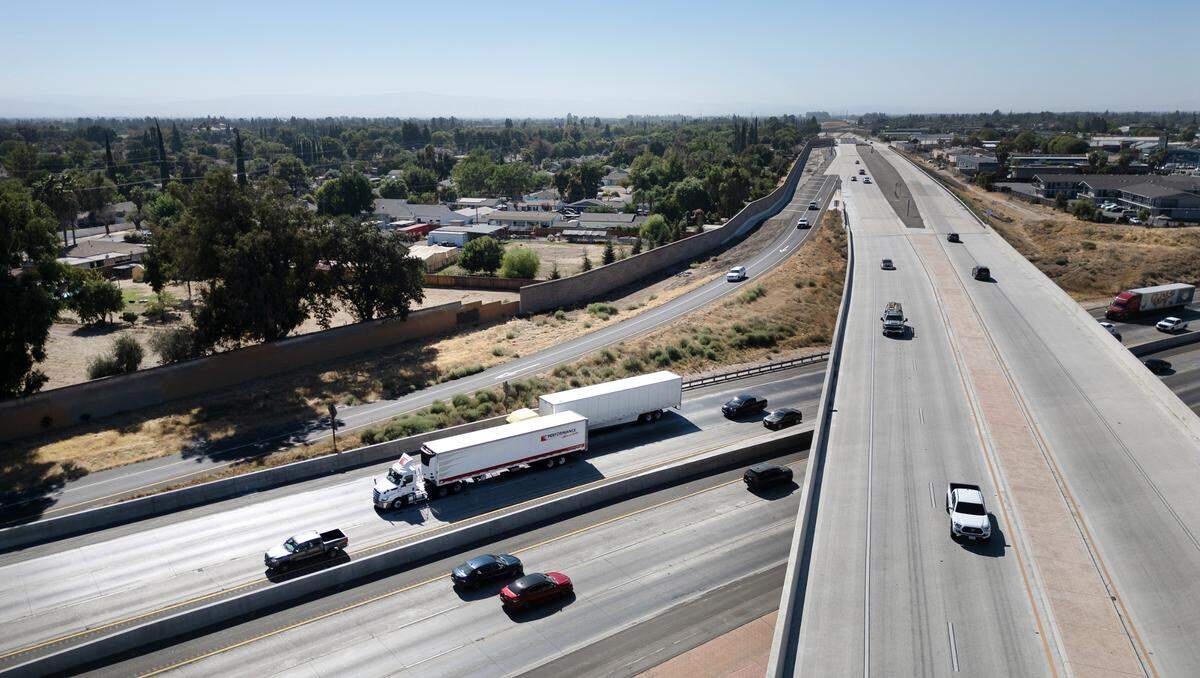
The initial 132 bypass opened in 2022 on three miles between Highway 99 and Dakota Avenue. It runs just south of Kansas Avenue, taking traffic off Maze Boulevard.
Stanislaus supervisor urges approval
Maze has been a state highway since 1933, but it has numerous entries from homes, businesses and other users. The bypass has no cross traffic thanks to bridges at Highway 99, Carpenter Road and Rosemore Avenue.
The extension will have bridges at Dakota and Hart Road and a roundabout where Gates Road will tie back into the current 132 alignment. It feeds into Highway 33 and Interstate 5 to the west.
“This segment is very much about safety,” Stanislaus County Supervisor Vito Chiesa told the commission. “It is a separated road with no access, which is really what we need for that roadway.”
Chiesa said Maze has a long history of fatal crashes, as well as air pollution from stop-and-go traffic. He noted that the project has support from the West Modesto Community Collaborative and from labor and trucking industry groups.
Chiesa also cited 132’s importance in hauling wine, nuts, poultry, tomatoes and other farm products from the county.
This was among 24 projects totaling $810 million in the latest round of the Trade Corridor Enhancement Program. It is funded by California fuel taxes and the federal infrastructure package of 2021.
Caltrans has changed since 1950s
The state has moved away from the emphasis since the 1950s on simply building and expanding highways. Several of the widenings funded Thursday include carpool lanes and other efforts to reduce vehicle miles.
The package also funds charging stations for trucks and other electric vehicles, reducing fossil fuel use. Other projects will improve safety and efficiency for freight rail, some of them serving ports.
One of the road-expansion critics is Jeanie Ward-Waller, a former deputy director for the California Department of Transportation. She now advocates on the topic for a Sacramento-based firm called Fearless Advocacy.
Ward-Waller told the commission that the Highway 132 extension will increase total miles driven without helping much with freight movement. She said the same about widening Highway 99 in Tulare County, also approved.
“The urgency of the climate crisis is exacerbating the extreme heat, wildfires, floods and dangerous weather we are experiencing now and demands different solutions now,” Ward-Waller said. “Please don’t delay.”
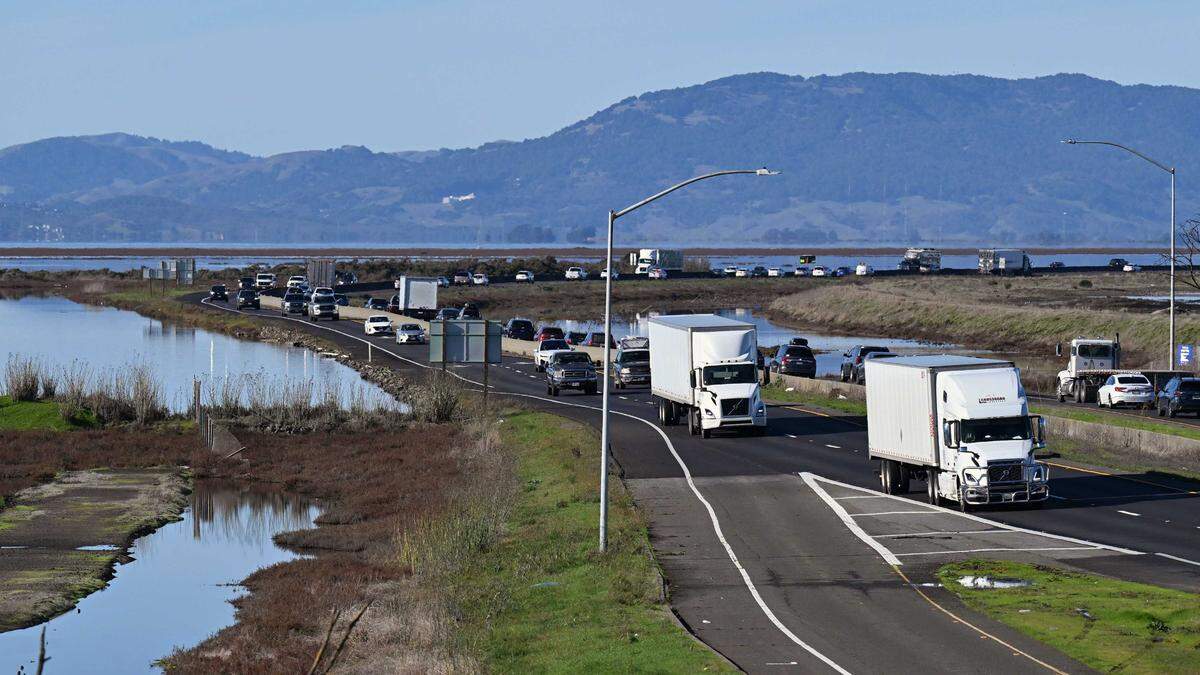
The most debate was over widening Highway 37, a shoreline route near Vallejo. The commission voted to cover some of the cost despite warnings that rising seas could put it underwater by 2050.
The coalition also objected to widening Highway 71 in Los Angeles County, Highway 60 in Riverside County and the interchange for Highway 4 and Interstate 680 in Contra Costa County.
No problem with new Seventh Street Bridge
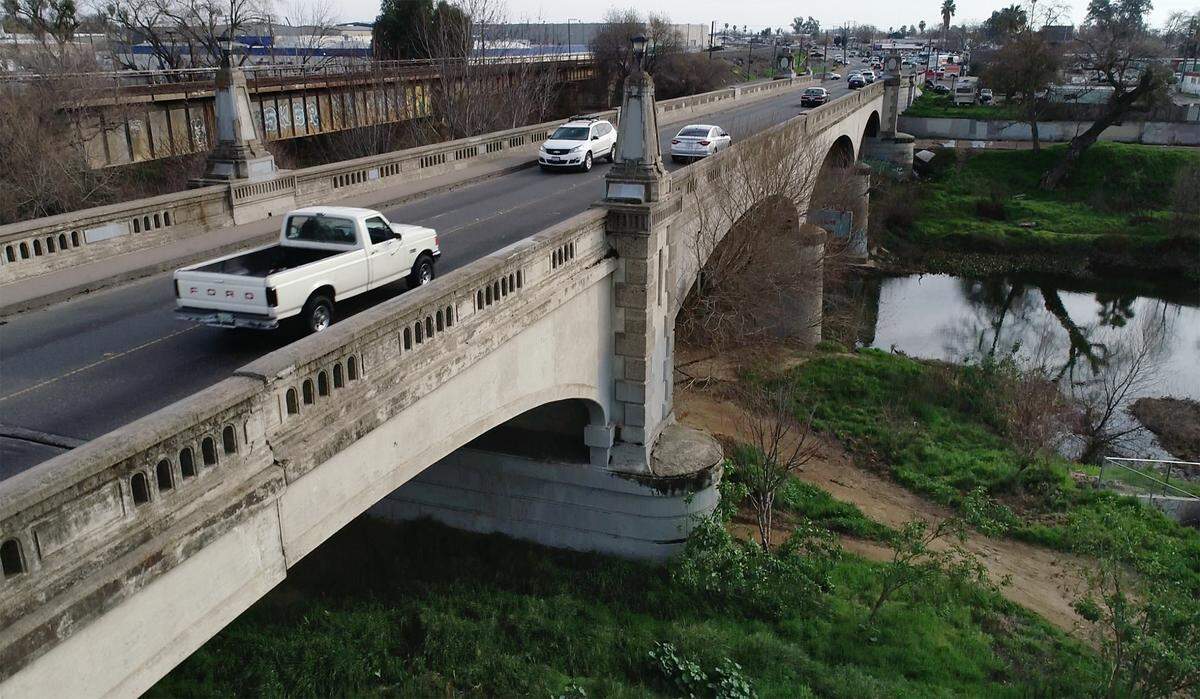
The commission held a two-day meeting in Sacramento and online. On Friday, it approved the final funding to replace the Seventh Street Bridge in Modesto. This is another road widening, from two to four lanes. The coalition had no problem with it because the project also features a wide sidewalk and a bike path down into Tuolumne River Regional Park.
The money for the 109-year-old bridge came from the Local Partnership Program, which rewards cities and counties with their own transportation tax. Measure L in Stanislaus is a half-percent addition to the sales tax. A federal bridge program will cover the vast majority of the $134 million cost.
The 132 bypass has been discussed since the 1950s, and Caltrans acquired some of the right of way around that time. StanCOG is still assembling funding to widen it to four lanes and upgrade the interchange with 99.
This story was originally published June 30, 2025 at 12:50 PM.