California Rural Legal Assistance begins construction on new Modesto headquarters
California Rural Legal Assistance broke ground Thursday on its new headquarters in downtown Modesto, marking a milestone in the nonprofit’s nearly 60-year effort to expand access to justice for low-income communities across the state.
This will be the first time in CRLA’s history that its headquarters is in a rural area. The move is part of an initiative to center the organization’s leadership in the communities it serves.
“We’ve been headquartered in L.A., in San Francisco, in Oakland, never in one of the communities that we serve, and that, I felt, was priority number one that needed to change. We need to walk the talk,” said Jessica Manriquez Jewell, president and chief executive officer of CRLA. She grew up in Riverbank.
The new headquarters, at 715 H St., will serve as the anchor for a growing network of CRLA Rural Justice Centers throughout California. These centers are designed to provide legal support, community resources and space for engagement across underserved regions.
Founded in 1966, CRLA is a nonprofit law firm that offers free legal services to tens of thousands of Californians each year. Its work focuses on areas including labor rights, housing, education and civil rights. The organization has 17 locations serving 22 counties. Modesto is home to one of CRLA’s original offices.
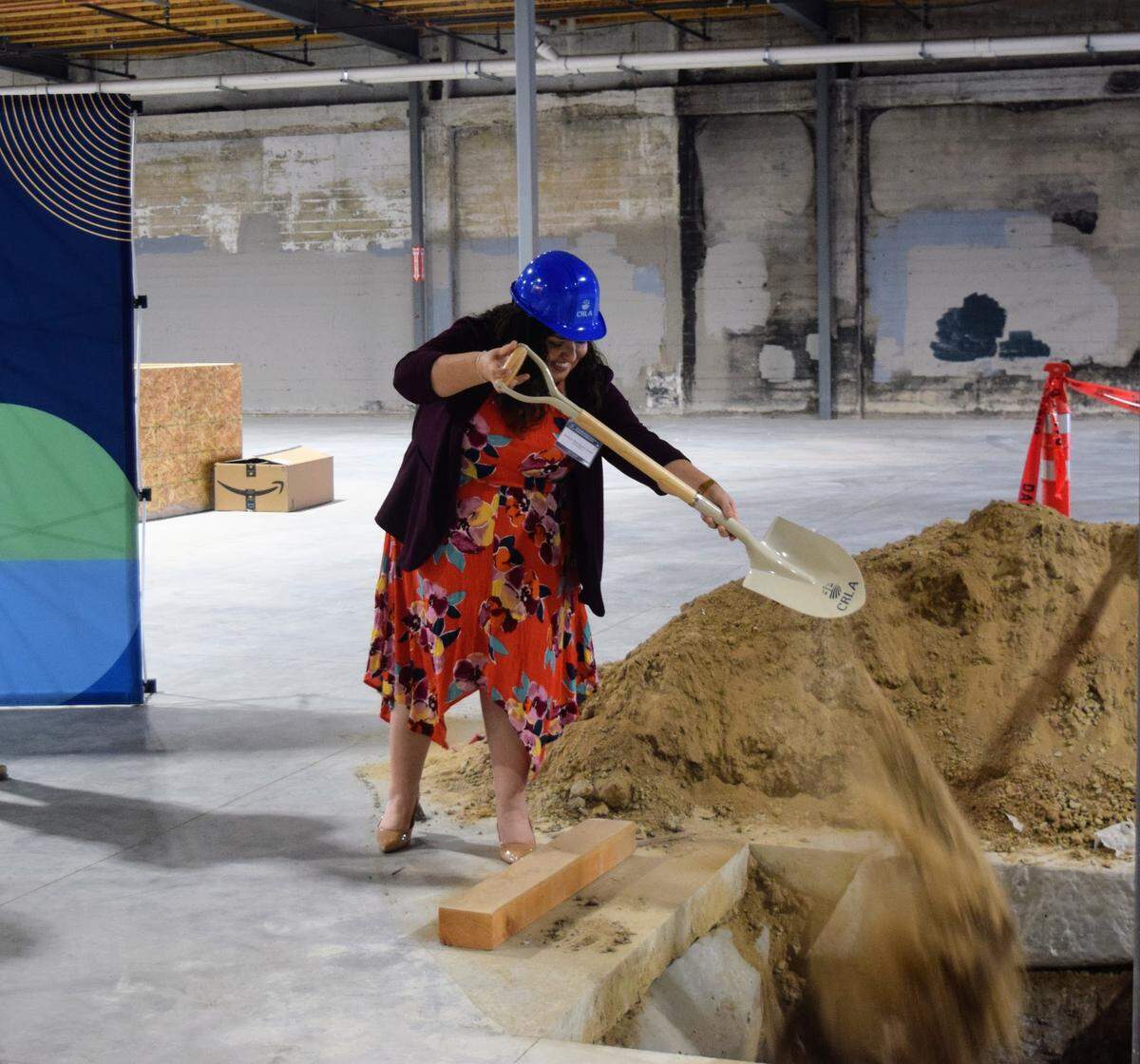
A groundbreaking ceremony was held Thursday and brought together community members, staff and local leaders. The event featured food, music and a ceremonial turning of the soil to mark the start of construction. Inside the building, photos and archived news articles from publications like The Fresno Bee and The Sacramento Bee lined the walls, highlighting CRLA’s past legal accomplishments.
Representatives from the offices of Rep. Adam Gray, state Sen. Marie Alvarado-Gil, and Assemblyman Juan Alanis were in attendance, presenting certificates and remarks commemorating the occasion.
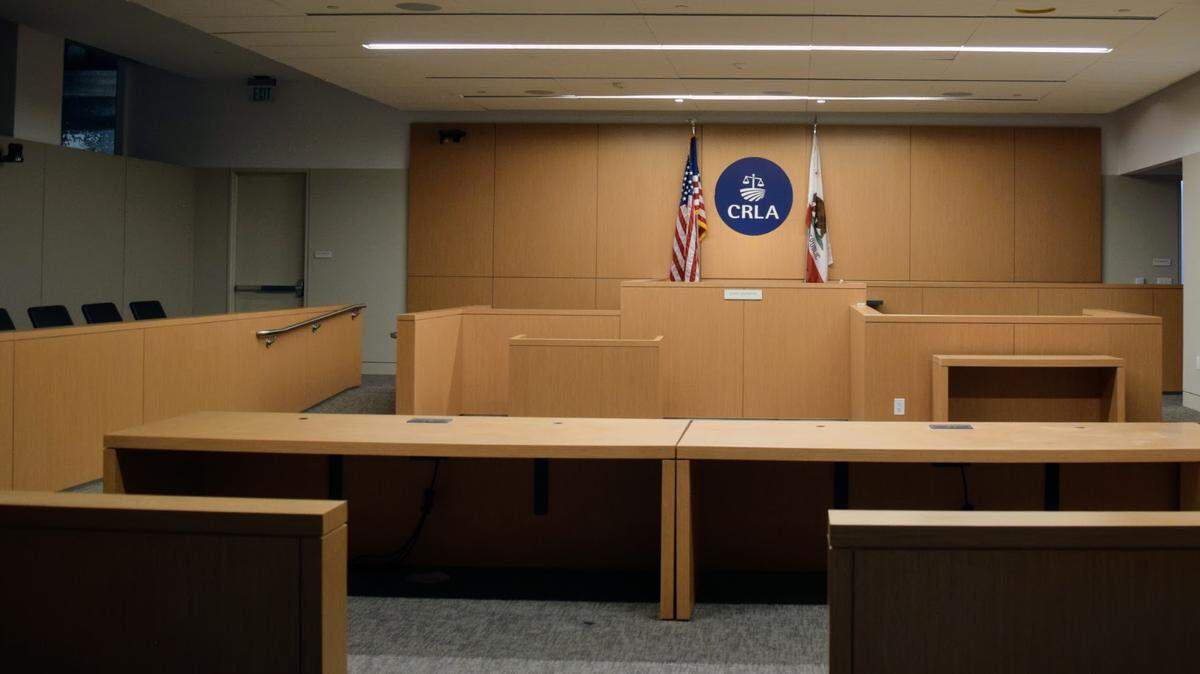
The building had previously been outfitted with a mock courtroom, originally intended to showcase plans for the new Modesto courthouse. While the courtroom was scheduled for removal, CRLA asked to preserve it to use for mock trials.
Construction is expected to be completed by early next year.
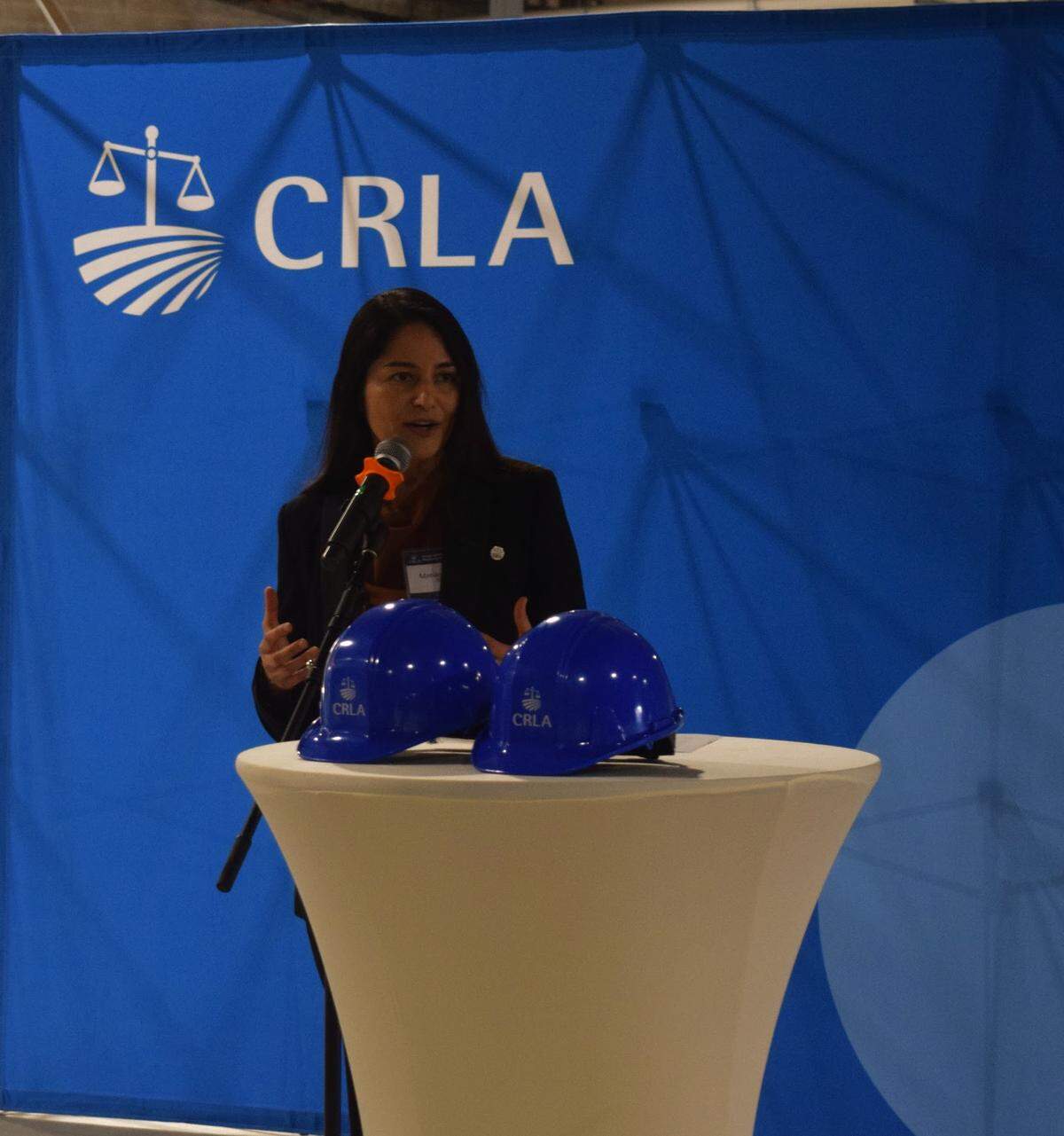
Marisol Aguilar, executive vice president and deputy chief executive officer of CRLA, recalled growing up in Modesto and interpreting for parents during parent-teacher meetings while she was in high school. She was often asked questions including what to do if someone wasn’t being paid or if a child was facing expulsion. Those experiences motivated her to go to law school, with the goal of gaining the knowledge and tools to support and empower her community.
“We want to be a one-stop shop where our residents can come to us to get help on anything that they need,” said Aguilar.
Councilmember Eric E. Alvarez spoke on behalf of the city of Modesto, sharing that his family immigrated from Mexico. He recalled hearing stories about assault, wage theft and child labor faced by those working in the agricultural fields.
“If it wasn’t for agencies like CRLA, my family would not have had the experience that they’ve had in terms of having the support when that support was needed most,” Alvarez said.
The remarks concluded with a farmworker unity clap, led by Noe Paramo, director of the Sustainable Rural Communities Project.
Filling an attorney desert
According to the State Bar’s 2024 Justice Gap Study, access to legal representation in rural California has continued to decline, with fewer than one active attorney for every 1,000 residents.
Stanislaus County is considered an attorney desert. Over the past decade, the number of attorneys practicing in the county has dropped by 12%, even as the population has increased by 5%. While 36% of Stanislaus County residents live in rural areas, only 7% of active attorneys reside in those communities.
Manriquez Jewell emphasized the need for community lawyering and the value of maintaining a permanent, physical presence in the areas CRLA serves.
“Now more than ever, with all of the attacks on our communities, with all of the attacks on legal aid, with all of the attacks on justice and freedom and democracy, it’s critical that rural Californians secure the stability and the longevity of legal services,” she said.
.JPG "DSC_0003 (1).JPG")
This story was originally published June 6, 2025 at 12:00 PM.