New report calls for economic justice in Stanislaus County’s underserved communities
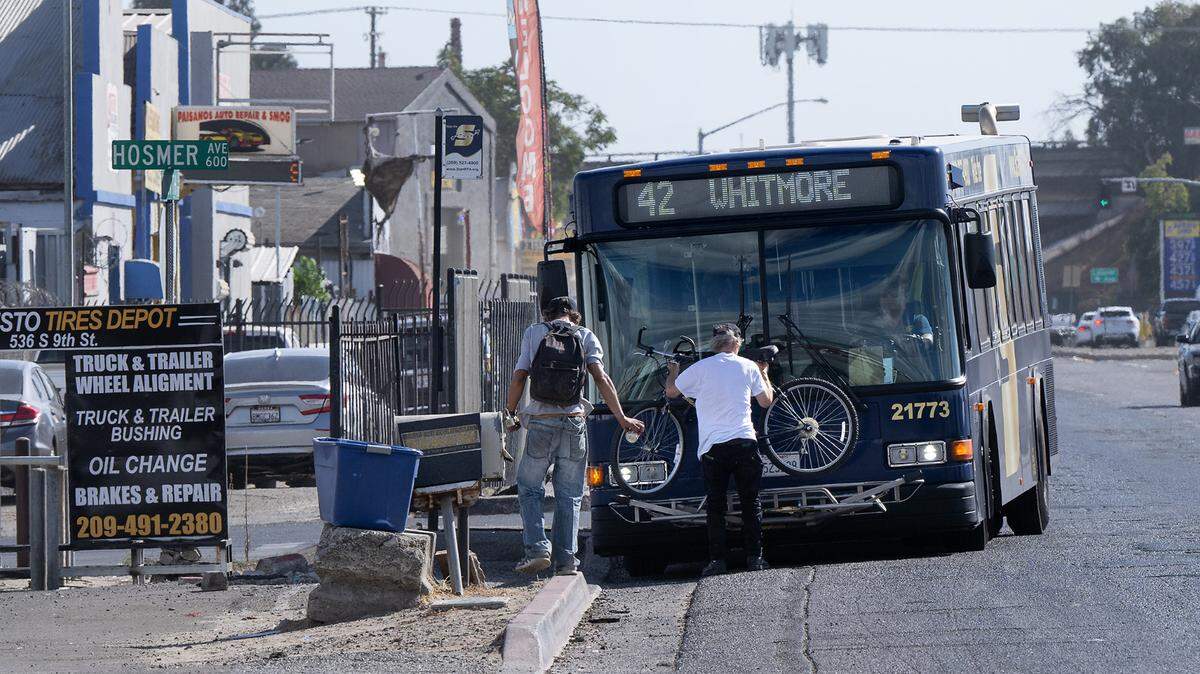
A new community-driven report details the needs and concerns of underserved communities in Stanislaus County in hopes of amplifying their voices and tackling longstanding inequities in housing, jobs, transportation and civic engagement.
Released by the West Modesto Community Collaborative, “The People’s Plan for Economic Justice” is the result of two years of meetings and several focus groups and surveys conducted across seven locations, including Modesto, Turlock, Patterson and Grayson.
“This study was developed to elevate the many voices of the underserved and underrepresented communities to city and county and elected officials,” said Perfecto Muñoz, chief executive officer of the West Modesto Collaborative.
The plan focuses on five key areas: civic engagement, economic and social health, transportation access and equity, housing and development, and climate resilience. It also emphasizes the importance of policy reform, public awareness and community mobilization to advance long-term economic equity.
Muñoz said the report was shared with members of the Modesto City Council and brought up during public comment at a January meeting. He added that there are plans to present it to the Stanislaus County Board of Supervisors as well.
Print copies of the report soon will be available at the King-Kennedy Memorial Center in Modesto.
The plan was developed to respond to gaps in regional initiatives including the Stanislaus 2030 Investment Plan, which also aims to promote growth and coordination but “does not fully address the racial, social, and economic challenges that impact underserved communities,” according to the report.
Of the 289 survey participants, most were Latinas between the ages of 36 and 59. More than 60% reported living below the poverty line and 34% were unemployed. Roughly three-quarters had a high school education or less.
Despite many having lived in the county for over a decade, civic participation was low. Only 18% knew about the Modesto general plan, and just 8% were “very satisfied” with opportunities to express concerns to officials. Thirty percent felt there were enough ways for residents, including youth, to get involved.
Language barriers, limited outreach and lack of accessible information were recurring themes in focus group discussions. Many respondents called for better advertising of civic events, educational workshops and youth mentorship programs.
Economic struggles were another major theme. Only 9% of respondents felt that local jobs paid enough to meet basic needs, and nearly half believed they would need to leave the county to find better opportunities. Participants identified limited access to childcare, affordable healthcare and job training as major challenges to improving their financial stability.
Participants called for more affordable housing, support for small businesses and improved healthcare access and facilities.
When it came to transportation, residents described long and costly commutes, limited access to transit and unsafe or inadequate infrastructure. Only 18% said local transportation was convenient, and many had never received information about transit services or development projects.
They proposed travel programs and improved public transportation facilities.
The report also found that more than one-third of respondents spent over half their income on housing, and 21% said they had experienced discrimination when looking for housing — primarily based on race, gender or disability.
Participants also expressed concern about climate change and how it impacts vulnerable residents. About 75% felt the region is not prepared for climate change, and 96% said they had never received information from local officials about climate resilience.
The report says residents want enhanced “advertising and information sharing” more direct outreach to households, continued surveys, and educational opportunities/workshops.
Many people, especially in smaller communities, feel they lack information on climate change and want more involvement from local representatives to discuss its impact and solutions. They suggest having county and city officials visit their communities to engage with residents on climate change and share actionable information.
They also want better access to updates, including printed materials in community centers and clearer, more navigable websites for climate-related information.
Top concerns in the report include heat waves, flooding, and rising utility and food costs. Recommendations include more public education, infrastructure improvements and expanded clean energy efforts.
Muñoz said community leaders are in the process of implementing some of the strategies.
“Listening to and involving community members is key to finding real solutions. When residents are included in decision-making, it ensures strategies meet their needs and create lasting, fair results,” the report states. “This approach builds trust, empowers the community, and leaves to positive, lasting change, helping make Stanislaus County strong and successful for everyone.”
This story was originally published April 9, 2025 at 2:07 PM.