Backyard chickens in Modesto: Worth the money, effort and potential risks?
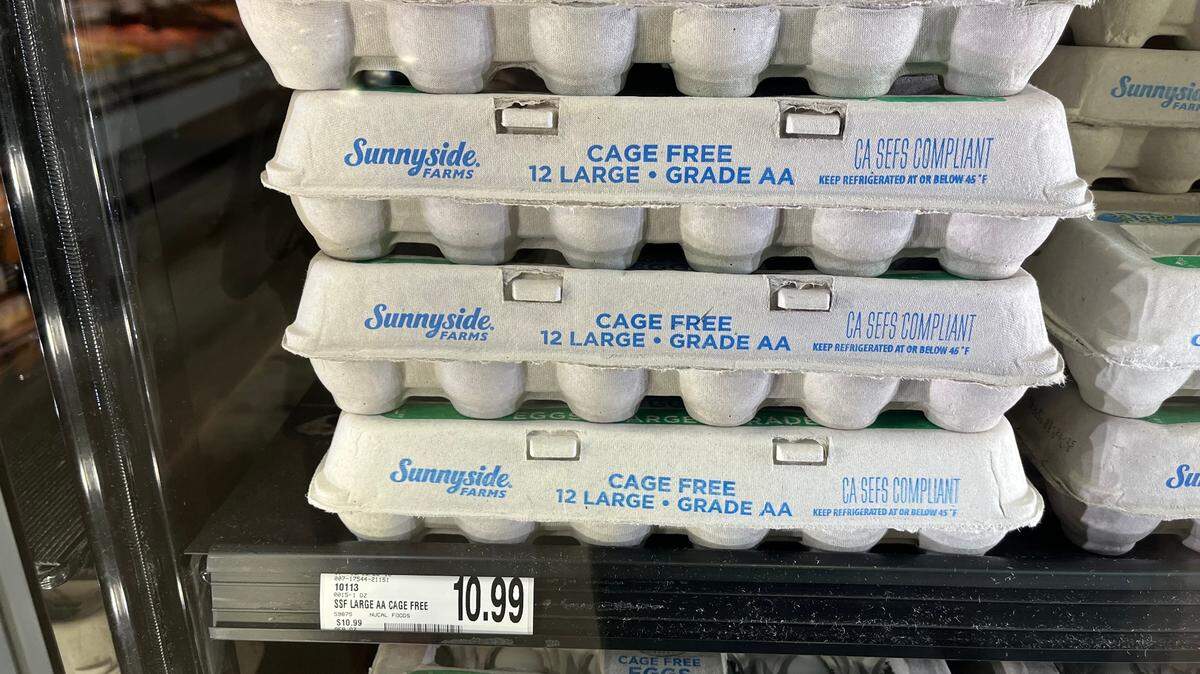
With egg prices at historic highs, Modesto has seen an uptick of interest in backyard chicken tending. Those considering raising backyard chickens solely for financial reasons may be in for a surprise, though: They’re messy, noisy and, yes, have a chance of getting bird flu.
Russ Hannink has owned and operated Modesto Feed for over 25 years. He sells chicks and pullets (young hens about to start laying eggs) and has seen a large increase in demand for both.
“There’s a lot more interest in chickens right now — a lot more interest,” he said.
He said he’s been getting more interest in chicks, which tend to sell out in one day or afternoon, and he has a waiting list for his pullets.
“The price of eggs probably pushes people who were thinking about it into doing it,” Hannink said. “And those who had chickens, they want to put in a few more.”
Tim Truax is an animal science instructor at Modesto Junior College and teaches his students about the poultry industry. “There’s a really thin silver lining, and that is that customers are far more aware of what it takes to raise their products at home,” he said.
Is it economically worth it?
Truax said there’s usually a financial incentive to grow your own food, but it’s not practical for everyone.
The price of a newborn chick can be anywhere from $3 to $10, and pullets range between $20 and $35 on average, depending on age. Chicken coops can range from $300 to $2,000 or more depending on size and complexity.
To feed a chicken, expect to pay $15 to $30 per 50 pounds of feed. Additional add-ons like greens or bugs can increase that price. “On average, a laying hen eats about one-quarter pound of feed per day, or 1.5 pounds of feed per week,” according to Purinamills.com. “If you’re buying a 50-pound bag of feed, it would feed your chicken for about 33 weeks. If you have four hens in your flock, eating about 6 pounds of feed a week, you’ll go through a 50-pound bag of feed about every 8 weeks.”
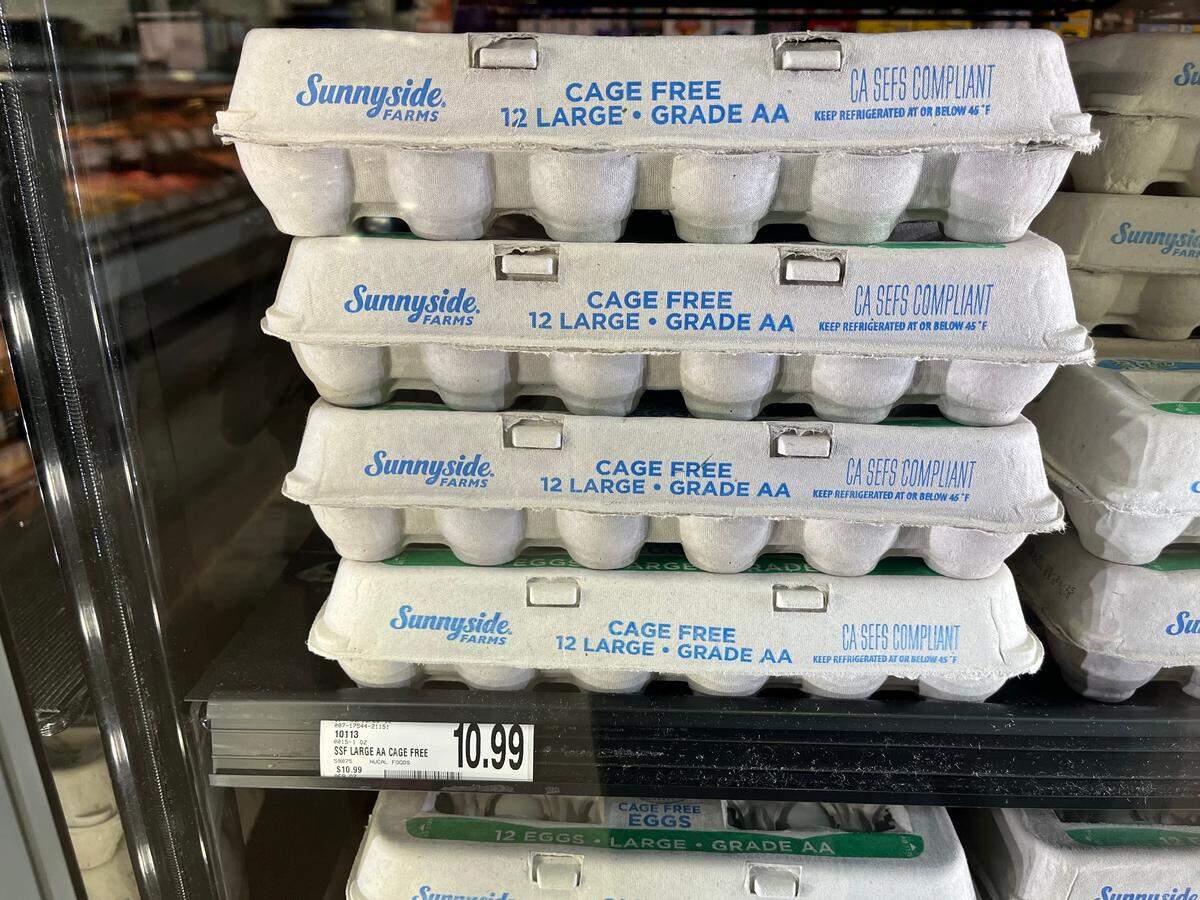
According to the USDA, the average price for 12 large eggs in California was $10.35 on Feb. 7. The Save Mart in Modesto on Oakdale Road advertised them for $10.99 for both Sunnyside and Vital Farms brands.
Maurice Pitesky, an associate professor at the UC Davis School of Veterinary Medicine-Cooperative Extension, said that historically, raising chickens in the backyard hasn’t been cost-effective.
“But we’re in historic times as far as egg prices go, so that reality has changed,” he said.
Pitesky said egg prices generally increase during Easter and Passover and decrease during the summer, but with the unknowns about the bird flu, he doesn’t know if prices will remain high or follow historic norms.
Part of the cost-benefit analysis may rely on how quickly your chicken-to-egg turnaround is expected to be.
“If you bought chicks today, you’re going to wait 20 to 22 weeks before they start producing eggs,” he said. “So by the time you’re ready to start getting eggs (from your hens), egg prices might be lower.”
Bill Mattos, president of the California Poultry Federation, said that he’s optimistic that after Easter, egg prices will start to come down.
How to take care for backyard chickens
First things first: You need to learn if your community allows backyard chicken raising, and what the rules are. In Modesto, you can raise up to 12 domestic fowl (hens only) per household, but they are required to be housed in a coop no closer than 40 feet to any home.
Then, you need a coop. Many people make their own, but there are premade coops available online.
Hannink said the most important thing is that they are taken care of with the basics.
“It takes some effort and work to do that, to make sure they have enough water and make sure they’re fed, and make sure they’re safe so that dogs or other things don’t make prey out of them,” he said
For chicks, it’s important to keep them warm, and for larger chickens you should ensure they have clean bedding.
“The good thing about raising backyard chickens is that the amount of great resources online are plentiful,” Truax said. “So they can generally find answers to a lot of their questions.”
What if you chicken out?
Pitesky said it’s important to know what you are getting into because if you have issues with the chickens’ behavior or noise, it creates another problem. You cannot just set chickens free.
“Now you’ve got this other problem on your hands where you’re like ‘I don’t want these birds, how do I get rid of them?’ And that’s not trivial,” he said.
Truax said people raising chickens should think of them almost like puppies.
“That dog is not going to just go anywhere because you get tired of it, you are making a commitment to raise livestock and as a steward of those animals, you need to raise them well and provide them an environment in which they’re comfortable.”
Raising chickens during bird flu outbreak
In California, there have been 38 confirmed cases of human infection of bird flu. In late December, there was a confirmed case of human bird flu infection in Stanislaus County by a person working closely with infected cattle, but he recovered quickly.
In one case in Louisiana in January, a person over the age of 65 died after contracting bird flu due to exposure from his backyard chickens.
Chickens kept outside have a higher chance of picking up the virus from wild birds, and bird flu can spread quickly among infected chickens.
Pitesky said to avoid issues like bird flu and other diseases including salmonella, proper precautions should be taken, such as wearing dedicated boots and clothing.
Truax added that when going to a feed store, you should be in footwear intended for it.
“You should be wearing going-out shoes and basically your ‘chicken shoes’ as I like to call it,” he said. “Those small biosecurity practices are helpful for them to learn.”
Pitesky also recommends using surgical masks and/or eye protection when working with birds.
“There’s been some pretty severe eye infections in dairy and poultry workers,” he said.
Backyard chicken owners should be aware of their environment and limit their chickens’ exposure to wild birds. Be cautious when raising chickens near:
Lakes, ponds or other bodies of water that attract waterfowl
Bird feeders
“If you like songbirds and have feeders on your property, you are essentially compounding the risk by having chickens and wild birds congregating in the same area,” Pitesky said.
Birds can get sick from a lot of different ailments, if you are concerned a chicken may have bird flu, contact the USDA at 1-866-536-7593.
“To me it shouldn’t just be an economic decision,” Pitesky said. “You’re really ultimately, in my mind, buying a pet that makes eggs – and in that order.”
This story was originally published March 7, 2025 at 2:56 PM.