How abundant is wildlife at Dos Rios & other preserves near Modesto? DNA results will tell
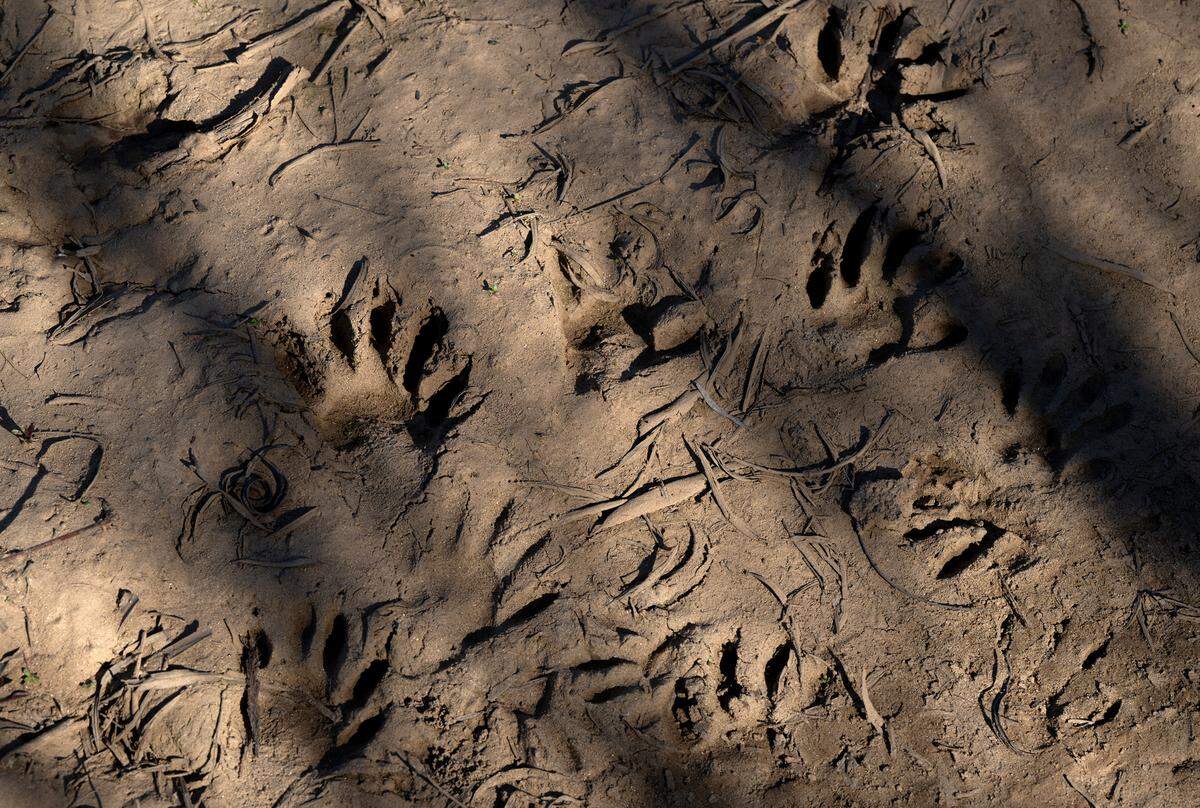
Refuge managers have low-tech ways to monitor their wildlife. They can follow an endangered mammal’s pawprints, for example, or listen for a certain bird’s call.
High-tech is lending a hand in and near the new Dos Rios Ranch State Park southwest of Modesto. A team has been sampling the soil’s DNA and other traits to see just how diverse this former farmland has become.
River Partners is doing the work with other nonprofit and government entities at 22 sites in the San Joaquin Valley. It is funded by a $40 million grant from the California Wildlife Conservation Board in 2022. It also will create new riverside preserves as far south as Kern County.
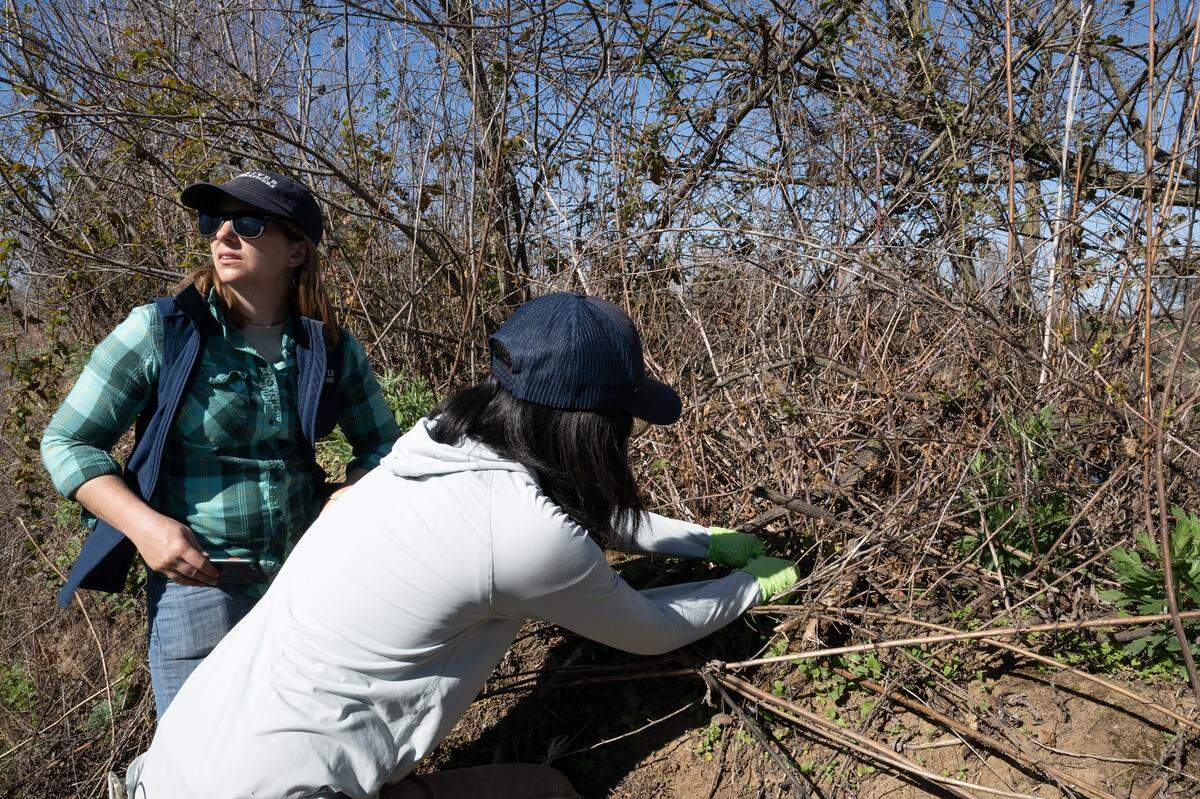
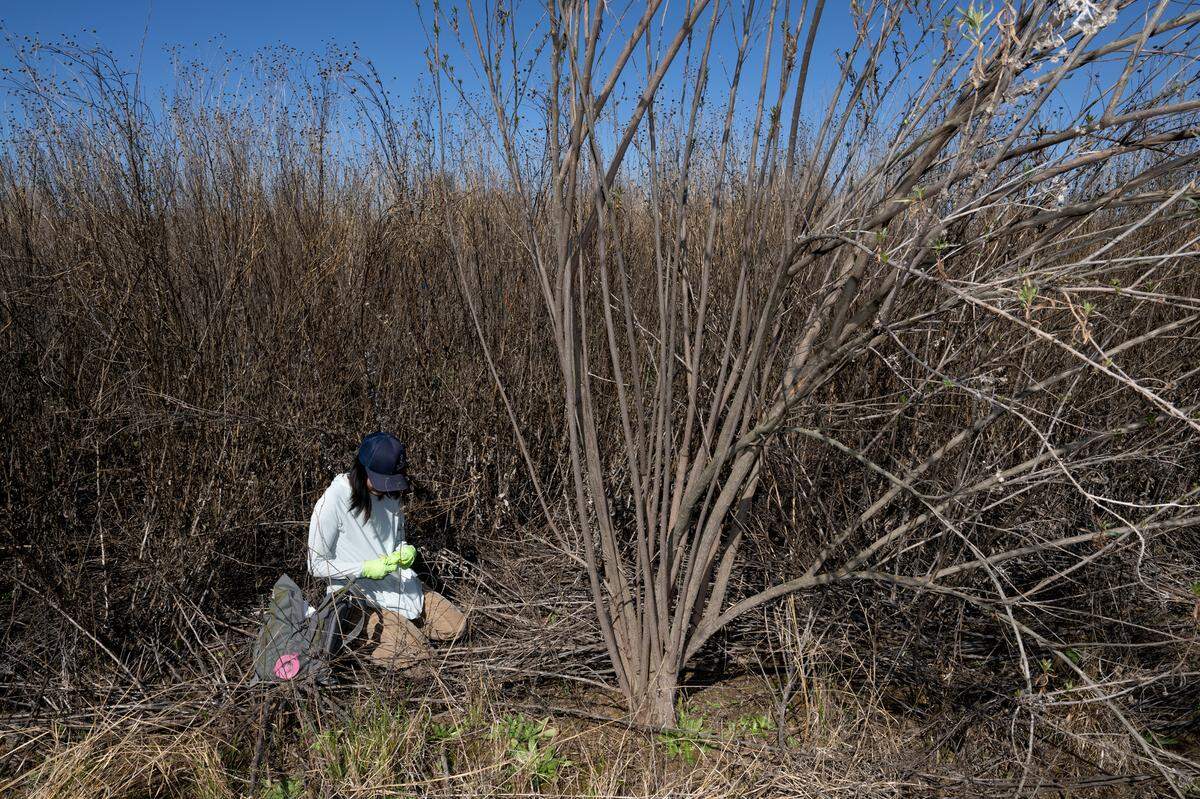
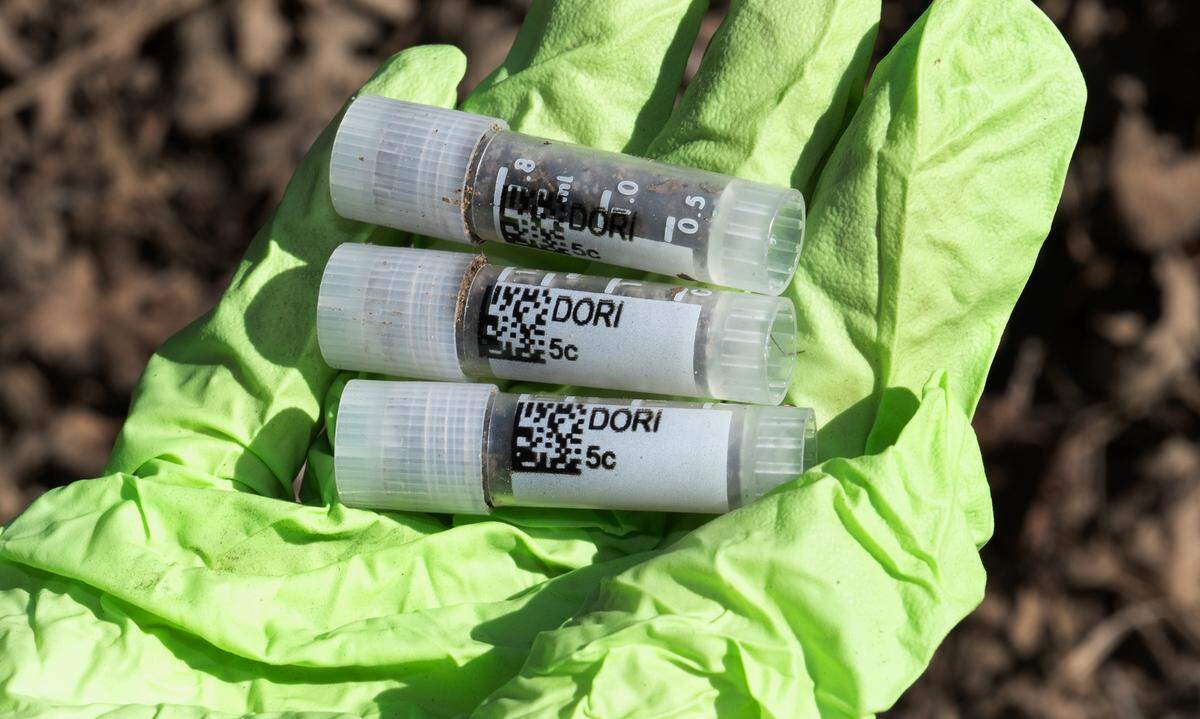
The Modesto Bee watched Wednesday, Feb. 25, as two restoration scientists with River Partners took a sample. Leah Young-Chung kneeled on the ground, pushed aside the leaf litter and scooped dirt into a small test tube. Haley Mirts stood by and explained the purpose.
“You’re able to get little collections of DNA from organisms that have either passed by or that are living in that soil,” Mirts said. She and Young-Chung work out of the Modesto branch office of Chico-based River Partners.
The six test sites in Stanislaus County include land that has been recently farmed and others at various stages of restoration. A total of 1,200 tests will be done at 22 sites in the Valley, half in winter and half in summer.
It will take a few months to get results through an outfit called Cal eDNA, part of the University of California. The “e” stands for “environmental.” DNA is the complex chain of molecules that dictates how each species develops.
Who are the other partners in the cause?
The effort also involves Point Blue Conservation Science, which does soil testing not involving DNA, and the California Department of Parks and Recreation.
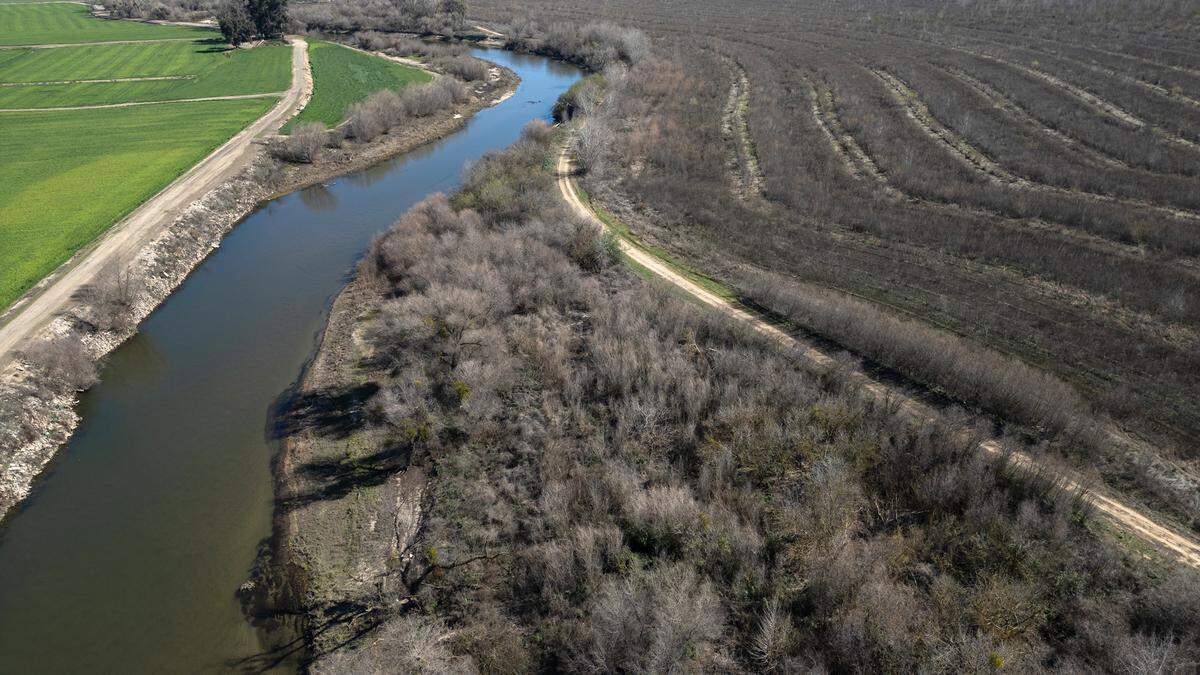
Dos Rios takes in 1,600 acres where the Tuolumne and San Joaquin rivers meet. It was restored over about a decade starting in 2012 to mimic the vast riverside forests of old. These floodplains ease the threat to Grayson and downstream homes while recharging groundwater for use in dry times.
The other DNA testing sites in Stanislaus County:
- Hidden Valley Dairy, just south of Dos Rios, where restoration began last year on 380 acres of one-time feed crops
- Island Dairy, another 487 acres just west of Hidden Valley, also about to get native vegetation
- The Hagemann Tract, restored about a decade ago as part of the San Joaquin River National Wildlife Refuge
- The Vierra Tract, added to the refuge about the same time
- Ott Farms, which continues to grow several crops next to the state park entrance on Shiloh Road. It offers pick-your-own blueberries and cherries each spring.
How has farming affected soil health?
Agriculture has fed people in the county and well beyond since the 1850s. But this soil is not so rich anymore in the traits that support microbes, insects and other life. Tractors can compact it. Pesticides can poison more than the targeted bugs. Synthetic fertilizers provide nutrients that had come from decaying plants, carcasses and manure.
River Partners took on Dos Rios with help from the Tuolumne River Trust and several government funders. Crews planted fast-growing native trees including cottonwood and willow, along with shrubs and grasses.
The place now sustains more than 80 bird species, including Arctic migrants, and mammals including the endangered riparian brush rabbit. Young salmon eat flies that fall from riverside trees to prepare for a few years at sea.
Some of the Dos Rios trees already have toppled due to wind or the occasional beaver. As they decompose, they feed various creatures and provide nutrients for new plants. Worms and other burrowers create pores for water and air flow.
How does a soil scientist operate?
Lisa Eash is a soil scientist for Point Blue, which began as the Point Reyes Bird Observatory in Marin County. It now works as far away as Antarctica on behalf of other animals, too.
Eash was not doing DNA testing herself on that Wednesday afternoon, but she had other tools for assessing soil health. She took a core sample 12 inches deep, to be analyzed offsite for chemical traits. She checked right there to see if soil is porous enough. This involves pouring water from a plastic pitcher and counting the seconds as it drains.
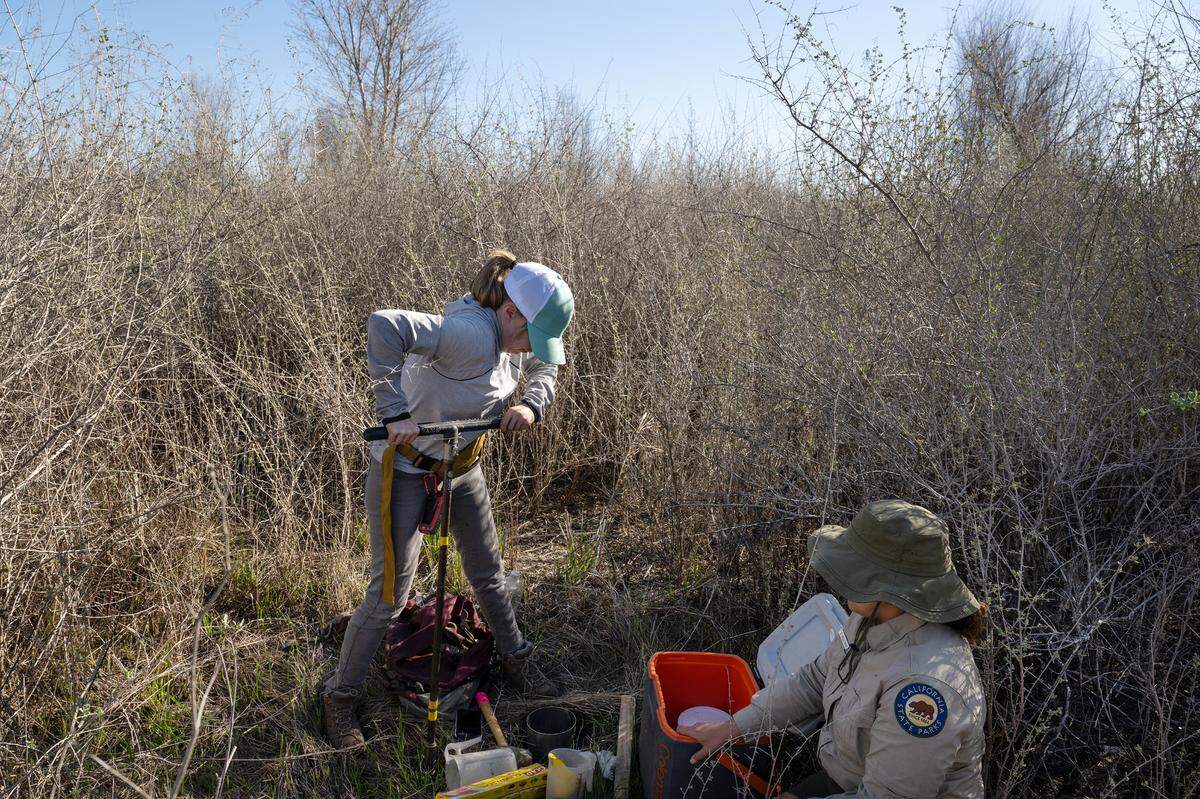
“We want to look at how long it takes something like a converted ag field to catch up with the soil health that we can observe in a property like this that has a lot of great restoration and clearly a lot of wild growth and habitat,” Eash said.
She was aided that day by Chrissy Sullivan, an environmental services intern at the state park. The public could not see them because Dos Rios is open only from Fridays to Sundays for now.
Park Manager Paige Haller said by email that the staff is “thrilled” to be part of the testing.
“Parks and natural spaces serve multiple critical roles in a thriving California that benefits people, ecosystems and local economies,” she said. “Showcasing what wildlife make their homes at Dos Rios will encourage more people in the community to visit the park and experience the amazing critters that live here.”
This story was originally published March 4, 2025 at 6:00 AM.