Beavers in Modesto? Sightings aren’t unusual, but you have to know where, when to look
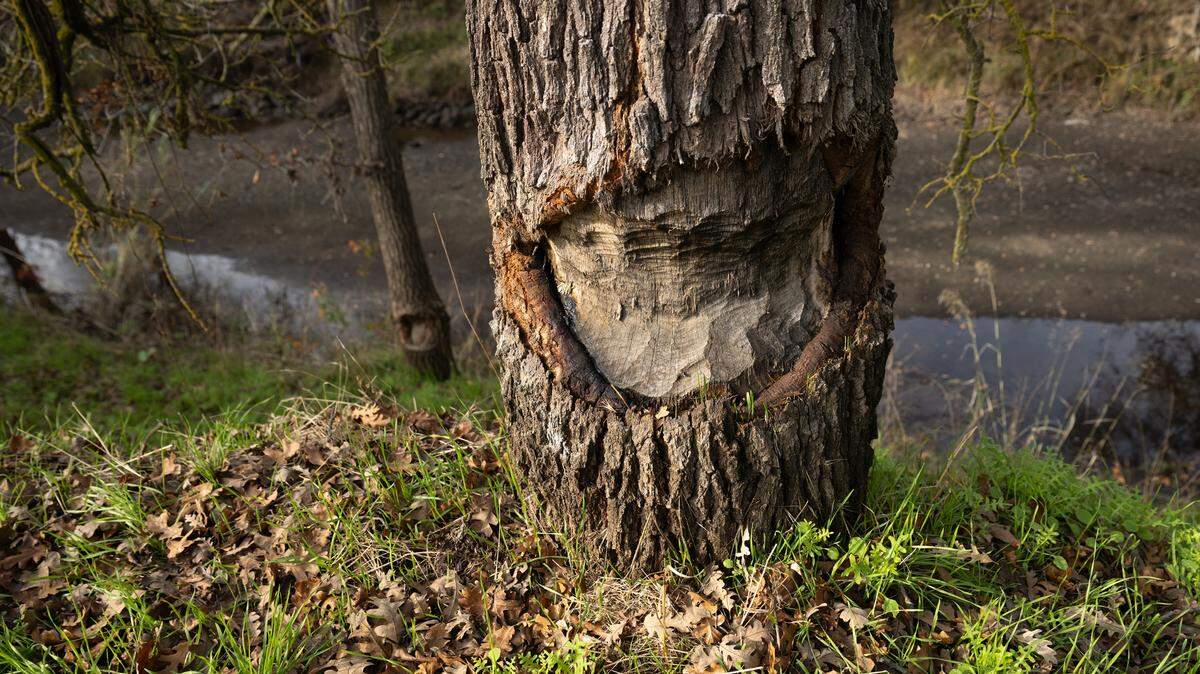
Residents may not be used to seeing beavers in Modesto, but it turns out there is a long history of them in and around the area’s rivers and creeks.
Jim Inman, wildlife biologist for FishBio based in Oakdale, said he sees beavers in Modesto fairly regularly, even in Dry Creek.
“I’ve seen them downstream in the Grayson and Shiloh area and as upstream as La Grange,” he said.
On Modesto’s SubReddit, a user posted a month ago about seeing a beaver in Dry Creek on the east side of El Vista Avenue near the trail loop. The person wondered if that was unusual.
Molly Alves, Beaver Restoration Program supervisor for the California Department of Fish and Wildlife said this definitely is a part of the state where beavers are historically native.
“They’re making a big recovery, particularly in human-dominated areas right now,” she said.
When spying what looks like a beaver, check for the distinctive paddle-like tail, to rule out muskrats or invasive nutria, which should be reported to Fish and Wildlife.
The reason beavers are not seen more often in Modesto may come down to time of day. Beavers are busiest at night, so the best chance to spot one is early in the morning or near dusk.
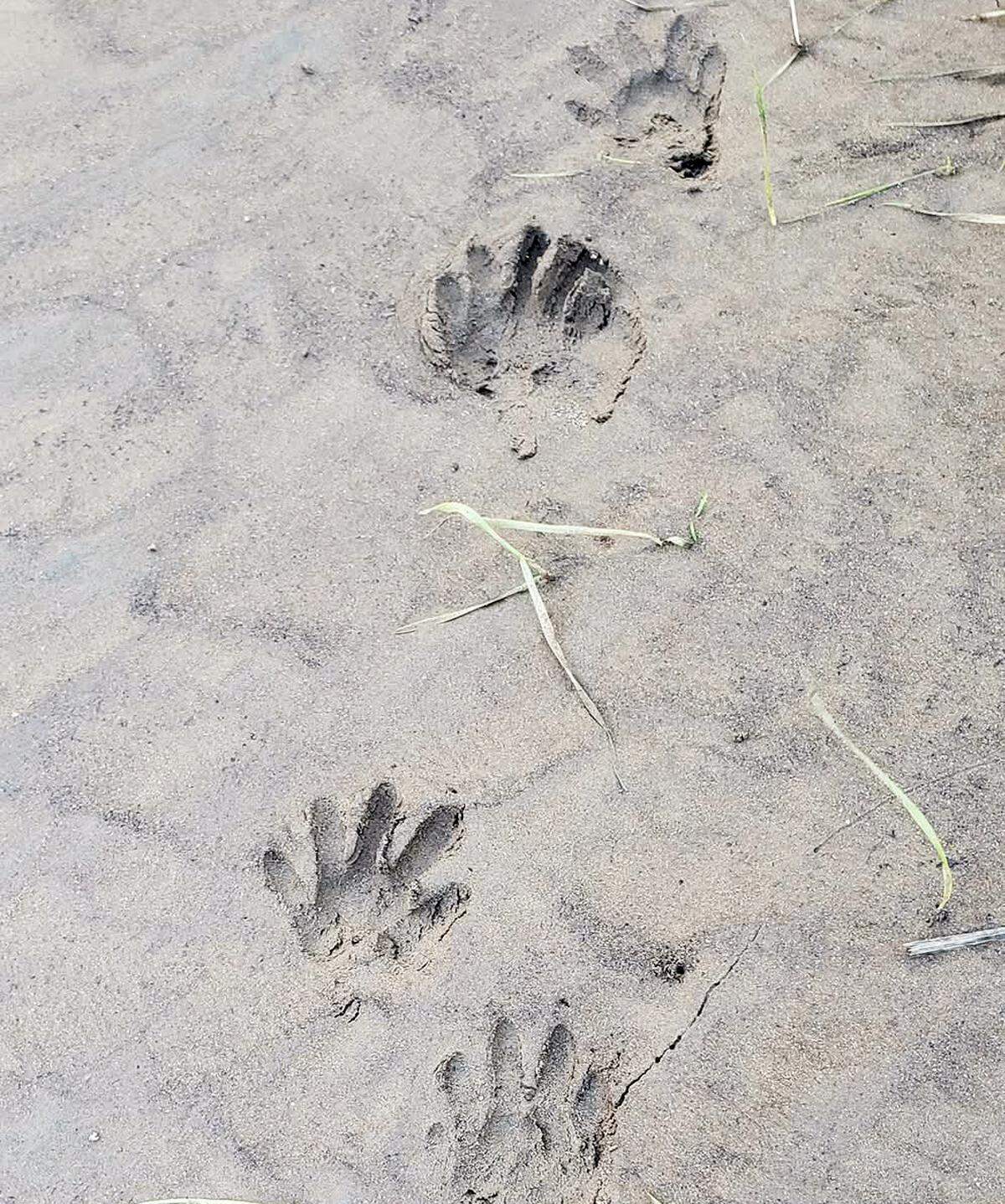
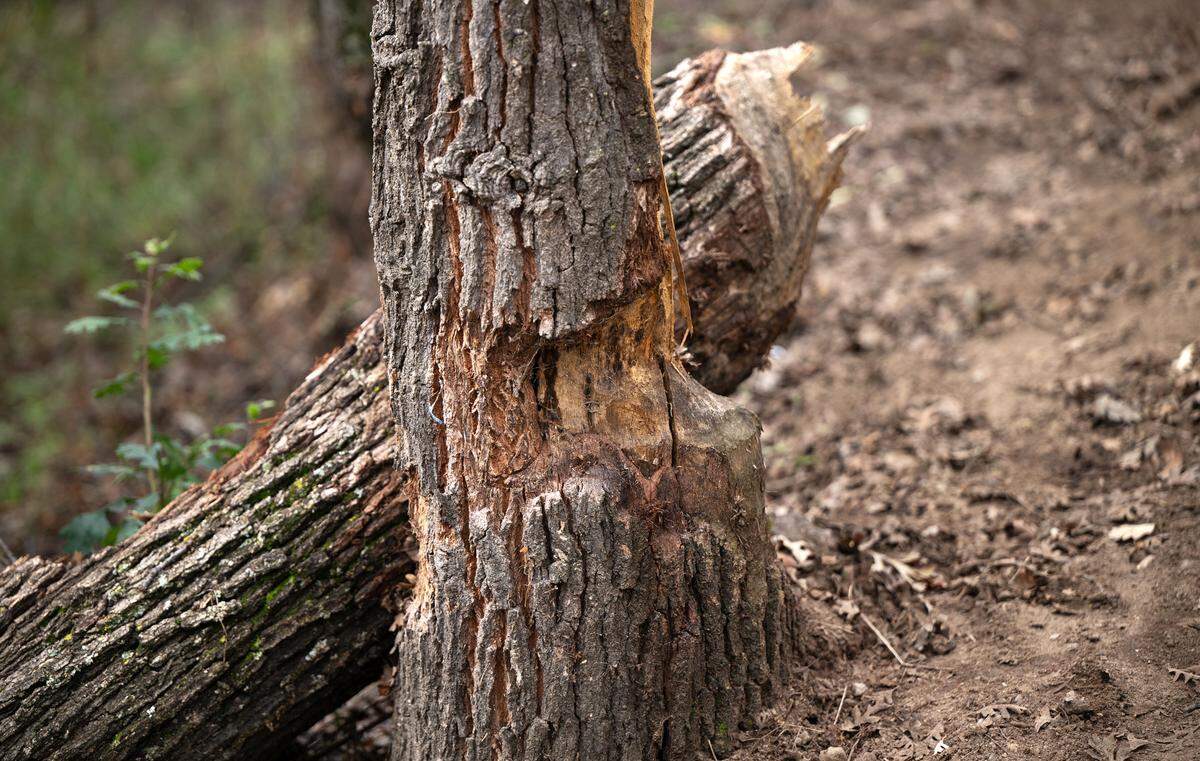
The fastest route to find evidence of Modesto’s beaver population may be to look out for the workings of their famous orange teeth.
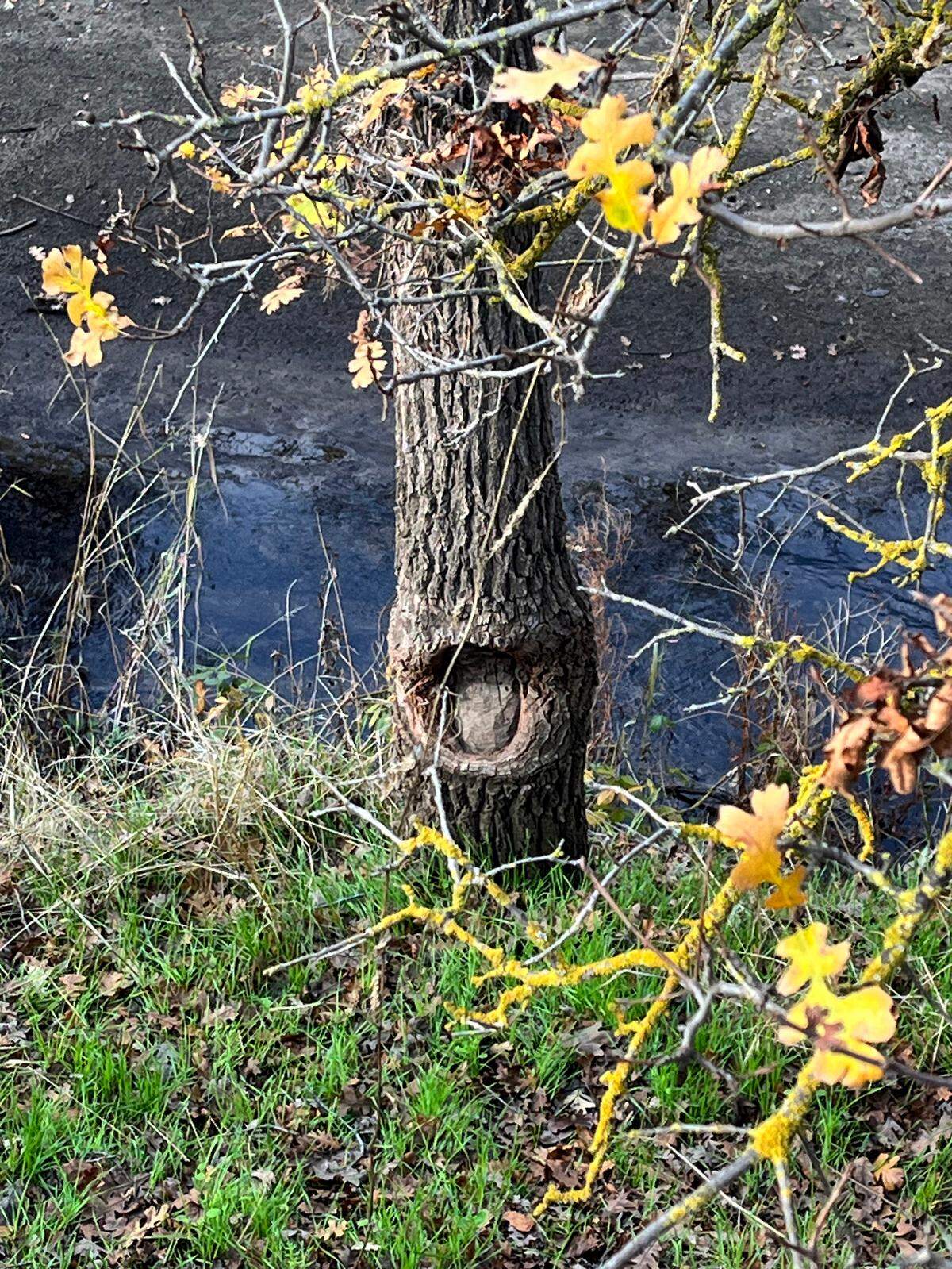
Last year, Michael Hart, a fourth-generation Modestan who volunteers for Fish and Wildlife, noticed chewed oak trees along Dry Creek, which alerted him to the presence of beavers. Beavers generally go for softer woods like willows or poplars, but they can and will chew through hardwoods as well, he said.
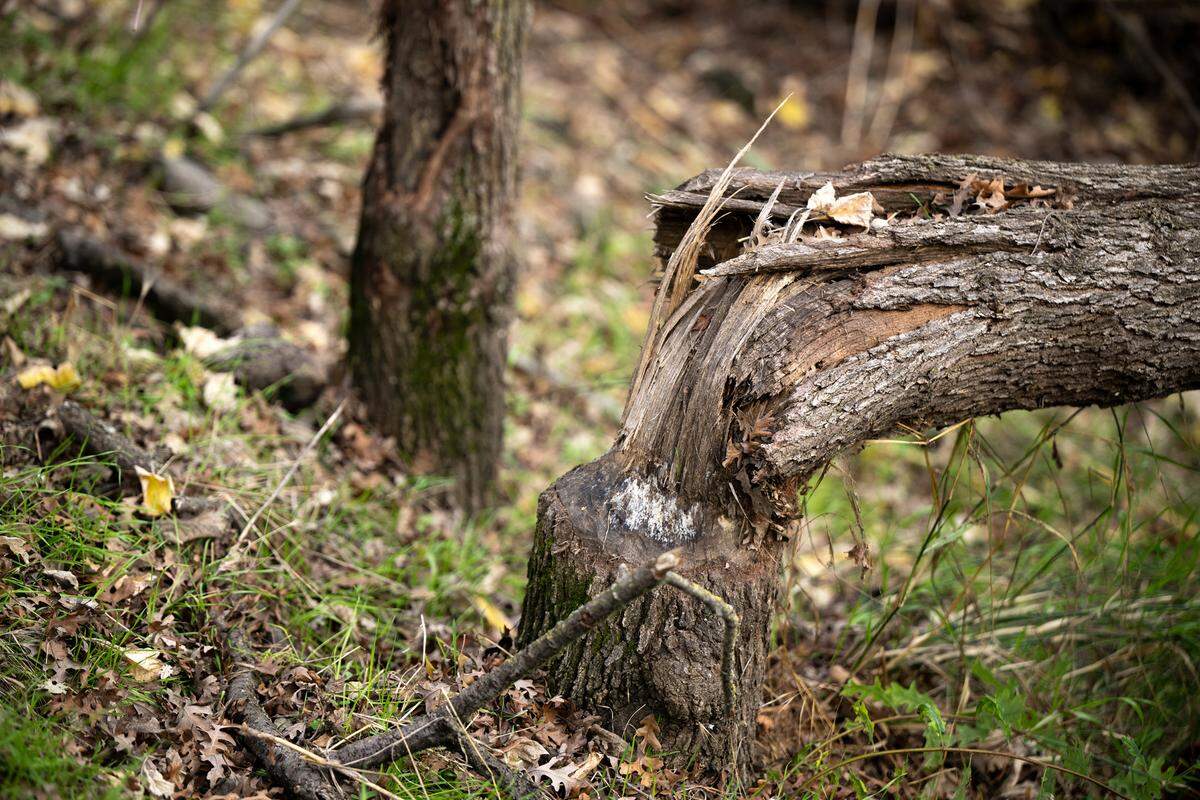
A geology professor at Modesto Junior College, Garry Hayes, was surprised a few years back to see felled and gnawed-on trees along the Tuolumne River Bike Trail.
“I had to go look at the books to find out what the history of the beaver was,” Hayes said. “There were a couple of trees that were cut down, and others cut most of the way through.”
History of beaver in Stanislaus County and Modesto
Before the Gold Rush, there was the so-called “fur rush,” a major contributor to the colonization of California, said Kate Lundquist, director of the WATER Institute at Occidental Arts & Ecology Center. Beaver fur was used to make high-quality felt for hats.
By 1911, the fur trade reduced the count of beavers in the state to around 1,000 according to Lundquist. Of the thinned population, most that remained were in the Central Valley, including in and around Modesto.
“They were pretty much completely extinct across most of their range because of the pelt business,” Hayes said.
In 1938, the California Highway Patrol, working with Fish and Wildlife, relocated seven “golden beavers” into Stanislaus County. The area of Stanislaus River near Oakdale was seen as a great place to “plant” beavers, not only because they would cause “little or no inconvenience” but also because of the value of their fur.
In the mid-1940s, Stanislaus County beavers were trapped and moved all over California, generally to higher elevation where their fur could fetch a higher price. Some beavers were even parachuted into other areas of the state to make relocation faster and cheaper.
The benefits of beavers
Beavers are known to be beneficial for drought resistance, wildfire resistance and for increasing biodiversity in areas they inhabit.
“Beavers are what are known as a ‘keystone species,’ meaning the work they do to take care of themselves disproportionately benefits the species around them, including humans,” Lundquist said.
The wood structures that beavers make in rivers are important to salmon because they create places for small, young fish to hide from predators.
“They’re good for native fish,” FishBio’s Inman said. “They don’t have any negative impacts on fish.”
Droughts are also less likely in areas where there are beavers. “They can make areas more drought resilient because their dams hold water in the area longer and keep it wetter later into the season,” Lundquist said.
That same moisture helps prevent wildfires. “These wetted areas don’t burn,” she said.
After beavers have populated an area, she said, keen observers may see more rare species of wildlife. “It’s a huge opportunity to get to know all of your other wetland species, which could be really fun,” she said.
Risks and challenges of beaver in populated areas
Alves, the Beaver Restoration Program supervisor, said there have been problems with beavers felling fruit or ornamental trees, and they are attracted to human infrastructure, for example “culverts” or tunnels that allow water drainage under roads.
“Culverts are the biggest thing. Basically, a beaver sees a culvert and it sees a dam with a tiny hole in it, and those are easy to plug, particularly when the culverts are undersized,” she said.
Hart, the Fish and Wildlife volunteer, said beavers have been known to plug up canals and flood out farmers’ lands.
“Beavers are controversial because to an environmentalist and nature person, they’re a keystone species that creates an ecosystem,” he said. “But where man land-manages the rivers and waterways and agriculture, they are a nuisance species.”
Hart fished a large, dead beaver from under the footbridge at Kewin Park last year. “They do get poached,” he said. “So the one I picked out might very well have been shot.”
For the first time in 75 years, beavers are being relocated to other areas of the state, but it’s in small numbers for restoration of historic beaver populations like at the Tule River Indian Reservation, and only as a last resort.
There are several ways to reduce the negative impact of beavers in areas that are more populated. Lundquist said her team is creating a beaver help desk to inform and provide resources on how to coexist with beavers.
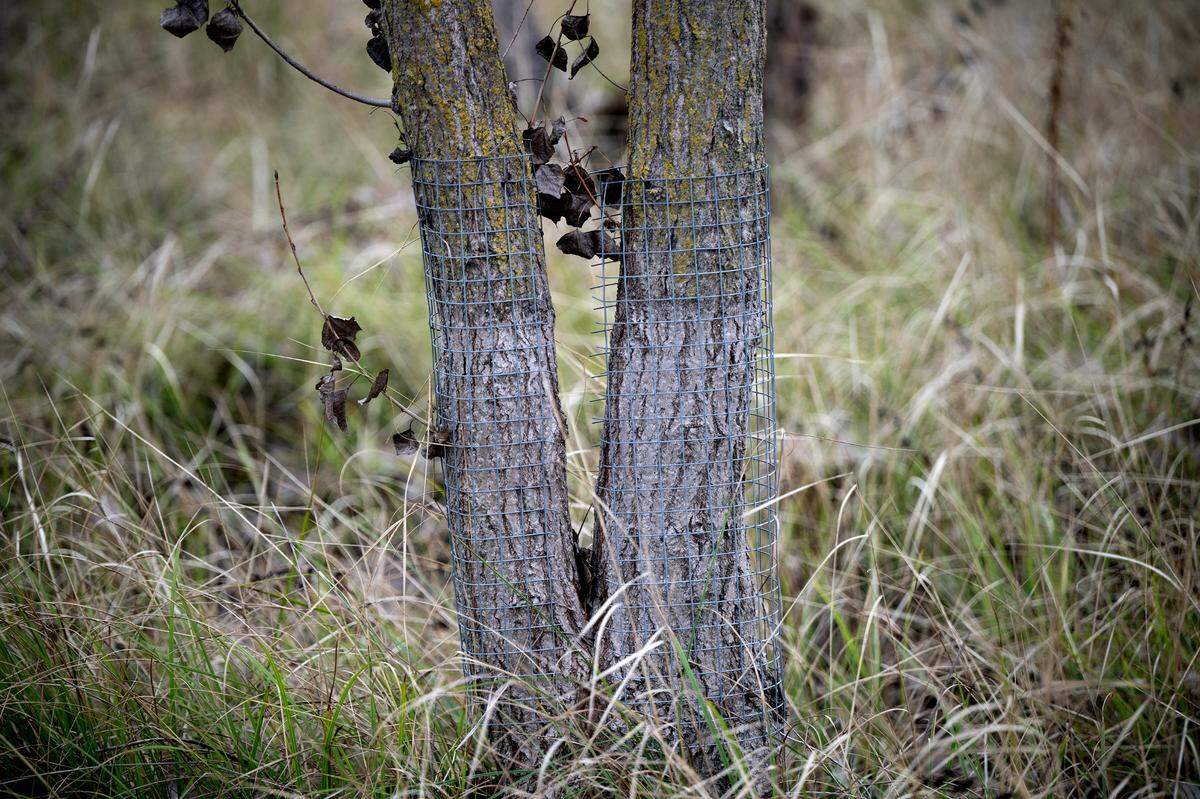
Wraps have been placed around some cottonwood trees in Tuolumne River Regional Park’s Gateway parcel that prevents beavers from chewing on them as they grow.
There are also pond levelers landowners can get that let them control the water level in their waterways. They work by encouraging a beaver to dam them without actually impacting the water flow, Alves said they call them “beaver deceivers.”
“Exhausting all other coexistence techniques is within everyone’s best interest, even if it might seem frustrating or challenging, it could pay off a great deal,” Lundquist said.
Modesto’s wildlife in public parks
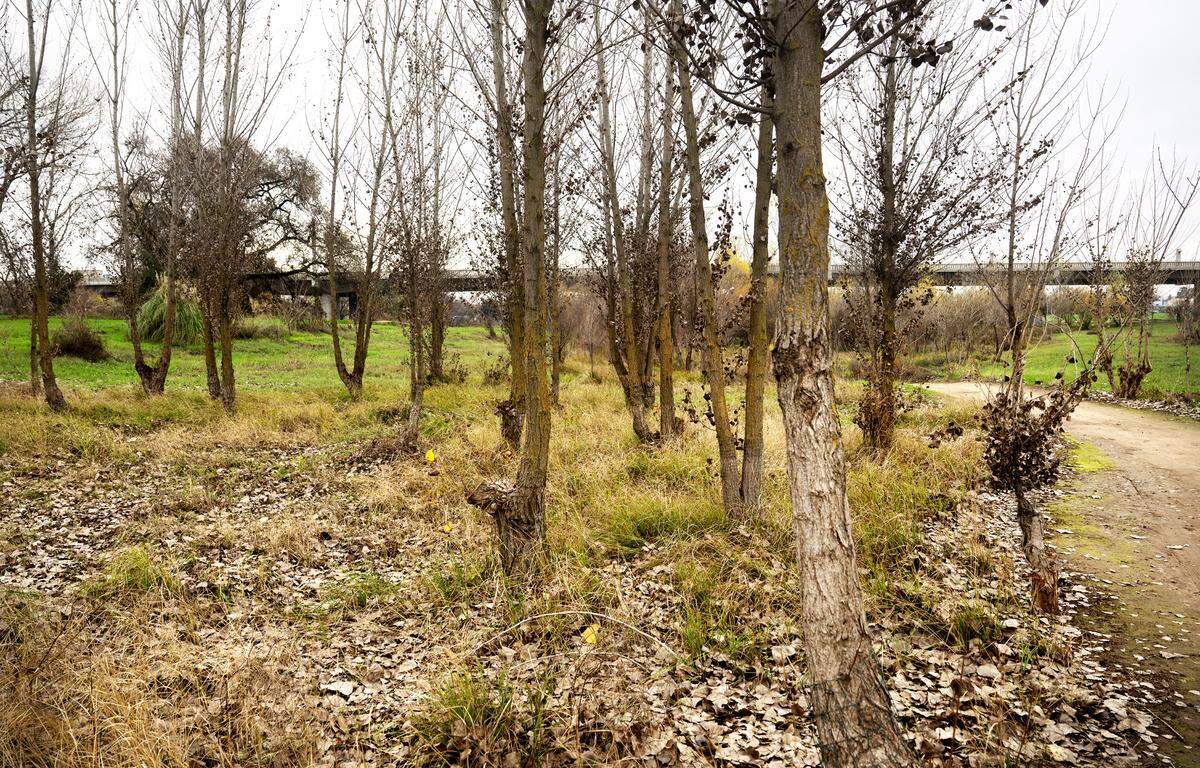
Hart said the increase in wildlife sightings like beavers, river otters and foxes are a sign of improved park conditions, which he attributes to the work of the city’s park rangers. He’s hoping to partner with other organizations, like River Partners, to help remove invasive plants and get the rivers and creeks at La Loma and Gateway parks to a healthier state.
Hayes said it’s thrilling to have a park along the Tuolumne River where kids can experience nature in their own neighborhoods.
“The most important thing to me is that the river is there. It’s a resource not enough of our local kids and people are really aware of,” he said. “That’s a wonderful stretch of river with a whole lot of all kinds of wildlife.”
This story was originally published December 27, 2024 at 7:46 AM.