This critter birthed 60 babies at Stanislaus Wildlife Care Center. See what shocked the staff
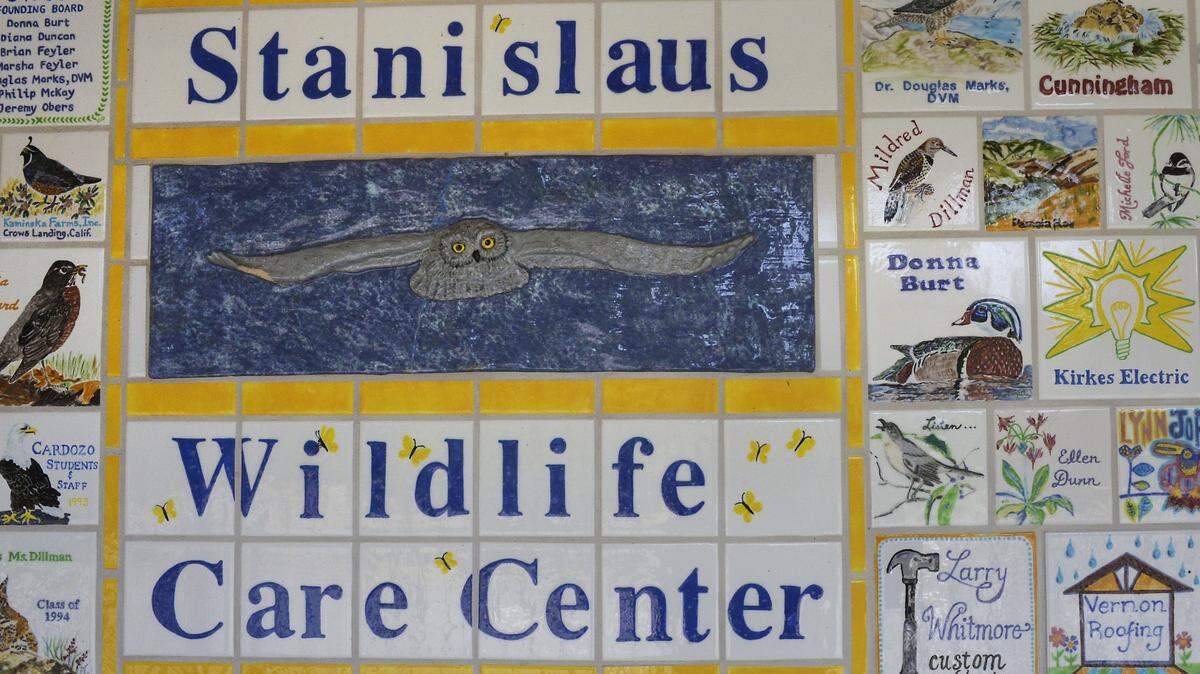
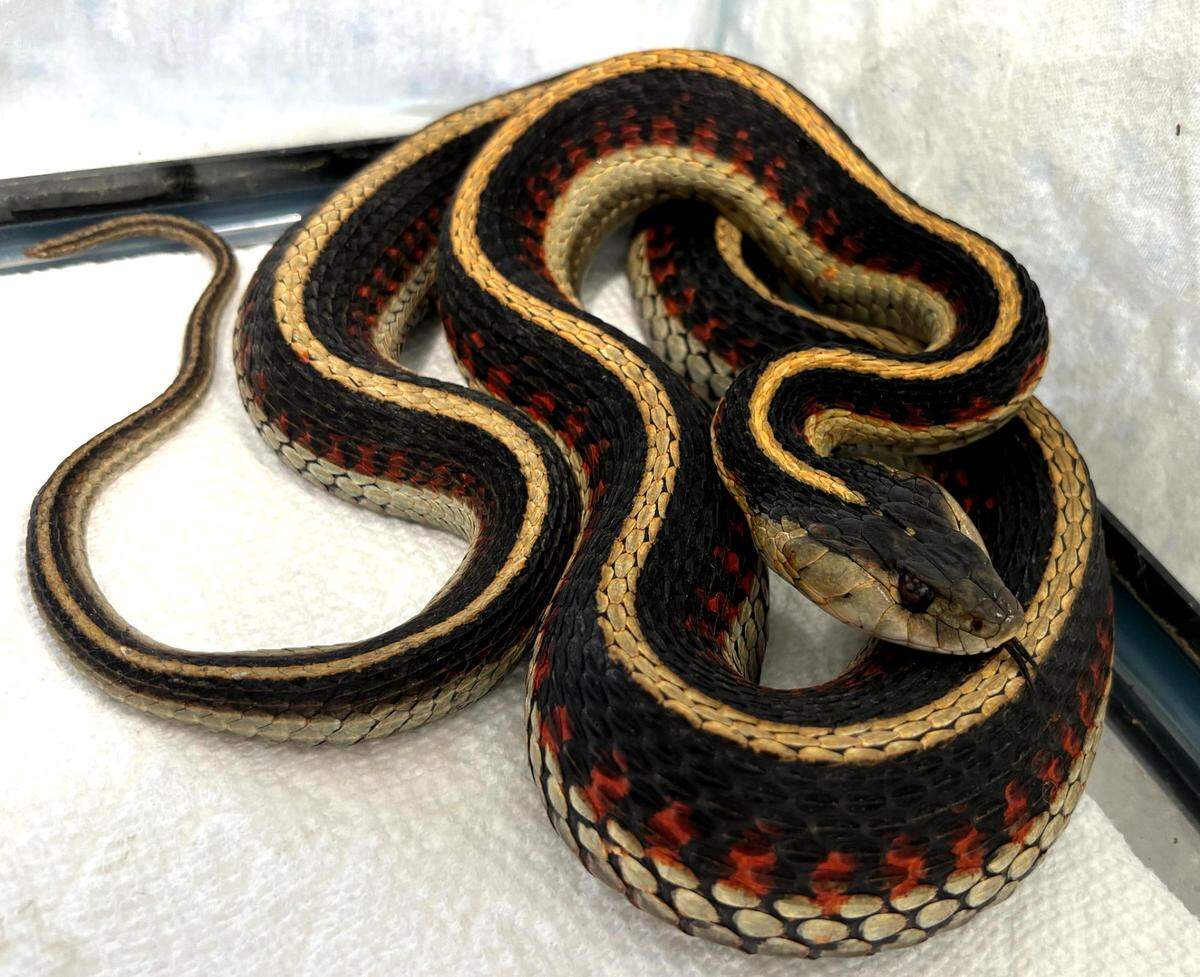
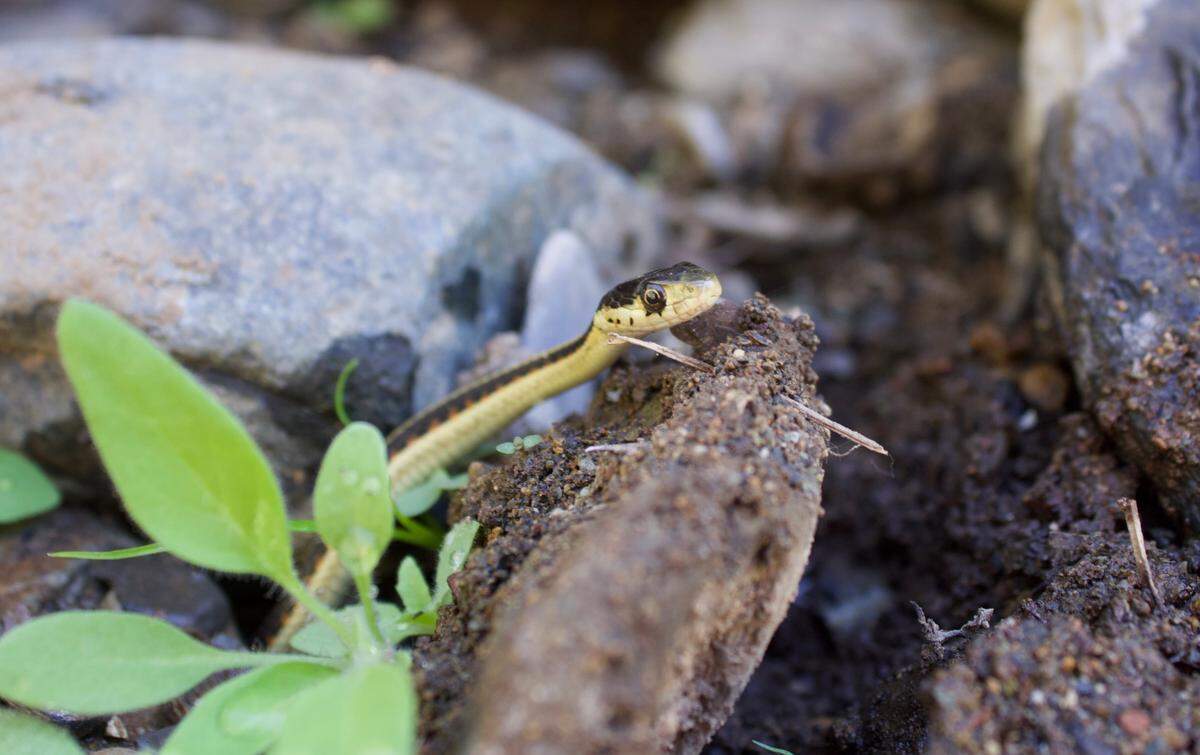
Sixty slithering siblings. A phrase to twist your tongue, and maybe your nerves. But to the dedicated employees of the Stanislaus Wildlife Care Center, it was a memorable moment when a California red-sided garter snake unexpectedly gave birth to a nest of 60 snakelets.
Center founder and Executive Director Donna Burt described receiving the snake on Friday, June 28. Someone had come upon it in the road, barely moving and seemingly flatter than normal.
“Snakes are usually very solid, but she was quite fat and squishy. We couldn’t find anything wrong with her, just not moving much, so we kept her overnight for observation,” Burt said.
“Steve Irwin is my hero, and I am kinda the snake person here,” said employee Michelle Mason. She arrived the next morning, excited to see the new patient not knowing she was in for a big surprise. As she approached the towel-covered tank, she saw a “bunch of little lines” moving like a jumble of shoelaces and exclaimed, “Are those babies?”
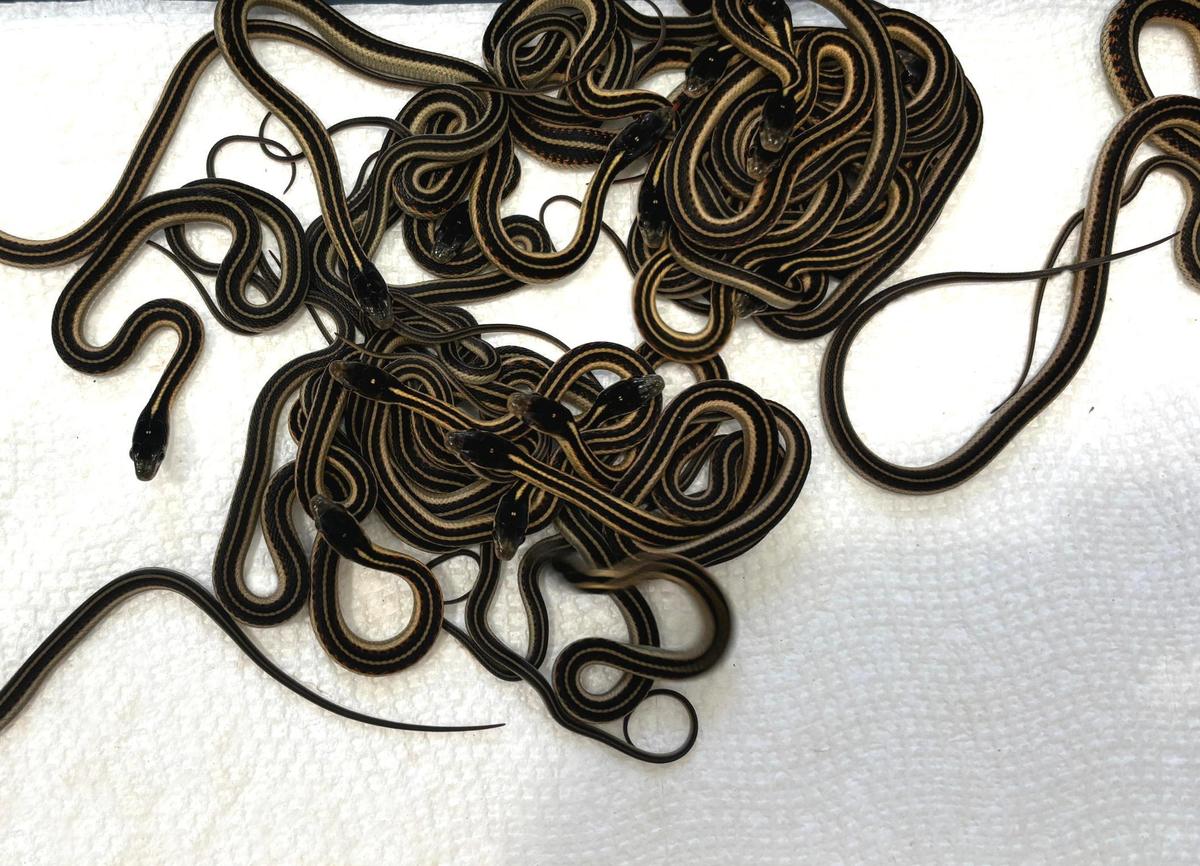
More staff appeared as they realized they were witnessing a truly rare event. According to the National Park Service, garter snakes typically give birth to between 15 and 40 snakelets. They also are one of the few types of snakes that have live births. Most snakes are oviparous, which means they lay eggs. But garter snakes are viviparous, meaning an embryo develops inside the mother, receives nutrients directly from her and is born live.
Mason, Burt and other employees gathered to watch her labor. In the end, seven snakes were stillborn and 53 survived.
“I never thought I would see that in my life,” employee Samantha DeKasha said. “It was amazing to see that many born at once.”
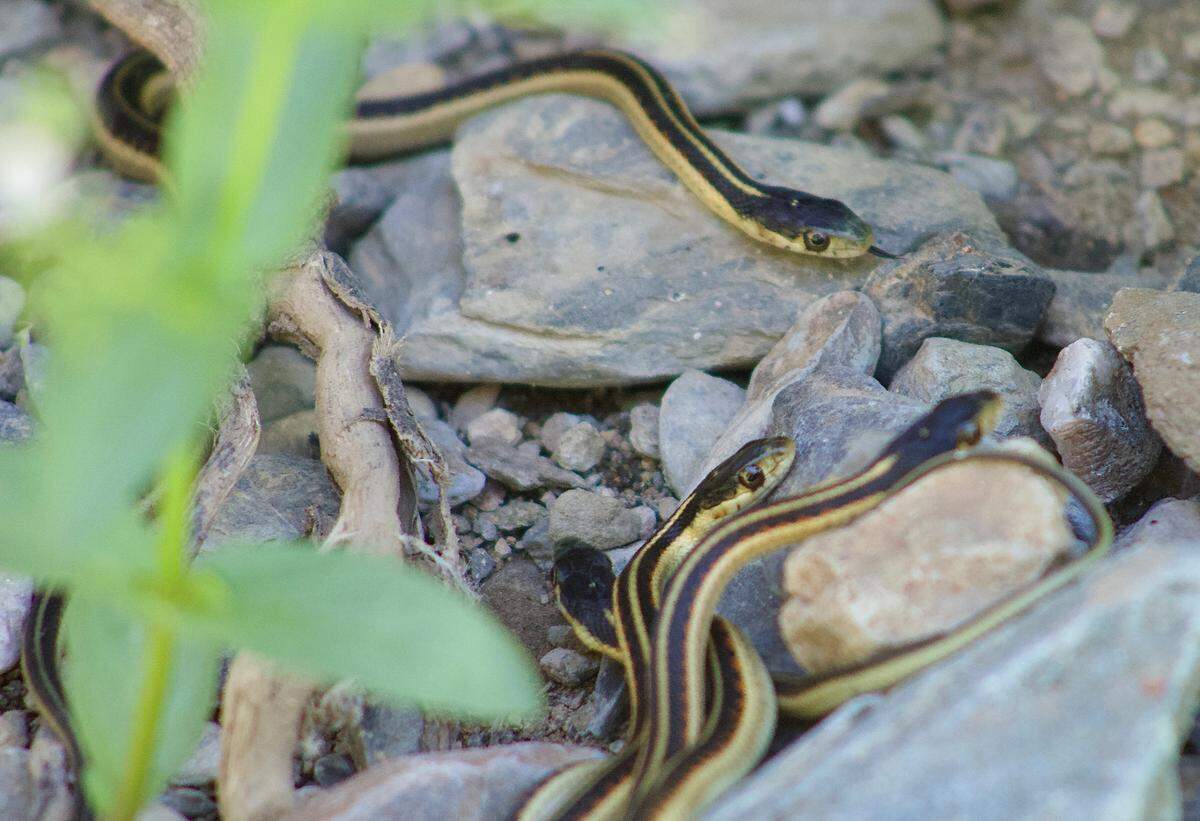
Live births are rarely seen, because garter snakes seek thick brush to hide from predators when they labor. Once snakes are born, they are immediately independent and slither off from their mother.
The next day, mama and her babies were released back into the wild. Burt said animals usually are released in designated areas, ideally within a few miles of where they were found.
They have never had any snakes give birth in the nearly 40 years since the Hughson center was founded, Burt said. “We had a snake lay eggs here before, but weren’t successful at hatching them.”
Snakes are also an infrequent intake at the center, as most people won’t approach one in the wild, injured or otherwise. In 2023, the center cared for 2,200 animals, the most common being birds.
What should people do if they come upon an injured snake? Call local animal control for assistance, Burt said, or call the Wildlife Care Center for information. Do not touch the snake without properly identifying it first in case it is venomous.
The Stanislaus Wildlife Care Center can be reached at 209-883-9414 or by email at SWCCenter@stanislauswildlife.org. Burt said the center is always in need of donations and volunteers to sustain its invaluable work.
For more information, visit Stanislauswildlife.org.