Do stray cats roam your Stanislaus neighborhood? Here’s where to find humane solutions
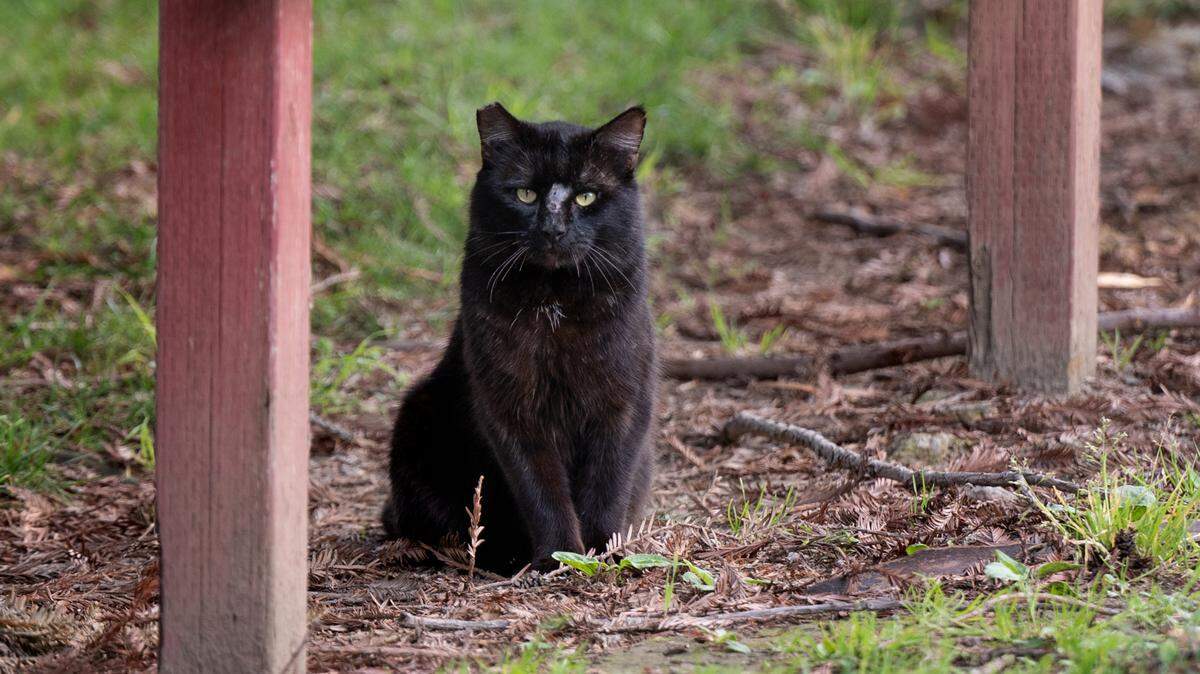
As the weather heats up, so does feral and stray cat season. Though they can have litters at any time of the year, feral/stray cats do not usually breed during winter months. But due to above-average temperatures, cats are beginning to mate as early as February and the season is lasting longer.
This brings concerns for residents across Stanislaus County. Cat advocates worry about caring for feral/stray cats and managing established cat colonies, while other people worry about how these cats affect their property, public spaces, household pets and wildlife populations.
What is the difference between stray and feral cats? According to the group Action Volunteers for Animals, “A stray cat is a domestic cat that strayed from home and became lost or was abandoned. Because a stray cat was once a companion animal, they usually can be re-socialized and placed in an adoptive home. A feral cat is a domestic cat that was lost or abandoned and has reverted to a wild state or a cat that was born to a stray or feral mother and had little or no human contact.”
It is estimated that feral/stray cats can kill 1 to 4 billion birds a year in North America. While there’s no ideal solution, cities across the county tackle this issue in different ways.
In Riverbank, Jacob Myers Park has had a cat colony since 2010, managed by cat advocates. The community has expressed safety and health concerns about the number of cats in the park and asked the city to fix the problems, which include reports of cats defecating in and near the children’s play structures.
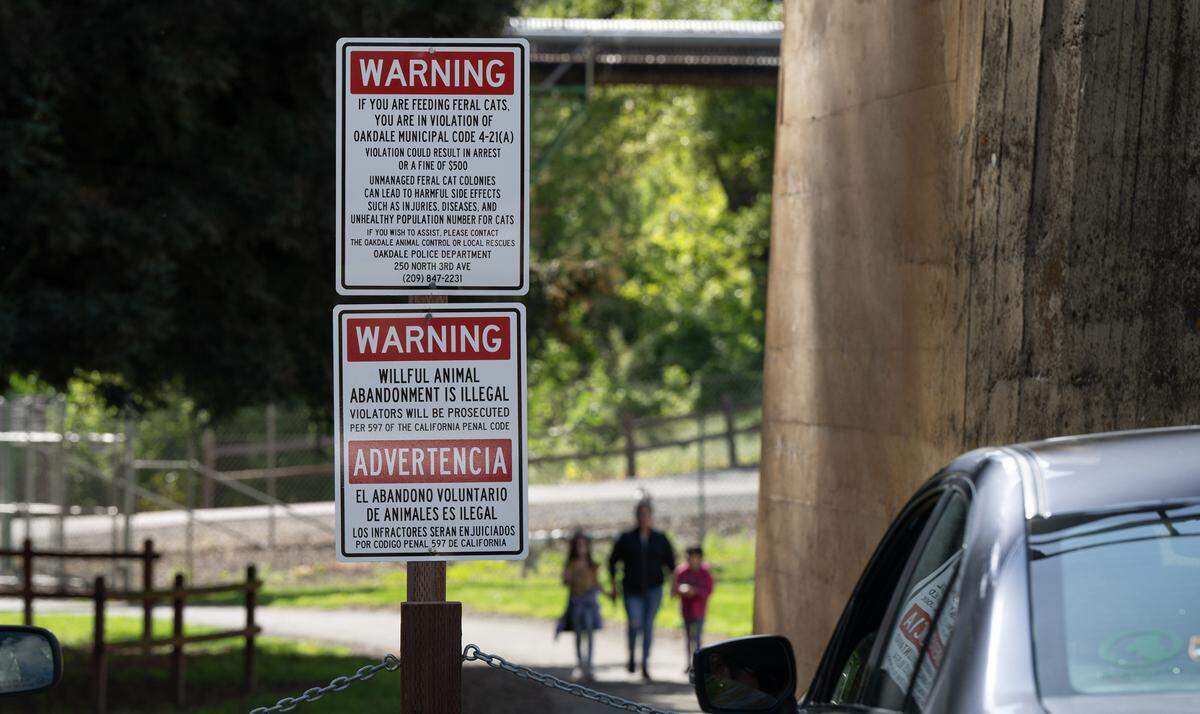
Riverbank created a program to better manage the cat colony, allowing registered volunteers to care for and feed the cats. The city is contracted with the Oakdale Department of Animal Control to manage the Cat Colony Permit Program.
Cat advocates like LeesaMaree Bleicher say the process doesn’t address the immediate needs of that cat colony. They worry about cats suffering with illness and even going hungry if they are not allowed to feed them at will.
There also have been concerns about the treatment of the cats and euthanization of the population. According to Oakdale Police Department Lt. Andrew Stever in an email sent to Bleicher, “Any cat found to be spay/neutered or seen to have an ear tip is returned to the area. If other cats from the area can be adopted, they are given to a local rescue named ASTRO.”
Stever said cats are euthanized only if they have disease, injury or are unable to be adopted per state guidelines. “We respectfully disagree with any assertion that we are committing mass euthanization of cats,” the lieutenant said.
Across Modesto, Ceres, Patterson, Hughson and Waterford, the Stanislaus Animal Services Agency’s solution is the Community Cat Program. The agency utilizes the well-established TNR (trap, neuter and return) system. Through it, cats can’t reproduce and aggressive behaviors are greatly reduced. The agency also administers vaccines to prevent public health concerns. Cats that have been spayed and neutered are easily identified by a clipped ear and returned to the area they were found.
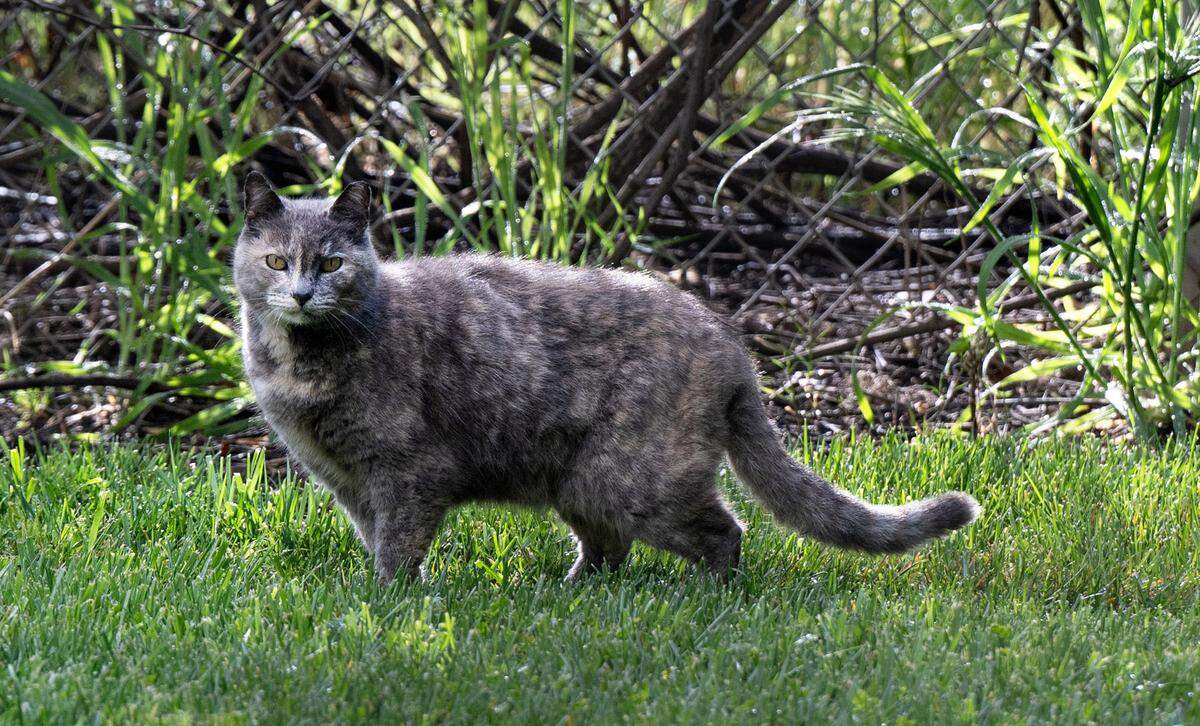
What can residents do about stray/feral cats in their area?
In Riverbank, Escalon and Oakdale, feeding and trapping feral/stray cats in public areas is illegal and can result in a $500 fine and even arrest for continued violations. The cities require residents to apply for their no-fee Cat Colony Permit Program. For more information, call the Oakdale Police Department at 209-847-2231.
In the cities of Modesto, Ceres, Patterson, Hughson and Waterford, residents may trap cats to get them spayed or neutered and vaccinated and returned to the colony. The county provides a humane trap rental program.
If there are cats coming around your property, the county also provides information on humane deterrents in the form of a sprinkler and an ultrasonic alarm that only cats can hear. For more information, call 209-501-3005 or email communitycats@stancounty.com. You can also visit www.stanislausanimalservices.com/community-cat.shtm.
In Turlock, the animal services department also practices TNR and assists residents with this process. Call 209-656-3140, ext. 4, for more information, or visit www.cityofturlock.org/animalservices/animalproblems/toomanyneighborhoodcats.
If you encounter a sick or injured cat, contact your local animal services or shelter.

This story was originally published April 2, 2024 at 6:00 AM.