Wildlife Care Center finds bird flu in geese from Turlock campus. Are humans at risk?
Three waterfowl infected with avian influenza have come through the Stanislaus Wildlife Care Center near Hughson.
The birds were euthanized as part of a statewide effort to contain the latest outbreak, Executive Director Donna Burt said.
Two of them were Canada geese found at California State University, Stanislaus. The Turlock campus has several lakes that attract waterfowl.
“Both geese were in convulsions, which is a sign of this disease,” Burt said.
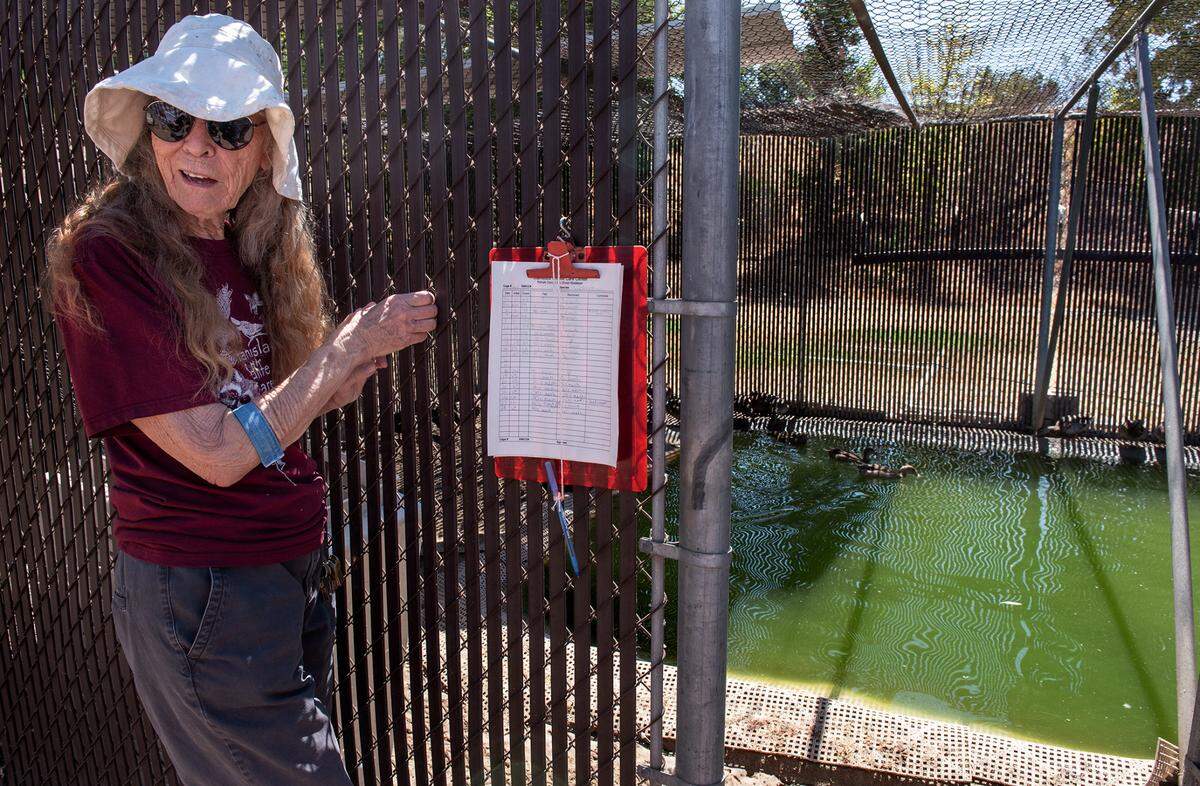
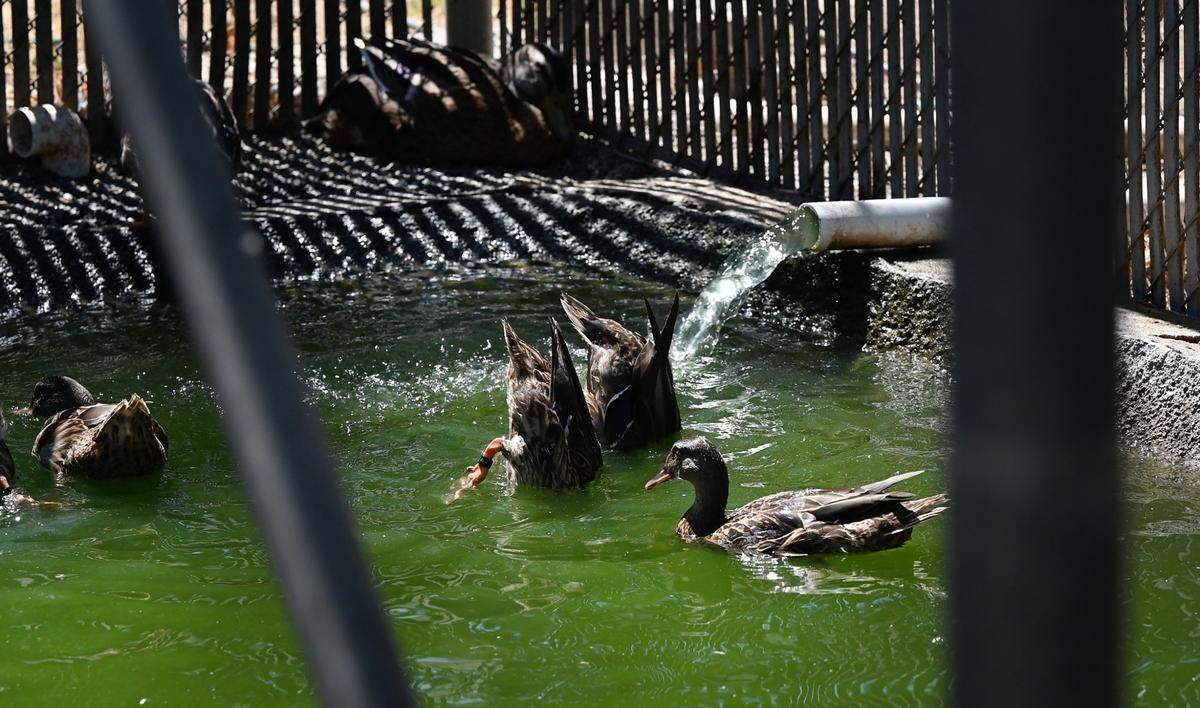
The other infection involved a Muscovy duck that was on hand before the center staff was aware of the outbreak, she said. The duck had lived in a small pond that continues to be used by close to 50 ducks and geese that were already there and are apparently healthy. A quarantine keeps other waterfowl from being placed in the pond or accepted from the public.
The nonprofit center learned of the infections in mid-August and is responding under the direction of the California Department of Fish and Wildlife. It continues to accept mammals, reptiles and non-waterfowl birds.
The Modesto Bee paid a Wednesday afternoon visit to the center, off Geer Road just south of the Tuolumne River.
Not much threat to humans
The avian flu virus rarely sickens humans, but it can wipe out large numbers of wild and domestic birds. Stanislaus County is a major producer of chickens, turkeys and chicken eggs, under long-standing safeguards against diseases. The West Side has expansive refuges that draw migratory birds.
The outbreak’s formal name is highly pathogenic avian influenza H5N1. It has infected about 40.6 million commercial chickens and turkeys nationwide, the federal Animal and Plant Health Inspection Service said. That’s about 5% of the total on farms at a given time. About 425,000 were in California, none in Stanislaus County.
The county has one other infected wild bird along with the three that came through the center. Details were not available on the species and location. A total of 34 wild birds have been tallied in California and 2,189 nationwide.
Oversight from Fish and Wildlife
The Stanislaus center accepts injured or abandoned wildlife from 10 a.m. to 3 p.m. seven days a week. Animals that are healthy enough are eventually released back into the wild.
Such centers operate under permits from state Fish and Wildlife. They can submit birds for flu testing at the agency’s Wildlife Health Lab or an independent site, said an email Thursday from Krysta Rogers, senior environmental scientist.
“We recommend that wildlife rehabilitation centers modify intake protocols to reduce the likelihood of admitting an infected bird,” she said. The steps include watching for flu symptoms in new arrivals, isolating them from other animals, and increased disinfection.
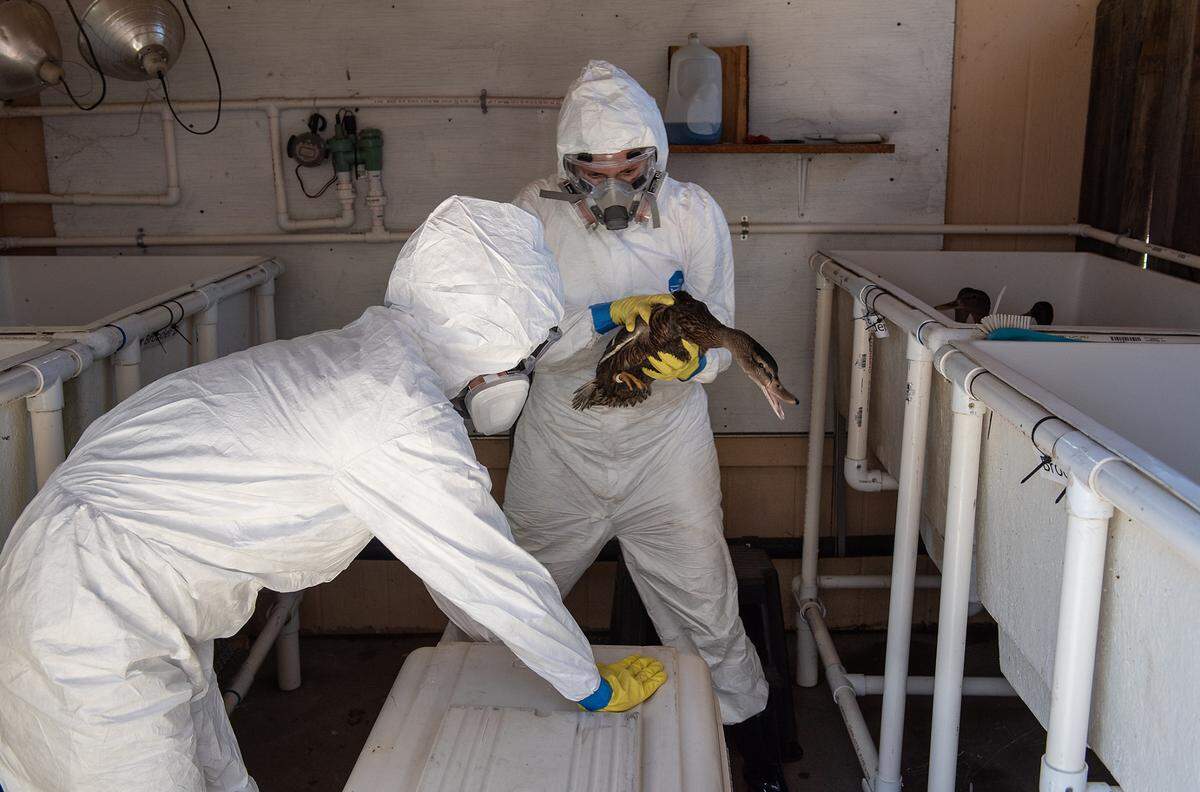
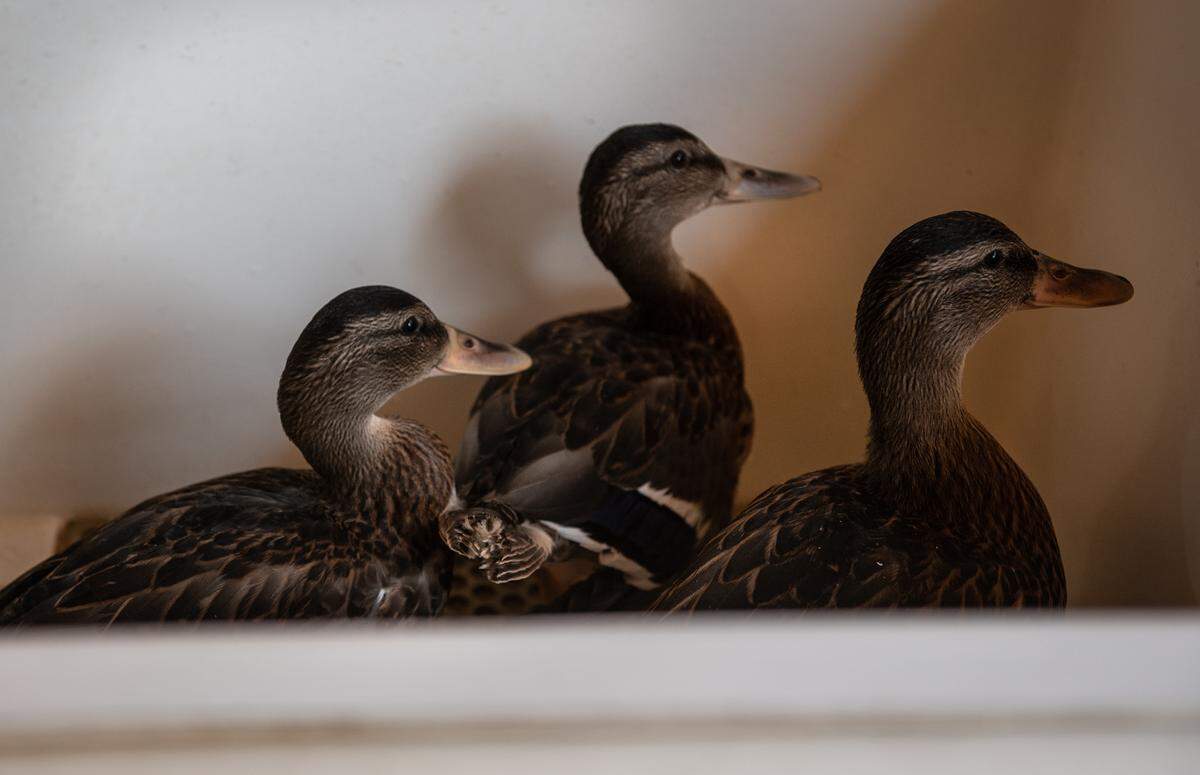
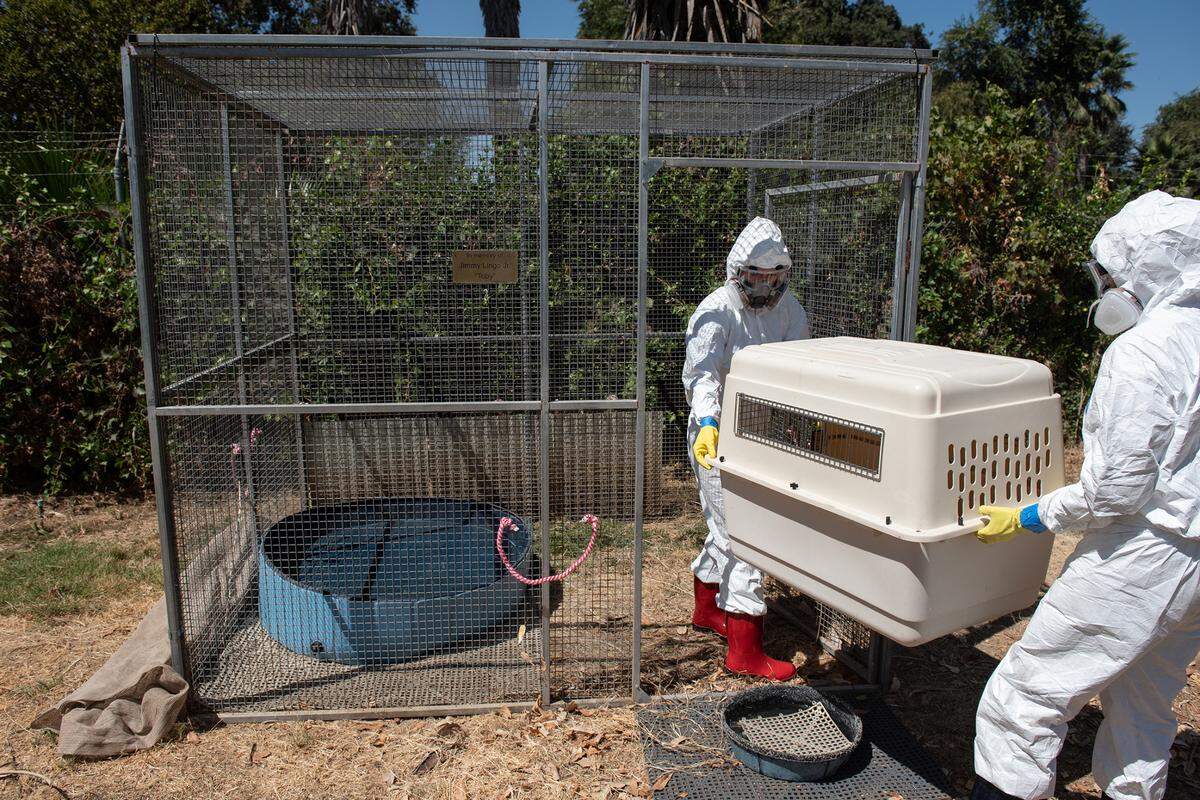
Center employees Veronica Sandow and Alyssa Washburn donned extra protective gear during The Bee’s visit, complete with face shields, coveralls, gloves and boots. They had to move about a dozen 2-month-old mallards from the brooder, an indoor space with temperature controls. They are now in a large outdoor cage with a tub of water to splash in. The tub is a temporary set-up while the main pond is under quarantine.
“We want to see them out in the wild again, but we don’t want them spreading disease,” said Sandow, animal care manager for the center. Washburn is an animal care coordinator.
The main pond is about 100 square feet. It was already fenced on the sides and top to keep predators out.
The center, founded in 1984, has long relied on donations and volunteers. It is back to holding fundraising events that had been paused by COVID-19, Burt said.
Stan State geese last made news in April, when some females hissed and flapped their wings at passersby. They were protecting their nests, not showing symptoms of disease, experts said.
Advice from county health officer
The poultry industry guards against bird flu by keeping its animals inside large, sealed buildings, except for the pasture-raised niche. Companies require employees to wear protective clothing and to avoid backyard fowl.
Human infection is rare, but it can happen after prolonged contact with live or dead birds, said a news release last month from Dr. Julie Vaishampayan, the county’s public health officer.
“To avoid infection from touching possibly contaminated surfaces, wash your hands frequently, keep your hands away from your eyes, nose and mouth, and get the flu shot when available to avoid opportunities for this virus to gain the ability to spread more easily in people,” she said.
Sick or dead birds can be reported to the California Department of Food and Agriculture hotline, 866-922-2473. Residents should try not to handle them. More information is at www.cdfa.ca.gov.

This story was originally published September 3, 2022 at 6:00 AM.