Modesto moving forward with safe parking. How many homeless people would it help?
Modesto expects it could launch by late summer its safe parking program to provide people who live in their cars with a place to sleep, along with services.
The program would run for an initial six months and provide spaces for 25 cars, pickup trucks, minivans and similar vehicles. Recreational vehicles would not be allowed. The program would cost $200,000, and the city would pay for it from the nearly $46 million is has received from the American Rescue Plan Act.
Modesto is exploring a partnership with Stanislaus County to help sustain the program after the six months, according to a presentation at Monday’s City Council Safety & Communities Committee meeting.
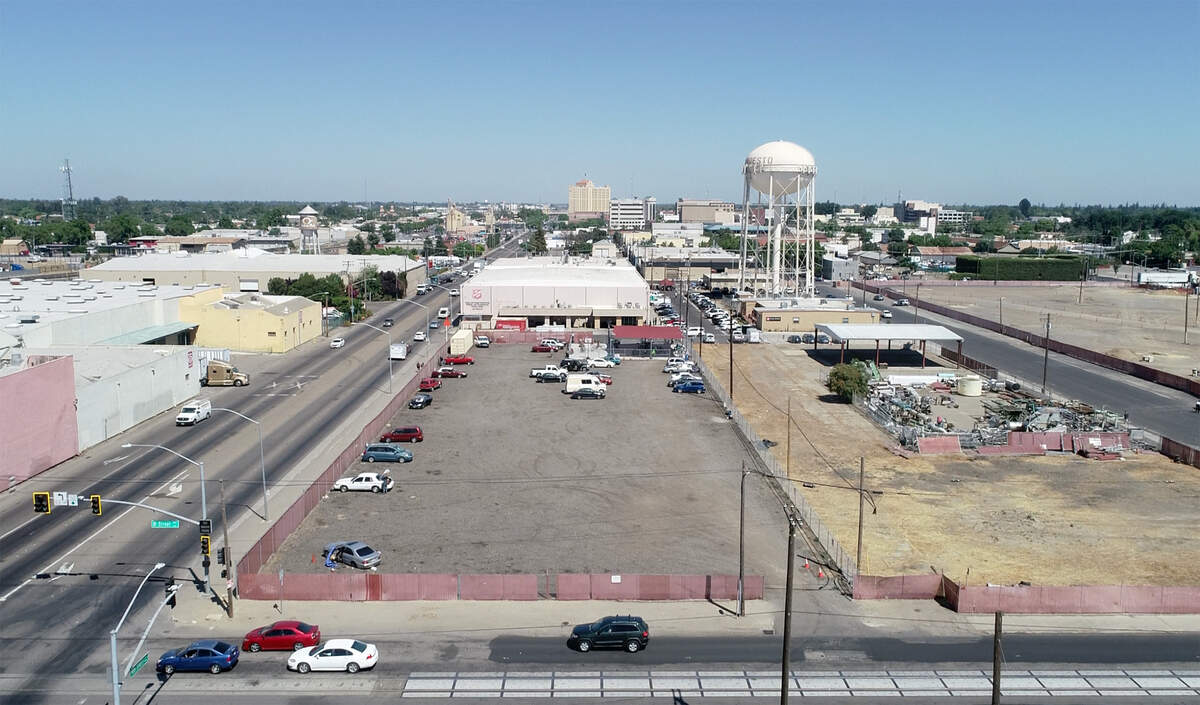
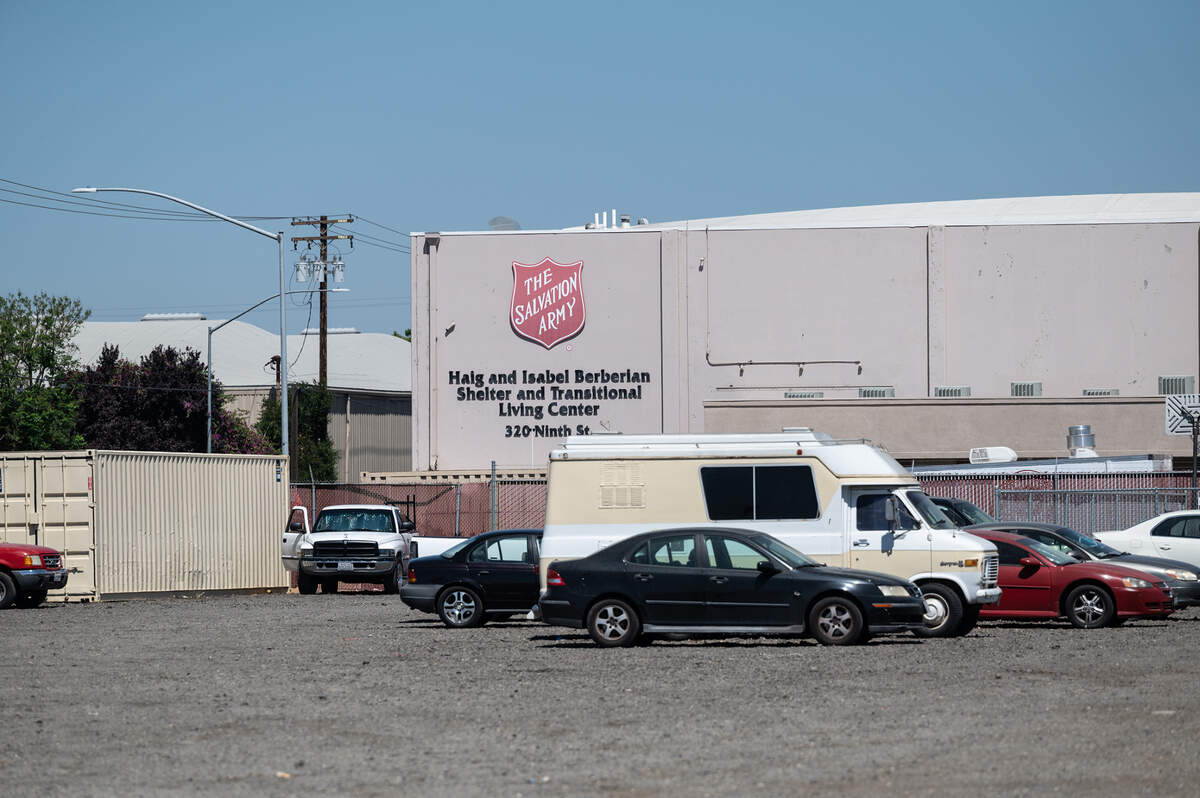
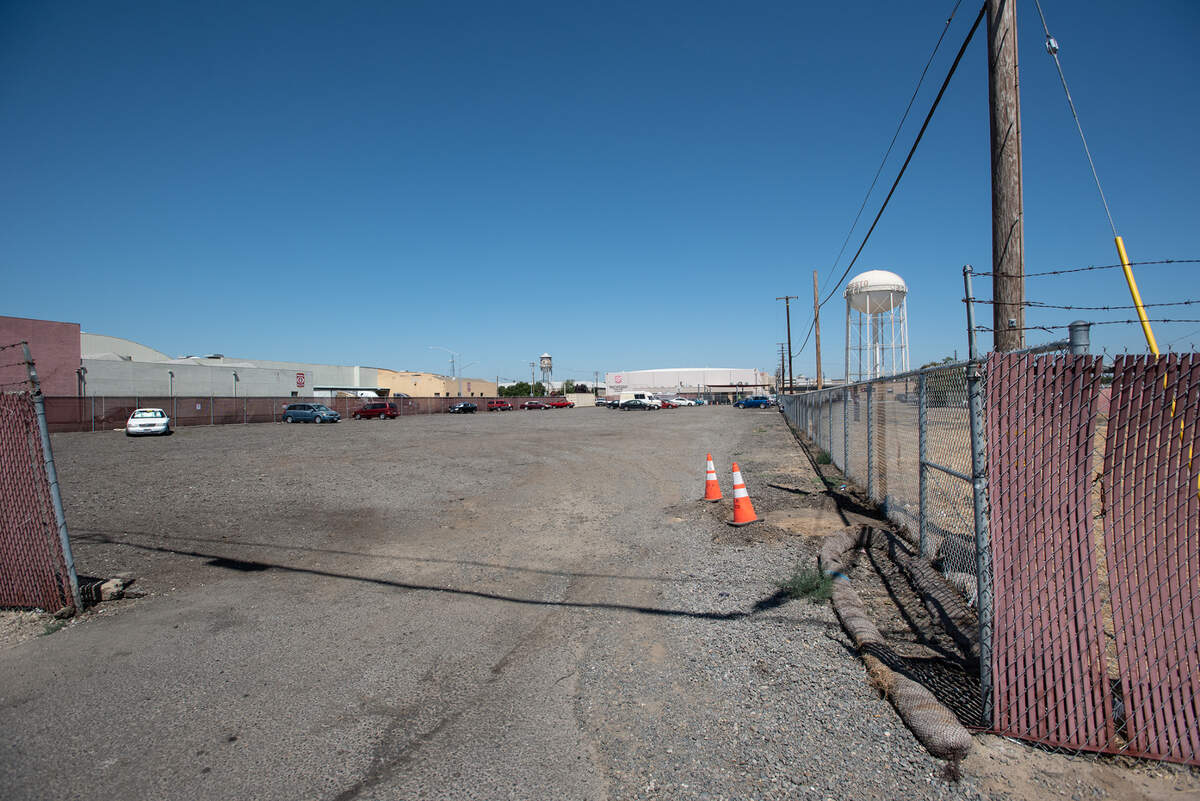
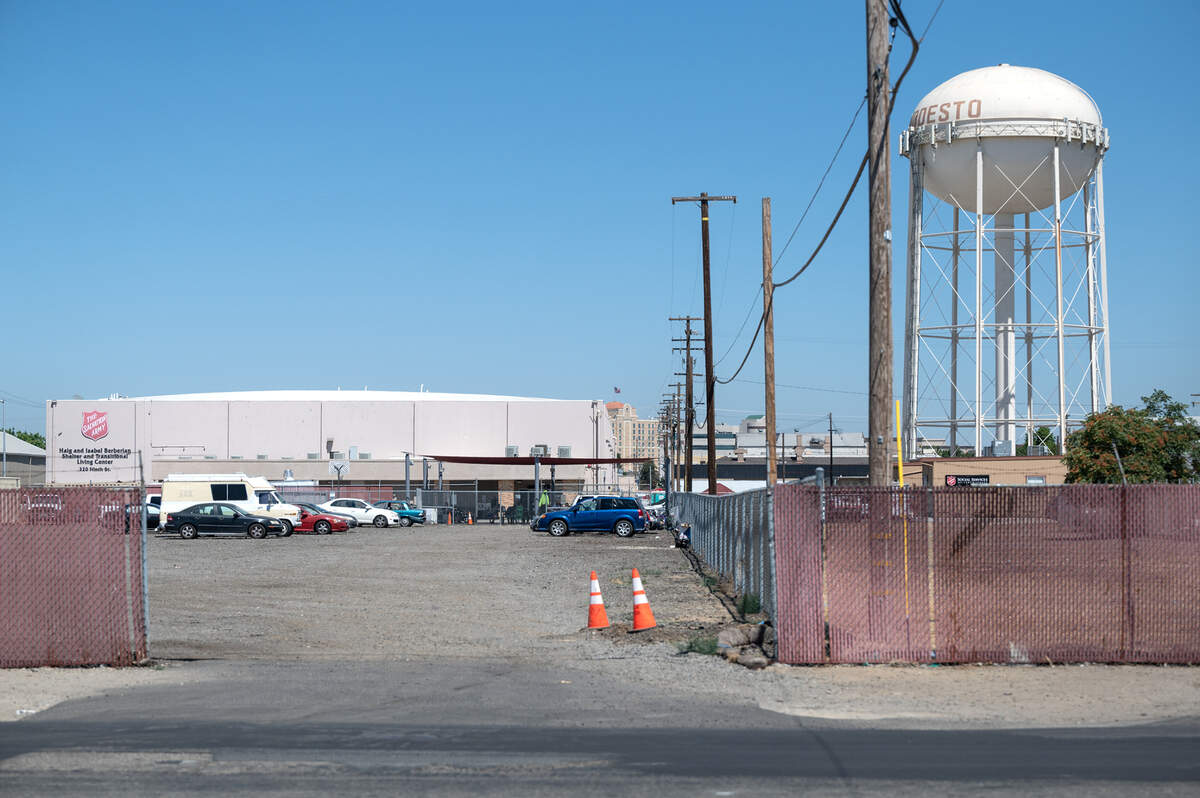
The pilot program would be in the parking lot along Ninth and B streets next to The Salvation Army’s Berberian Center. The army would run the program with oversight and management from the city.
The program would provide portable restrooms, drinking water, security, trash disposal and case management. The parking lot would be open 7 p.m. to 7 a.m. but accommodations might be made for clients’ work schedules. City officials said at Monday’s meeting that the intent is to provide the people who sleep in their cars access to showers, laundry services and meals.
Drivers would need to be licensed, insured and their vehicles registered. They could not have outstanding arrest warrants and would have to pass a background check. Registered sex offenders could not participate.
The proposal drew support from a couple who live in their 2000 Toyota pickup. “It would be a good thing for people,” Linda Estrada said. Linda’s husband, David, said they meet the program requirements.
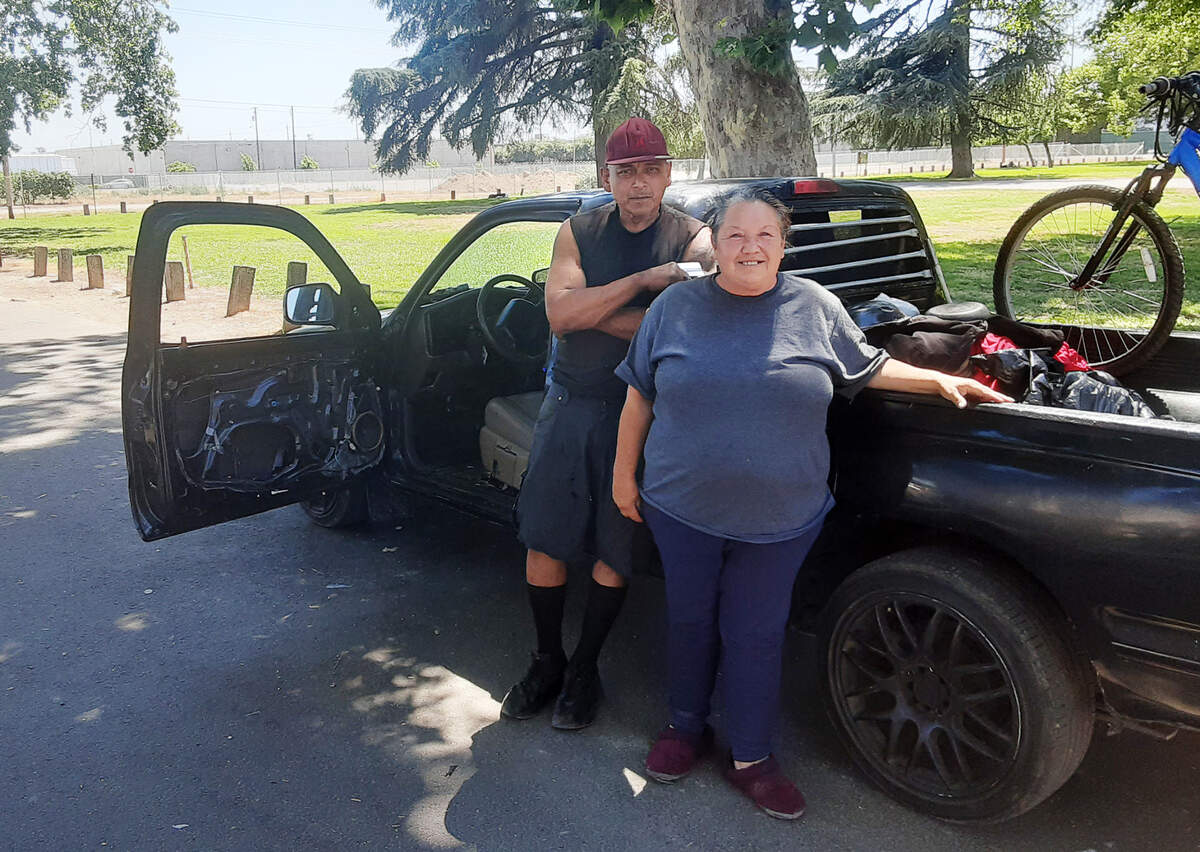
The Estradas have lived in their truck by Modesto’s Mono Park for the past couple of months. They said they have been homeless since February. They said they had been living in an RV park in Vernalis before that. They said they plan to move to San Jose soon.
Linda Estrada sleeps in the pickup truck’s cab with the windows up and doors locked, and David Estrada, 57, sleeps in the truck’s bed. “Around here, you hear people screaming and fighting,” David Estrada said. “Crazy people. ... You watch out for your back.”
Estrada said he keeps an eye out for the young men who have homes but prey on the homeless. “They think they are better than us,” he said.
Growing problem
There were about a dozen campsites set up near but not in the park Monday afternoon. Other people were living in their cars.
The city’s safe parking proposal states that “a significant percentage of individuals experiencing homelessness in Modesto are living in their vehicle.”
Officials at Monday’s meeting could not provide an estimate. But Police Chief Brandon Gillespie said in November the Police Department receives at least several calls a week about people parked illegally or living in their vehicles.
A homeless man who was among those near Mono Park and wanted to be identified only by his first name, Dennis, said he also likes the program, though he has not had a car for several months. “I like all of it,” he said, adding that it’s better than parking overnight along the side of the road. “It’s a safe place.”
Dennis, 49, said the police impounded his car when they arrested him on an outstanding misdemeanor warrant from several years ago. He said while he is licensed and his car was insured, it was not registered. He said he was working on that. “I had not been able to pass smog,” he said.
Modesto officials said at Monday’s meeting that the program’s rules, including requiring cars to be registered, are based on their research of the best practices from other communities with safe parking programs. They said California communities with programs include Sacramento, San Francisco, Mountain View, Los Angeles, San Diego and Alameda County.
Stanislaus Food Products owns the parking lot and rents it to the county, according to a city report. (Stanislaus Food is next to the Berberian Center.) The county uses the parking lot for its shelter in the Berberian Center. The report states The Salvation Army would sublease the parking lot from the county, and the negotiations to do that continue.
No visitors, no car repairs
The safe parking program rules include no visitors, no food deliveries, no open flames, no generators, no car repairs or maintenance, no outdoor storage, and no drinking and drugs. Clients could not come and go without permission.
Clients would have to accept case management. The city report states that would include help accessing social services and finding housing.
The parking lot is fenced and would have security cameras, lights and security personnel.
City officials stressed that they continue to complete all of the program’s details. They said after the meeting they expect this proposal could come to the full City Council as soon as July and the program could be running as soon as late August or early September.
The Safety & Communities Committee — Mayor Sue Zwahlen and council members Chris Ricci and Rosa Escutia-Braaton — praised the city’s efforts and forwarded the proposal to the council for approval.
Escutia-Braaton said she understands the city is starting small but said it’s important the city does this right and then builds on its efforts.
This story was originally published June 15, 2022 at 6:30 AM.