National TV ad reveals long-forgotten part of Modesto’s past when its Chinatown thrived
Modesto history doesn’t often get a boost from national television.
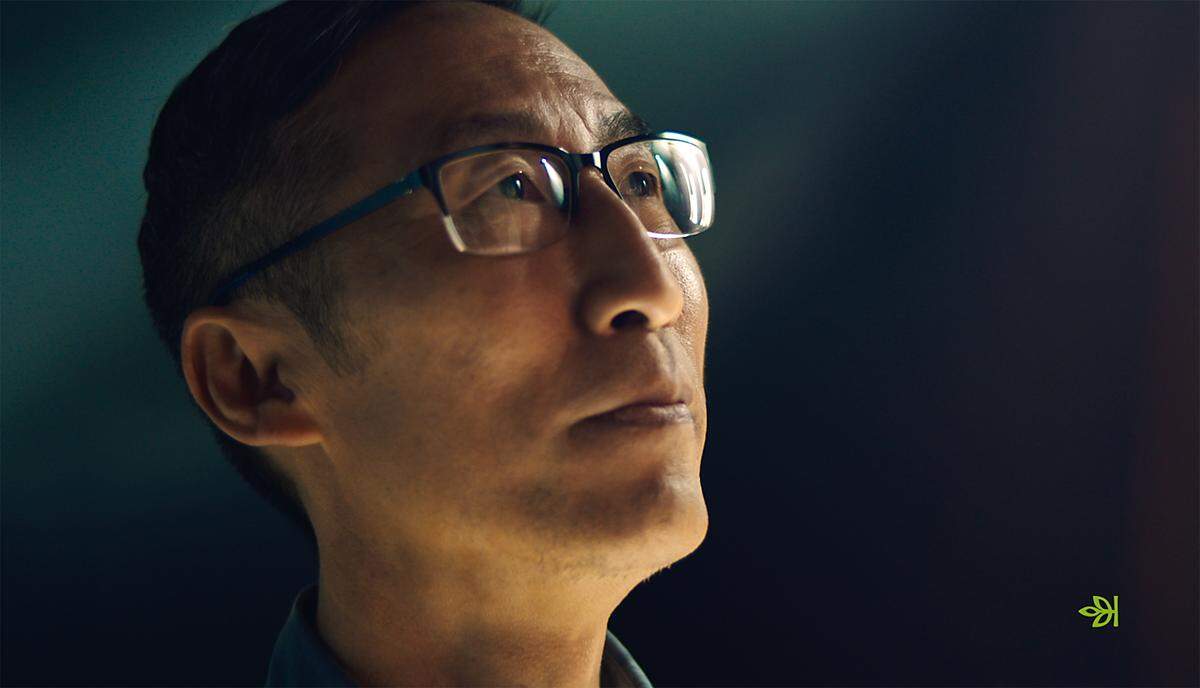
But a long-forgotten part of the city’s past has resurfaced recently thanks to a nationally televised commercial. The ad from renowned genealogical company Ancestry featured former San Francisco Supervisor Eric Mar uncovering his family history, which includes a significant if long-silent slice of Modesto history.
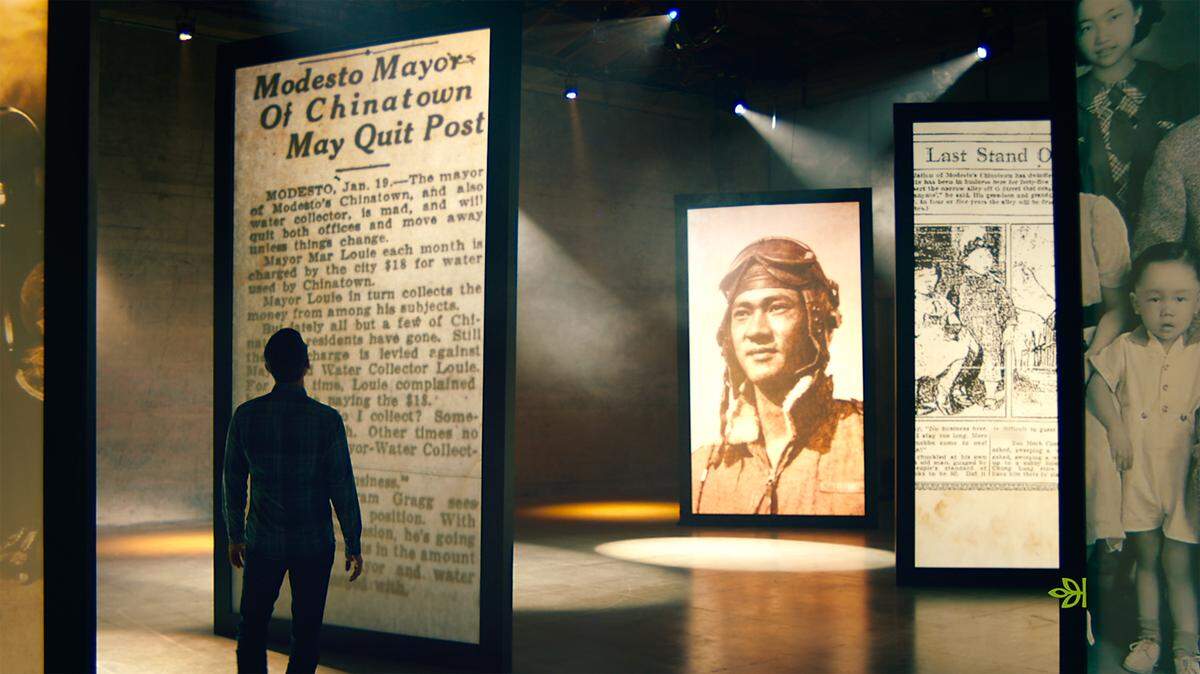
Around the turn of the century, Mar’s grandfather — Louie Mar — was a prominent member of the Modesto community. At the time, he was dubbed the Mayor of Modesto’s Chinatown, and he is mentioned in local media of the era frequently over the years.
The ad and Mar’s family history are also a reminder that Modesto — along with other Central Valley cities — once had thriving Chinatowns. While Valley residents of today are likely familiar with Chinatowns in larger cities like San Francisco and Los Angeles, the details of smaller Chinese communities that cropped up across Northern California have largely been lost to time.
Eric Mar’s Ancestry ad, which aired nationally this year, brought some of that history rushing back. In the commercial, he discusses his family, while images of his father and grandfather are shown on screen. In one scene, a newspaper clipping headline reads: “Modesto Mayor of Chinatown May Quit Post.”
Archival newspaper research shows the article ran in the Oakland Tribune in January 1931. The story is a wire edition of a piece that ran a few days earlier in the then Modesto News-Herald, which has since become The Modesto Bee.
Merchant dubbed ‘Mayor of Modesto’s Chinatown’
Finding the articles “made me feel more invested to the whole Central Valley and the history of a city like Modesto. It makes me feel connected to Modesto and the Delta, especially as I am learning more about my roots there,” said Eric Mar, who began researching his family history around 2009. Mar grew up in Sacramento and then moved to San Francisco, where he served on the San Francisco Board of Supervisors from 2009 to 2017. His twin brother, Gordon Mar, currently serves as a supervisor.
Mar’s grandfather Louie Mar, alternately called “mayor” or “king” of Modesto’s Chinatown in old newspaper clippings, served as a de facto spokesman for the area’s Chinese immigrants. His name pops up in articles about his purchase of lots in Chinatown, advertisements for other businesses, and about his own business, which was the only general store in the community.
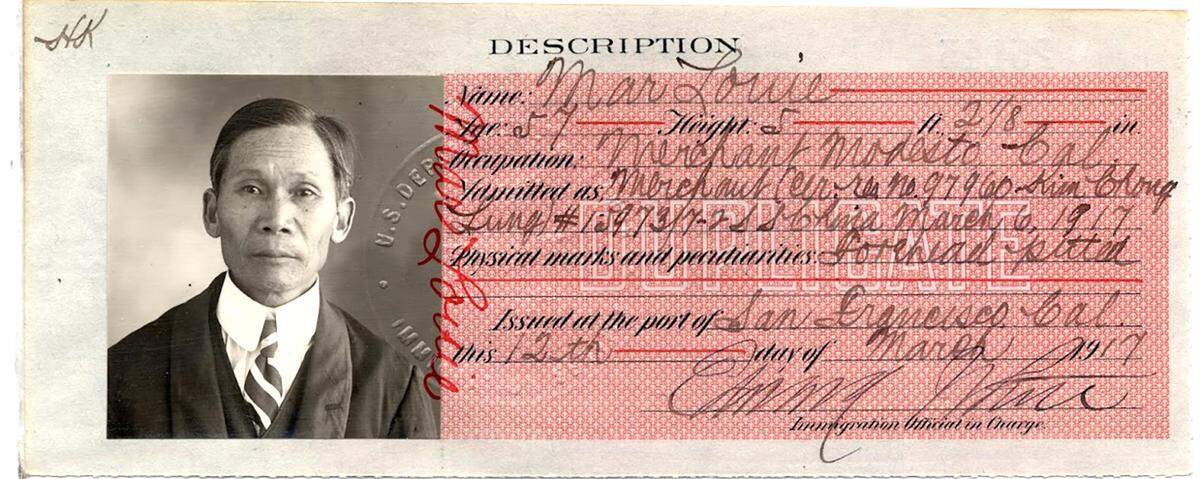
Eric Mar wasn’t able to track down the exact date his grandfather immigrated to America, though the earliest apparent mention of him in a Modesto newspaper is about his store, Kim Chong Lung, in 1898. The article referred to him as “the leading Chinese merchant and representative Chinaman of the city.” He is first referenced by his full name in a 1902 notice about his company purchasing 10 lots in the “brick part” of Chinatown.
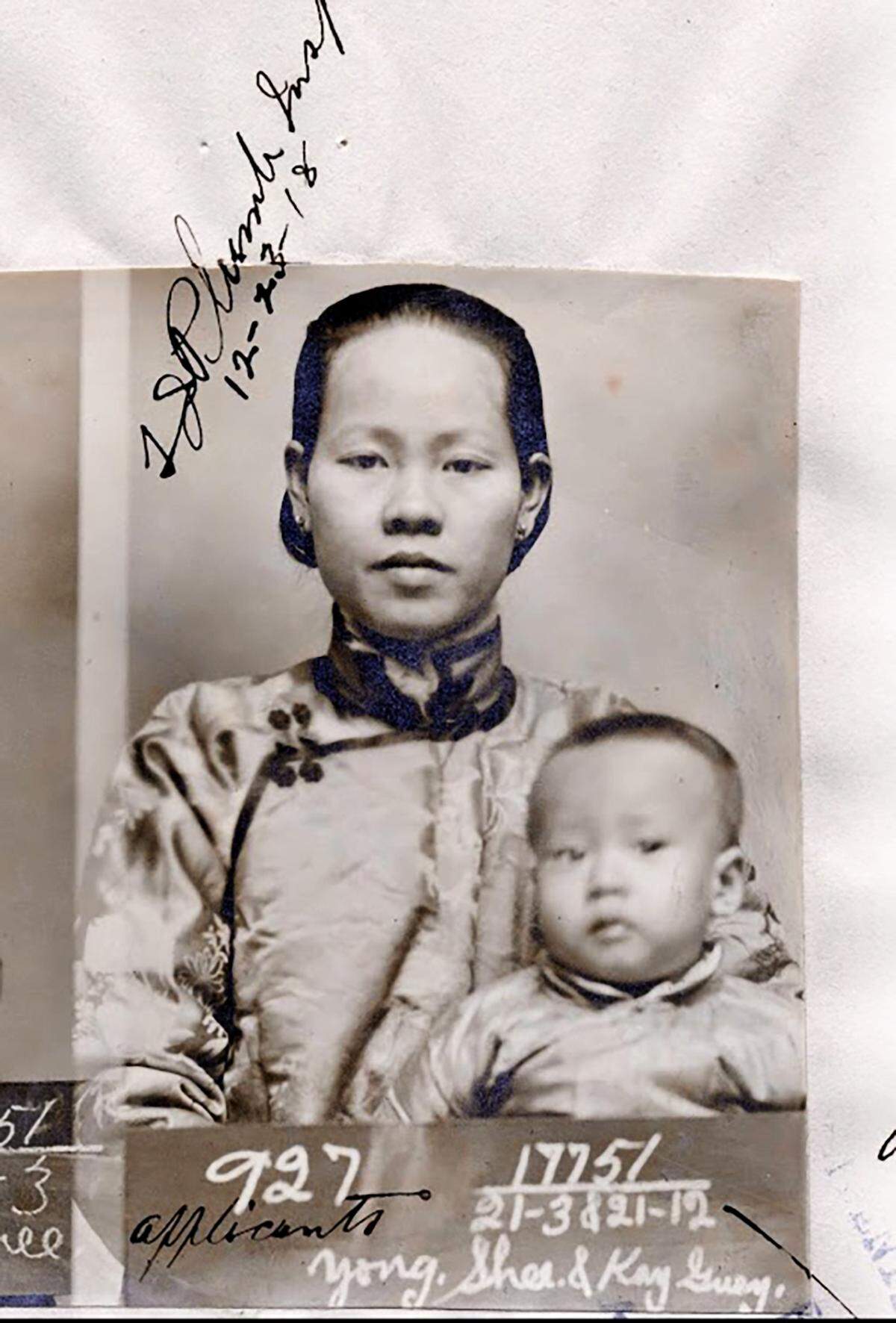
His grandfather, who is listed in articles of the era as “Mar Louie,” went on to have nine children between his first wife, who died young, and his second wife, Yong Shee Mar.
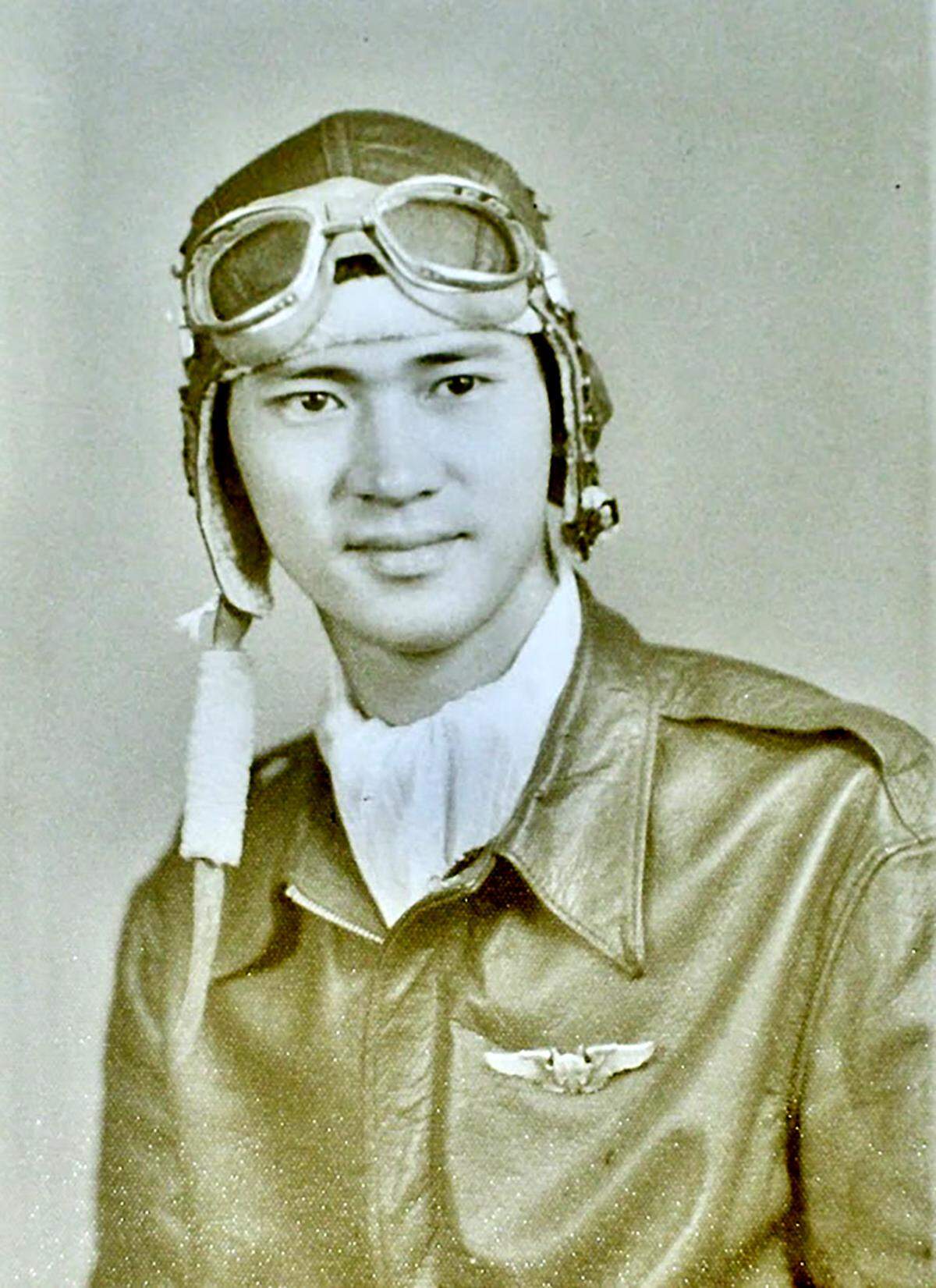
Eric Mar’s father, Richard, and his siblings attended school in Modesto. Richard graduated from Modesto High School and studied at Modesto Junior College. In 1942, he enlisted in the Army Air Corps and served as a bomber during World War II. Some of the images of him in his bomber uniform are included in the Ancestry ad.
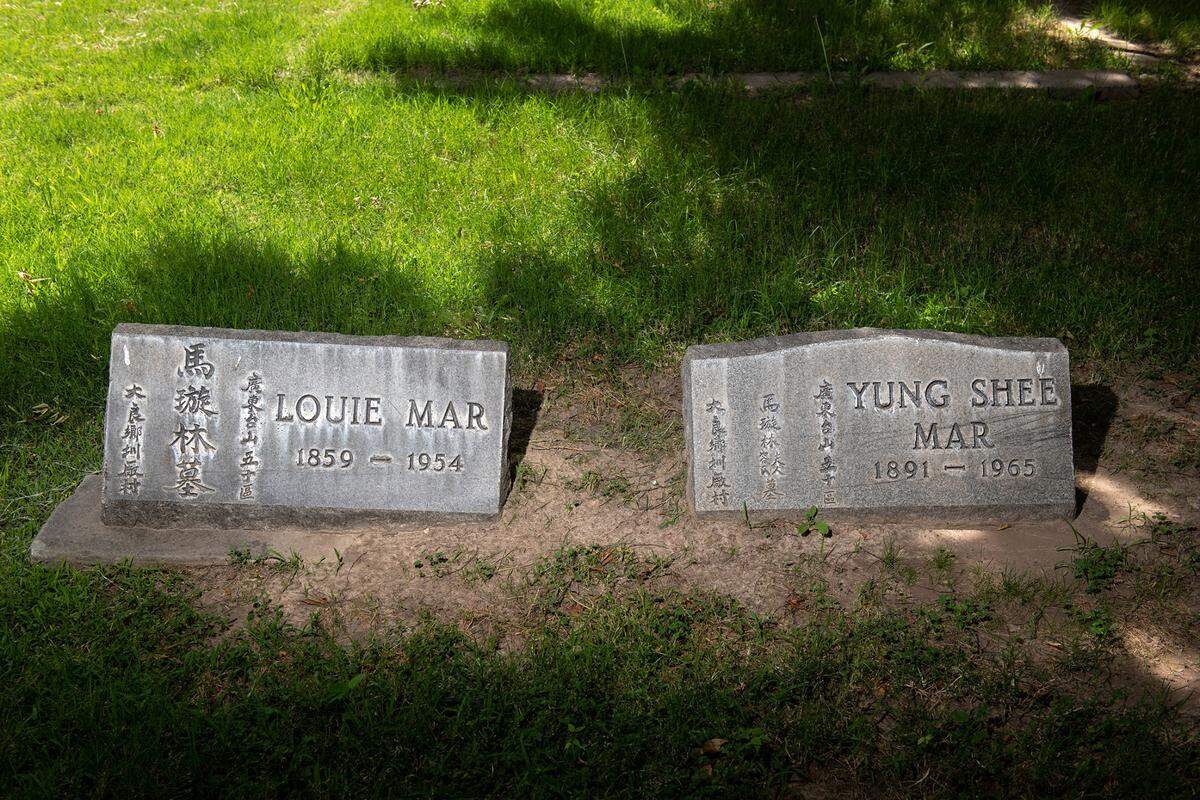
After returning from WWII, Richard settled in the Sacramento area while other family still remained in Modesto. His father, Louie Mar, passed away in 1954 at age 94. He and his wife Yong Shee are buried in the Historical Modesto Citizens Cemetery side-by-side.
Modesto Chinatown dates back to near city’s founding
Modesto’s Chinatown predates the Mar family. The earliest reference to Modesto’s Chinatown in print is an item that ran December 1884 in the then Daily Evening News (which became the Modesto News-Herald, which eventually became The Modesto Bee). The year the item ran is the same year the Daily Evening News began publishing, so it’s unclear when Modesto’s Chinatown first emerged.
The city itself was founded in 1870, so Chinese immigrants appear to have been part of its fabric from its earliest days.
Historical research shows California had an influx of Chinese immigrants starting around 1840, around the time of the Gold Rush. Most arrived in San Francisco to find jobs with in railways, agriculture and mining.
Many found dangerous, and often deadly, work helping to build the Transcontinental Railroad in the 1860s. The prevailing racism of the time sequestered Chinese immigrants in self-formed Chinatowns across the region. Other nearby Valley towns with Chinese settlements during that era include Stockton, Knights Ferry, Newman, Oakdale and Merced.
According to an 1888 fire insurance map archived by the U.S. Library of Congress, Modesto’s Chinatown consisted of an area directly southwest of the downtown railroad tracks on Eighth Street between G and F streets. Updated insurance maps from the city in 1895 show Chinatown expanding to Seventh Street as well.
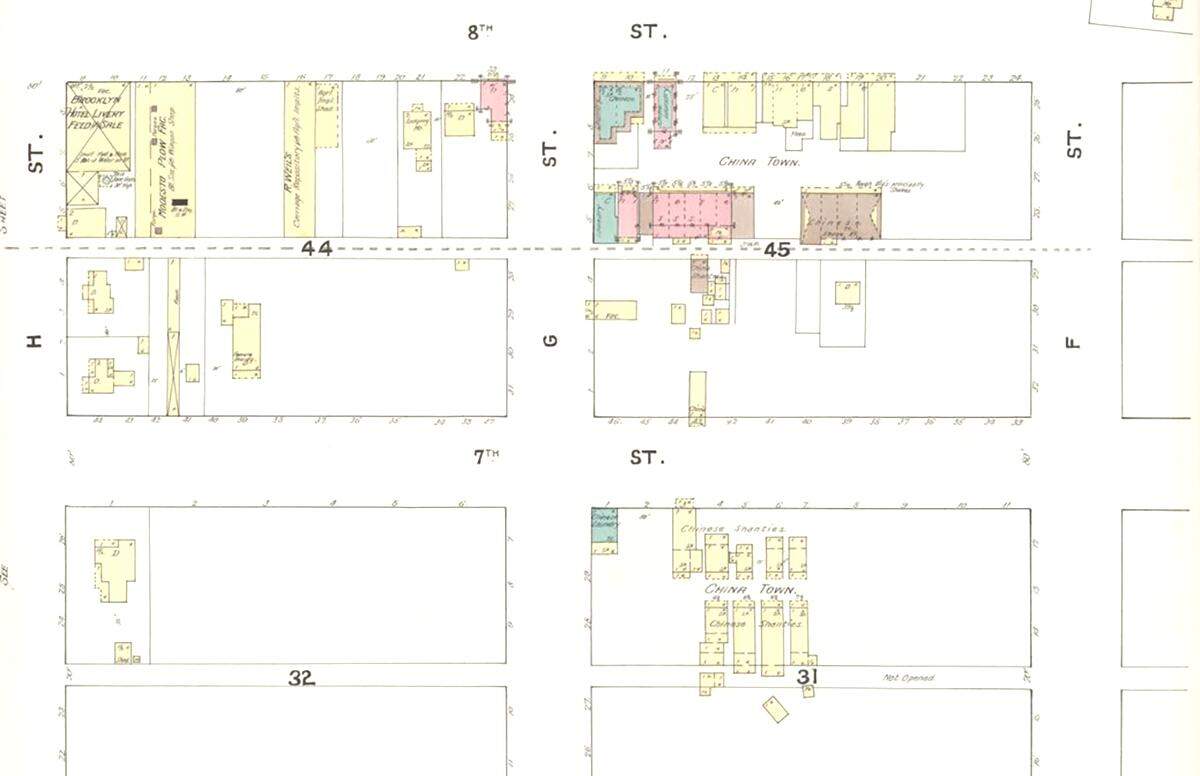
The last available fire insurance maps of Modesto from that era in 1919 show Chinatown shrinking back down to largely an alley between Eighth and Seventh streets, in what would become known as “China Alley.” Newspaper archives reveal none of the original buildings, many of which were made only of wood and called “Chinese shanties,” on the insurance maps and are still standing.
The former Chinatown area is now largely sandwiched between the Victory In Praise Church and Web’s Burgers, as well as other current businesses, along a one-block radius of Seventh and Eighth streets.
Central Valley Chinese immigrants faced harassment, violence
In its heyday, Modesto’s Chinatown is believed to have been home to up to 1,000 Chinese immigrants. But an article in the Modesto News-Herald from 1929 chronicled the declining population in the community.
Louie Mar is quoted as “Modesto’s oldest Chinaman.” The headline touted Modesto’s Chinatown as once populous but now “near vanishing point” with only about 100 residents left. It predicted that in five years, all of its residents would be gone.
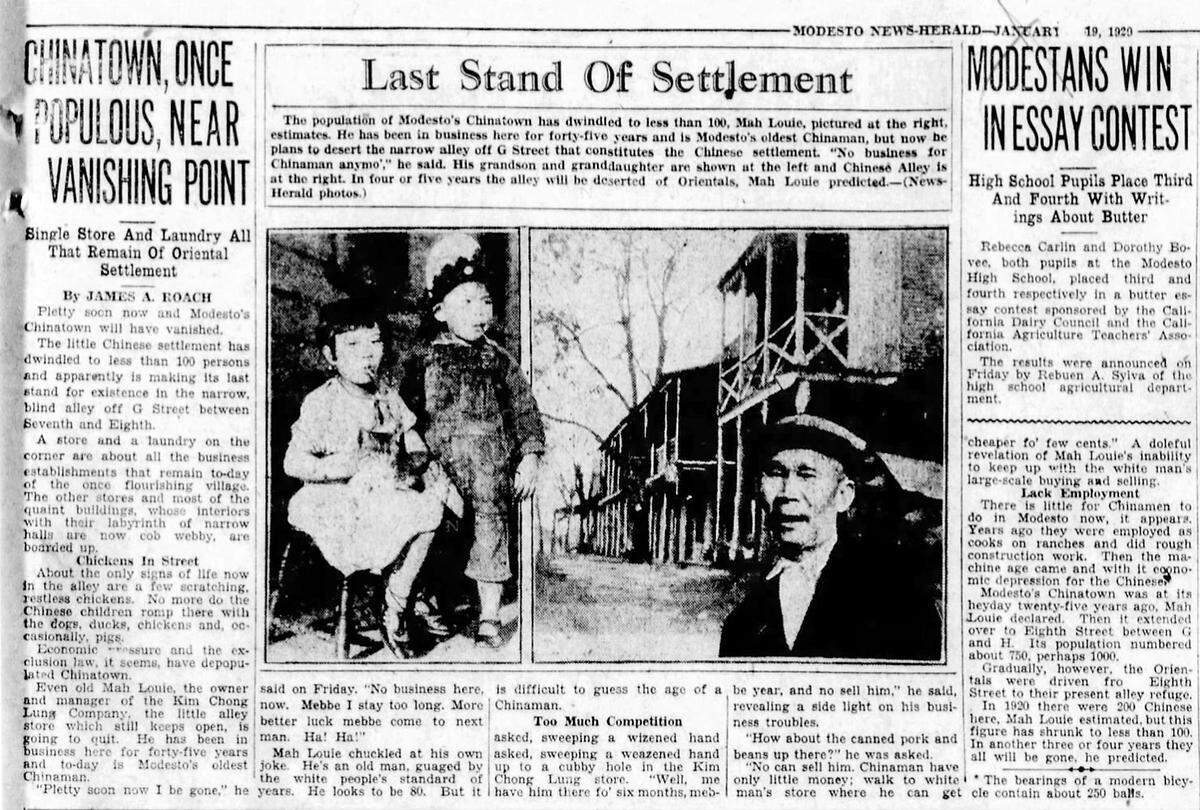
The slow decline of the community was predated by bustling years when Chinatown was filled with residences and businesses. Newspaper articles mention laundries, stores, saloons, opium dens and gambling halls. But the Valley’s Chinese immigrants were not warmly embraced by the larger community or country.
In 1882, the Chinese Exclusion Act was signed into federal law, prohibiting all immigration to America by Chinese laborers. After doing the dangerous work of helping to build the railroads and staff mining operations, Chinese immigrants saw themselves discriminated against and worse.
An article on Stanislaus County history that ran in The Modesto Bee in 2004 notes that racial strife in the region was rampant. The article said, “Mobs wearing masks tried to intimidate in both the 19th and 20th centuries. In 1879, black-hooded vigilantes in Modesto burned Chinatown, killed a saloon keeper and banned prostitutes from the county.”
Articles from that era also quote Chinese residents in pidgin English, emphasizing their accents and foreignness. Groups considered undesirable at the time, including the Chinese, were hounded by a citizens vigilante group made up of farmers and businessmen called the San Joaquin Valley Regulators. They raided businesses and issued notice for residents to leave or face death. In 1884, they allegedly killed a saloon owner named Joe Doane, according to published reports. They’re also credited with razing Chinatown in 1879.
A group by the same name still exists today, which dresses up and performs reenactments from the era.
Last remnants of Modesto’s Chinese settlement erased
While it’s unclear exactly when Modesto’s Chinatown finally ended, it appears to have all but disappeared around the 1930s and the start of WWII. But the last of the Chinatown businesses, Sing Lee Laundry, survived on the corner of Seventh and G streets until the late 1970s.
A Modesto Bee article from 1970 references the only original Chinatown building still standing in the city as the two-story brick house Louie Mar’s family built and lived in at 622 Seventh St. The home is now long gone, and instead is the site of the one-story New Image Collision Center auto repair shop.
Eric Mar said he no longer has any extended family members living in Modesto, despite his grandfather’s former prominence in the region. His closest relatives nearby live in Stockton, with others in Sacramento and other parts of Northern California.
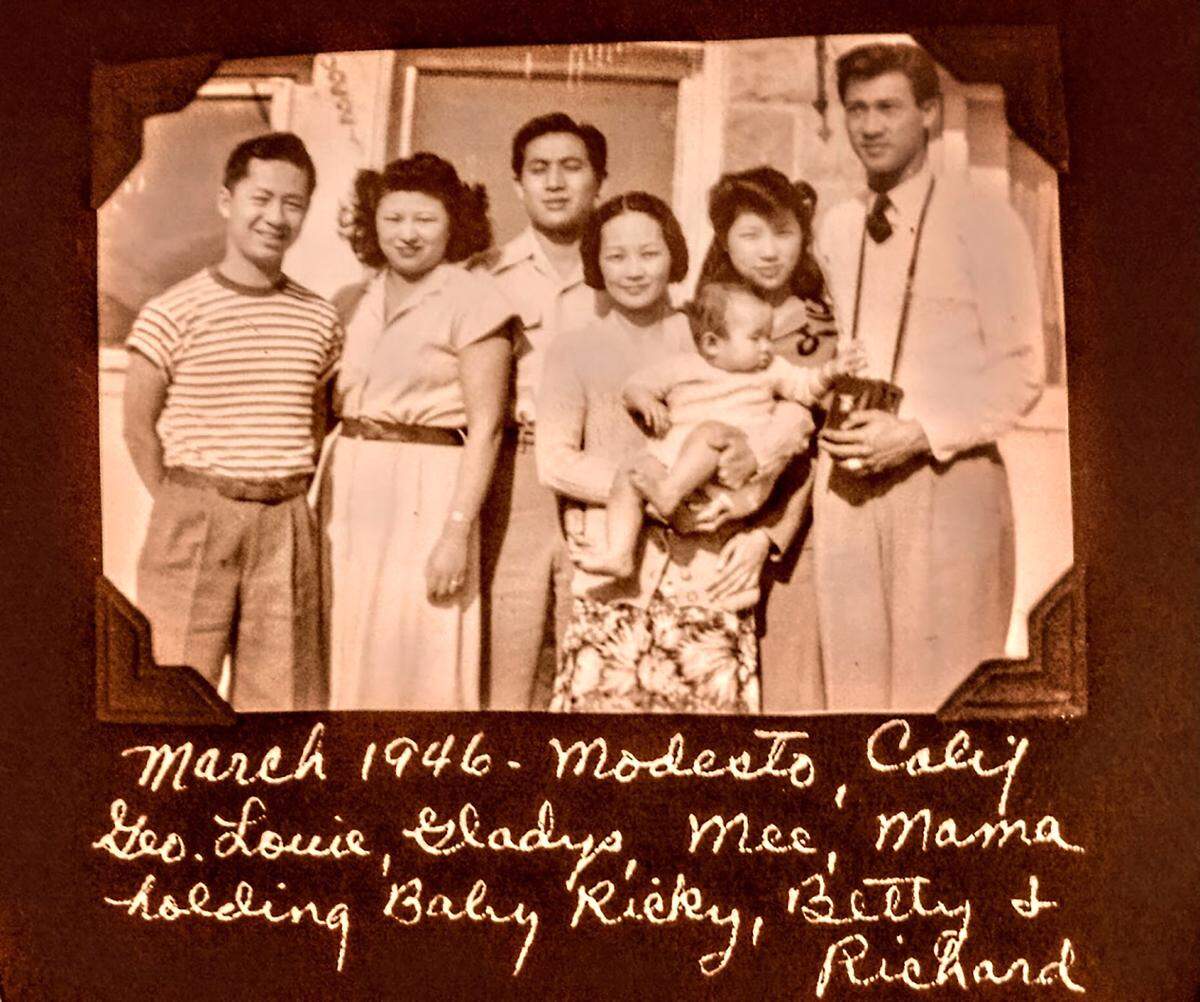
He said learning about his family’s history in the Central Valley city makes him feel a sense of pride and connection to Modesto, despite never having lived here. He has visited, as part of his genealogical research, and has pictures at his grandparents’ graves.
“It definitely makes me proud of him for speaking on behalf of a community of Chinese-Americans that were there. But I wonder about how he dealt with racism and even the sexism of how women were treated at the time, too,” Mar said. “It makes me curious about how he would maneuver in probably an extremely racist period of time to just keep surviving in an area where many didn’t want them to be.”
Still, for all the difficulties experienced in the region by the earliest Chinese settlers, one part of history that Mar is proud to repeat in his family stands out.
“My twin brother and I are doing the same sort of work my grandfather was over 100 years ago in Modesto,” Mar said. “We both went into public service. It’s interesting that my grandfather did that in the small blocks of (the Modesto) community over a century ago.”
Modesto Bee research and information specialist and editorial board member Maria Figueroa contributed to this report.
This story was originally published May 30, 2022 at 6:00 AM.