Seniors in Stanislaus County can’t afford the rent. What should be done for them?
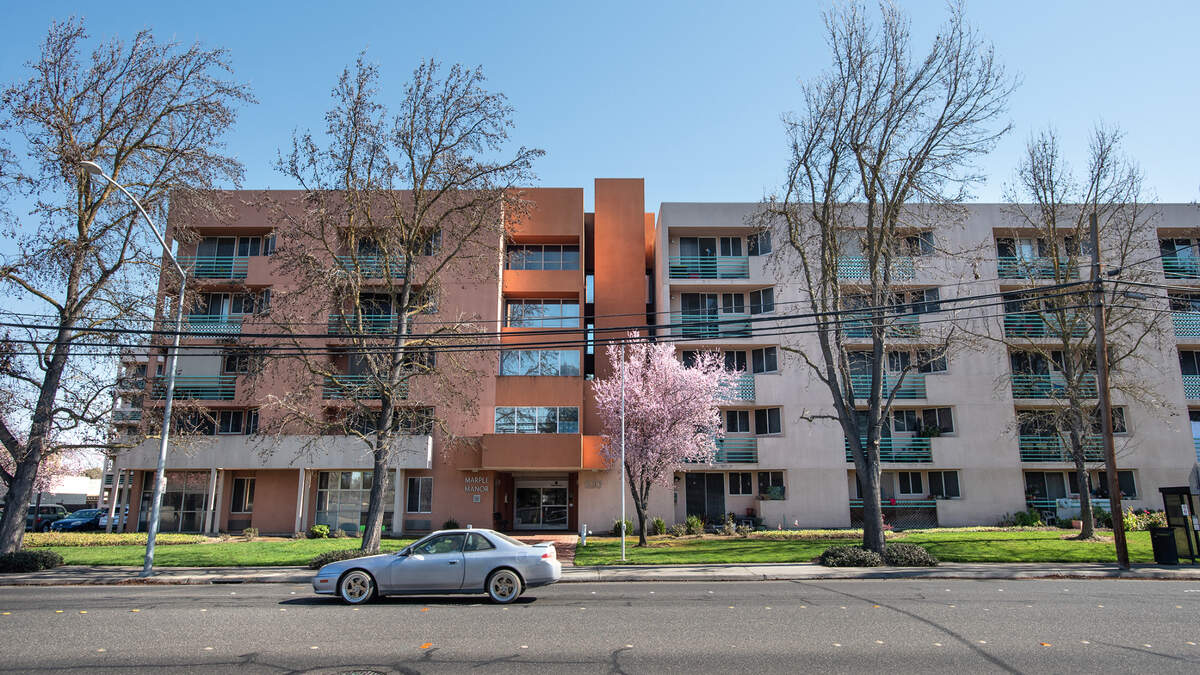
The Stanislaus County Commission on Aging is urging the county and its cities to put a priority on subsidized housing for seniors on fixed incomes.
The commission formed a subcommittee to look at the growing need for housing that’s affordable for older adults living on Social Security or small retirement incomes.
The committee is asking local governments to:
▪ Encourage construction of subsidized apartments.
▪ Create housing stabilization programs, including rental subsidies and transitional housing, for low-income older adults on waiting lists for housing.
▪ Support efforts such as the Senior Advocacy Network’s HomeShare program.
Often, the waiting period is two to four years at housing complexes that are affordable for seniors taking in $1,500 a month in Social Security or less, said Jill Erickson, a manager for county Aging & Veterans Services.
Older adults who can’t afford monthly rent of $1,000 or more for free-market housing are faced with difficult decisions, such as not paying for utilities or medication. Some even are facing homelessness, Erickson said.
“There is definitely a problem with not having enough affordable housing,” said John Dinan, chairman of the Commission on Aging’s advocacy and legislative committee. “We are trying to bring that to the attention of whomever will listen.”
According to the commission, almost 20 percent of Stanislaus County residents are 60 years or older and that population is projected to increase 83 percent by 2030.
Approximately 26,000 (or 24 percent) of the 104,600 county residents age 60-plus are in the low-income category. In the United States, the number of adults age 65 to 74 will grow to 38.6 million in 2030, a soaring increase from 21.7 million in 2010, according to the Harvard Joint Center for Housing Studies.
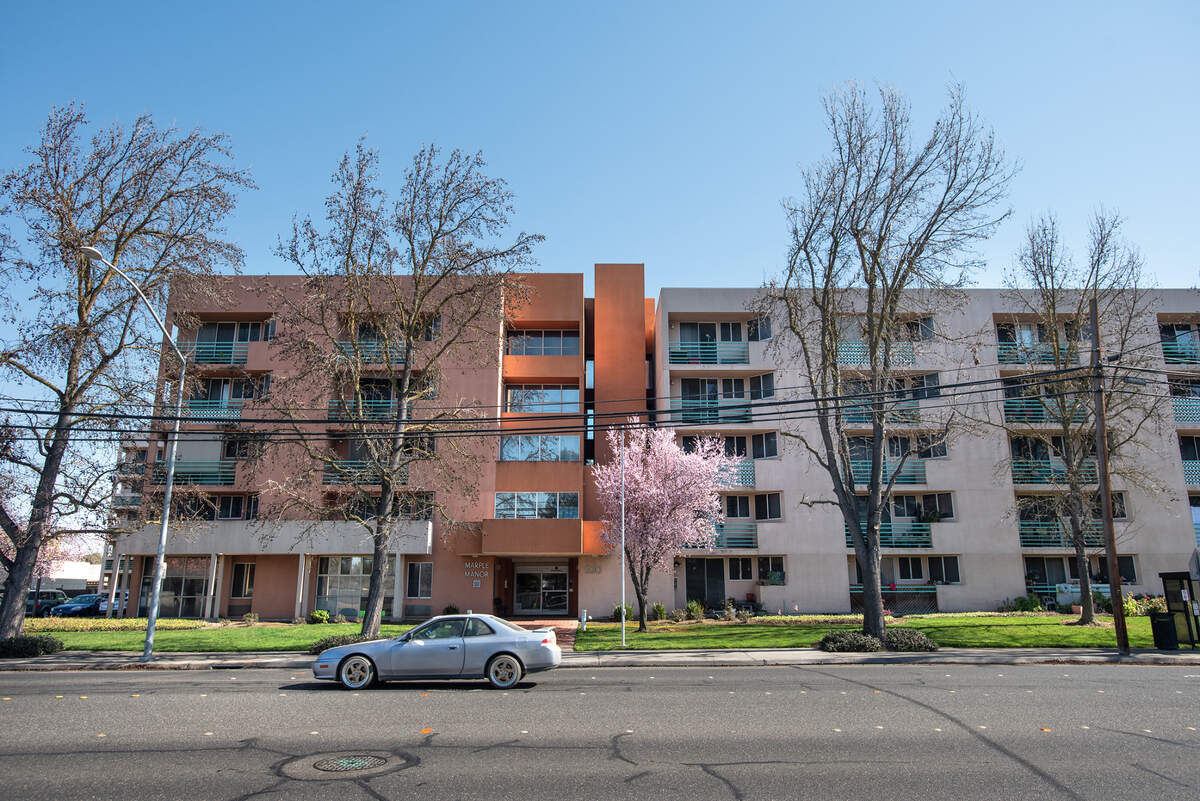
Peggy Nugent of Modesto said she was on the waiting list for a subsidized apartment at Marple Manor in Modesto for 2 1/2 years. She has retirement income of $154 a month on top of Social Security and now pays 30 percent of her income for the Marple Manor apartment.
Nugent lived in a small house for 20 years, as the rent increased steadily from $600 to $1,000 a month. She continued running a day care at home to pay the rent. She finally retired at 75 after getting the subsidized apartment in May.
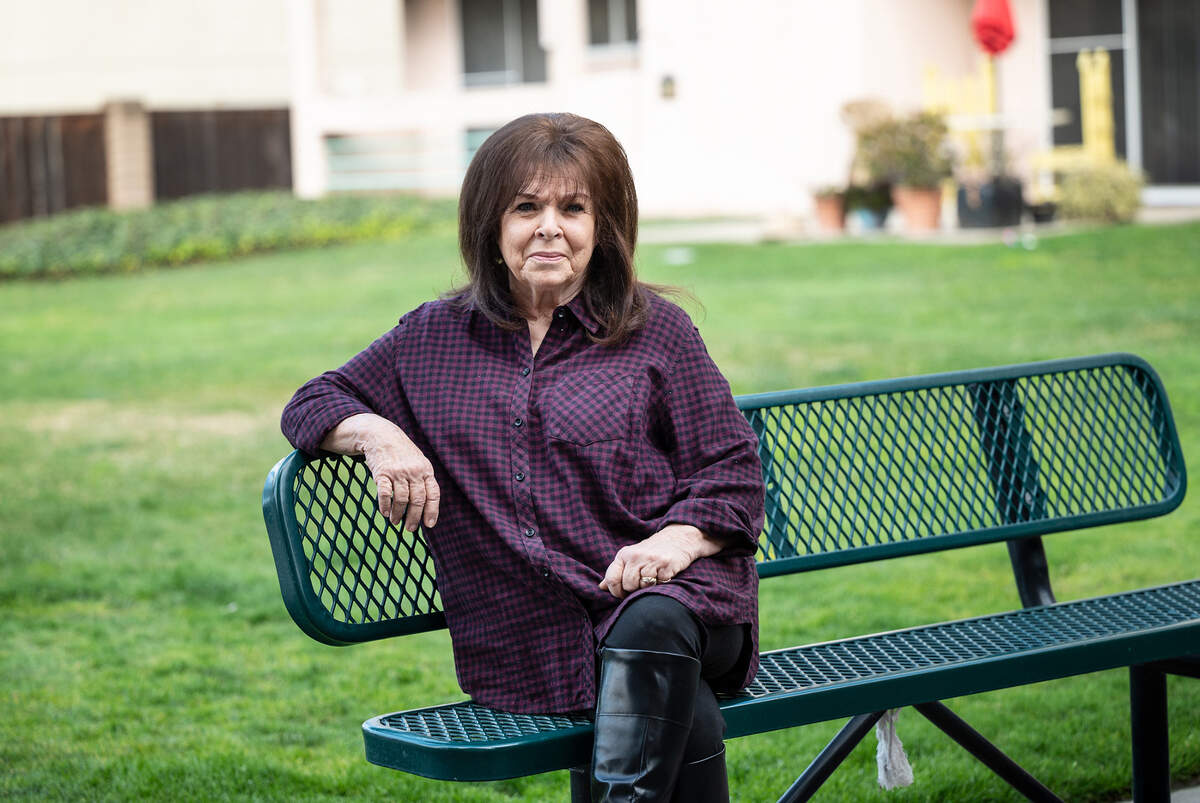
Nugent said her former landlord went easy on rental increases because she was a good renter, but the landlord said he would charge $1,600 to $1,900 monthly after she moved out.
Not all seniors on limited incomes have compassionate landlords. “I don’t know what happens to those who don’t find a place,” Nugent said. “It is really sad.”
The county aging services office refers people to a list of 31 apartment complexes that offer subsidized housing for eligible seniors from Alpha Bothun Manor in Turlock to Willow Pointe Apartments in Riverbank.
Nugent said many complexes on the county’s list were not taking names from applicants because the waiting period was so long.
The lower-cost housing for seniors may range from Housing Authority-managed public housing to apartments built by developers who use tax credits and dedicate a number of apartments for discounted rents based on median income.
Some low-income seniors use Section 8 vouchers to live in apartment buildings that participate in the government program. Voucher applications are accepted only periodically, Erickson said.
The federal Department of Housing and Urban Development also has supportive housing for military veterans in need.
Is Modesto planning for senior housing?
Modesto has not given extra consideration for subsidized senior housing but is working on a plan for increasing all types of housing —from apartments to single-family homes — to relieve a shortage that’s driven up prices, city staff members said Thursday.
Steve Mitchell, planning manager for the city, said the Modesto Housing Plan is exploring ways to increase production of market-rate housing and make it more affordable.
Mitchell said the city is getting development applications for building apartments. There is interest in building senior housing, though not necessarily apartments for low-income seniors.
“As we get more housing units in town, as supply catches up with demand, then we will start seeing the decreases in rent,” Mitchell said. “We don’t have enough housing to meet demand.”
New senior housing projects in Modesto include a 90-unit independent living center approved last year for the Assyrian Church on Mable Avenue and Magnolia Gardens Senior Living on West Rumble Road, which was approved for 35 apartments for tenants 55 and older.
By reducing parking and other requirements, the city could also encourage duplexes and small apartment buildings on infill properties. Often, that kind of housing is more affordable to seniors on tight budgets, city staff said.
County will study housing needs
The county’s Housing Stanislaus initiative will address the need for housing across the continuum, from emergency shelters to transitional housing, rental housing and home purchases. A housing shortage in the county and Modesto has sent prices skyrocketing for everyone from young families to retirees.
County Chief Executive Officer Jody Hayes said Wednesday that senior housing needs will be incorporated into the affordable housing section of the Housing Stanislaus initiative. A timetable calls for developing the housing plan in summer and fall of 2020.
A team will assess the demand for different types of housing and come up with strategies for fulfilling the need, Hayes said by email.
“There is definitely a shortage of affordable housing at all levels, including our senior population,” Hayes said.
Angela Freitas, the county’s director of planning and community development, said properties in county unincorporated areas are more challenging for building senior housing due to the absence of curb, sidewalks and other basic infrastructure, which is usually found in cities.
Because many older adults live on fixed incomes and deal with physical constraints, a county planning document suggests that senior housing is provided in smaller units near public transportation, medical facilities, shopping and other services.
Security is also a concern for senior residents, the planning document says.
Boomers drive housing demand
Riverbank is also giving priority to a general increase in housing stock simply because the need is great. But the demand driven by “baby boomer” retirements is more evident in the “City of Action.”
Donna Kenney, planning and building manager for Riverbank, said a senior housing project is under review near Roselle and Pocket avenues, through it’s too early to know if any subsidized units are planned.
The city is encouraging some affordable housing, including senior housing, in the Crossroads West residential development. The Crossroads West project is primarily for new homes but will have some areas zoned for multifamily housing, Kenney said.
The city planner said a state mandate for allowing accessory dwelling units, or granny flats, on eligible residential properties might be another source of housing for seniors. Riverbank and other cities are working on a streamlined permit process, in which property owners could choose an accessory dwelling floor plan that’s already approved by the county and then pull a building permit.
Another emerging development called Riverwalk could be as much as 80 percent senior housing, with a wide variety from market-rate to affordable, Kenney said.
It appears the 1,500-acre project is mostly envisioned as a Del Webb-style community for affluent adults 55 and older.
Where’s the funding for building subsidized housing?
Officials from Riverbank and Modesto said nothing stops a developer from bringing in plans for senior housing mostly dedicated to subsidized apartments.
Chris Ragon, vice president of communications for Retirement Housing Foundation in Long Beach, said demand for affordable senior housing is intense everywhere, especially in metropolitan areas where waiting periods are more than 10 years.
The faith-based foundation owns Ralston Tower and Marple Manor in Modesto, as well as 196 other housing complexes for seniors across the country. RHF houses 22,000 residents and has 47,000 people on waiting lists.
Ragon said government funding for building these housing complexes has dropped dramatically. President Joe Biden’s administration in late October included $150 billion for affordable housing and financial assistance in the Build Back Better proposal, but the spending plan was blocked by moderate Democrat Joe Manchin in the Senate.
RHF remains hopeful of building more senior housing. The foundation combined nine different sources of funding to cover development and construction costs for a 50-unit apartment building in Los Angeles two years ago, Ragon said.
She noted that many senior complexes built with HUD funding are reaching the end of 40-year commitments to provide affordable rents and could be converted to market-rate housing.
In addition to building more housing, RHF plans to acquire and refurbish older apartments to keep them from converting to market-rate status, Ragon said.
Aside from availability of funding, another obstacle to getting senior apartments approved is the not-in-my-backyard reaction to projects labeled “affordable housing,” she added.
“These are people who worked all their lives and maybe had a spouse develop a catastrophic illness that wiped out their savings and they are trying to live on Social Security,” Ragon said.
Erickson and other advocates will keep talking to cities and the county. They plan on doing some research in progressive cities that are proactive about affordable senior housing instead of waiting to be approached by developers.