Police chief to provide update on pairing mental health clinicians with officers
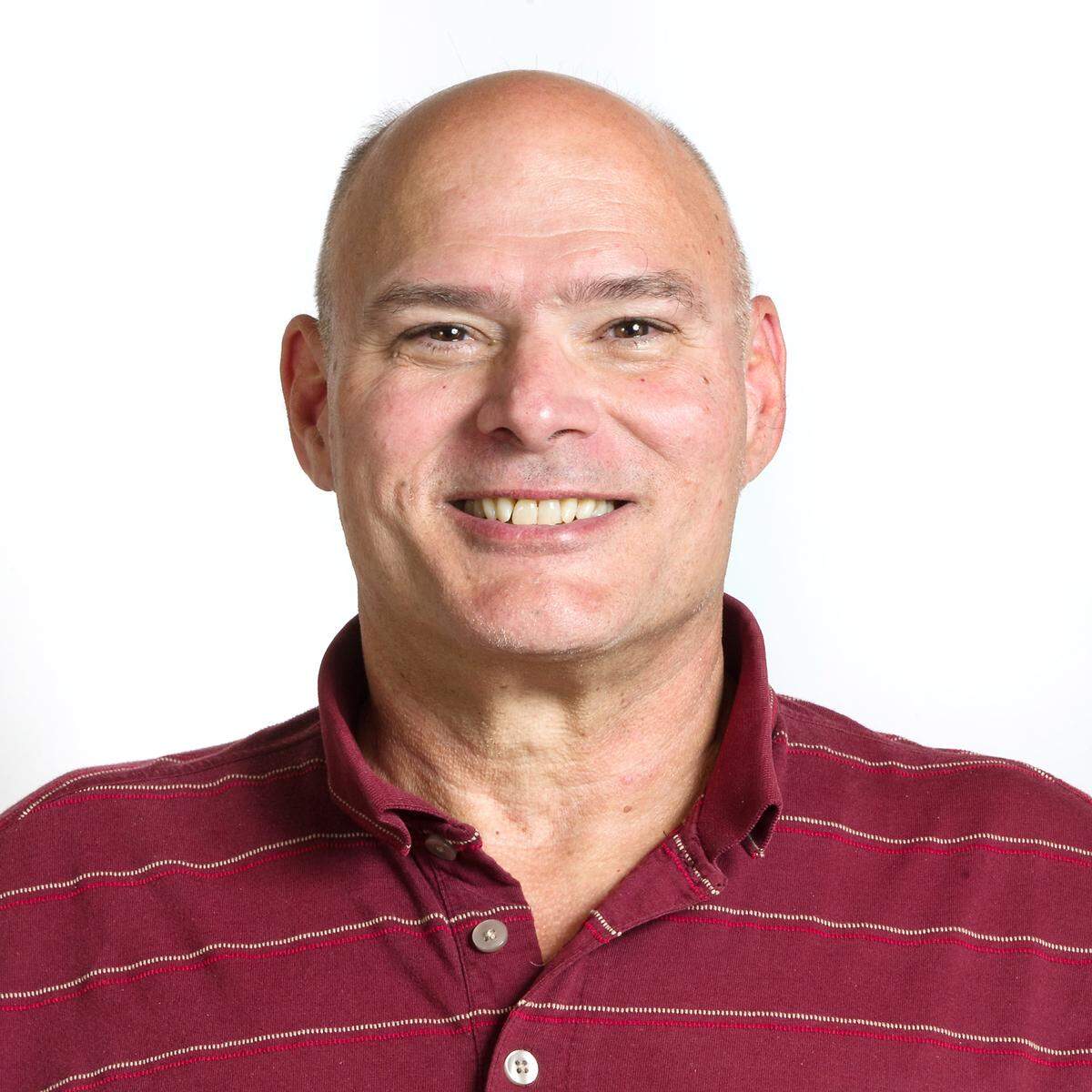
Interim Modesto Police Chief Brandon Gillespie will update a City Council committee Monday on his department’s efforts to respond to mental health calls by pairing behavioral clinicians with officers.
Gillespie will provide his update at the Safety and Communities Committee meeting, which starts at 5 p.m. and is being held over Zoom, the videoconferencing platform.
The public can participate via Zoom or by phone. Information on how to do that is available at www.modestogov.com/746/Standing-Committees-Agendas-Minutes and by clicking on the link for the meeting agenda.
The Police Department is working with Stanislaus County’s Behavioral Health and Recovery Services on having four mental health clinicians go out with officers on calls involving people who have a mental illness or are undergoing a mental health crisis.
He said officials have researched how law enforcement in San Francisco; Eugene, Ore.; Denver, Oakland and Santa Clara have changed how they respond to these calls.
Gillespie said details still need to be worked out, but he hopes he could bring a proposal to the City Council for approval within a few months.
This comes as the Police Department is about to start using outreach workers to respond to calls involving homeless people. Gillespie said the department has hired two full-time workers and two part-timers. They are being trained, and he expects they could be working within about a month.
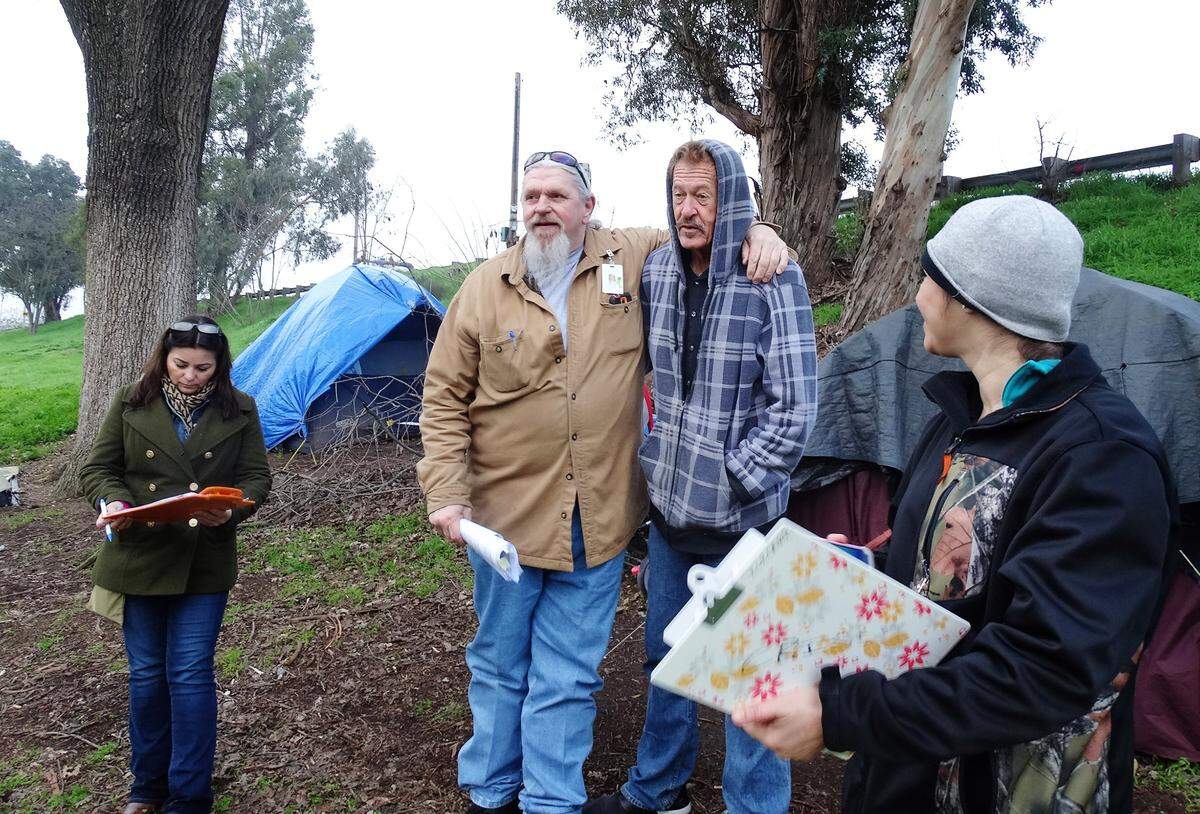
The two full-time workers are Randy Limburg and Christina Kenney. Both have extensive experience working with homeless people and have earned stellar reputations.
The outreach workers would handle calls that don’t require an officer. Gillespie said his goal is that the department eventually have four full-time workers and that they respond to other calls that don’t involve officers, such as family disputes or children who refuse to go to school.
He said both of these efforts are about sending the right resources to calls for service. And he said it frees up officers to focus on their primary mission — responding to, solving and preventing crime.
He also noted there have been conversations taking place nationally and locally on law enforcement coming up with a better way to respond to people undergoing a mental health crisis.