Excess screen time can impair kids’ eyesight. Learn the signs of vision problems
Almost all aspects of life have been altered by the pandemic. Now, we have to add how children see the world, literally.
Myopia, or nearsightedness, among young children is on the rise, and the pandemic is making things worse.
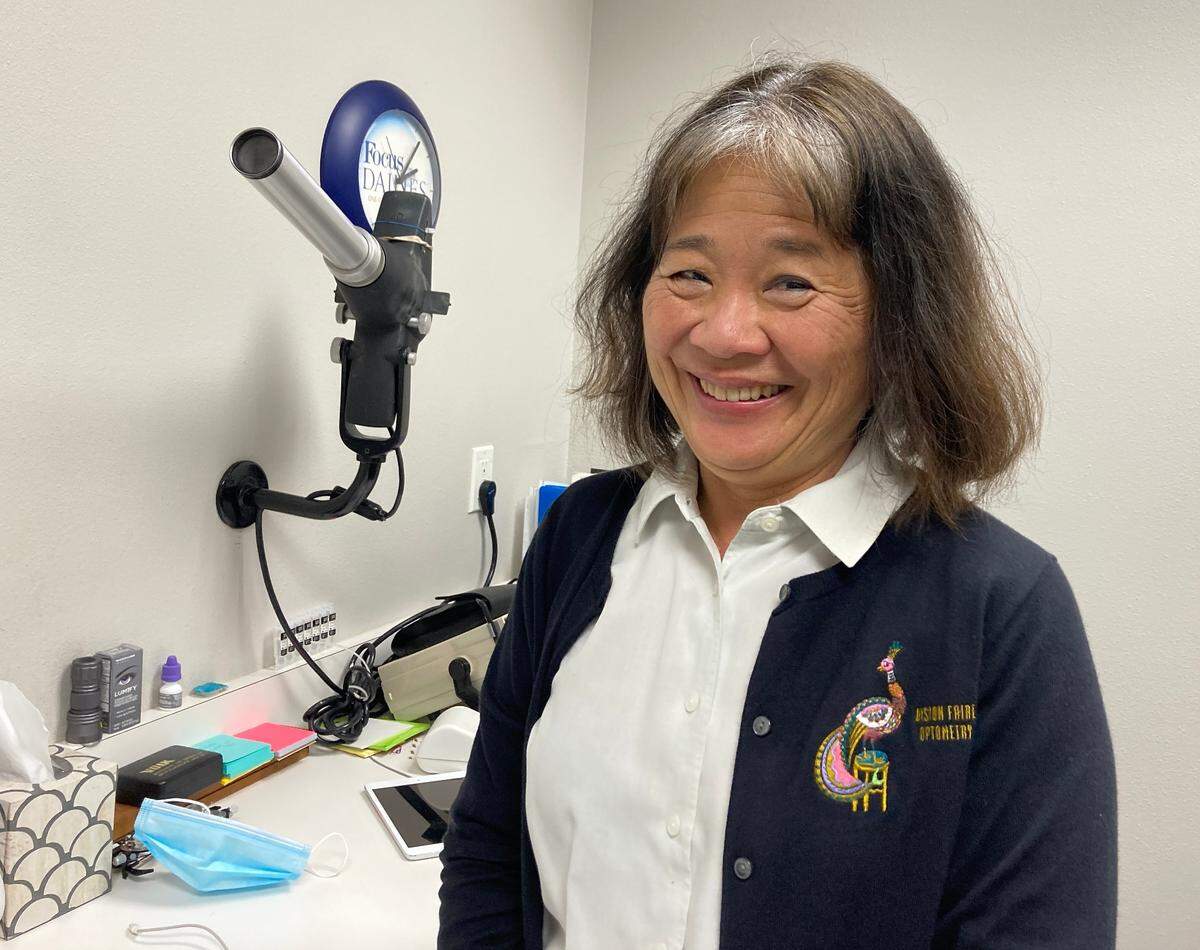
“It’s a big deal,” said Dr. Nancy Shoji, a Modesto optometrist and owner of Vision Faire Optometry, “because kids are stuck indoors on their computers and screens all day.”
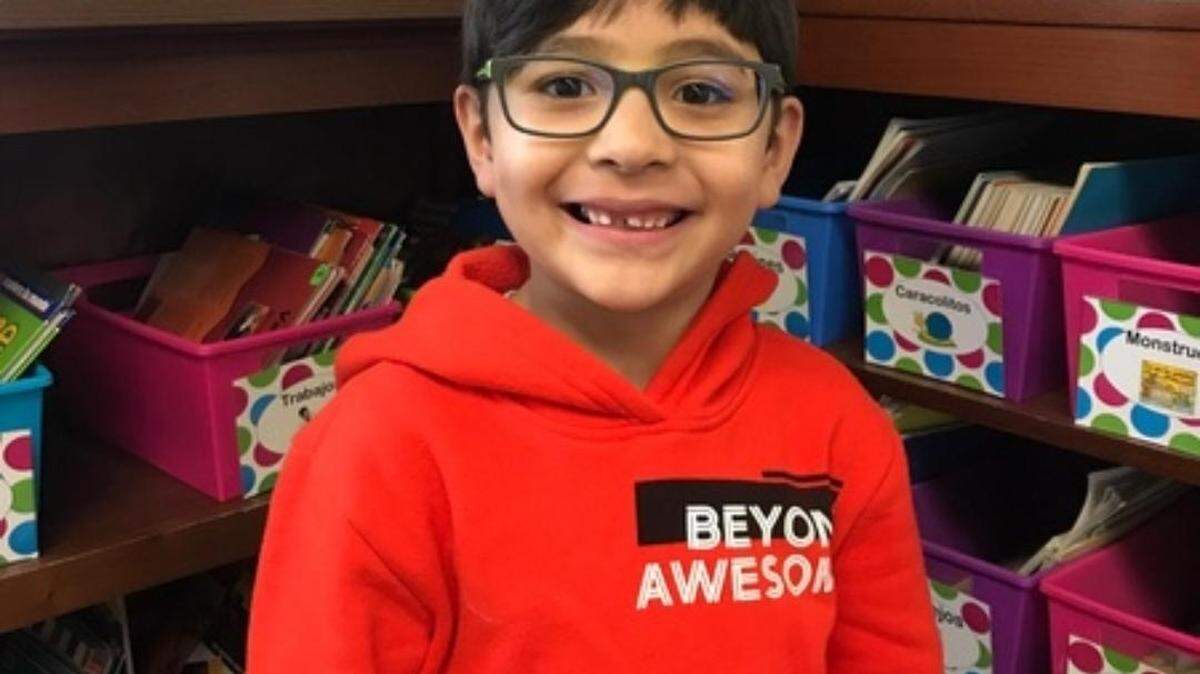
Betty Contreras, Shoji’s optometric assistant, said her 7-year-old son Alec Contreras’ myopia has worsened over the past year.
She said Alec was diagnosed as nearsighted when he was 4, after she and her husband noticed how close he was getting to a smartphone to watch a video.
“When he first came home with his glasses, I remember him asking, ‘Mom, did you get a new kitchen?’” said Contreras. “Everything looked new to him because he could see things clearly.”
She said Alec now spends about six hours a day on screens between schoolwork and fun activities, and his nearsightedness is progressively worse. Alec is Shoji’s patient, and he loves his glasses, even wearing them into the shower.
Shoji said her practice has not seen a significant increase in the number of young children seeking care, in part because fewer parents are bringing little ones in for routine exams during COVID-19. However, she has seen quite a few teens with computer vision syndrome, which includes symptoms of eye strain, dry eyes, headaches and neck and shoulder pain.
In China, researchers looked at school-based vision screening in 2020 of more than 120,000 children, ages 6 to 13, who had been confined at home due to the pandemic. They found that myopia increased 1½ to 3 times for the youngest ages, 6 to 8, compared to the previous five years. The study was reported in the medical journal JAMA Ophthalmology.
The higher rates of myopia were attributed to the increased time that children spent looking at electronic devices and less time outdoors. The researchers thought the older children, 9 to 13, were less affected because their eyes were more developed.
Shoji said the American Optometric Association is calling the increase rate “a myopic epidemic” as multiple research studies are emerging showing profound increases in nearsightedness among kids, including at younger ages.
More myopia
Over the past several decades, myopia has been increasing among children and adolescents worldwide. In a 2018 report of children ages 5 to 18 enrolled in Southern California Kaiser Permanente, nearly 42% of about 60,000 kids had myopia.
Genetics is a factor, as children with nearsighted parents have higher risk of developing it. But there is also increasing evidence of a link with screen time, including computers, video games and smartphones, though the exact reasons are not clear.
Screen time for kids has increased since the pandemic, in part because of distance learning but also due to leisure activities including viewing YouTube, movies, social media and video games.
In a survey performed by Morning Consult of 899 parents, 70% reported that their children, from toddlers to teens, spent four or more hours in front of a screen, compared to the pre-pandemic rate of about 40% of parents reporting that much screen time for their children.
To add to the eye problems, some kids may not be diagnosed in a timely fashion because many routine vision screenings in schools have been canceled during remote learning. In addition, some parents have postponed regular check-ups for their kids due to fears of COVID-19 at medical offices.
Children’s eyes go through rapid changes, especially before the age of 6, and myopia can progress well into the late teens, so routine check-ups are essential.
Symptoms of vision problems
The following may signal vision problems for children and teens:
- Frequent headaches
- Reports of blurry vision, dry eyes or eye strain
- Frequent eye rubbing
- Squinting
- Sitting closer than usual to the TV or computer screen
Health experts also express concern about the blue light emitted from electronic devices, not so much for eye health but sleep hygiene. The effects of blue light on humans is controversial, though it is known to decrease melatonin, which promotes alertness during the day. Disrupting melatonin production at night can interfere with quality sleep.
Shoji recommends the following steps to help prevent myopia:
▪ Limit screen time.
▪ Take breaks from looking at the screen, and encourage looking at items at a distance.
▪ Spend time outside — she recommends at least one hour every day.
▪ Turn off screens, ideally at least three hours, before bedtime to help sleeping.
▪ Seek consultation with health care professional if concerns persist.
The American Optometric Association, as well as other child health professionals, encourage families to maintain routine eye exams for children beginning at age 6 to 12 months, including during COVID-19.
This story was produced with financial support from The Stanislaus County Office of Education and the Stanislaus Community Foundation, along with the GroundTruth Project’s Report for America initiative. The Modesto Bee maintains full editorial control of this work. To help fund The Bee’s children’s health and economic development reporters with Report for America, go to bitly.com/ModbeeRFA
This story was originally published March 22, 2021 at 5:00 AM.