
Modesto area community groups spread the word about the importance of the 2020 Census
A distrust of the government. A language barrier. A reluctance to participate in a process they don’t understand. These are just some of the obstacles that stand in the way of getting an accurate census count in some of Stanislaus County’s most impoverished and underrepresented neighborhoods.
Community groups are trying to take down those obstacles by letting residents know that they don’t have to be fearful about participating in the 2020 census, and that an accurate census could mean more social services and other benefits for their community.
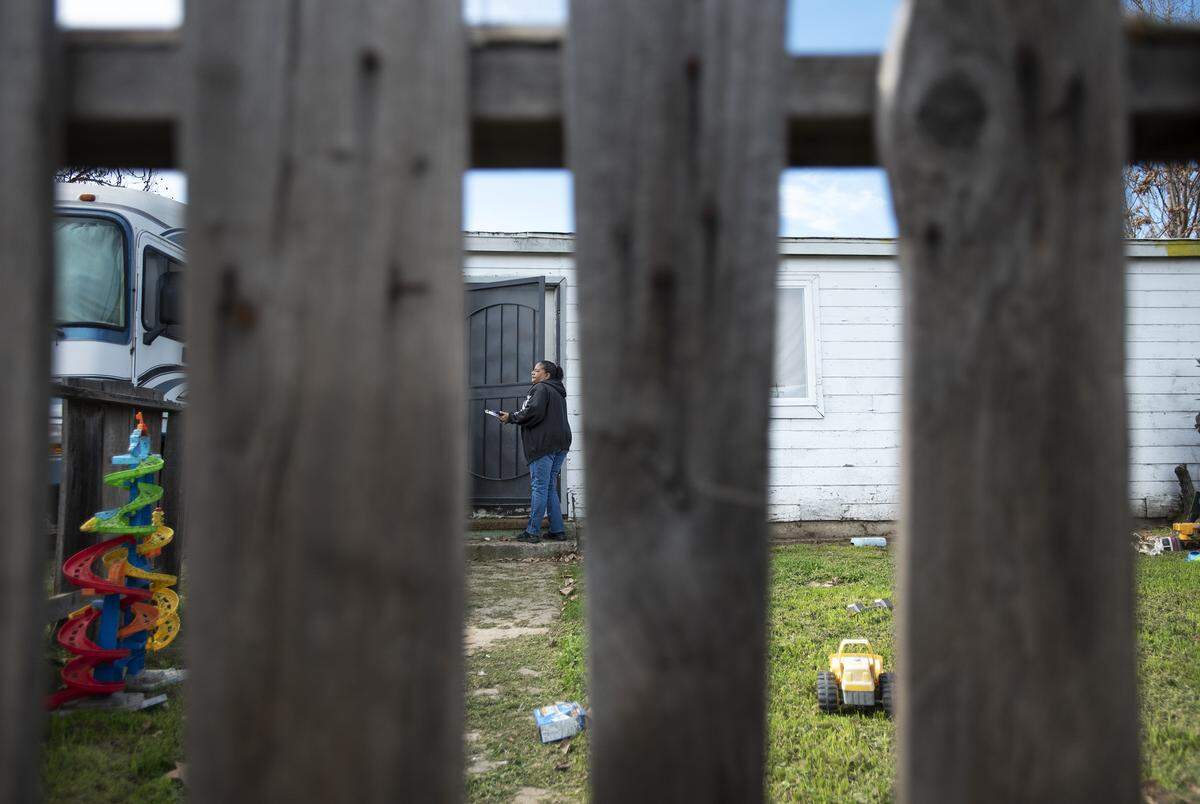
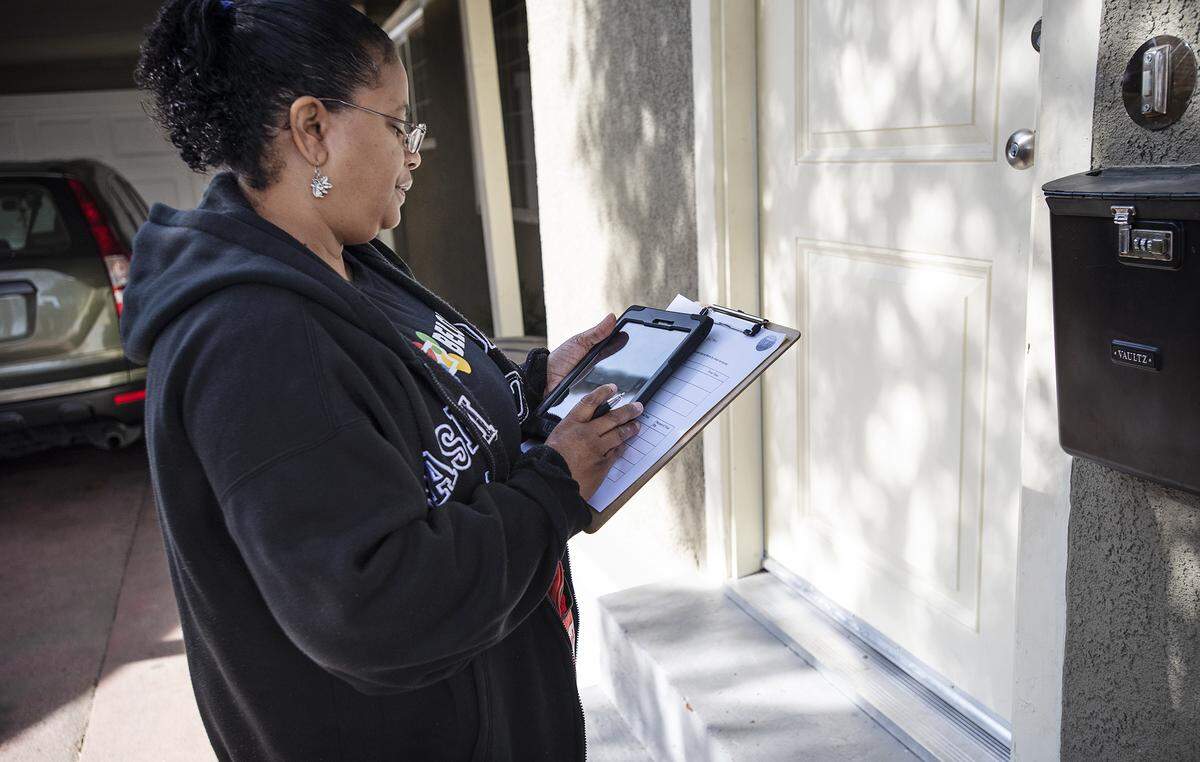
Faith in the Valley, a nonprofit group that offers help to underserved residents, is canvassing neighborhoods and speaking to households that have not participated in the census before.
Especially in communities with immigrants, many residents fear their personal information on census forms will be handed to federal immigration enforcement officials and lead to their deportation. But that is not the case, said Lety Valencia, director of the Stanislaus branch of Faith in the Valley.
Advocates and elected officials, such as state Attorney General Xavier Becerra, fought to keep a citizenship question off the census form. In June, the U.S. Supreme Court rejected the Trump administration’s efforts to include the question in the 2020 census, concluding the administration’s reasoning appeared to be “contrived.”
But there still is a lot of misinformation that trickles down to immigrant communities, Valencia said.
“Though the (citizenship question) is not going to be on the census, the damage has been done,” Valenicia said. “There’s rhetoric out there that says that not everybody is welcome in our community.”
There will be fewer federal resources to count the population in California than the decennial census, Valencia said. So, groups such as Faith in the Valley have received funding from the state or the county or other sources to encourage residents to submit their census information.
At a kickoff event in downtown Modesto last year, Modesto Mayor Ted Brandvold said proper population count ensures government agencies get enough money to help the homeless or respond to the need for affordable housing.
Valencia said some households with multiple families might be afraid to provide accurate census information. They fear their landlord will find out more than one family is living in the home, which could lead to an eviction. But Valencia says that census information will not be handed to any landlord.
“There is no danger in making sure everyone is counted.”
The U.S. Census Bureau says it is bound by law to protect census answers and keep them strictly confidential, and census employees take an oath to protect personal information for life. The bureau’s website offers safety tips on how to avoid online phishing scams and toll-free phone numbers to report suspected fraud.
An accurate census count could lead to a new school, a new hospital or a new grocery store in a community. Advocates say determining a need for resources, including retail businesses, is dependent on population counts and demographic information.
Faith in the Valley has been knocking on doors throughout the county since December, showing residents how to submit their information.
Other organizations, such as El Concilio, are inviting residents to their offices to fill-out census forms online. Even some participating libraries will have computer kiosks to submit census information. The goal is to offer residents a safe space for residents to fill out the forms and ask questions, said Lynnette Lucaccini, the site supervisor for El Concilio in Modesto.
“It’s just a high level of mistrust,” Lucaccini said. “But they can go to a trusted agency, like El Concilio, and submit it online.”
El Concilio’s office in Modesto is at1314 H St., and residents with questions about the census can call 209-523-2860.
Lucaccini said census forms have been translated into 52 languages, including Spanish and Punjabi, and the translated forms are sent out according to previous census tract demographic information. If residents need a translated form, they can simply ask for help at a trusted agency or community group.
El Concilio recently held a coalition forum, inviting advocacy groups and residents to Argus High School in Ceres for a discussion with a census specialist.
“This a Herculean effort to get everybody counted,” Lucaccini said. “We have to show (through the census) that the community needs these services.”
She said the easiest and safest way to submit the census form by sending it back in the mail. If residents don’t submit the forms in the mail or online, they’ll receive reminders before a census worker could knock on their door. Lucaccini encourages residents to make sure to ask for valid identification from a census worker before participating in the survey.
Jose Sabala, president of the nonprofit South Modesto Partnerships, said many residents in his neighborhood simply don’t understand how census information can bring new resources and more congressional leaders in the U.S. House of Representatives.
“This is part of bringing up the voice of the neighborhood,” Sabala said.
There also are a lot of hard-working families in south Modesto, who come home after a long day from work and have little energy to fill out a census form, he said.
“So, (the census) is not a priority,” Sabala said. “The priority is to pay the PG&E bill. The priority is the grocery list.”
But that’s why community groups need to promote the census and its importance, Sabala said. His nonprofit group is a grassroots organization that has pulled together volunteers to improve the neighborhood. He said familiar faces will go a long way to spreading the word about the census in his neighborhood.
“It will be tough,” Sabala said. “But we want to educate the community about how the census leads to funding for revitalization for the neighborhood, like road repairs and street lights.”
Important Dates for Census 2020
- March 12-20: Households will begin receiving official Census Bureau mail with detailed information on how to respond to the 2020 census online, by phone, or by mail.
March 30-April 1: The Census Bureau will count homeless people over three days in shelters, at soup kitchens and mobile food vans, along city streets, and at outdoor locations such as tent encampments.
April 1: Census Day is observed nationwide. By this date, every home will receive an invitation to participate in the 2020 census.
April: Census takers will begin visiting college students who live on campus, people living in senior centers, and others who live among large groups of people. Census takers also begin conducting quality check interviews to help ensure an accurate count.
May-July: Census takers will begin visiting homes that haven’t responded to the 2020 census to help make sure everyone is counted.
December: The Census Bureau will deliver apportionment counts to the president and Congress as required by law.
Source: United States Census 2020