‘Always a surprise to be found.’ Fun and frustration researching Modesto history
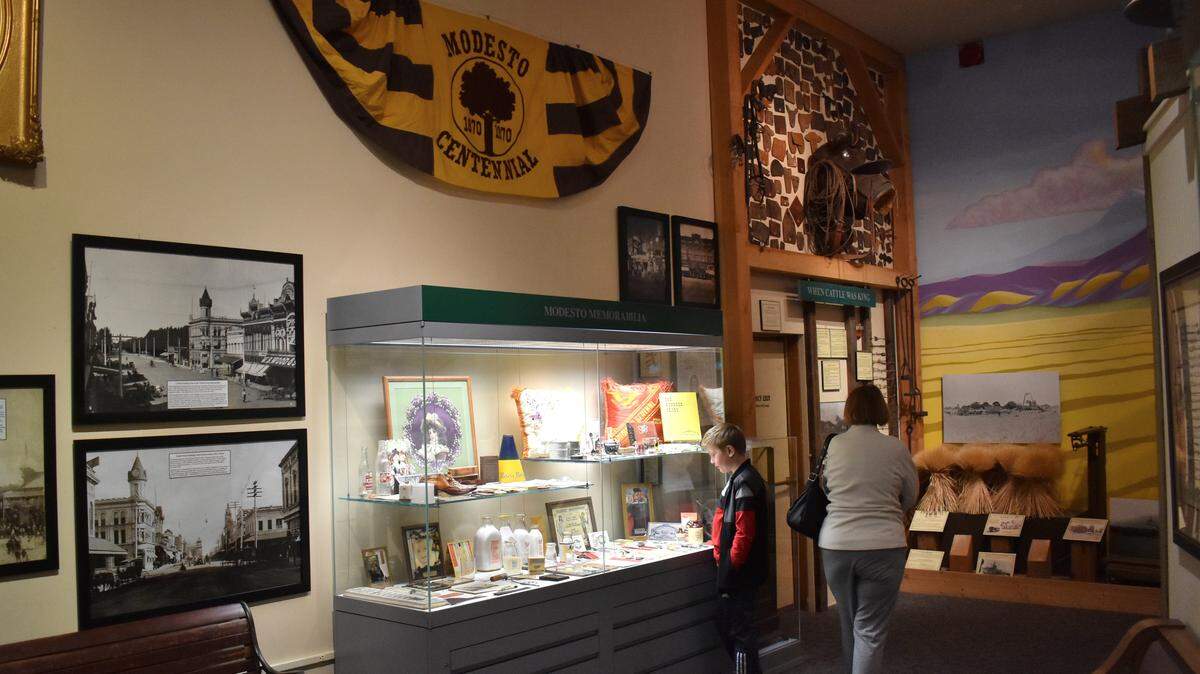
For those who’ve done little or no looking into the history of the city in which they live, there’s no time like 150 years after it was founded.
As Modesto approaches 2020, its sesquicentennial year, researchers among the Modesto150 celebration organizers and others working on their own are making it easier than ever to learn about its founding as one of the San Joaquin Valley’s railroad towns.
The history section of the modesto150.com site has a timeline of important dates and interesting tidbits, such as:
While it was not the first municipal airport built, Modesto was the first city in the country to plan for an airport in its 1910 charter.
In 1920, the first air freight delivery of auto parts, flown from San Francisco to Modesto, made national news.
In 1925, the Beaty Building became the first electrically heated building in California.
In 1936, Sciabica’s California Olive Oil began doing business, and now is the oldest producer in the country.
The timeline will be updated throughout 2020 with information from the Modesto150 history committee, said Thomas Reeves, the city’s community and media relations officer.
“Denise Crosby as our historian on our steering committee has been diligently pulling together historical tidbits of information to put on this part of the website,” Reeves said. “And it’s pretty unique because her committee has chosen to not necessarily focus on the obvious things about the city’s history — McHenry, Ralston, that kind of stuff.
“We have tiles up on the history page of the website of lesser-known things like curbside recycling, which was apparently founded in Modesto, the Asian settlement and the influence of the Asian culture in Modesto, the Women’s Improvement Club, a couple of other things.”
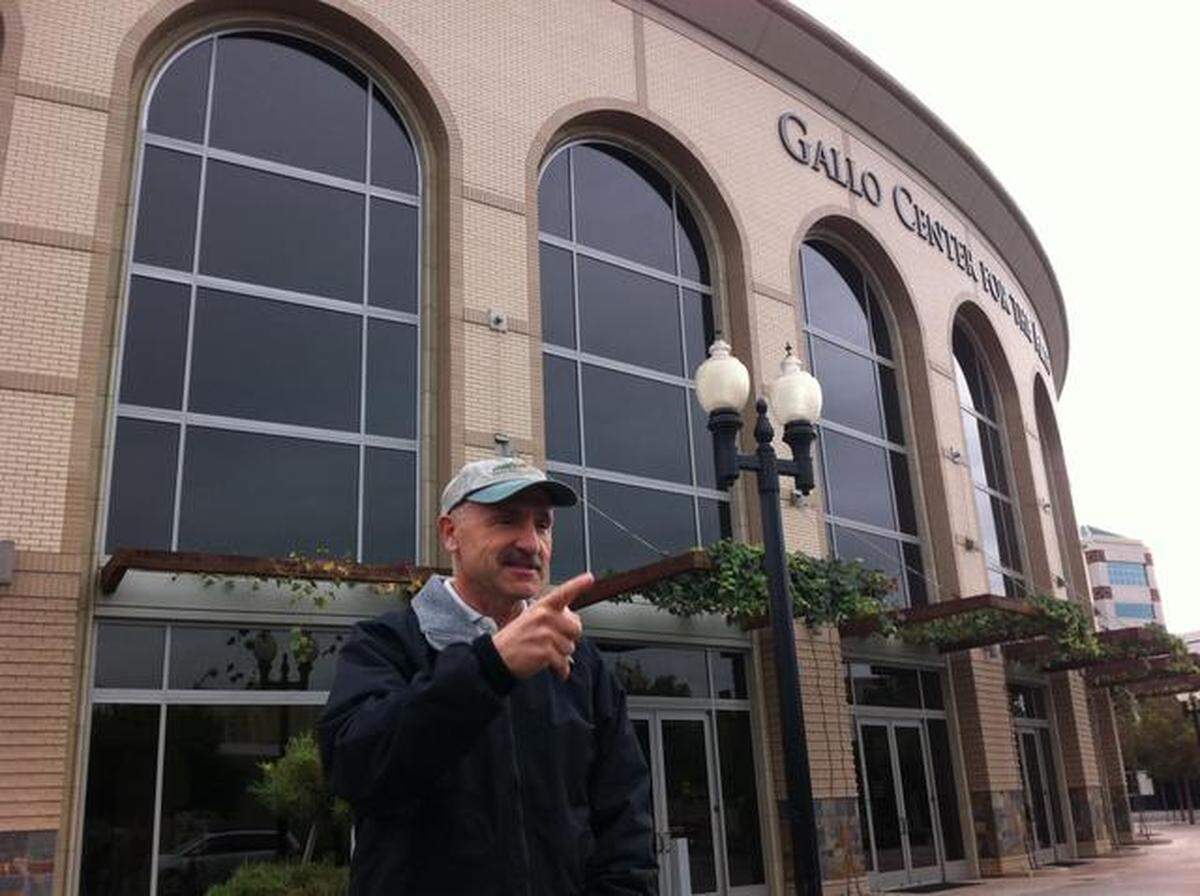
The other tiles include rail history and architecture, which are favorite topics of Bob Barzan, who’s doing sesquicentennial research independent of the history committee. Barzan, founder and treasurer of the Modesto Art Museum, said digging into the city’s history is both fun and frustrating.
He’s discovered how inadequate local resources are, he said. For one thing, there’s not been a historical society specific to Modesto, so far as he can find, Barzan said.
He said the McHenry Museum & Historical Society is more about the county. He noted the statements on its website that its objectives include promoting “cultural activities and appreciation of the history of Stanislaus County and its residents” and encouraging “the collection and preservation of historical artifacts and archives, including but not limited to: the acquisition or creation, preservation and promotion of the physical, oral and written history of Stanislaus County and its residents, both at the Museum and elsewhere.”
In researching railroad history in Modesto, Barzan said he’s had to travel to Sacramento and San Francisco to find much. There’s “a little” information to be found in the basement of the McHenry Museum, including some of the city archives, he said, but a lot of the city records are in long-term storage because no other home for them has been established. “I’ve talked with some of the City Council people, but no remedy has been found.”
Crosby (who could not be reached for this story) is among a group of residents working to create a Modesto historical society, going under the umbrella of the Modesto Heritage Center and expanding its focus, Barzan said. The Heritage Center is part of Building a Better Modesto, a program of the Modesto Art Museum.
The fun Barzan has had is in bringing historical gems into the light. Like getting to see in the state document archives the original blueprints for the depot erected in 1915 in downtown Modesto by the Southern Pacific Railroad. And at the state railroad museum, getting to see an 1880s railroad reservation map. He said he had no idea what to expect, and what was brought to him turned out to be several sheets of paper showing the tracks that would be coming through Modesto and all the things associated with them — the depot, other buildings, water tanks, even lumber piles.
Just this month, Barzan found in the July 29, 1913, edition of the Modesto Evening News that a solar water heating system was installed on the roof of a building at 10th and J streets downtown. “The device was called the Night and Day Solar Water Heater,” he said. Through further digging, he determined it to be the building on the southeast corner, now occupied by Picasso’s Gourmet Deli and other businesses.
And in an electricians journal from 1925, he found an article on the Beaty Building at 11th and J being the first electrically heated building in the state. That building on the southeast corner now has Tresetti’s World Caffe on the ground floor.
“There’s always a surprise to be found,” Barzan said. One unexpected twist on an old Modesto story that he’s still looking into regards the naming of the town.
The widely accepted basic account remains unchanged: The railroad directors decided to call their new town Ralston, honoring financier William Ralston, considered the “father” of San Francisco. He modestly declined the tribute, giving rise to the Spanish word for modesty: Modesto.
But what Barzan said he’s found casts doubt on the intent in giving Modesto its name. “There’s a little bit of a mention of the issue in a book that came out in 1970 for Modesto’s centennial that there were problems with the story,” he said.
So he read through newspaper accounts of the time. Some papers reported that his refusal upset the powers that be, who named the town Modesto in “retaliation” or “derision.”
“I thought it was interesting that he did allow another Ralston to be named after him just a few months before,” Barzan said, referring to a small mining town, Ralston City, New Mexico, which later was renamed Shakespeare and now is a ghost town.
Surprised that much of Modesto’s past has been left unexplored, Bazan said, “I’m hoping the 150th anniversary events will stir some interest and the new Modesto Heritage group will take on the work of breaking open our history.”
This story was originally published December 28, 2019 at 5:00 AM.