Did Canadian cannabis firm bypass vetting in Stanislaus County? Project is under review
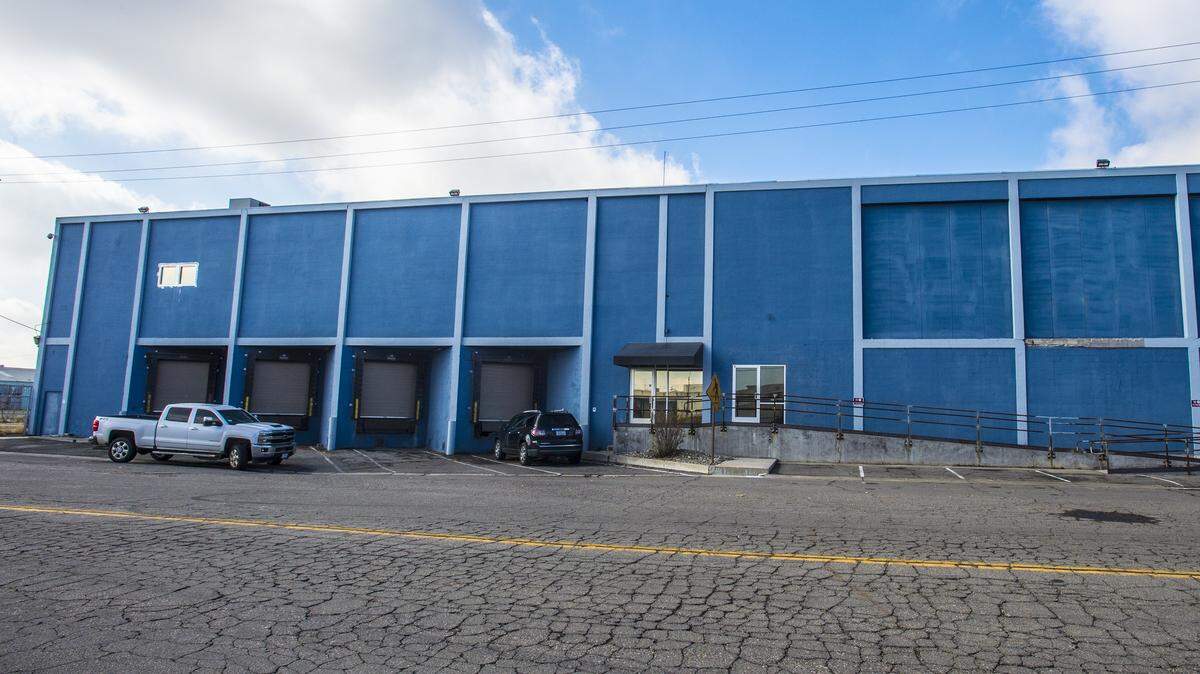
Stanislaus County leaders will decide if a company is approved for a large cannabis operation in an industrial area in south Modesto.
Lyfted Farms, a local business, is formally applying for the permit for cultivation, manufacturing and distribution operations in the 196,000-square-foot building on Daly Avenue, south of Yosemite Boulevard, one of the largest cannabis proposals seeking a permit from the county.
But it’s clear a startup company from Canada has big plans for the facility and has been the mastermind of the project. The company, Transcanna Holdings Inc., was barely mentioned in the county’s 10-page staff report on the project, which was considered Thursday by the county Planning Commission.
The issue concerns whether the Canadian company has been held to the same application requirements as other businesses that have wanted to cultivate weed or sell it to customers in Stanislaus County. The county turned down some businesses that applied to the county cannabis permit program in early 2018, forcing some to close.
Transcanna was not one of the original cannabis applicants to the county in 2018. It simply bought a permit holder this year, and the application for the Daly Avenue facility submitted to the county in August has moved ahead in line, while some original cannabis applicants are still waiting for hearings.
Transcanna, which touts the Daly Avenue facility as the “backbone of our strategy in the largest cannabis market in North America,” received a positive recommendation for a land use permit Thursday from the county Planning Commission, even though a mandatory criminal background check has not been completed on the company.
“I don’t know why the Planning Commission would approve them without a background check,” county Supervisor Jim DeMartini said. “I don’t think it was the intent of the board to let someone buy a permit from someone else.”
The county Board of Supervisors will have final say on the permit approval. County staff said the permit application can’t proceed to supervisors until the Department of Justice completes a background investigation on the Transcanna principals in Canada.
“We will disclose anything the county wants,” Transcanna Chief Executive Office Steve Giblin said last week. “They can do background checks. We can’t hide anything.”
Giblin said the company is an open book because its stock is traded on the Canadian Securities Exchange, which requires regular financial disclosures for investors.
Transcanna was not one of the original applicants two years ago when the county called for commercial cannabis permit applications and subjected applicants to a strict vetting process. Only those applicants cleared by the vetting process have been approved for permits to run cannabis businesses under Proposition 64.
Most of the county review of the Daly Avenue proposal has focused on Lyfted Farms, one of the original applicants to the county’s legal cannabis program. Lyfted was granted a permit in February for indoor cultivation and distribution in a 19,000-square-foot warehouse in north Modesto.
Transcanna purchased the Daly Avenue building in April and in May announced a nonbinding letter of intent to acquire Lyfted Farms and its assets. Lyfted was eligible to submit an application for the Daly Avenue project when the county opened a second window for cannabis applications from July 31 to Aug. 30.
Transcanna was not eligible to apply in August because it was not an original cannabis applicant to the county. Transcanna completed the acquisition of Lyfted Farms in November. The Daly Avenue building still needs a county permit before it’s licensed by the state. As the property owner, Transcanna does need to clear the criminal background check under the county rules.
Transcanna boasts on its website that the Modesto facility positions the company to supply high-quality cannabis to dispensaries in California’s enormous market.
“Supplying California’s vast geographic area while navigating its state regulations has proven a barrier for out-of-state companies,” Transcanna’s website says.
Giblin said that from 200 to 300 workers could be employed between the Lyfted Farms site on Jerusalem Court in north Modesto and the Daly Avenue facility.
Financial disclosures
The Canadian company was founded in 2017 and its financial numbers are what you might expect from a startup.
A May 31 financial statement said it had not produced any sales or revenue since the company’s inception, and a quarterly statement Aug. 31 reported no revenue for that period. External financing, or the sale of stock, has funded its business activities. Since May, its stock price has fallen 90 percent to less than $1 per share, partly owing to investor disappointment in the cannabis industry, Giblin said.
Transcanna paid $15 million for the Daly Avenue property, including the building on 6.5 acres and cannabis packaging and processing equipment. The seller, Cool Swang, had done $8 million in tenant improvements to the facility, but a group of cannabis applicants for that site did not pass the county’s screening process.
Transcanna paid a $250,000 deposit and an $8 million payment but owes $6.75 million to Cool Swang, due April 15. The company still owes $4 million for the acquisition of Lyfted Farms that may be payable June 30.
In addition, about $1.5 million is needed to finish improvements to make the Daly building operational.
Last week, Transcanna also reported it was served with a lawsuit brought by Pacific Agriculture LLC of New York state. The breach of contract suit claims Transcanna backed out of a deal to acquire Pacific Agriculture for $20 million. Calling it a nuisance lawsuit, Giblin said the company denies the allegations and only signed a nonbinding letter of intent to acquire Pacific
On the brighter side, Transcanna began taking in revenue, including $200,000 in October and more than $500,000 in November, after buying Lyfted Farms, said Giblin, whose professional background includes turning businesses around in the hotel industry. The company also acquired Santa Cruz-based SolDaze and its line of cannabis-infused fruit snacks earlier this year.
Giblin estimated the Lyfted Farms operation on Jerusalem Court could generate upward of $6 million annually. The company has just below $3 million in the bank, he added.
The Daly Avenue facility could gross $30 million by the end of next year, Giblin said, if it’s permitted to cultivate plants and make products for distribution to retail stores in San Francisco, Sacramento and other markets.
“Our revenues are starting to take off,” Giblin said. “We are going to have a good income statement with money in the bank. We have a great management team in Modesto and are optimistic about what will happen to our company in 2020.”
Transcanna has equity in the Daly facility and will refinance the property to clear the debt owed to Cool Swang, the CEO said.
Giblin said Transcanna is made up of five people at desks in a corporate office in Vancouver, and two of them are consultants. “We are in Canada as an investor,” he said, but the company’s operations are going to be in Modesto in collaboration with the Lyfted Farms team.
Cool Swang’s owner is a shareholder in Transcanna and used his contractor skills to make improvements to the Jerusalem Court facility, Giblin said.
County review
County officials could not provide answers last week when asked if the financial status of Transcanna was a factor in considering the permit. Or whether an expert could tell how the publicly traded company stacks up against other cannabis businesses awarded permits.
The development agreement for the Daly project could yield $2.7 million in fees for the county over five years.
Keith Boggs, a county assistant executive officer who oversees the cannabis program, said the Daly Avenue facility is among the largest cannabis proposals to come before county governing bodies.
The initial reviews of the Daly Avenue proposal mostly focused on Lyfted Farms because Transcanna had not yet completed the purchase of the local business, staff said. The county wants applicants to show a solid business plan, but they’re not expected to guarantee success, Boggs said.
The county assumes some permit holders will fail in a competitive environment.
“Since (Transcanna) is the property owner, we will be doing background checks on their principals,” said County Counsel Thomas Boze, who participated with Boggs in a phone interview Wednesday with The Modesto Bee. A request for a background check has been submitted to the FBI, he said.
Thursday, county planning commissioners considered the application and asked when a Department of Justice background check on Transcanna principals would be completed. The Stanislaus County sheriff runs a criminal background investigation on cannabis permit applicants, but a DOJ search extending to foreign countries can take six months.
County staff said a DOJ background check on the Canadian firm was requested in August. The commission voted unanimously to recommend the Daly project for approval but it can’t proceed to the Board of Supervisors without the DOJ results.
The county’s review process scored the Daly Avenue proposal on criteria including location, business plan, qualifications of principals, community benefits, employment, air quality plan, product safety, security and neighborhood compatibility. For applications to move forward, the county required at least a 70 percent score on meeting the criteria.
Aside from the normal background check and the site specific issues, the county review would have scrutinized a Transcanna application based on the business plan and qualifications of principals criteria.
Giblin said investors should take notice when his company starts posting income figures. He recognized that other “big green” cannabis operations have struggled this fall due to taxes, financial losses and lower-cost illegal weed, resulting in hundreds of employee layoffs from Northern and Southern California to Chicago. Weedmaps, the online service that points customers to dispensaries and delivery options, has cut a quarter of its workforce.
The business executive sees a parallel with the dot.com bubble of the 1990s.
“A lot of investment was made in companies with good ideas but they could not execute,” Giblin said. “I would say the cannabis industry is the same. People with good ideas but they can’t execute. Lyfted is a company that has executed for more than 20 years.”
Lyfted Farms, established in 1996, was providing access to medicinal marijuana before the 2016 vote in California to legalize cannabis.
This story was originally published December 19, 2019 at 3:44 PM.