County leaders spend big to shelter and house the homeless. But, not everyone is happy
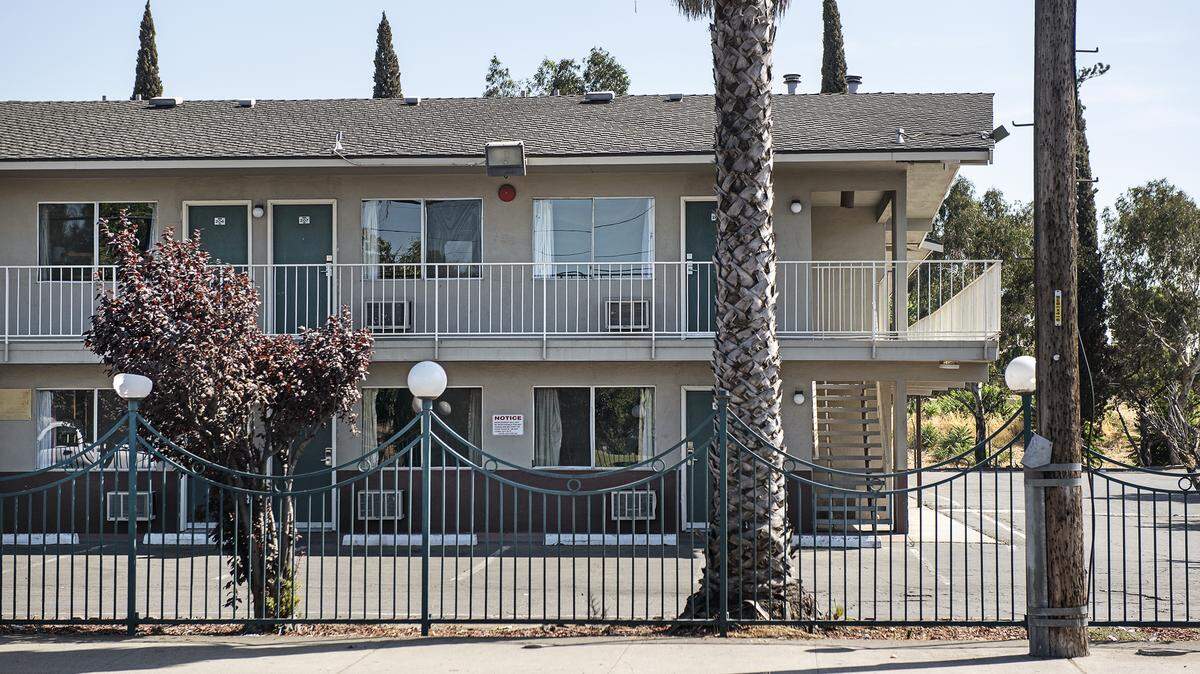
Stanislaus County leaders on Tuesday approved agreements with agency partners to shelter and house the homeless after the Modesto Emergency Outdoor Shelter closes in the coming months.
Supervisor Jim DeMartini was in disagreement with the series of board votes approving the agreements. Supervisor Kristin Olsen was absent.
Under an agreement with the county, the Salvation Army will operate a $4.8 million access center and low-barrier shelter adding 182 beds to its center at Ninth and D streets in Modesto.
The county will partner with the Housing Authority and Modesto to acquire and renovate a Kansas Avenue motel for the Kansas House, an $8 million project to provide supportive housing and services for 200 people who are homeless or nearly homeless, including men and women, partners and single parents.
The Board of Supervisors also created a housing and homeless services division in the Community Services Agency, with 10 staff members to work on housing and supportive services for homeless individuals and families. The costs for the new positions amount to $1.47 million annually.
With the millions of dollars in public spending, Tuesday’s actions did not get full support from a county governing board dominated by Republicans.
DeMartini said the board was approving major expenditures without knowing if the efforts will alleviate a homeless crisis that plagues many jurisdictions in the state. The supervisor expressed displeasure with a lenient policy to allow people with dogs and shopping carts in the low-barrier shelter.
He questioned why the Kansas House furnishings will include washer-dryer units for residents in place of a laundry room.
“It seems like there is no end to free stuff for these people,” DeMartini groused. Staff explained that laundry rooms are less safe and typically get damaged.
The additional shelter space and supportive housing will be needed in the next three months as 425 people are moved out of MOES, a temporary tent city under the Ninth Street Bridge.
The Salvation Army will provide 24-hour staffing daily for the low-barrier shelter to run the programs and case management, serve meals and provide janitorial services. The food service will include a continental breakfast, lunch, dinner and snacks.
Operating the shelter is expected to cost up to $3 million annually. The county is considering a variety of funding sources, including state and federal programs, the Mental Health Services Act and community contributions such as a $90,000 grant from Kaiser Permanente.
The Salvation Army already has a 156-bed shelter at the Ninth Street center and is working on a 50-bed expansion of that shelter.
To pay for the Kansas House project, the Housing Authority is contributing $2.1 million; Modesto’s share is $2.5 million in community development funds; and $3.4 million will come from county Behavioral Health and Recovery Services and Mental Health Services Act money.
The shelter and housing facilities, also including a motel lease on South Ninth Street for year-round family housing and winter use of a migrant center in Empire, include services to help the homeless rebuild their lives and become self-sufficient. Even though the Kansas House will have no time limit on stays, the expectation will be for residents to take advantage of services to gain employment and live in the community.
Board Chairman Terry Withrow said it’s easy to criticize the efforts and disregard the growing homeless population in Stanislaus County. “The hard thing is trying to dive in and do something about this,” he said.
This story was originally published October 1, 2019 at 5:09 PM.