
Authorizations denied for low-income kids with dental decay
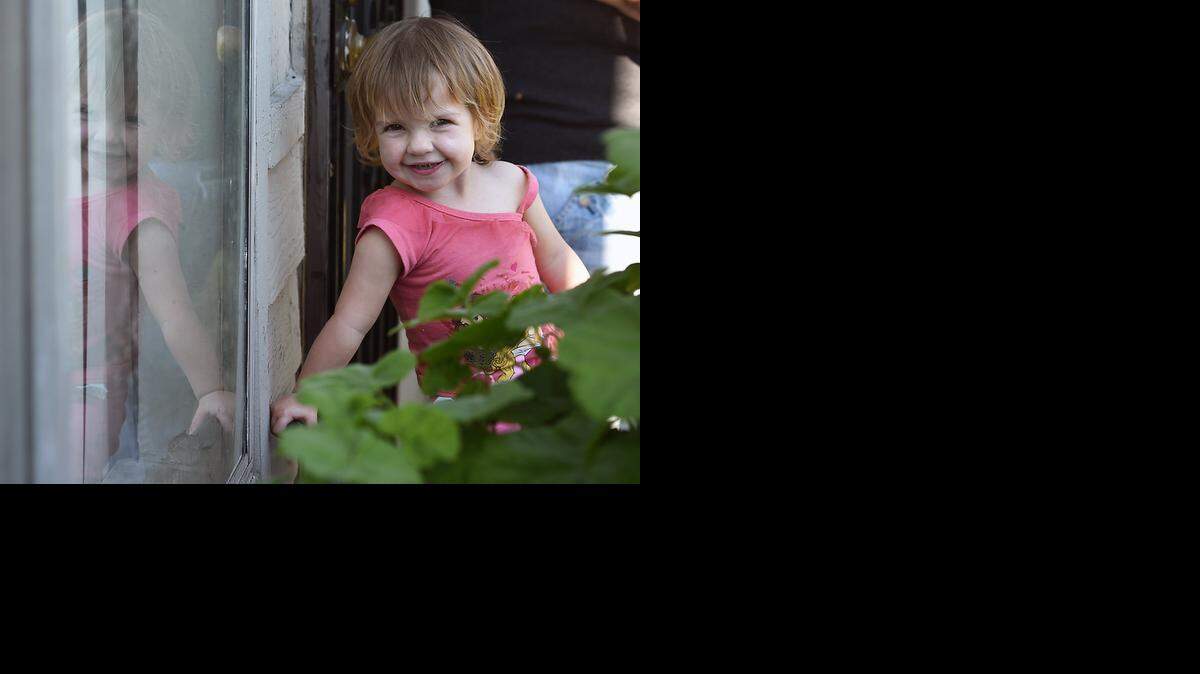
As health experts and politicians in Sacramento this week debated the merits of raising Medi-Cal reimbursements, the problem with access to dental care has hit close to home in Stanislaus County.
Jennie Boyd of Ceres said a Medi-Cal health plan twice rejected authorization requests for her daughter to receive treatment for extensive and painful tooth decay.
The partners who run the Salida Surgery Center capped the girl’s front teeth and made numerous fillings Feb. 27 without any payments from Health Plan of San Joaquin, the largest Medi-Cal-managed care plan in Stanislaus and San Joaquin counties. The center’s owner would not turn away the 21/2-year-old girl but said he can’t continue treating low-income children at a loss.
“They should be approving the kids,” Boyd said. “I don’t know why they are doing that.”
California has one of the lowest Medicaid reimbursement rates in the nation, causing surgery centers and hospitals to cut back on providing dental care for severely disabled adults and young children with extensive dental decay. Developmentally disabled adults have the work done under general anesthesia because they may be combative or unable to cooperate in a dentist chair.
Young children with 10 or more cavities are put to sleep so they are not traumatized by multiple procedures and the treatment can be done in one sitting.
Health Plan of San Joaquin stopped giving routine approval in September for general anesthesia dentistry. It requires what the surgery centers claim is an unreasonable amount of documentation on the medical need for anesthesia.
The owners of Salida Surgery Center said only three of their requests have been approved since September. The dispute also affects Children’s Dental Surgery Center in Stockton and Central California Surgicenter in Atwater. A state law requires the health plan to pay a facilities fee to the centers and reimburse them for anesthesia.
Pankaj Patel, co-owner of the Salida facility, said the health plan denied Boyd’s request on grounds that behavioral modification and oral sedation had not been attempted. Patel said a 2-year-old can’t be persuaded to cooperate with a dentist, and oral sedation is risky.
Boyd said she obtained written approvals from her daughter’s physicians but the plan still denied the request. The required documentation has included X-rays, treatment plans, clearance from the patient’s doctor, proof of diagnosis for patients with autism or other disabilities, and evidence that behavior modification failed.
Patel said the vast majority of patients referred to the center won’t sit still for X-rays without sedation. Patel said the requests are denied when the information is provided. He has charged that the health plan is mainly concerned about meeting its budget.
“There is no one else who would treat a 21/2-year-old patient, and there was no reason to deny it,” Patel said.
David Hurst, a spokesman for the health plan, said privacy guidelines prevent the agency from commenting on Boyd’s authorization request.
Pediatric anesthesia risky
He said the plan continues to be concerned about requests from the centers that don’t support the medical necessity for general anesthesia. “The use of anesthesia for pediatric procedures involves risk and that’s why we are cautious in authorizing its use for our youngest members,” the agency said.
Hurst clarified that authorization requests are often deferred while more information is requested from the centers. The surgery centers are not furnishing the additional information or calling the Stockton-based plan to discuss what else is needed, he added.
In the Sacramento area, where access to dental care for low-income children is in crisis, Sutter Health decided last year to cut hospital-based dental surgery because the reimbursements failed to cover costs. Following an outcry, Sutter agreed for humanitarian reasons to continue service two days a week while another solution is explored. Severely disabled adults from Stanislaus County are referred to the hospital for dental care.
“We lost a lot of access,” said Dr. Rodney Bughao, who provides dental treatments to disabled adults in Sacramento. “In the past, we were seeing 100 patients a month and we have cut 40 percent of the patients. More than 500 people who normally received dental care will not get the care they need.”
He said the delays in care for severely disabled adults will mean more tooth extractions and more restorative work for advanced decay. Bughao said it will take dollars to rebuild the service. “Does the state care enough about this population to spend the money?” he asked.
Bughao said the stated concerns about general anesthesia are a cop-out, as it’s routinely used in children’s hospitals.
Alan Vallarine, who runs a Fresno dental surgery center, said his colleagues in Modesto and Stockton have not received help from the state in their dispute with Health Plan of San Joaquin. He said the plan is violating the law by withholding payments to the centers.
In response to questions from The Modesto Bee, staff members with the Department of Health Care Services said they are watching the situation to make sure Medi-Cal recipients receive appropriate care. To ensure patient safety, staff said, Medi-Cal plans that contract with the state need to require dental providers to justify the use of general anesthesia.
Dental providers that disagree with denied authorizations can file grievances with the health plan, staff said.
Revised policies in works
The state expects to issue revised policies this summer for use of dental anesthesia. Hurst said consultants and other experts were looking at the draft policies for Health Plan of San Joaquin and will offer feedback.
The Department of Health Care Services expressed a concern that dental providers “may over-prescribe general anesthesia for dental services when more appropriate approaches to treatment are feasible” and advised that providers use less potent sedation before escalating treatment, because of the risks of intravenous sedation and general anesthesia.
Lisa Swenson has worked for Golden Valley Health Centers for 20 years and is chief dental officer for the safety-net clinics. She said she’s seen the number of children with rampant tooth decay decrease, but the clinics still refer many children to the surgery centers in Salida and Atwater.
Swenson said some children have cavities on virtually every tooth and are unable to endure dental procedures without sedation. “You can only give them so much (local anesthesia),” she said. “By the time you get to those last cavities, these kids are basket cases.”
After the surgery centers treat the children, the patients return to the dental clinics in six months and are given sealants and fluoride varnishes to prevent decay, Swenson said. They are scheduled for checkups every six months.
“We hardly ever have to send them again (to a surgery center),” Swenson noted.
She said the issue between the surgery centers and health plans has not generated complaints from patients’ families because the centers have treated the children. She said Friday the Salida center told her it could stop accepting referrals from Golden Valley unless the issue is resolved with Health Plan of San Joaquin.
Without access to the centers, Golden Valley would have to look for other specialists and the children would be added to the clinics’ waiting lists. “Some of them we might be able to treat,” Swenson said. “The (surgery centers) do a great service for us. I would hate to see them go away.”
Patel said his center has been in the red for three months. About half of the patients, or 150 per month, are members of the health plan. The center receives various reimbursements for other patients who are in the Health Net Medi-Cal plan in Stanislaus County, have fee-for-service Medi-Cal or another type of coverage.
Dr. Walter Weber, president of the California Dental Association, testified at a joint hearing of the Assembly and Senate health committees this week that Denti-Cal patients in some counties have no access and travel hundreds of miles for emergency care. As hundreds of thousands of people are enrolled in Medi-Cal through the federal health law, “the pent-up demand and increase in the number of patients will overwhelm an already broken system without major changes,” Weber said.
This story was originally published March 6, 2015 at 8:44 PM with the headline "Authorizations denied for low-income kids with dental decay."