Valley food pantries see rise in demand this summer, rivaling the pandemic’s peak
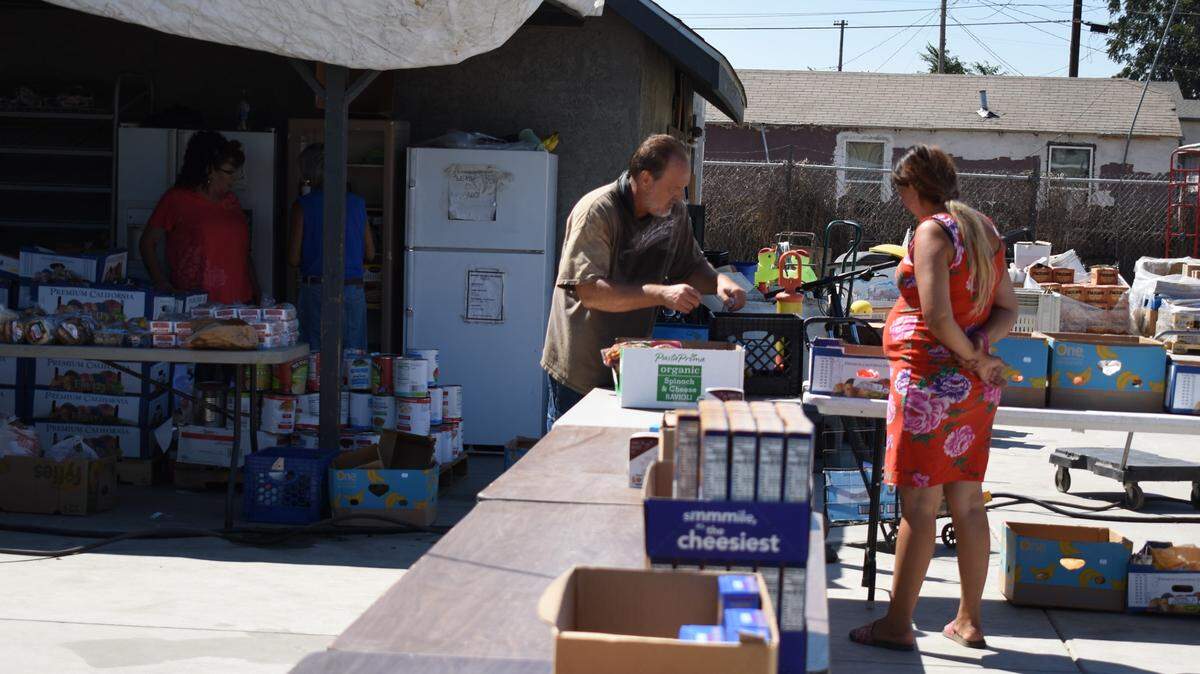
As the COVID-19 pandemic sent shock waves through the country, families lined up at local food pantries for help. Two years later, the demand on local pantries remains high.
Second Harvest of the Greater Valley reports it is seeing the same levels of demand at its affiliated food pantries as it did at the start of the pandemic. Compared to pre-pandemic levels, Second Harvest still is serving 35% more people across all eight counties it supports.
In Stanislaus County, the number of residents enrolled in CalFresh, the largest food assistance program in the state, is on track to reach its peak from 2020.
These trends have pushed food pantries to their limits once again, but there isn’t just one clear reason this year, like the COVID-19 pandemic, to explain why more people keep coming.
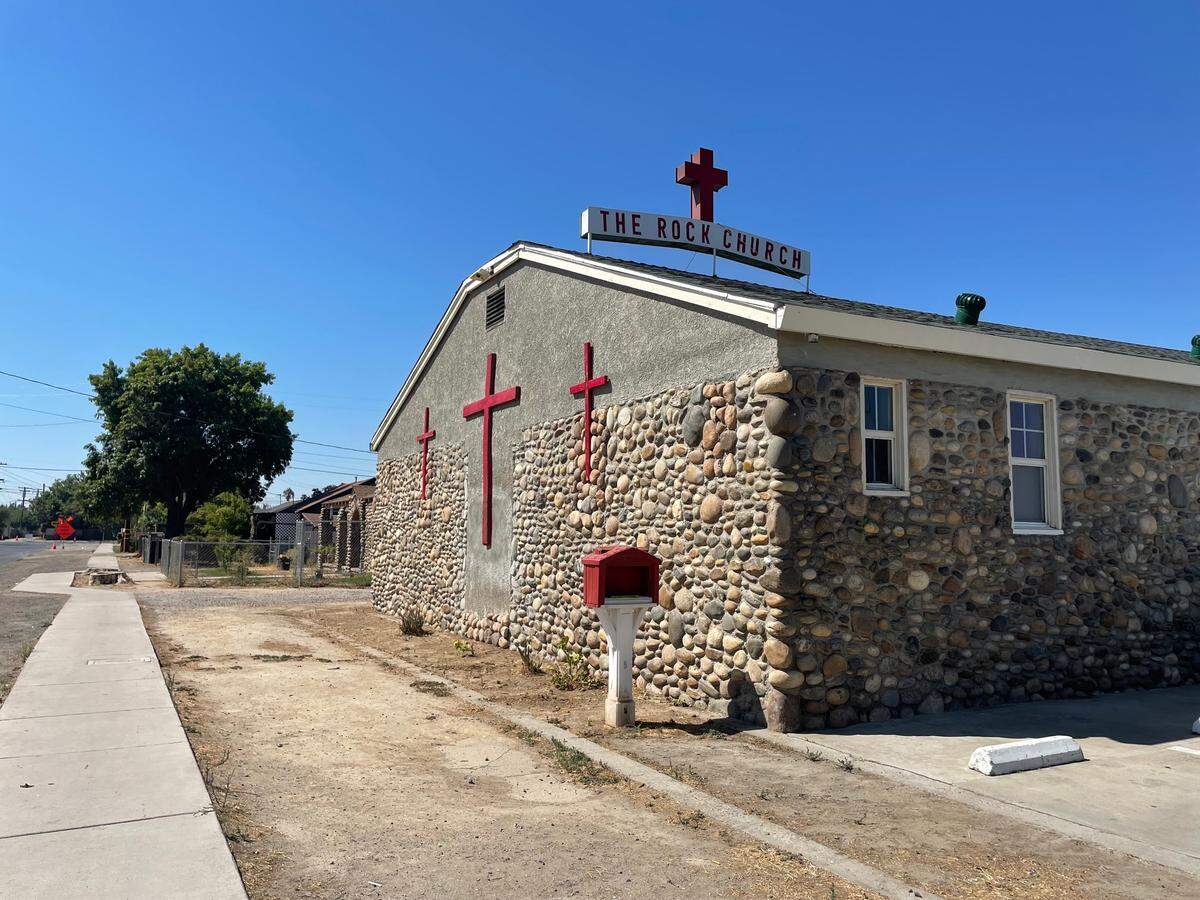
At the Rock Church in Modesto, unemployment, housing and the high cost of food and gas are the big struggles for families that stop by to pick up potatoes, bananas and other staples the church offers for free.
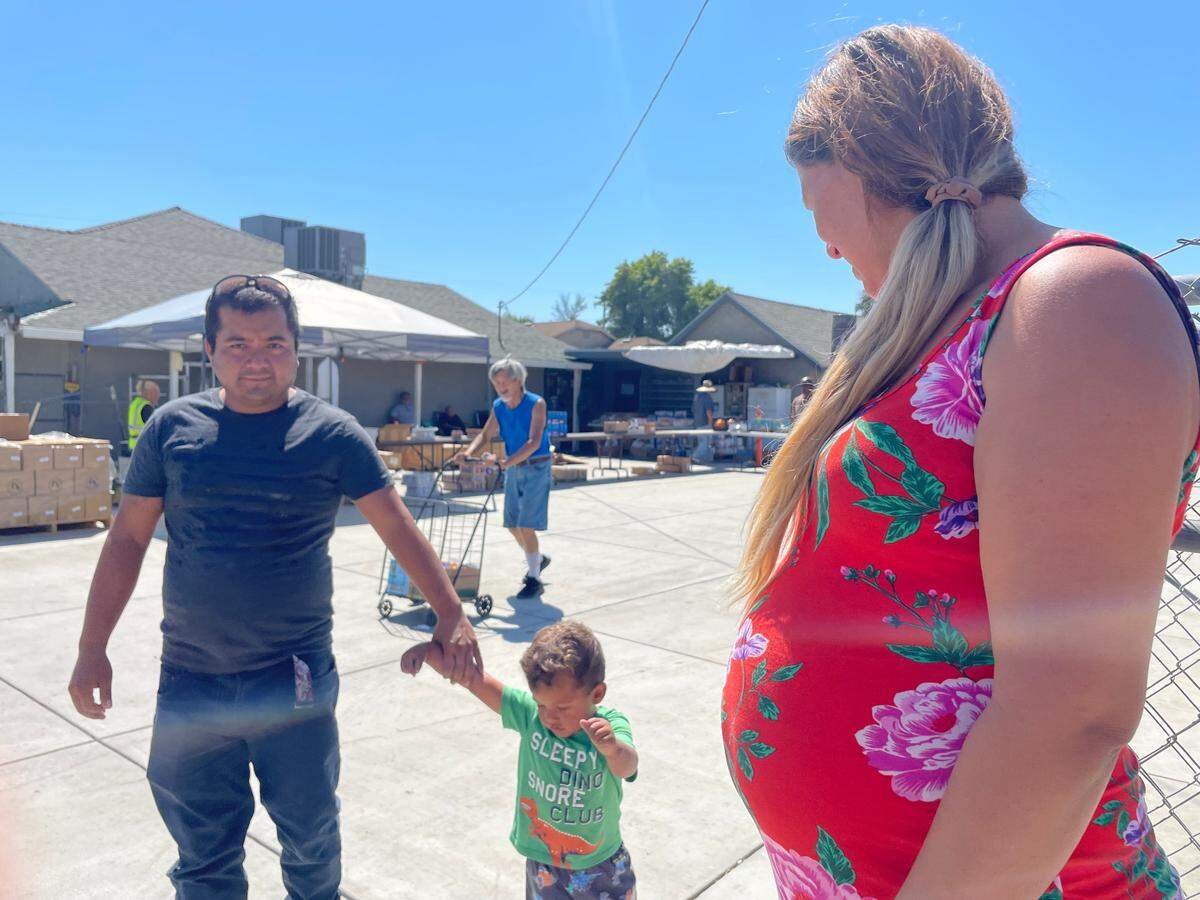
Jose Villalobo Mendoza, 34, and Griselda Madriz Pulido, 32, immigrated from Mexico a year ago and say they are in legal limbo while their asylum case travels through the courts, leaving Jose without a work permit.
“I’m not working, so because of that, it’s been really difficult here,” he said in Spanish. They are living in a burned-out trailer in Modesto with their four children and a fifth on the way. They have no electricity, and the family doesn’t dare drink the water.
The couple started coming to the Rock Church for food about a month ago, after Madriz Pulido noticed the line of people waiting outside one morning.
“Every day, there’s people coming in saying this is their first time,” said Linda Whisenant, 59, a volunteer with Rock Church. By the end of this August day, roughly 65 families stopped by to sign her intake form. A few months ago, they were seeing about 45 families a day.
The church receives some food from The Salvation Army Modesto Corps’ warehouse, which currently distributes food to 90 other locations as well. In February, the warehouse had about 80 affiliated partners that collectively fed 11,779 families across Stanislaus County. Those numbers have been steadily growing since then. Last month, The Salvation Army’s partners fed 53,405 families — almost a fivefold increase. The army has had to hire a new full-time staff member and work with a temp agency to keep up with the rising demand for food.
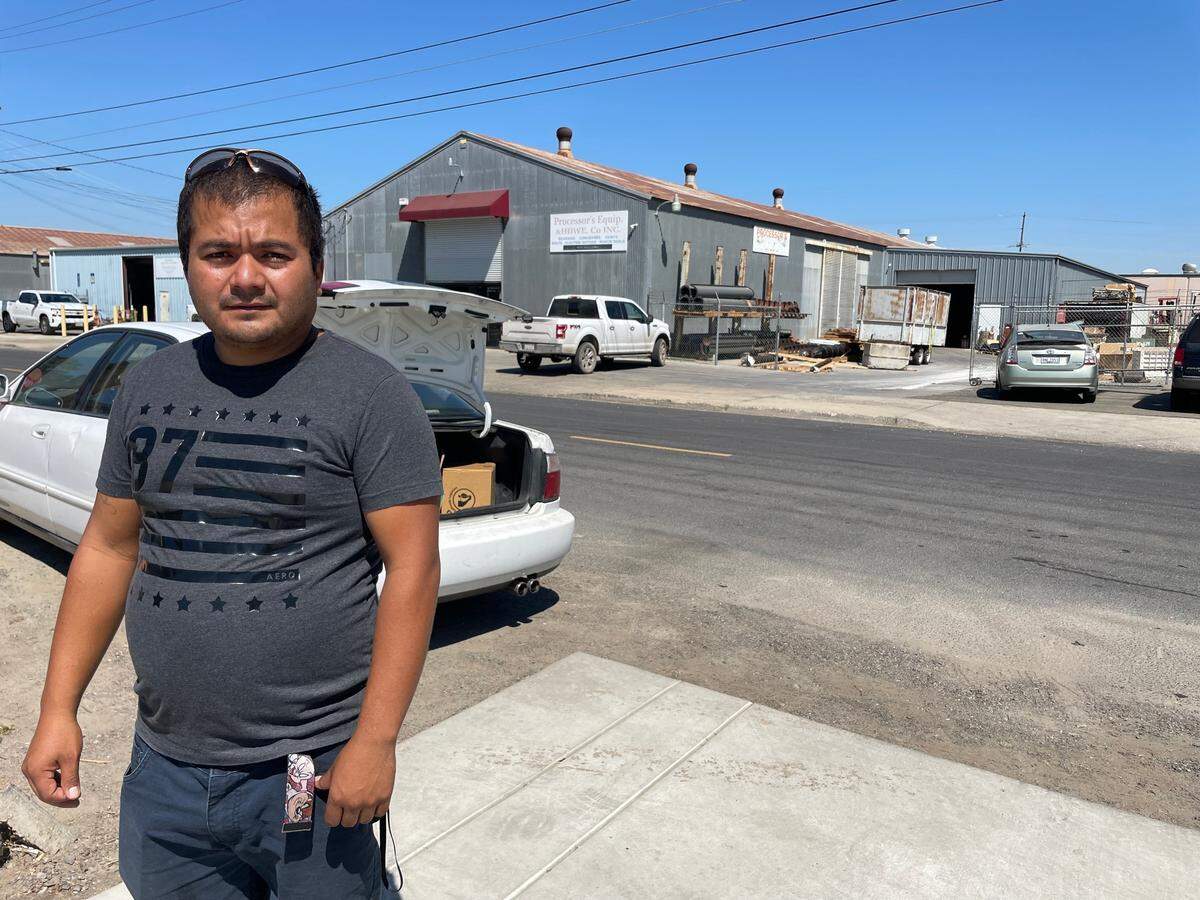
Like Villalobo Mendoza and Madriz Pulido, Angeline Mendieta, 41, started coming to the Rock Church recently. Only her husband is working, and they support five children.
Between rent, gas prices and the family members she supports in the Philippines, Mendieta was grateful to be able to save money on food this week. “It helps a lot,” she said as she loaded food into the trunk of her car.
Her mother-in-law piped in from the driver’s seat. She says she used to buy eggs for the family for $9 at Cost Less Food Co., but now they cost around $15. “It’s ridiculous,” she said.
The rate of inflation has slowed, nationally, but prices are still up 8.3% from last year, according to the U.S. Bureau of Labor Statistics. Research shows that low-income families feel the brunt of inflation more than their wealthier neighbors.
Those higher food prices, especially for high-protein meats and shelf-safe items like tuna, are making it trickier to meet the rising demand for meals. “In July 2021, tuna was $29.19 a case,” said Jessica Vaughan, director of development and communications at Second Harvest of the Greater Valley. “Now, this August, tuna is $39.10 a case.”
Normally, Second Harvest covers the cost of food through specific grants and saves its general donations for overhead expenses. But with the rising food costs, they may need to dip into those general funds to cover goods like tuna amid this period of high demand.
At the Rock Church, the combination of high prices and scarce goods play out in real-time. “We got a whole pallet of chicken in,” said Pastor Bob Swanson, “We gave it out in one afternoon.”
This story was originally published August 22, 2022 at 7:15 AM.