As bill on deporting freed inmates hits CA Senate, Navy vet in Newman shares experience
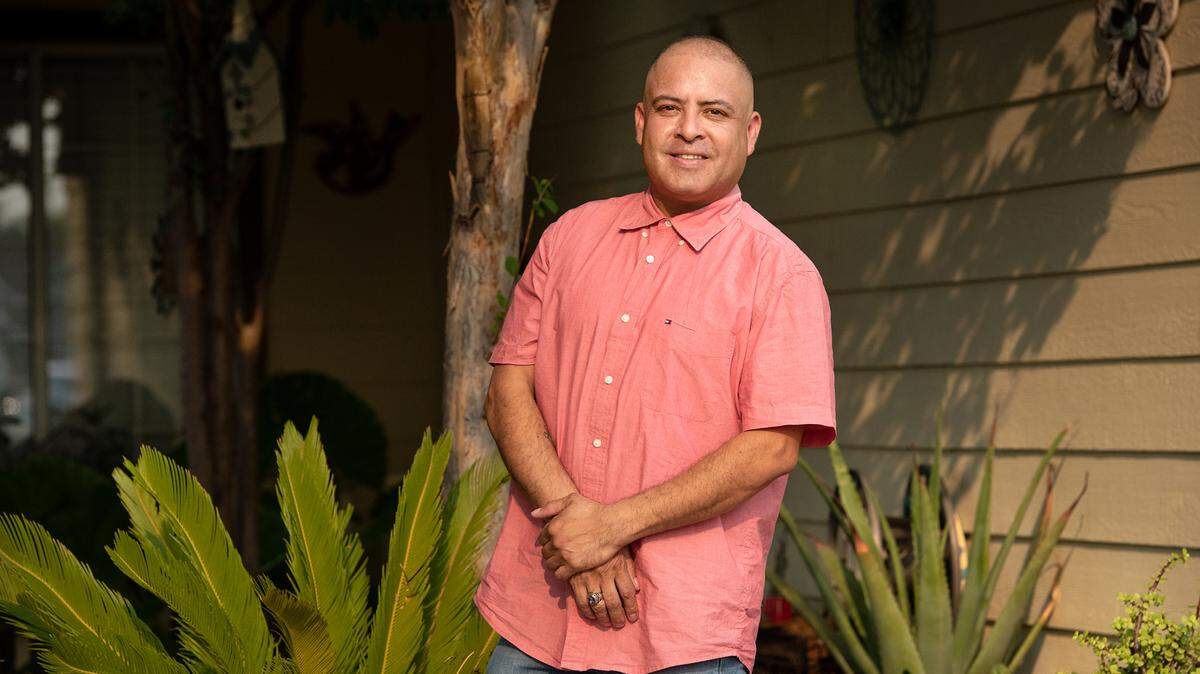
A nearly deported Newman resident’s advocacy for an end to the so-called double punishment of freed immigrant inmates may come to fruition as a bill reached the floor of the state Senate on Thursday.
The Voiding Inequality and Seeking Inclusion for Our Immigrant Neighbors (VISION) Act would stop the collaboration between the California Department of Corrections and Rehabilitation (CDCR) and the U.S. Immigration and Customs Enforcement (ICE) to deport undocumented people freed after doing time in jail or prison.
The Senate vote is set for Sept. 10, after which the governor would have until Oct. 10 to consider it.
Following nearly six years of Navy service, including deployments to Kuwait, Iraq and Afghanistan, Joaquin Sotelo, 37, found himself on a different type of battlefield. He decided to come home after being honorably discharged, but knew he was suffering from post-traumatic stress disorder.
Sotelo said he wasn’t entered into the Veterans Affairs system when he first got back because officials said he was good and didn’t need further services. This kept him from obtaining the help he needed to get better, he said.
“I started self-medicating with alcohol and then drugs,” Sotelo said. “As soon as you know it, I went into the system.” In 2014, Sotelo was sentenced to three years in prison after pleading guilty to felony charges of domestic violence and dissuading a witness.
Originally from Mexico, Sotelo said he decided to work on himself and turn his life around. He began attending church in prison, read more than 40 self-help books and graduated from domestic-violence and anger-management programs before being told he would be released early for good behavior.
That’s when the worst happened, he said. ICE agents showed up and told him CDCR would turn him over once released and they’d deport him.
He argued, “No, that’s not possible. I’m an American citizen,” Sotelo said, but ICE officials told him he didn’t have a certificate to prove it. At the time, Sotelo was a lawful permanent resident with a green card.
“When I was transferred into an immigration detention center, that’s when reality hit,” he said. He was to be deported within three days, leaving behind his wife, three children and a country he’d known as home since he was 10 years old, he said.
Cases like Sotelo’s abundant
Angela Chan, policy director and attorney at the Asian America’s Advancing Justice - Asian Law Caucus (ALC), said cases like Sotelo’s are common and should be concerning to people of all legal statuses. “The vast majority of people turned over are people who came to this country as children and spent their whole lives here,” she said.
Of the more than 3,000 inmates transferred to ICE from CDCR each year, many are visa or green card holders, said Chan, who works with clients who have gone through ICE transfers.
If CDCR suspects someone is foreign-born, it uses that broad net to place a detainer on that inmate, Chan said. It contacts ICE five days prior the release date and allows agents to arrest people who may not actually be deportable despite being foreign-born, she said.
Sotelo said he began desperately submitting paperwork to buy him time and sought guidance from another U.S. veteran deported to Tijuana, who advised him to contact a pro-bono attorney from the American Civil Liberties Union (ACLU). Before a judge, Sotelo said he expressed feeling abused by the country he proudly served, which would willingly bring his body back if he’d been killed in combat but now wanted him deported.
This bill is about justice, said Wendy Carrillo, Assembly member and champion of the VISION Act. “California has created a justice system that treats people differently based on the color of their skin,’‘ she said during a July presentation to the Senate. “I don’t know about you, but I’m not OK with that.”
Sotelo, who grew up in Los Banos and finally gained citizenship this year, feels his story may have turned out differently if it hadn’t been for the Merced County community’s support that got attention from the media and placed political pressure. Just like citizens living in California have the right to go home after being rehabilitated, advocates agree that all people should be able to do so.
“It’s supposedly the job of facilities to engage in rehabilitation and to ensure that individuals are able to go back to their communities and contribute… so for them to turn around and say, ‘well you’ve earned relief, now we’re going to turn you over to ICE for no reason’,” Chan said. “That we think is very problematic.”
This story was originally published August 31, 2021 at 6:00 AM.