Afghan refugees arrive in Stanislaus County as families try to get more people out
Resettlement centers in Stanislaus County are inundated with refugees and a local congressman’s office is receiving hundreds of calls as Afghans desperately seek a pathway to get their families to the U.S.
While the arrival of refugees isn’t as high as it was in 2016, when the U.S. admitted almost 85,000 refugees into the country, more are expected to come, said a spokesperson for the International Rescue Committee, an organization offering resettlement services. From January to July (the most recent numbers available), 162 Afghans have arrived in California and a total of 485 arrived in the U.S., according to the state department. Staffers at U.S. Rep. Josh Harder’s office said they are working overtime, including weekends, to help families.
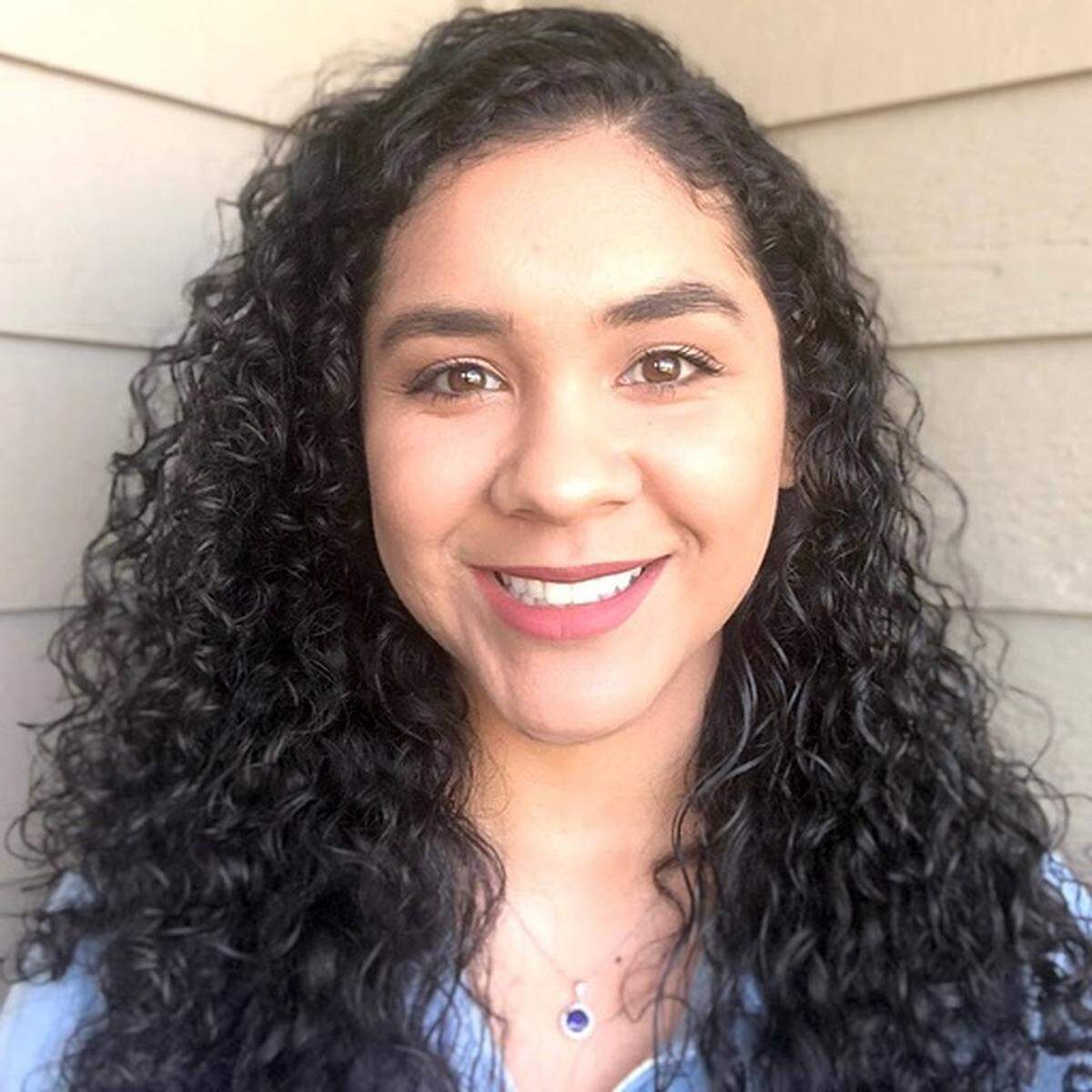
Amina Adel’s family is one of them.
Adel said she made a plea to Harder’s office to save her mom, mother-in-law, brother and his wife, emphasizing their high risk of being targeted after she, her husband and brother all worked for the U.S. government. Adel, her husband and two daughters were granted special immigrant visas and arrived in Modesto in 2020, but her other family members remain in Afghanistan.
“They have changed their residency, phone contacts (and) Paypal… because the house that my mother-in-law is living in, the Taliban have created an office in front,” Adel said, adding that her relatives are like homeless people, roaming from shelter to shelter.
Vivien Jacob, office director at the International Rescue Committee (IRC) in Turlock, described a chaotic scene at the center as arriving refugees and SIV (special immigrant visa) applicants are anxiously trying to connect with family members still stuck in Afghanistan. She said some are able to talk with their loved ones through the phone messaging applications WhatsApp and Viber, but a feeling of hopelessness remains as many realize they can’t do much for their families back home.
“They want to know if there’s any way that they can help their families. … It’s very emotional when you meet with them because they’re on edge,” Jacob said.
Since October 2020, 95 Afghans have arrived in the Stanislaus County area, Jacob said. She said it’s expected that a total of 275 refugees will arrive in the region by the end of 2021.
With the housing crisis becoming dire in the Central Valley, Jacob said it’s been a challenge trying to find housing but IRC is doing its best to accommodate arrivals. IRC needs the community’s help and has listed on its Facebook page a number of ways people can do that.
Afghans weigh risk of leaving or remaining in their country
Just days before Biden is set to pull out of Afghanistan, 13 U.S. service members and 60 Afghan civilians were killed, in addition to 140 people that were injured, following a terrorist attack at the Kabul airport orchestrated by Islamic State in Khorasan. It’s a risk to stay in Afghanistan, but it’s also a risk to leave, given the threat of ISIS-K and Taliban checkpoints near the airport, where traveling documents are being reviewed and those who don’t have the appropriate paperwork are being sent back home, said Adel.
Even though her mother has been approved for travel and added to the U.S. Embassy list, Adel said, her mother can’t travel alone. She’s older, has never been out of the country, doesn’t speak English and needs a travel companion.
Harder’s aides said it’s been difficult getting approval for Adel’s other family members. Although a spokesperson for the office said they aren’t able to pinpoint the caused of the holdup, they are doing their best.
Currently, his office staff is working on more than 200 cases involving citizens, green card holders and SIV holders. So far, eight of those families who lived in the Central Valley have been evacuated out of Kabul and are on their way back home, said the communications director.
Harder’s office asks anyone from his region who still needs help to reach out to his office and check out this online resource guide for more information.
Yet, as the deadline for the U.S. to depart from Afghanistan approaches, Adel said she’s worried about what that will mean for her family.
“I don’t know that it will work or not, because (Harder’s office) just promised me that they will do their best,” she said. “But they don’t promise that they will bring them under the safety of the United States.”
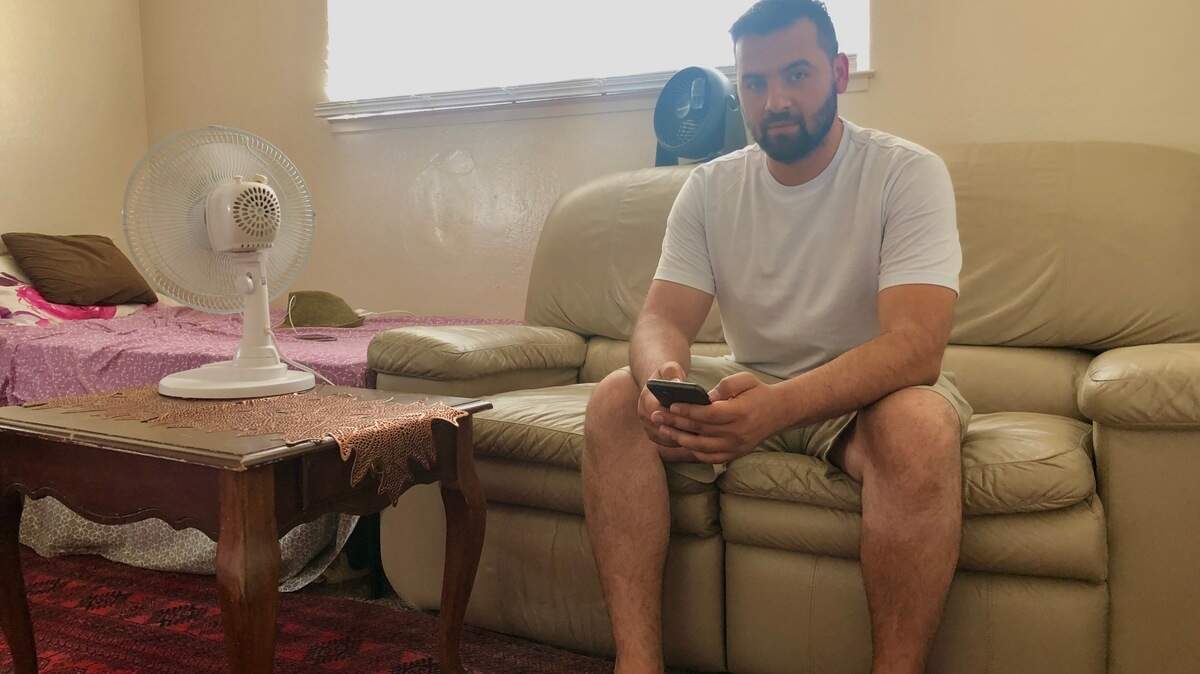
Once a refugee boy, Afghan man and family flee again
Sayed Amirir said he was just a 4-year-old boy when the Taliban seized control of Afghanistan and he was forced to immigrate to Iran with his single mother. He said it took them about a month to be processed before they could officially obtain shelter.
He returned to his country when he was 9 years old after hearing that the U.S. had pushed out the Taliban. He finished college and began working for the U.S. conducting night flight operations on the Taliban.
But on Aug. 15, history repeated itself. When the Taliban took over Kabul, Amirir, now 31, was working on the NATO base in Afghanistan for the U.S. Air Force as a translator and operation technician when he was alerted of the threat and told to go home. “My first priority was to take out my family because if the Taliban finds out we have U.S. people… I’m sure they will kill us,” he said.
It was a chaotic scene at the airport as thousands of people tried to squeeze their way into the building. Amirir’s father-in-law suffered a beating.
“Some of the Taliban at the gate, they started beating people. One of them hit my father-in-law from the backside with a stick,” he said, adding that they waited at the airport for 11 hours that day, unable to board a plane.
One their second attempt to leave the country, the family was faced with more violence after coming into contact with an unidentified group of Afghan soldiers. “I’m not exactly sure what people they were, but they had military uniforms and they started shooting people,” he said.
“Some people died in front of our eyes. My mother-in-law was trying to escape, but, too many crowds ran on her and she had a fracture.” That night they were also unsuccessful, but on their third night, after waiting more than 19 hours at the airport, the family got on the plane.
The flight later landed in Qatar at the U.S. base, where Amirir said there were no restrooms or sinks. He said he continued to help the U.S. with translation services, as several thousands waited to be registered, but after 13 hours the family was able to finally board their flight to the U.S.
Although Amirir said he’s grateful for his and his family’s safety, he worries over the future of his country, predicting violence and a shortage of commodities. “Even if not the Taliban kill them, I’m sure the level of unemployment will increase and that will cause hunger, destroying all of Afghanistan again,” he said. “This will result as I remember from my childhood.”
This story was originally published August 28, 2021 at 6:00 AM.