One effort to address shortage of Central Valley doctors: Program pays for medical school
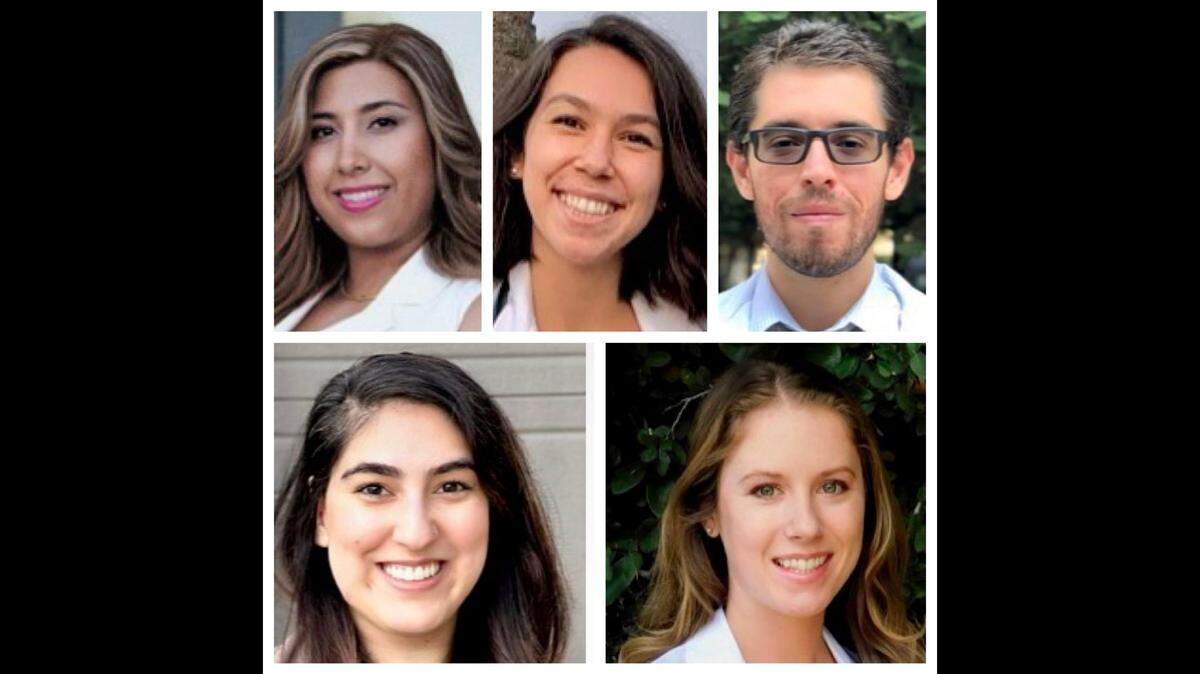
Two nonprofits are covering the cost of professional education for five Central Valley healthcare students who have vowed to serve the region post-residency.
Legacy Health Endowment, a charity foundation financing healthcare solutions for 19 zip codes within north Merced and south Stanislaus counties, will give each student about $400,000. Four are in medical school and one is in dental school, said the organization’s press officer. The dental school scholarship is sponsored by EMC Health Foundation, which seeks to promote and expand care in the region.
The individuals will work within the counties for five years following residency.
This comes as California braces for a shortage of primary care providers by 2030, the University of California San Francisco (UCSF) reports. While the state will see a shortage of 10%, the Central Valley shortage will be even worse, projected at 18%.
For instance, the Central Valley and Central Coast are expected by 2030 to have only 71 clinicians per 100,000 residents. That’s compared to an anticipated 86 clinicians per 100,000 residents throughout the state.
Jeffery Lewis, president and CEO for LHE and EMC Health Foundation, said his mission is to build a backbone of medical professionals, who are not only qualified, but culturally competent.
“We’re way behind in the number of primary care doctors needed (and) woefully behind in the number of specific specialists,” he said. “The way in which you address that is in part to educate the next workforce.”
Meet the candidates
Among the candidates are three Spanish-speakers, a skill that’s greatly needed among doctors.
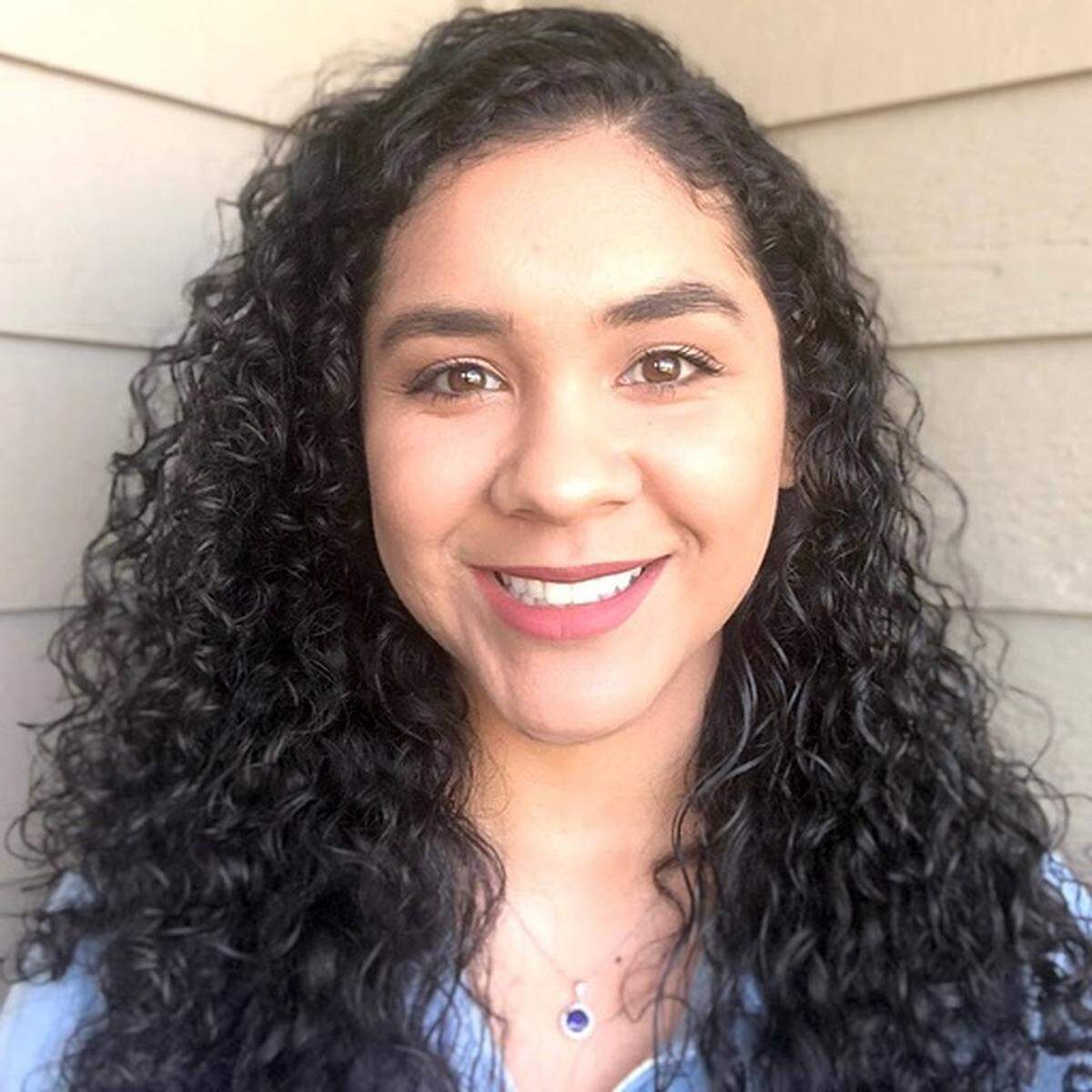
They are Allison Gomez, a 2015 Turlock High School graduate; Vanessa Abarca, a 2010 Enochs High School graduate; and Christopher Teran, a 2012 Patterson High School graduate. Other candidates are Madisyn Moak, a 2016 Hilmar High School graduate and dental student Jaskirth Pamma, a 2010 Buhach Colony High School graduate, who speaks Punjabi.
Gomez said seeing the healthcare disparity in the Valley drove her to pursue medicine. The second-year University of California at San Francisco student, originally from Turlock, said she’s motivated about moving back to help the community that raised her.
“I want to be the kind of doctor that’s able to comfort people, make them feel valued and cared about and make sure that they know that I’m on their side,” she said.
When outsiders question why someone would want to practice in the Central Valley, Modesto native Abarca said she assures them that this is her ultimate goal.
Abarca, a third-year student at Burrell School of Osteopathic Medicine in New Mexico, said as a product of two former field workers, she understands healthcare is not equally distributed, which is why she wants to focus on helping the underserved.
“I’d rather help a population that doesn’t have any sort of health care versus a population that’s so picky between top doctors, when there’s no need for other top doctors,” she said. “I’d rather distribute that.”
Hilmar native says access is critical
Moak said she learned about the lack of adequate healthcare as a child growing up in Hilmar. Her parents would have to drive her sister, who suffers asthma attacks, 30 minutes to get to a covered provider. She said she’s also known people who have had to travel to the Bay Area to be seen by a specialist because there isn’t one nearby.
“Adequate health care is something that everyone deserves and it’s kind of unfortunate that not everyone has access to it,” she said. “I think that growing up in that kind of environment definitely solidified my drive to want to come back and help.”
Pamma understands what it’s like to not have healthcare coverage, as she and her family experienced homelessness. “It opened my eyes to that part of the world,” she said. “I was like, ‘I gotta make a difference here’.”
Her determination to better the community pushed her passed dental school rejection and made her try again. Now the University of the Pacific student said she’s excited to fulfill her childhood dream.
Teran, a first generation Mexican-American and college graduate, said he didn’t always think he was going to become a doctor. In fact, Teran didn’t get into any medical school the first time that he applied.
“If I’m able to do it and there’s a need for it, especially like back home, how could I not give it one more shot and … just keep trying until I’ve exhausted all my options,” he said.
Originally from Patterson, the UCSF student wants to let those interested in medicine to know that just because you’re from the Central Valley, come from an underserved community or your parents didn’t go to college, doesn’t mean you’re limited.
“We’re very much capable of going to the top colleges and accomplishing a lot of great things,” Teran said.
In order to be considered, LHE press officer Joe Cortez said, applicants must already be accepted into medical school. They do not have to reside in the Central Valley, but must be committed to serving the region for five years post-residency, he said.
Furthermore, applicants must provide a personal statement, a transcript of their grades and letters of recommendation.
For more information about what specific zip codes this will benefit or how your facility can offer this program, go to www.legacyhealthendowment.org/grant-info/.
This story was originally published July 13, 2021 at 6:00 AM.