As omicron rages, Stanislaus officials get update on COVID testing, treatment options
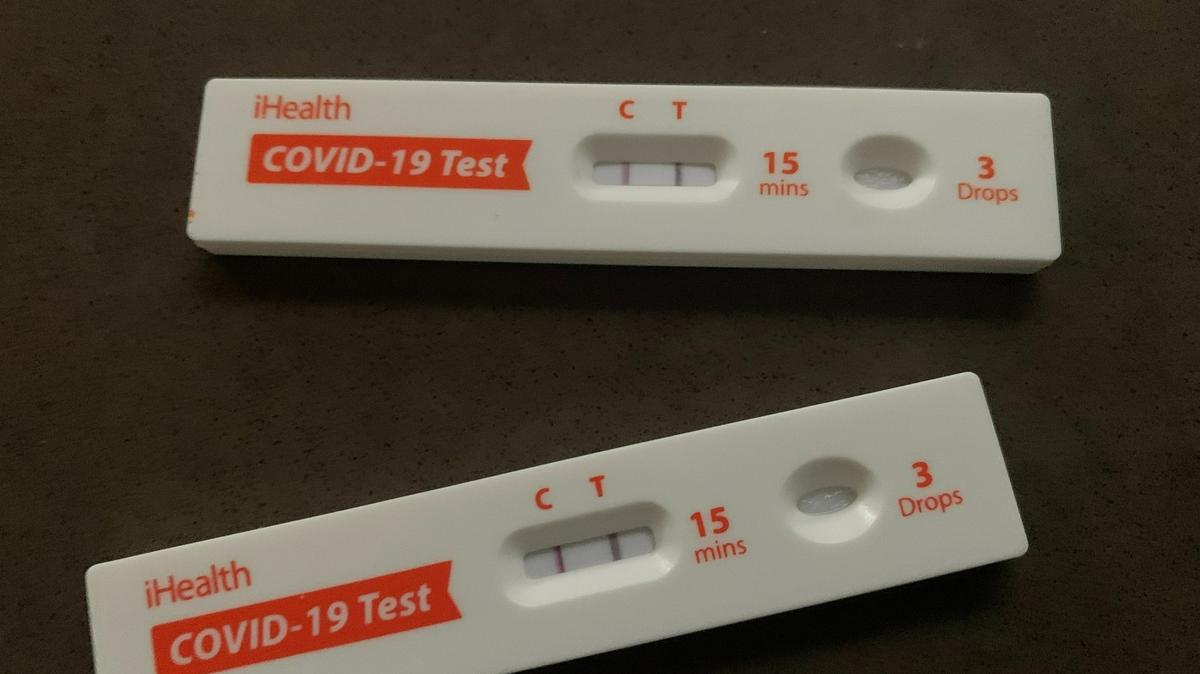
Stanislaus County health officials estimated Tuesday the omicron variant makes up 56 percent of COVID-19 infections in the county, based on testing of wastewater.
Dr. Julie Vaishampayan, county public health officer, said the county has a project with Stanford University to sample Modesto’s wastewater for traces of COVID-19 strains.
The monitoring of Modesto’s wastewater began in October and Turlock was added to the surveillance in December, said Vaishampayan, who provided an update Tuesday on COVID-19 activities to the county Board of Supervisors.
It’s evidence the fast-spreading omicron variant will soon take over dominance from the delta strain of COVID-19 that sparked a prolonged surge in July.
But it was clear at Tuesday’s presentation that county leaders are hoping omicron will lead to a transition in the coming year from COVID-19 being a pandemic threat to an endemic illness like the flu or other contagious illness that county residents live with.
Vaishampayan prepared a slide for Tuesday’s meeting on her opinion of what will happen with COVID-19 as the county soon begins a third year of contending with the pandemic.
Vaishampayan said public health experts have learned omicron is less severe on the population, which has some level of immunity from vaccines and previous infections with COVID-19.
She said it’s not clear whether disease caused by omicron is less severe in someone who’s not vaccinated and hasn’t been infected before. She said booster shots definitely give added protection to those at risk of severe illness against the delta variant, which is still present in the county.
The health officer said it’s possible the county could start later this year to close mass testing sites, after which people would see their doctors for testing, diagnosis and treatment.
While turning over responsibilities to the general health system, the county would maintain critical functions such as emergency services and health education and continue assisting schools, businesses, hospitals and the community with public health needs, Vaishampayan said.
The omicron variant is generating new cases at record highs, but county leaders made sure to point out the division between the high caseload and local hospitalizations that have not risen that quickly.
State predicting record hospitalizations
Statewide, hospitalizations due to COVID-19 climbed to 11,048 on Monday, and the state expects COVID hospital admissions to reach a record high 23,000 by early February. COVID-19 hospitalizations set the current record in California at 21,938 in January 2021.
When asked by Supervisor Buck Condit, Dr. Vaishampayan offered a prediction that omicron could peak in the next week or two weeks if it matches predictions in other areas, but she wasn’t that comfortable with the projection.
County staff said it isn’t known when the county will receive another state allocation of home tests for the general public. The surge is causing many absences at schools and businesses, raising demand for testing for working adults and family members.
In San Joaquin County, the office of emergency services said it was opening additional testing sites as the omicron surge, travel and work requirements “have increased demand for testing across the state,” according to a social media post.
A testing site was opened Monday through Friday at the San Joaquin Agricultural Center and hours were increased at two other sites. COVID testing is also coming soon for San Joaquin County residents at the Lodi Grape Festival grounds and San Joaquin Delta College Mountain House campus.
What about those COVID pills?
County staff said health providers in Stanislaus County have received small allocations of new outpatient treatments for COVID-19, such as molnupiravir and Paxlovid, the two pills developed to treat COVID early in the illness.
Although they were initially touted in the media as “pop-in-the-month” COVID treatments that could be picked up at the pharmacy, the new drugs are for patients at high risk of severe COVID illness and must be administered and monitored carefully.
According to a slide displayed at Tuesday’s meeting, 940 courses of Merck’s molnupiravir and 200 courses of Pfizer’s Paxlovid were allocated to health providers in Stanislaus County.
NBC News reported that statins, blood thinners and some antidepressants are among the drugs that can have dangerous or severe interactions with the Pfizer antiviral drug.
The FDA granted emergency authorization in December to the Merck pill but only for limited use when other outpatient treatments for COVID are not available.
Local health officials have advised people who test positive for COVID to ask their doctor about any treatment options to reduce the risk of severe illness and hospitalization.
This story was originally published January 11, 2022 at 4:34 PM.