Want a COVID booster in time for Christmas? Time is running out. What to know
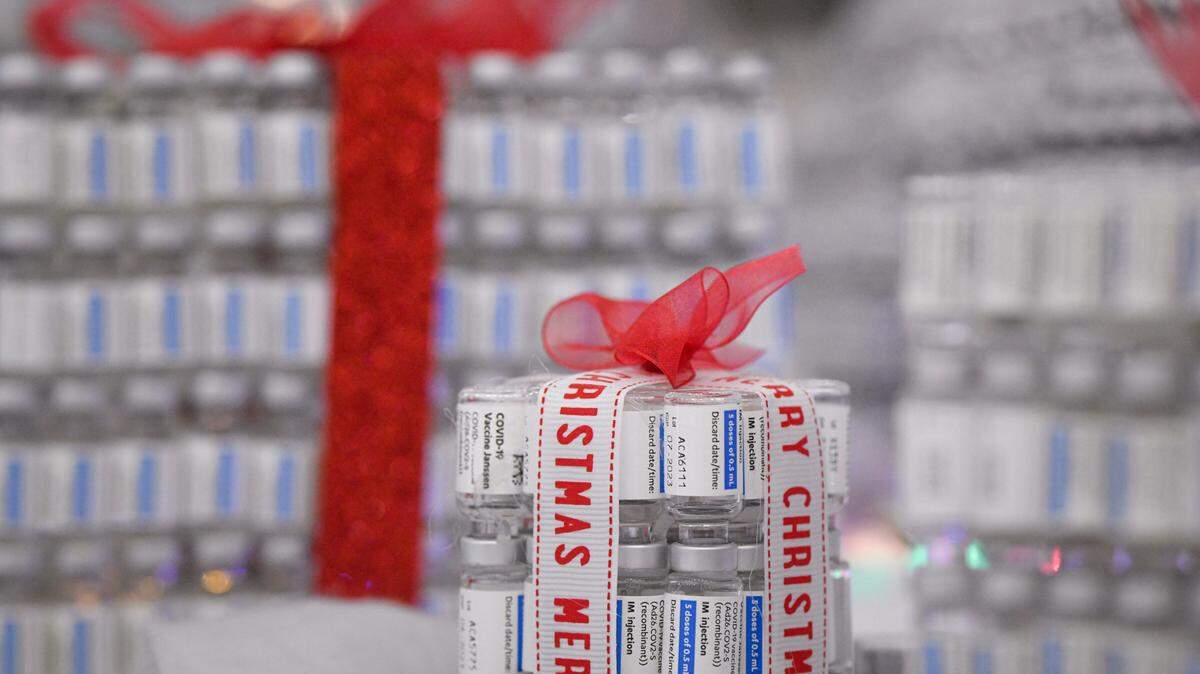
Christmastime is here, and so is another potentially more infectious coronavirus variant that early data suggests can evade COVID-19 vaccines to some degree.
But this year anyone ages 16 and up can receive a coronavirus booster shot that could give them the extra protection their body needs to prevent infection or serious illness.
As is the case with your initial COVID-19 shots, it will take about two weeks after receiving your booster for your body to produce as much coronavirus antibodies as the extra jab allows, a Centers for Disease Control and Prevention spokesperson told McClatchy News.
So, if you get your booster on or before Monday, Dec. 13, you should have developed your body’s maximum protection against COVID-19 by Christmas, and especially by New Year’s.
Anyone 16 and older can receive a booster shot at least six months after they received their second dose of the Pfizer or Moderna vaccines or at least two months after they received their single dose of the Johnson & Johnson shot.
But you don’t need a booster shot to be considered fully vaccinated against COVID-19 as of Dec. 13, the CDC says.
You are considered fully vaccinated two weeks after your second dose of the two-dose Pfizer and Moderna vaccines and two weeks after your single dose of the J&J shot.
Early data shows two COVID-19 vaccine doses lose power against omicron
The omicron coronavirus variant has inconveniently emerged in time for the holiday and flu seasons, complicating the world’s nearly two-year attempt to quash the pandemic.
It was first reported by researchers in South Africa on Nov. 24 after several doctors noticed symptoms among their patients that differed slightly compared to those caused by the delta variant, the dominant version of the germ spreading globally. Genetic sequencing revealed the variant sports a large number of mutations unseen in other variants.
Federal health officials confirmed the first omicron case in the U.S. on Wednesday, Dec. 1, in a fully vaccinated California resident who recently returned from South Africa. It has since spread to more than 20 states.
New laboratory experiments on blood samples from people who received a Pfizer booster a month ago found antibody levels increased 25-fold against omicron, similar to levels seen after two doses against the original version of the coronavirus.
Blood from people who only received two doses of the vaccine, however, experienced a 25-fold reduction in antibody levels against the omicron variant, on average, suggesting two shots may not protect against omicron infection, the companies said in a news release posted Wednesday, Dec. 8.
Two doses of the Pfizer vaccine may still protect against severe COVID-19, experts say, including hospitalization and death.
Early data shows other parts of the immune system that have been primed by the vaccine “are not affected by the mutations in the omicron variant.”
A CDC report released Dec. 10 found that among 43 omicron cases in the U.S., 34 people had been fully vaccinated, including 14 who received a third shot. Five of those who received an additional or booster dose got their third shot less than two weeks before they started showing coronavirus symptoms, meaning they may not have had enough time to develop maximum protection.
Experts suggest taking at-home COVID-19 tests before holiday gatherings
Health experts say it’s a good idea to take rapid antigen COVID-19 tests at home before gathering with others for the holidays, now that federal health officials have authorized several that you can buy. However, the tests don’t come without some limitations.
They’re hard to find, generally less accurate than the standard PCR tests and costly — between about $10 and $40.
“Rapid tests are a measure of contagiousness, and so you want to test as close as you can of getting together with people,” Dr. Ashish Jha, dean of the Brown University School of Public Health in Rhode Island, told the Los Angeles Times.
Ideally, you’d test yourself the morning of a holiday or event, Jha said. But if you plan on celebrating the holidays over several days with others, Jha suggests testing more than once — for example, right before arriving at your destination and again two days later.
This story was originally published December 13, 2021 at 9:47 AM with the headline "Want a COVID booster in time for Christmas? Time is running out. What to know."