COVID-19 infections persist in Stanislaus County and cities with low vaccine rates
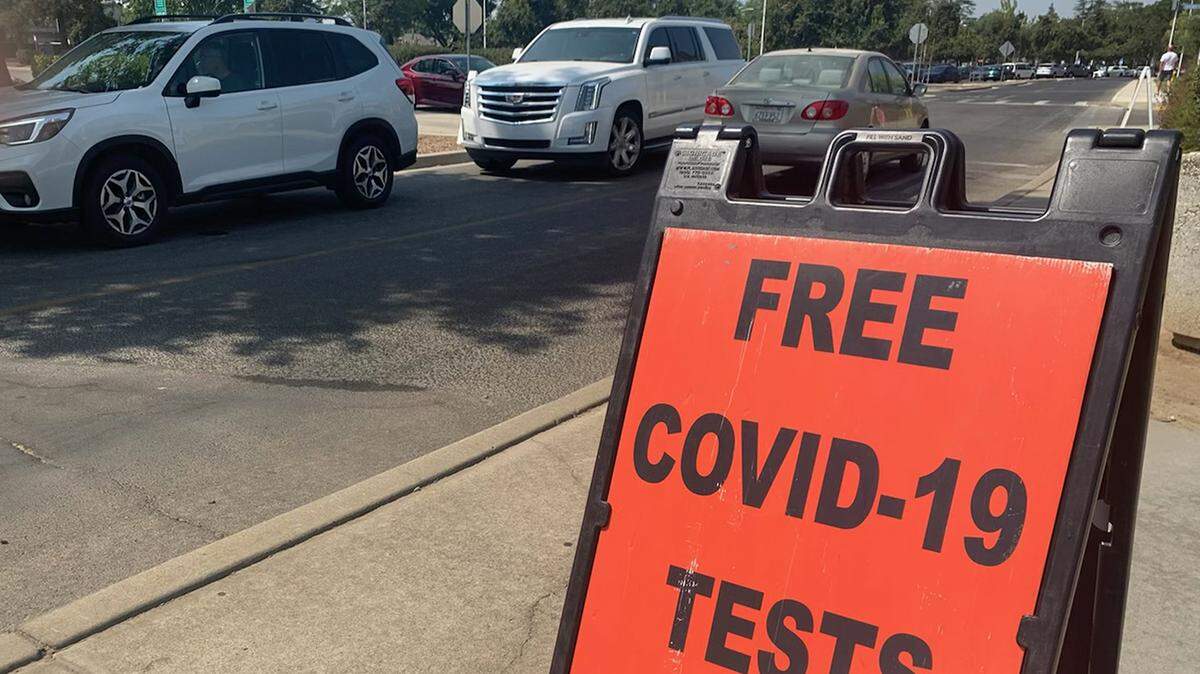
The rate of COVID-19 infection is not slowing down this fall in Stanislaus County and public health officials are watching an uptick in hospitalizations.
Dr. Julie Vaishampayan, county public health officer, told the Board of Supervisors Tuesday the county is recording about 150 new cases per day. A falling case rate in September leveled off and stayed above 20 per 100,000 the entire month of October.
It was 23.8 cases per 100,000 on Monday and ran between 23.7 and 24.5 the second half of October. A county face-covering requirement in indoor public settings remains in effect for vaccinated and unvaccinated people until cases drop below 20 per 100,000.
The number of COVID-positive hospital patients jumped to 142 early this week, after ranging between 117 and 130 the previous week.
“We had not seen it over 140 since early October, so that was discouraging,” Vaishampayan said.
According to the county’s online dashboard, more than a third of hospitalized patients are 45 to 64 years old; 40 percent are 65 and older; 20 percent are 25 to 44 years old; 3.9 percent are 15 to 24; and 1.7 percent are 14 and under.
County public health has recorded 56 deaths from COVID-19 since Oct. 1.
The county with a below-average COVID vaccination rate is dealing with continued disease transmission, while the pandemic has slowed down in other areas of California. Full vaccination coverage is 58 percent among county residents age 12 and older.
The Stanislaus case rate is about twice the recorded transmission statewide. Coronavirus test positivity is 2.4 percent in California compared to 6 percent in this county.
There is correlation between vaccination rate by city and transmission of COVID-19 disease. Hughson and Oakdale have the second and third lowest vaccination coverage, respectively (49.2 percent and 52.7 percent among those 12 and older), and also the highest rates of infection — more than 60 cases per 100,000 population.
With coverage of 68.9 percent, Patterson has the highest vaccination rate of the nine cities in the county and also has the county’s lowest case rate of 17 per 100,000.
Modesto ranks second highest with a vaccine rate of 60.8 percent and has less COVID transmission than four other cities. Outlying Waterford has the lowest COVID vaccine rate at 45.6 percent and the third highest case rate.
About 700 people per day are getting vaccinated in Stanislaus County.
Contrary to a general pattern of lower vaccination rates among people of color, whites have the lowest vaccination rate in Stanislaus at 45 percent, compared to 46.8 percent among Latinos and 49 percent among African-Americans. The Centers for Disease Control and Prevention has reported COVID vaccination percentages as low as 11 percent for Blacks and 17 percent for Hispanics.
A resident speaking to the board Tuesday said voters in the county supported the recall of Gov. Newsom by 54.5 to 45.5 percent, a clear sign his health orders and vaccine mandates are rejected by many residents.
More access to antibody treatment
County Supervisor Terry Withrow asked staff members about continued efforts to increase access to monoclonal antibody treatment, since a certain number of county residents refuse vaccination. He said the treatment is also an option for breakthrough infections in vaccinated people soon after symptoms emerge.
An infusion of monoclonal antibodies is a treatment for mild to moderate COVID-19 for individuals who may be vulnerable to progression to severe illness.
Mary Ann Lilly, managing director of the county Health Services Agency, said the agency wants to keep working on COVID vaccinations to slow transmission in the community.
Eight or nine providers, such as Kaiser Permanente and Patterson Family Pharmacy, offer the infusion as a treatment for early stage COVID-19 to reduce the risk of serious illness and hospitalization.
Lilly said some health care providers don’t like to publicize the labor intensive treatment, which requires a negative pressure room, or an exam room that can’t be used for an hour after, plus patient observation time, Lilly said.
The treatment could be scaled up through a partnership with the state, she said. The treatment may also serve as prevention after an exposure to the virus and for people who risk exposure to infection in a congregate living facility.