Is your Modesto-area neighborhood getting extra COVID-19 vaccines? Here’s the map
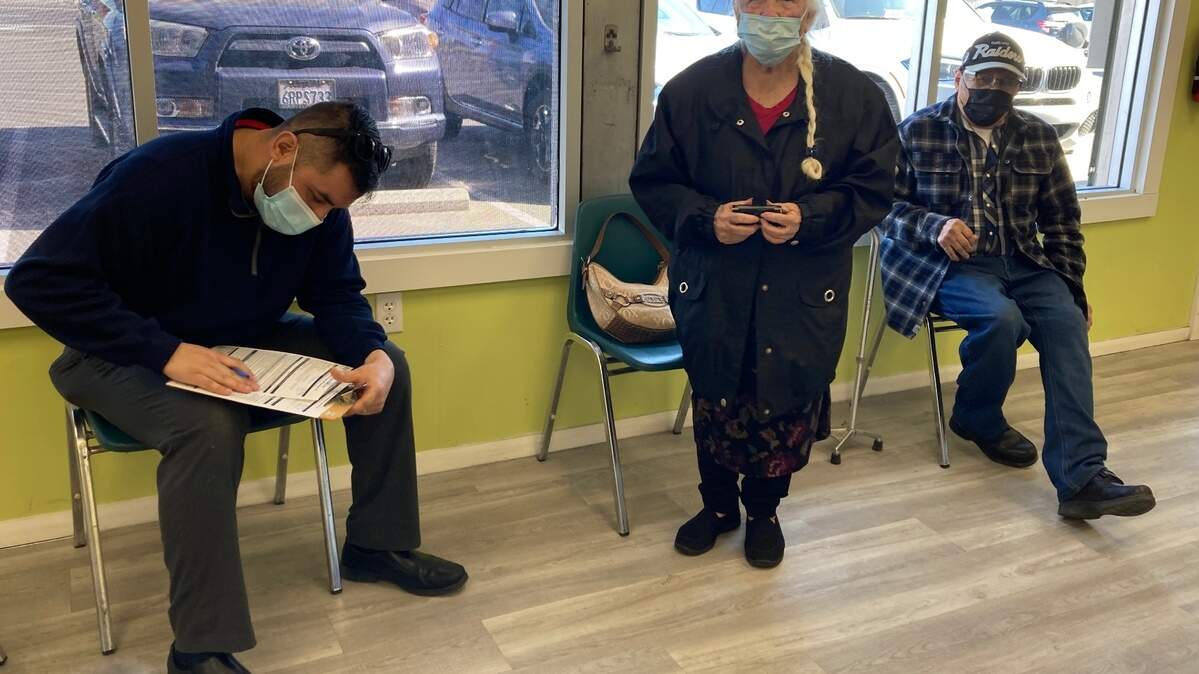
Over 200,000 residents in Stanislaus County live in some of the most socially and economically disadvantaged areas of California – neighborhoods that are getting special attention from the state to provide people with greater access to vaccinations against COVID-19.
Gov. Gavin Newsom announced last week that California is directing 40% of its vaccine supply to give shots to people living in census tracts and ZIP codes statewide that fall into the bottom 25% of the California Healthy Places Index, or HPI. The HPI assigns a score to neighborhoods based on health community conditions, assessing factors including economics, education, transportation, access to healthcare, housing, and air and water quality.
Of the 91 census tracts in Stanislaus County, 43 fall into the bottom quartile of neighborhoods being prioritized by Newsom. Those areas are home to more than 200,000 people in a county of just over 550,000. In the counties to the south, more than half of the residents qualify.
In his March 4 announcement, Newsom also offered hope for counties currently in the most restrictive purple Tier 1 of the state’s Blueprint for a Safer Economy, a program for reopening more businesses from COVID-19 precautions. When California reaches a threshold of 2 million vaccine doses in those low-HPI neighborhoods – that’s expected Friday – one of the key measures for counties to progress into the less restrictive red Tier 2 will be eased.
It’s not immediately known if Stanislaus County will rise from purple to red.
Use the map below to explore Census tracts in Valley counties, including the Healthy Places Index quartile in which that tract falls, and the HPI score, county, ZIP code, and population for each tract to see if you live in an area that qualifies for the state’s additional vaccine emphasis.
According to the HPI data, county-by-county breakdowns of disadvantaged census tracts include:
Stanislaus County: 43 of 91 census tracts in the bottom 25% of the HPI, covering more than 200,000 residents.
Merced County: 36 of 49 Census tracts in the bottom 25% of the HPI, covering more than 177,000 residents.
Fresno County: 106 of 199 Census tracts are in the lowest 25% of tracts in the Healthy Places Index, representing more than 503,000 residents.
Kings County: 15 of 27 Census tracts in the bottom 25% of the HPI, covering more than 81,000 residents.
Madera County: Nine of 23 Census tracts in the bottom 25% of the HPI, covering almost 69,000 residents.
Tulare County: 48 of 78 Census tracts in the bottom 25% of the HPI, covering more than 270,000 residents.
In establishing the 40% set-aside of vaccines for the bottom-quartile areas, Newsom noted that those ZIP codes and census tracts had been disproportionately affected by coronavirus infections, illnesses, and deaths compared to more affluent neighborhoods. The goal, he added, is to ensure more equitable access to vaccines, particularly for minority residents, including Latino and Black residents.
Newsom added that low-income households making less than $40,000 per year had been affected by COVID-19 at twice the rate of households in which the annual income is $120,000 or more. At the same time, those high-earning households have twice as much access to vaccines.
While 1.9 million doses, or 18.2% of shots given as of the middle of this week in California have reached those disadvantaged parts of the state, more affluent areas have received significantly more coronavirus doses:
- Areas with HPI scores in the 25-to-50% range have received almost 2.5 million doses.
- Areas with HPI scores in the 50-to-75% range have received almost 2.9 million doses.
- Areas with the highest HPI scores, in the top 25% of the index, have received about 3.3 million doses.
In those low-HPI areas, residents still need to meet the eligibility tiers in place for getting their shots. Currently, that includes health care workers; residents who are age 65 or older; education and child care workers including teachers, administrators and staff at schools, colleges and day-care facilities; and workers in the agriculture and food industries, including not only farm labor and food processing plants, but also grocery and restaurant workers.
Starting March 15, eligibility will be expanded to include people ages 16 to 64 who have medical conditions that put them at high risk for complications from COVID-19. Those conditions include cancer, kidney disease, pulmonary disease requiring oxygen treatment, Down syndrome, organ transplants with a compromised immune system, pregnancy, sickle cell disease, heart conditions, severe obesity, or diabetes.