Housing developer files lawsuit against Patterson over ‘water shortage’
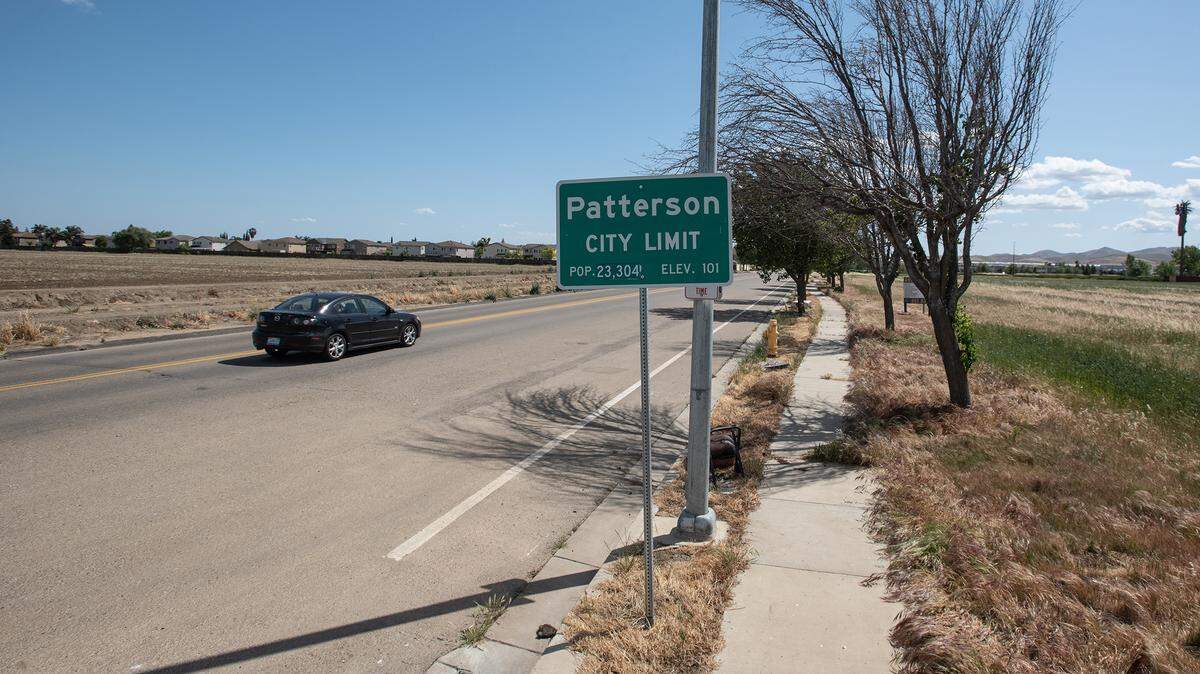
The developer of the Keystone Ranch housing project in Patterson filed an amended lawsuit Friday challenging a City Council vote in April that rejected the company’s subdivision map.
Keystone Corp. has brought a series of lawsuits against the city since April 2024, when Patterson’s concern about the adequacy of fees nearly stalled the 1,297-acre Zacharias-Baldwin Master Plan annexation.
Part of the Zacharias plan in northwest Patterson, Keystone Ranch proposes 719 dwellings, park space and bicycle paths on 95 acres.
“What we would like is the city offer conditions that are reasonable and will allow us to build housing,” said Evette Davis, a spokesperson for Keystone.
The lawsuit charges that the April 1 council decision was unlawful and included an illegal demand for a supplemental environmental impact report on the Zacharias plan. The suit also alleges the city did not comply with public notice and disclosure requirements and didn’t furnish evidence for its demands on development.
Keystone disputes the city’s position that it lacks water to serve the new homes. “This water shortage had never previously been disclosed in the two decades of planning the project,” a Keystone news release said Monday.
The amended suit in Stanislaus Superior Court seeks an order for the city to rescind the decision and approve the subdivision map with lawful conditions permitted under Senate Bill 330, a state law that limits local policies restricting new housing.
Patterson City Manager Fernando Ulloa did not return a message from The Modesto Bee. But he outlined the water situation in an informational report to the council in April.
The city is under pressure to serve more housing but also is one of 23 entities in what’s called the Delta-Mendota subbasin that are expected to comply with California’s Sustainable Groundwater Management Act. The subbasin is considered to be in critical overdraft. In March 2023, the state determined that six groundwater plans submitted by local jurisdictions and irrigation districts in the 1,170-square-mile subbasin were inadequate.
In hopes of avoiding state intervention under the SGMA, in which state regulators dictate groundwater management, the local entities submitted a united plan to the Department of Water Resources. In an important change, the new plan calls for reducing groundwater pumping by 42,000 acre-feet a year by 2030.
Patterson, which pumps 3,100 acre-feet a year, is expected to extract 460 acre-feet (or 160 million gallons) less in 2030. To achieve that, the city needs to rely less on groundwater to supply drinking water to new neighborhoods and needs surface water and a recharge basin facility to replenish groundwater, Ulloa’s report said.
The city will require developers in the Zacharias plan area to fully fund the recharge project and purchase surface water to offset water demands for the homes they build.
Davis said the city’s most unreasonable demand on housing development is the recharge facility’s cost. The original estimate of $7.5 million ballooned to $20 million after it became a development responsibility, Davis said.
Litigation between city and irrigation districts
The Patterson and West Stanislaus irrigation districts filed a 2023 lawsuit that challenged the city’s environmental study on the Zacharias-Baldwin Master Plan, which concluded the large development area would not impact groundwater. A March agreement to settle the lawsuit between the city and irrigation districts included the requirement that developers fund the recharge project and purchase surface water before building permits are issued.
Davis said that essentially would impose a five-year moratorium on homebuilding.
Denny Jackman, a former Modesto councilman who’s president of Voters for Farmland in Stanislaus County, said he wasn’t aware of Keystone’s lawsuit but said Patterson and cities like it will encounter challenges in planning for growth.
“This is a continuation of what happens when you have restricted resources,” Jackman said. “We all have to understand there’s a cost for expecting more and more when you only have so much. SGMA is requiring us to look at what we have available and show that we can be sustainable.”
County leaders have said the state is serious about long-term management of groundwater levels. Farmers in the agriculturally abundant Patterson area often have their Central Valley Project water allocations severely cut in dry years, which results in groundwater pumping to irrigate orchards and row crops.
State rejection of groundwater management plans can lead to requirements for growers to register their wells and pay charges for water pumped from the ground.
This story was originally published May 6, 2025 at 2:04 PM.