Businesses claim a California bill is a threat to discount programs. Is it?
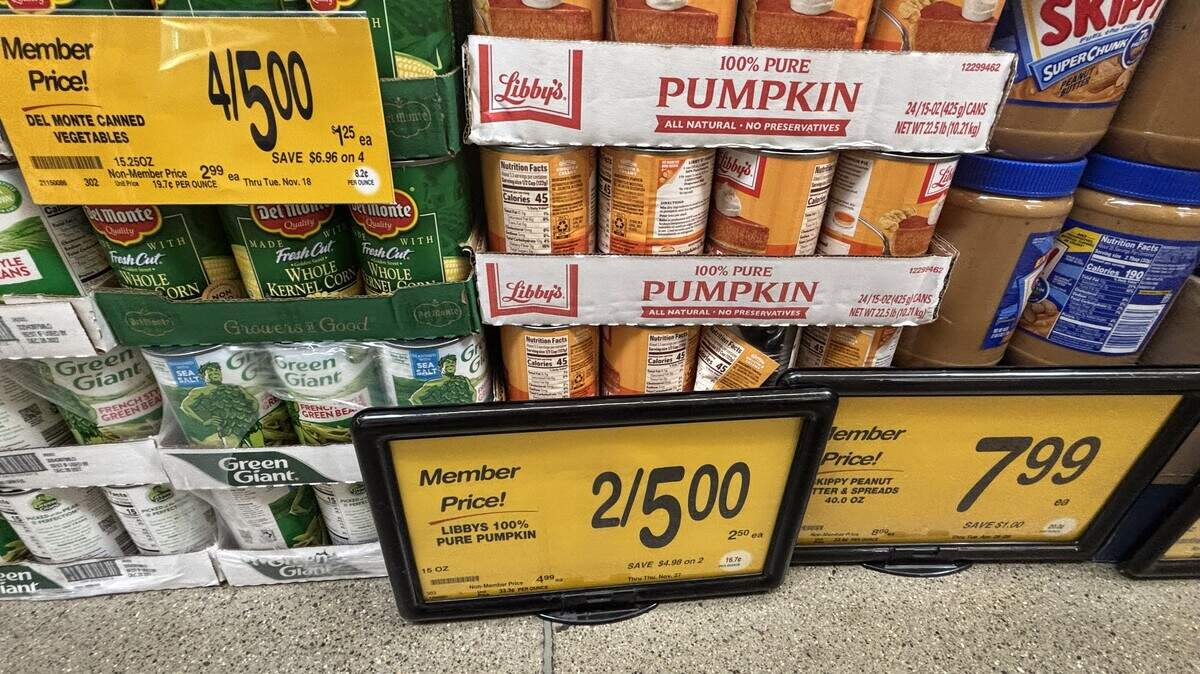
The recently unveiled website and digital advertisements paint a troubling picture: A bill pending in the California Legislature could put loyalty programs, digital coupons and other rewards at risk.
“At a time when Californians are already paying more for nearly everything, the last thing families need is fewer opportunities to save,” the website reads, in underlined and bolded letters, along with other warnings about Assembly Bill 2564.
The measure aims to prevent businesses from offering different prices for shoppers based on personal information that is collected using tracking technology or other surveillance electronic tools, unless the businesses follow certain rules. Federal officials have found that a person’s movements on a website with a computer mouse and items left in an online shopping cart can be tracked and used by retailers to personalize the cost of items.
But opponents of the bill argue the requirements it would impose are onerous and legally risky, which is why they say discounts could go away because of it. The dueling fight over shopper savings will be a closely watched fight over the coming weeks as the Legislature finishes its work for the year.
“It’s very personal,” said Rachel Michelin, CEO of the California Retailers Association, which is behind the website and the ad campaign. “I like my discounts, I like my coupons.”
But does the bill actually put those savings at risk?
The current version of the measure says that retailers can still use personal data to offer discounted prices in several instances. Those include loyalty, membership or rewards programs that customers enroll in or if the savings are offered to broad groups of people, such as teachers, military members or senior citizens. To do so, though, they have to list on a website all their discounts and the ways customers can qualify for them. They must also make the savings available to any shopper who meets the criteria created by the business.
Assemblymember Chris Ward, D-San Diego, said the language about allowing the discount programs in the bill shows that it is not a threat to savings programs. He called the suggestion that it would an “absolute scare tactic” by opponents.
“Lots of state legislators across the country are waking up to this and trying to say, ‘Look, this has jumped the shark,’” he said. “We need to actually define this business practice and put a stop to it so that we can get back to a very healthy relationship and fair marketing and fair pricing for everybody.”
Is disclosure necessary?
Foes of the measure say their warnings about the future of discounts lies in the disclosure requirement. Not only will listing all of their savings create a lot more work, but they argue it ultimately won’t benefit customers because shoppers are unlikely to scroll through a lengthy webpage looking for the latest deals. And, they caution, it will open retailers up to lawsuits if not every single discount is accounted for.
“Under the proposed legislation, many businesses may determine that the legal risk and compliance burden are simply too great to continue offering these personalized discounts,” the website warns. The bill is also opposed by organizations representing technology and broadband companies as well as gas station convenience store operators.
Justin Brookman, a director of technology policy at Consumer Reports, does not see a flood of lawsuits following if the bill passes. The organization is a main backer of the measure and has supported efforts in other states to prohibit individualized prices for people based on certain personal information.
“Transparency in pricing is good,” Brookman said. “That’s what we’re trying to go for.”
Michelin said defeating the current version of the measure is California Retailers Association’s top priority of all the bills that are still pending in the Legislature. Her group, which does not make its member list public, was still open to negotiating changes, including taking out the disclosure requirement, she said.
“I would love to find a path on this bill that we both find a win on,” Michelin said.
Ward, who tried to pass a bill last year that also targeted so-called surveillance pricing, also was open to more conversations with retailers. But he said disclosing discounts was key to shoppers knowing they are being treated fairly and not having their personal information used against them.
The bill will be eligible for a vote in front of the entire Senate when legislators return next month from their summer recess. Aug. 31 is the last day of the year for the Legislature to pass measures.
“If they have the courage to sort of get past some of this misinformation and really look at what the right thing to do is,” he said of his legislative colleagues, “then we’re on to the governor.”
This story was originally published July 10, 2026 at 5:00 PM with the headline "Businesses claim a California bill is a threat to discount programs. Is it?."