UC Davis study: Prescribed burns, forest thinning save billions but underused
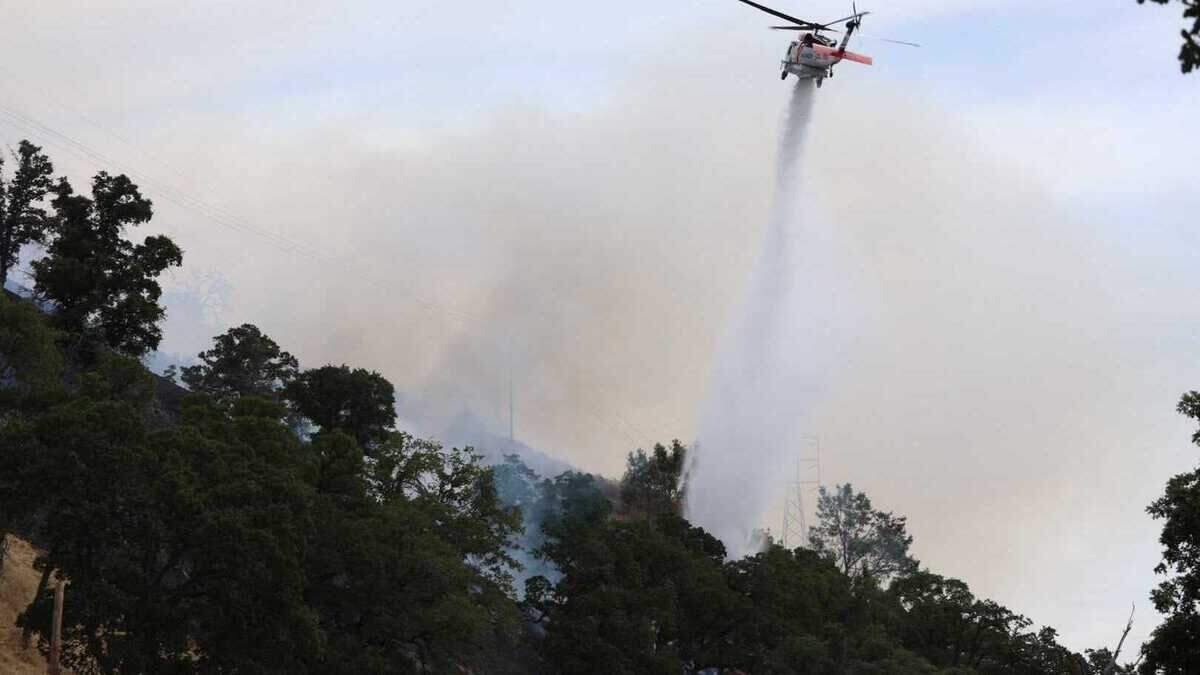
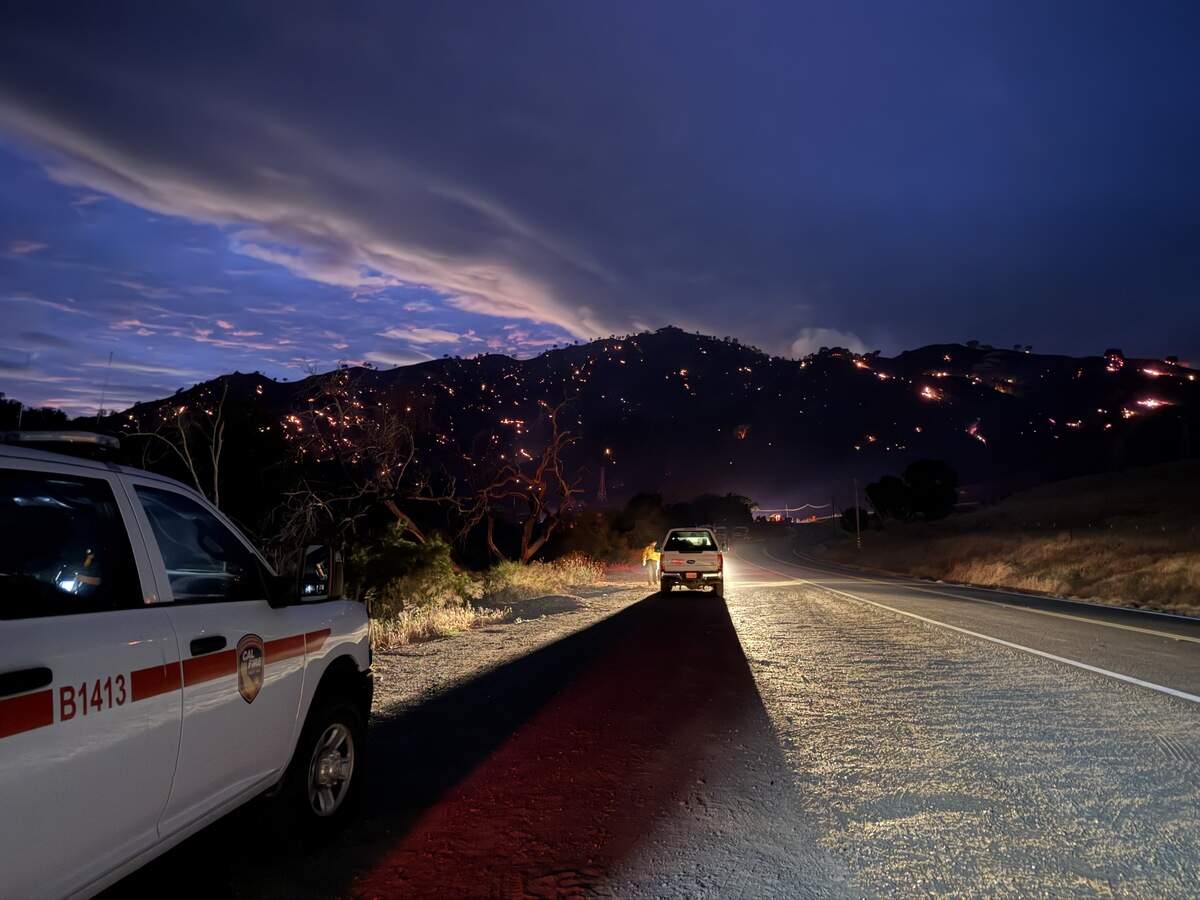
As firefighters continue to work to contain the Putah Fire, an escaped prescribed that has charred more than 800 acres, a study published by UC Davis researchers found that greater investment in treatments such as prescribed burns may be needed to effectively reduce wildfire damage.
The researchers found that underused strategies known as fuel treatments — including forest thinning, prescribed burns and removal of excess vegetation — can prevent billions of dollars in damage while also reducing wildfire severity.
“There’s a strong case to be made to sort of increase treatments in order to really make a bigger dent in this, the annual cost of wildfires,” said Frederik Strabo, the lead author of the study, which was published last month in the journal Science.
The scientists’ work was the first large-scale study to assess the economic value of U.S. Forest Service fuel reduction treatments across the West using historic wildfire data.
The UC Davis team analyzed data from nearly 300 wildfires across 11 states between 2017 and 2023 that encountered forest areas that had undergone fuel reduction treatment. They found that, on average, fires were more than 13% less likely to continue spreading immediately after encountering treated areas and avoided an estimated $2.8 billion in damages, including losses to buildings, carbon dioxide emissions, and health and economic impacts, demonstrating the financial benefits of fuel treatments.
Despite growing consensus in the scientific community about the effectiveness of fuel treatments in reducing wildfire damage, there had been little evidence of their economic value before the team’s study, Strabo said. He explained that uncertainty about the cost-effectiveness of fuel treatments contributes to their underuse, emphasizing that scientifically proving the treatments’ economic value is important to agencies with limited budgets.
“If they have a better understanding of whether or not those treatments pay off, that’s like the first step in sort of incentivizing them to increase the pace and scale of fuels treatments,” he said.
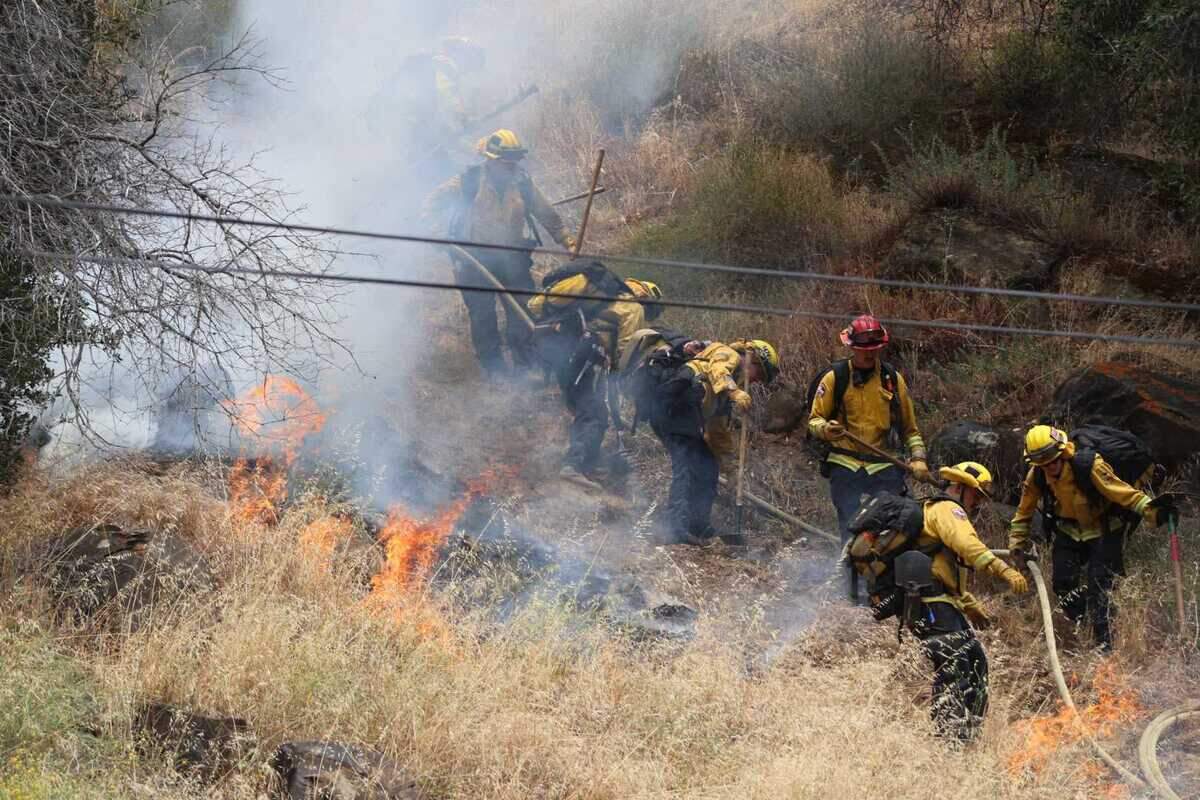
Escaped burns such as the Putah Fire are rare. A study of prescribed burns conducted in 16 of California’s 35 air districts that consistently reported burns between 2013 and 2020 found that only 1.76% escaped containment.
According to Ryan Isham, deputy chief of Cal Fire’s Sonoma-Lake-Napa Unit, the Putah burn had been planned since 2018 after the area experienced four consecutive years of large wildfires that each burned thousands of acres. In 2014, the Monticello Fire burned 6,600 acres. The following year, the Rag Fire burned 8,000 acres. In 2016 and 2017, fires burned 5,700 acres and nearly 2,400 acres, respectively.
Because all four fires were caused by vehicle malfunctions that ignited vegetation along roadsides, the burn was prescribed to reduce the risk of similar fires spreading into surrounding vegetation, Isham said.
While crews were conducting the burn, the fire spread beyond operational control lines but remained within the 6,800-acre property approved for the project.
“Introducing good fire back into the landscape allows us to reduce fuel accumulation, improve forest health, and range land health, all of which have benefits in protecting and strengthening our communities,” Isham said.
He emphasized that no structures were damaged and that Cal Fire is committed to containing the fire, but encouraged area residents to remain alert.
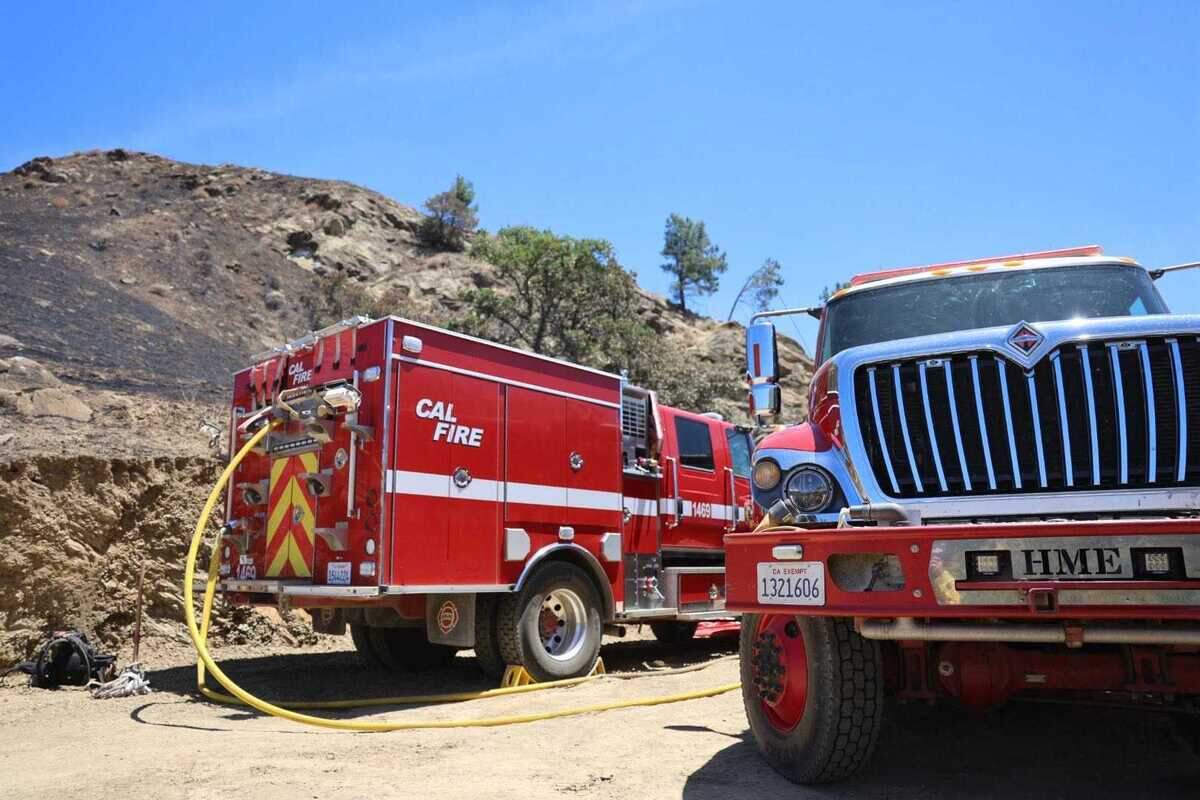
California’s increasingly frequent and severe wildfires over the past several decades have prompted state lawmakers to pass legislation providing residents with resources to harden their homes, adopt new firefighting technology and reduce fuels. California alone budgeted more than $4.5 billion for Cal Fire response activities during the current fiscal year, according to the governor’s January 2026 budget.
Although the study’s $2.8 billion in savings reflects the combined impact of nearly 300 fires, the findings also showed that every dollar invested in fuel reduction generated an estimated $3.73 in savings, suggesting greater investment could produce larger returns.
“Understanding whether public investment is cost effective, that’s something that can appeal to anyone across the political spectrum,” said Strabo.
This story was originally published June 12, 2026 at 5:00 AM with the headline "UC Davis study: Prescribed burns, forest thinning save billions but underused."