Gavin Newsom vetoes bill that would have limited solitary confinement in California prisons
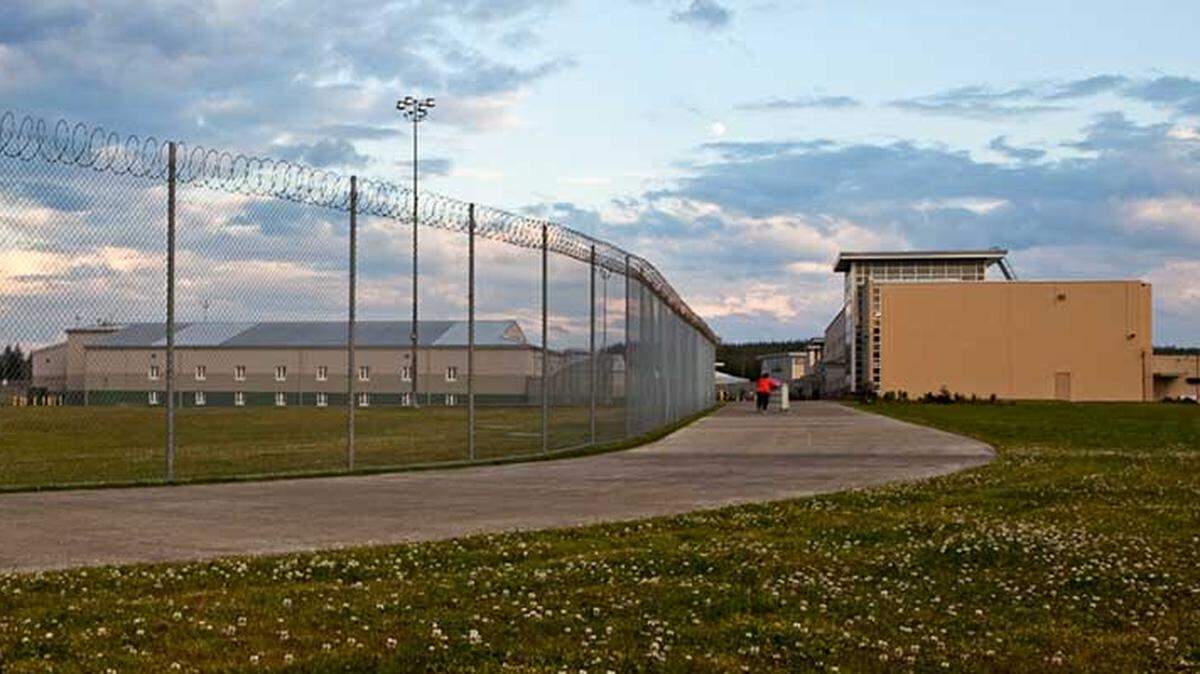
Gov. Gavin Newsom vetoed a bill on Thursday that would have made California the latest state to curb its widespread use of solitary confinement.
The bill, known as the California Mandela Act, would have restricted prisons, jails and private immigration detention centers from holding people in solitary confinement for more than 15 consecutive days. It would have banned the practice altogether for vulnerable populations, including pregnant people and those under 25 and over 60.
Newsom in a veto message called the bill “overly broad,” writing that it lacked exceptions for officials to use solitary confinement in circumstances when segregated housing could “protect the safety of all incarcerated individuals in the institution.”
He wrote he was sympathetic to the bill’s intent, and said he would direct the California Department of Corrections and Rehabilitation to “develop regulations that would restrict the use of segregated confinement except in limited situations, such as where the individual has been found to have engaged in violence in the prison.”
The legislation, introduced by Assemblyman Chris Holden, D-Pasadena, defined solitary confinement as holding a person in a cell with severe restrictions on physical movement and minimal or zero contact with people for more than 17 hours a day.
“California has a dark history on the issue of solitary confinement, and this bill was our chance to get it right on this issue,” said Holden in a statement. “The scientific consensus and the international standards are clear, solitary confinement is torture and there must be limitations and oversight on the practice.”
The bill mirrored in New York that went into effect this year. Another 13 states have limited or banned the practice since 2017.
California bill inspired by Nelson Mandela
More than 90% of immigrants facing potential deportation in California are held in for-profit detention facilities that would have been affected by the law, according to Immigrant Defense Advocates, one of the organizations that supported the bill.
“We are deeply disappointed in the lack of engagement by Gov. Newsom on this critical human rights and racial justice issue,” said Jackie Gonzalez, policy director with Immigrant Defense Advocates. “The evidence is clear that limits on solitary confinement lead to increased safety and reduced costs. We will not rest until California recognizes this as torture and brings our state in line with international human rights standards.”
The bill’s title was inspired by Nelson Mandela and the United Nations’ standards on treatment of prisoners, which are named in his honor. In 2015, the United Nations prohibited any period of isolation beyond 15 days and defined it as torture.
State advocates had pushed for the law for years, pointing to long-standing evidence on the effects of the practice. Growing research links solitary confinement to increased violence in facilities, worsened mental illness and higher rates of death after release.
Would prisons and jails have to build more cells?
A 2019 Journal of American Medical Association study found people who had spent time in solitary confinement were 78% more likely to die from suicide within the first year of release compared to people incarcerated but not placed in solitary. The practice also resulted in a 5 to 7.5% increase in being convicted of a new crime after release, according to a 2020 study published in Criminology.
Corrections leaders had argued the bill would have complicated housing decisions and led to more dangerous environments for detainees and staff. Cory Salzillo, legislative director for the California State Sheriffs’ Association, called the bill’s mandates “concerning” and said its definition of special populations is “broad.”
Other critics insisted the bill may result in hundreds of millions of dollars in costs and construction. But some experts and public defenders said those claims were simply not true. Immigration Defense Advocates noted that opponents raised similar concerns in New York during the initial opposition to the Halt Act, the 2021 law that restricted solitary confinement in that state. Since the passage of the bill, New York has closed down six prisons and not dedicated costs to construction.
Immigration Defense Advocates and Berkeley Underground Scholars released a fiscal report in July to highlight potential savings by the Mandela Act. The report predicted savings between $60 and $300 million, with a possible 70% reduction in the solitary confinement population.
This story was originally published September 29, 2022 at 9:54 PM with the headline "Gavin Newsom vetoes bill that would have limited solitary confinement in California prisons."