Stanislaus activists seek zero-waste economy. Is it possible? And how many jobs?
A new report projects that moving toward a zero-waste economy could create 531,000 jobs in California.
Stanislaus County activists already had their own plan for making trash easier to reuse, recycle or compost. And its vast food and beverage industries have taken some steps, mainly with packaging.
The local plan, from Valley Improvement Projects, seeks at least 90% diversion by 2040, about double the current rate.
The Modesto Bee has two goals for this story: One is to explore how saving the planet might put several thousand locals to work. The other is to help readers ramp up their own efforts at home. This includes a new $50,000 grant to the city of Modesto for education on compostable packaging.
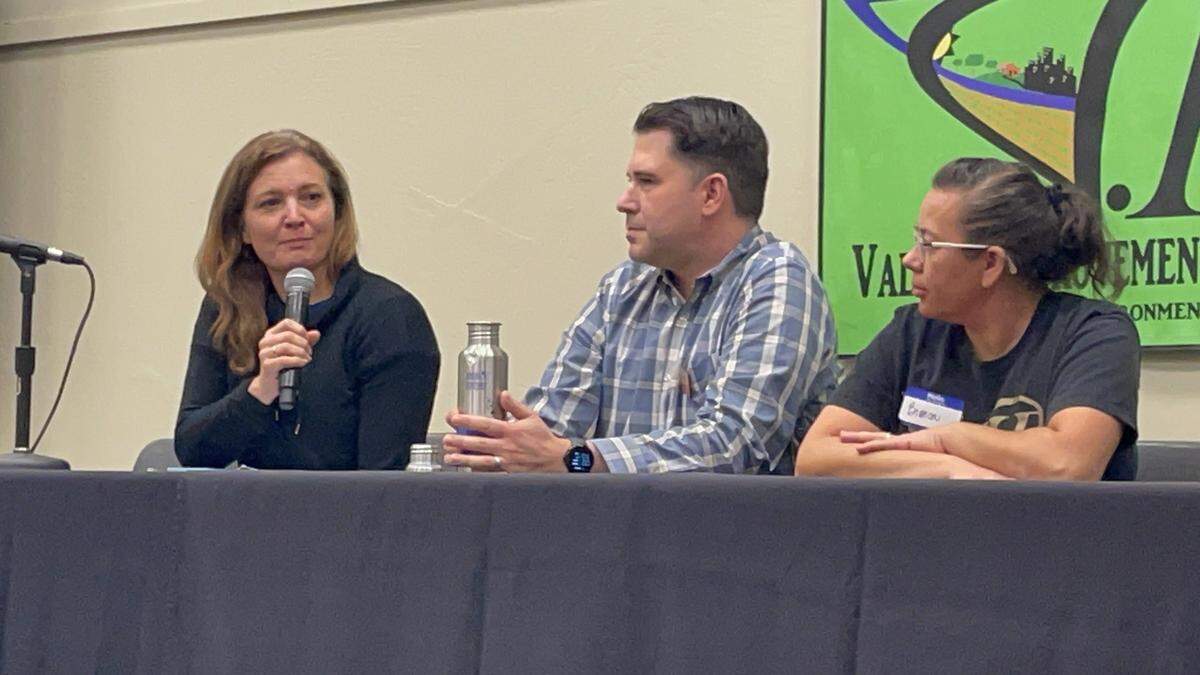
The state report was released Oct. 9 by CalRecycle, the agency charged with keeping waste out of landfills. One of its deputy directors, Katrina Leni-Konig, took part in an Oct. 4 forum in Modesto.
Speakers urged simple practices, such as shopping at thrift stores and reusing water bottles. And they called for retooling factories to use less plastic and other materials in packaging.
“Unfortunately,” Leni-Konig said, “they earn more money by selling you crap that you don’t need, essentially, and that’s the true problem of humanity.” She oversees CalRecycle’s Office of Environmental Justice, Tribal Relations, Education and Outreach.
West Side trash-burner inspired plan
The forum was held at Modesto Centre Plaza as part of VIP’s annual Environmental Justice Conference. The group has its headquarters two blocks up K Street.
VIP released the zero-waste plan in May 2024 as part of its campaign against the trash-burning power plant on the West Side. It closed in December after 45 years of operation. This waste now goes to the adjacent Fink Road landfill.
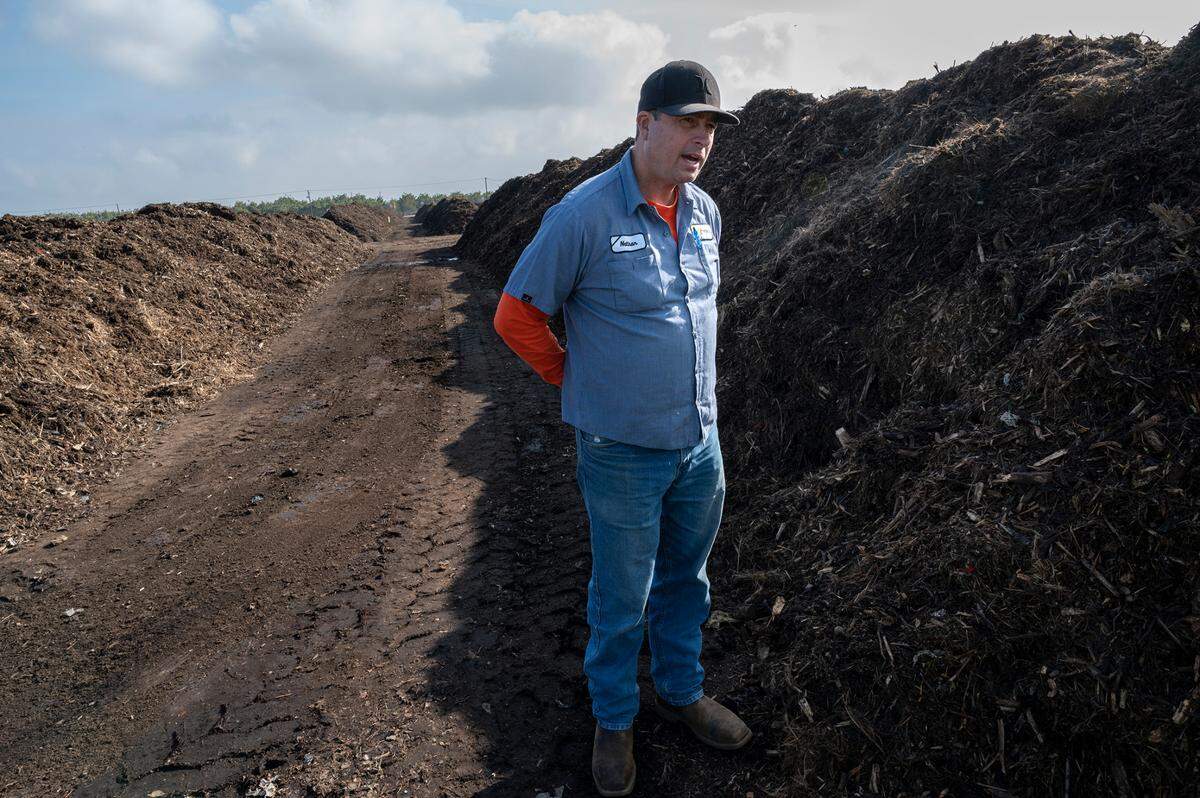
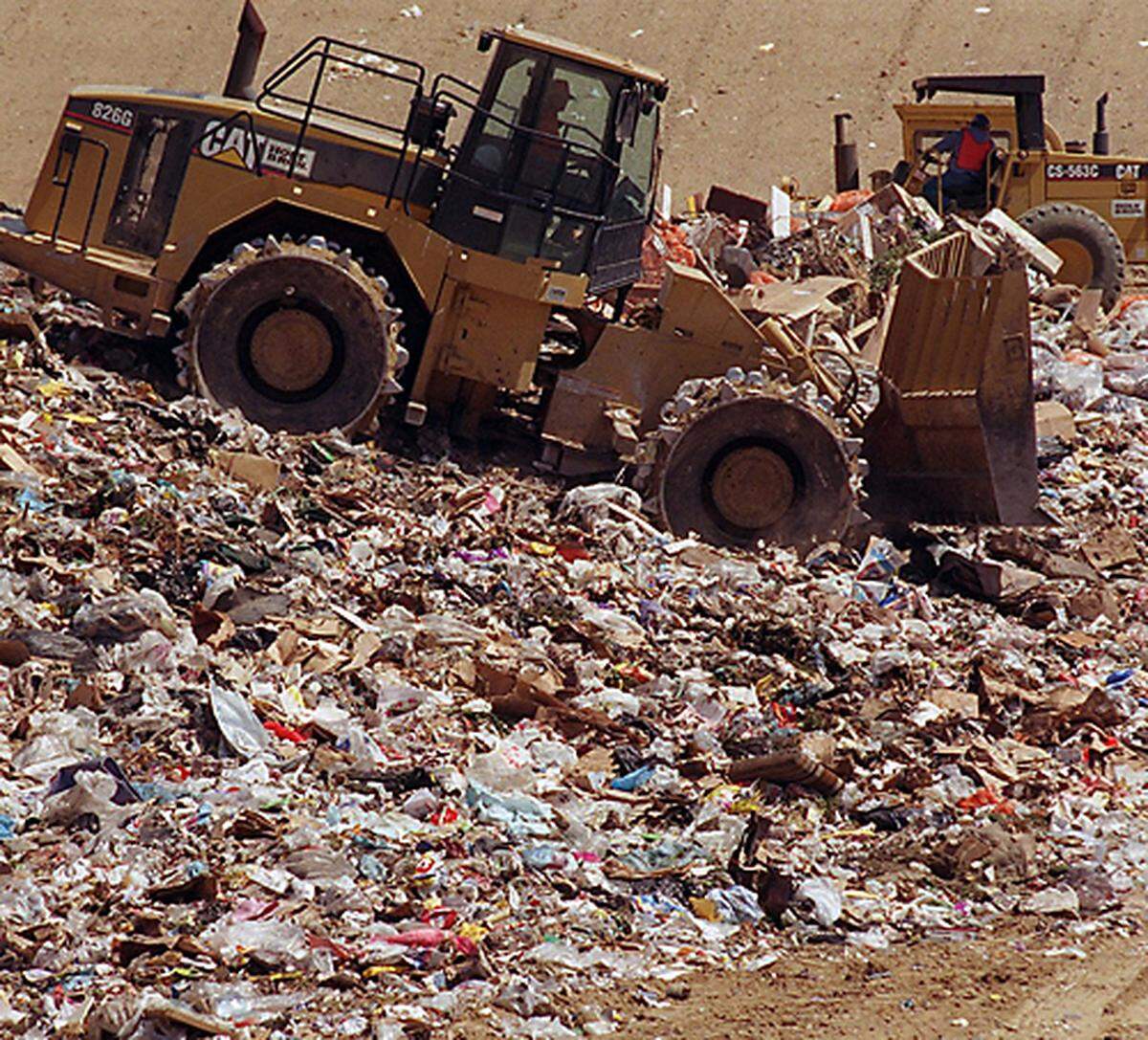
Burying trash once was thought to be a wise alternative to open dumps. But it emits methane, a leading cause of climate change, as food and other organic waste decays. Composting avoids this by mixing oxygen into the piles.
The city of Modesto has had a large-scale composting site since 1997, about five miles southwest of town. Others have followed at various locations, both public and private.
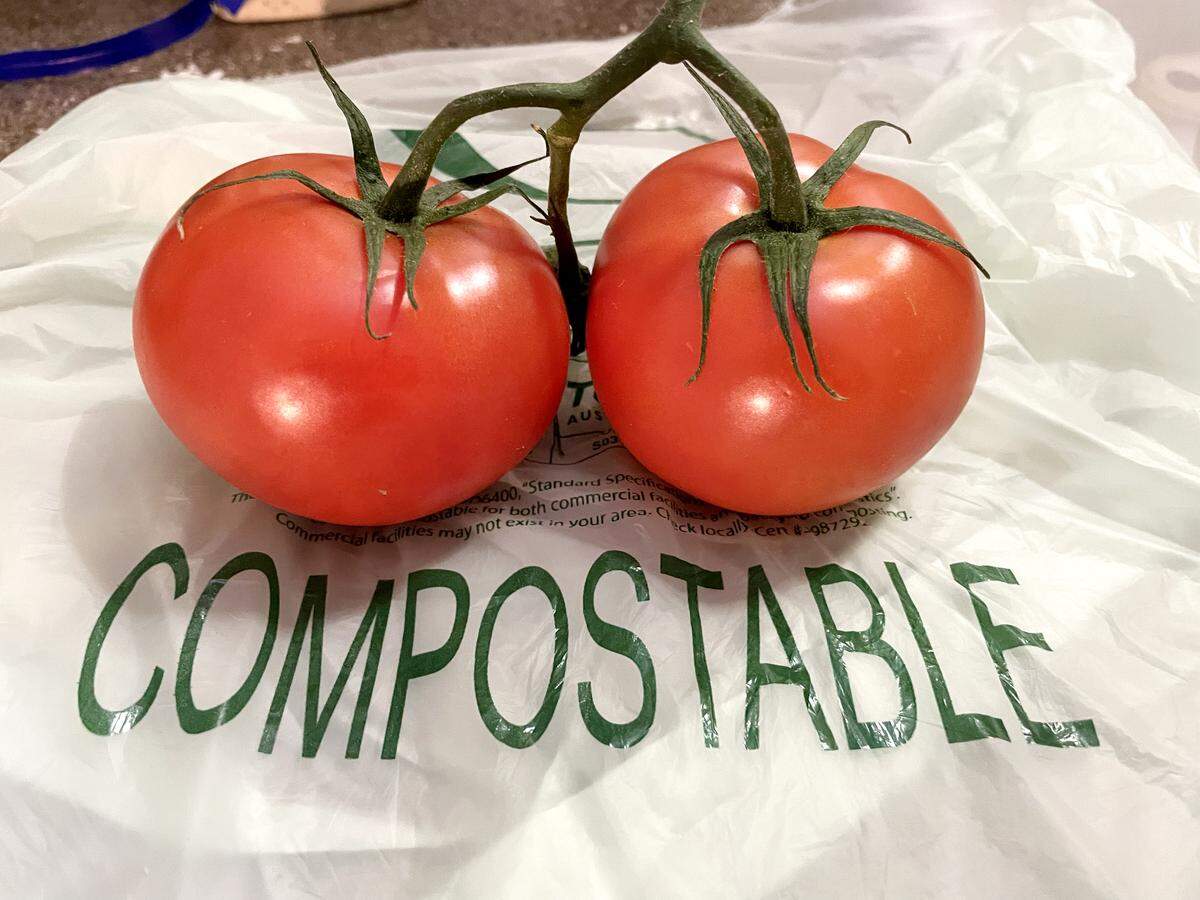
The new $50,000 grant will inform residents on compostable packaging, such as the produce bags now common in grocery stores. The city will update labels on collection bins at homes and businesses.
The grant came from the Closed Loop Partners Composting Consortium and the Biodegradable Products Institute. Both are based in New York City.
“This grant program is more than just funding,” institute Executive Director Rhodes Yepsen said in a news release. “It’s about building a foundation for a circular bioeconomy that works in practice and eventually at scale.”
He later spoke by phone about Stanislaus County’s potential role in making compostable packaging. Its cheese plants, for example, might replace plastic with a substance that still protects quality.
Most plastic now comes from petroleum and decays slowly in landfills. Scraps that are simply tossed aside can harm birds and other wildlife.
Is perfection necessary?
The movement is called “zero-waste,” but advocates don’t demand perfection. A peanut butter jar should perhaps go to the dump if thoroughly rinsing it out would consume a lot of water. Toxics and medical wastes have their own certified disposal sites. Compostable diapers are now a thing in some places, but not at Modesto’s facility. They would interfere with the breakdown process, as would pet waste. Both are prohibited in the city’s green waste bins.
VIP admitted its own shortcomings with the lunch served at the Oct. 4 conference: The sandwich trays were wrapped in single-use plastic for lack of an alternative. The hosts did use compostable plates and washable metal forks. And attendees could take the surplus sandwiches home, a time-honored way of stretching a family budget.
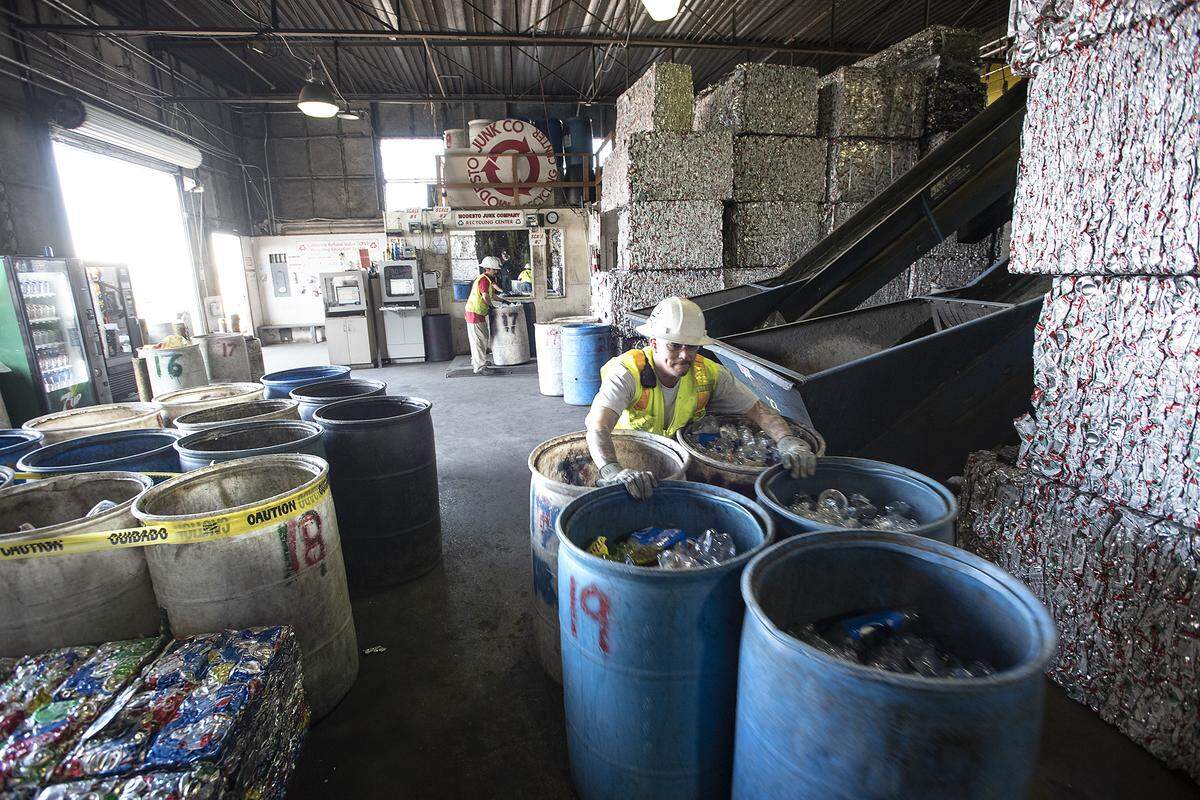
Modesto was among the 1970s pioneers in curbside pickup of cans, bottles and paper. Today, recycling diverts about a third of the county’s waste, according to VIP’s plan. This includes steel, copper, aluminum and other metals separated by waste haulers, along with plastic and glass.
Much of the material heads to other countries via road, rail and ship. Keeping it local could provide jobs while reducing fuel use. That has already happened on a massive scale at the glass plant for E.&J. Gallo Winery.
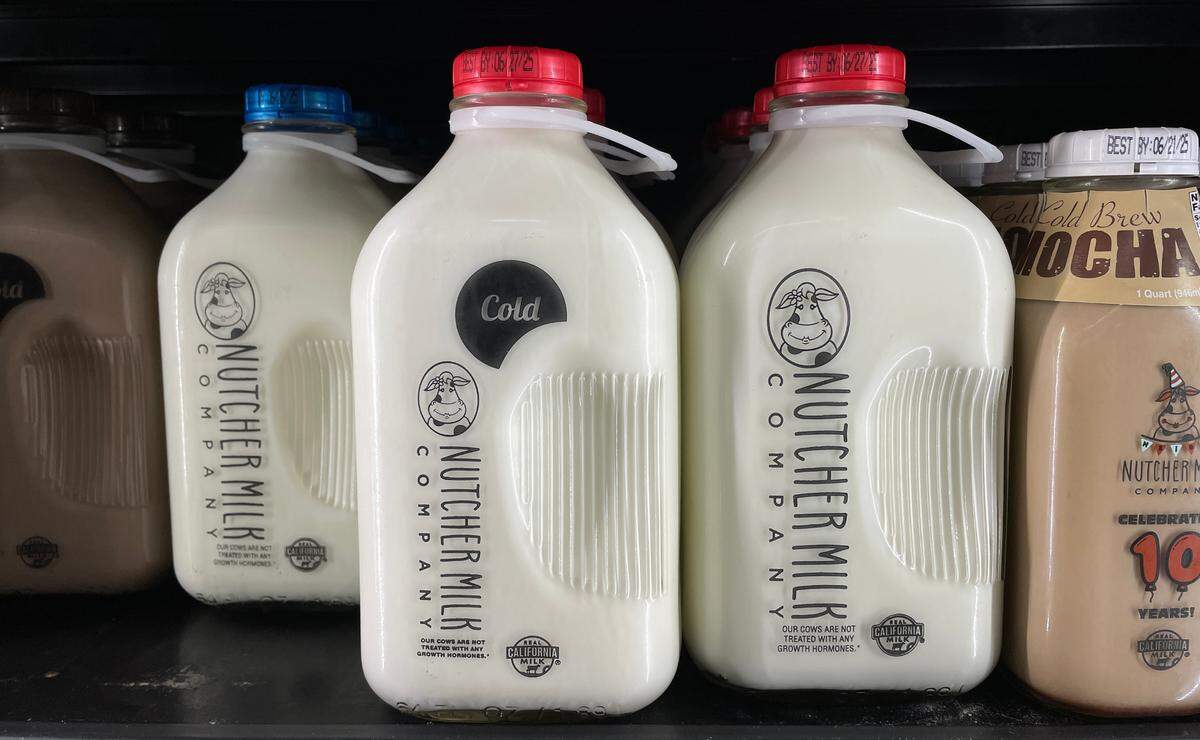
The county also has companies processing steel for tomato and peach canneries and cardboard for various foods and beverages. Nutcher Milk Co. and some other producers sell directly to the public in returnable glass bottles.
The early recycling efforts aimed to reduce litter and conserve materials and energy. Climate change has brought new urgency. It could disrupt agriculture, raise sea levels and make hot regions even hotter.
How many jobs might be created?
VIP’s plan was based on 2021 figures for waste as reported to CalRecycle. County residents sent 664,116 tons to the landfill or burner. The other 590,684 tons were recycled, composted or otherwise diverted, including programs for concrete, tires, mattresses and carpets.
VIP did not project total jobs, but it did cite rough estimates from Gaia, a global nonprofit. The numbers are stark:
- Only two jobs are created on average for every 10,000 tons of waste that is landfilled or burned.
- Seven people are employed if the same volume is composted. Most of this work is done by machines rather than hand labor.
- Recycling the waste into raw materials for new products could generate 115 jobs per 10,000 tons. The number could be higher or lower based on how mechanized the process is.
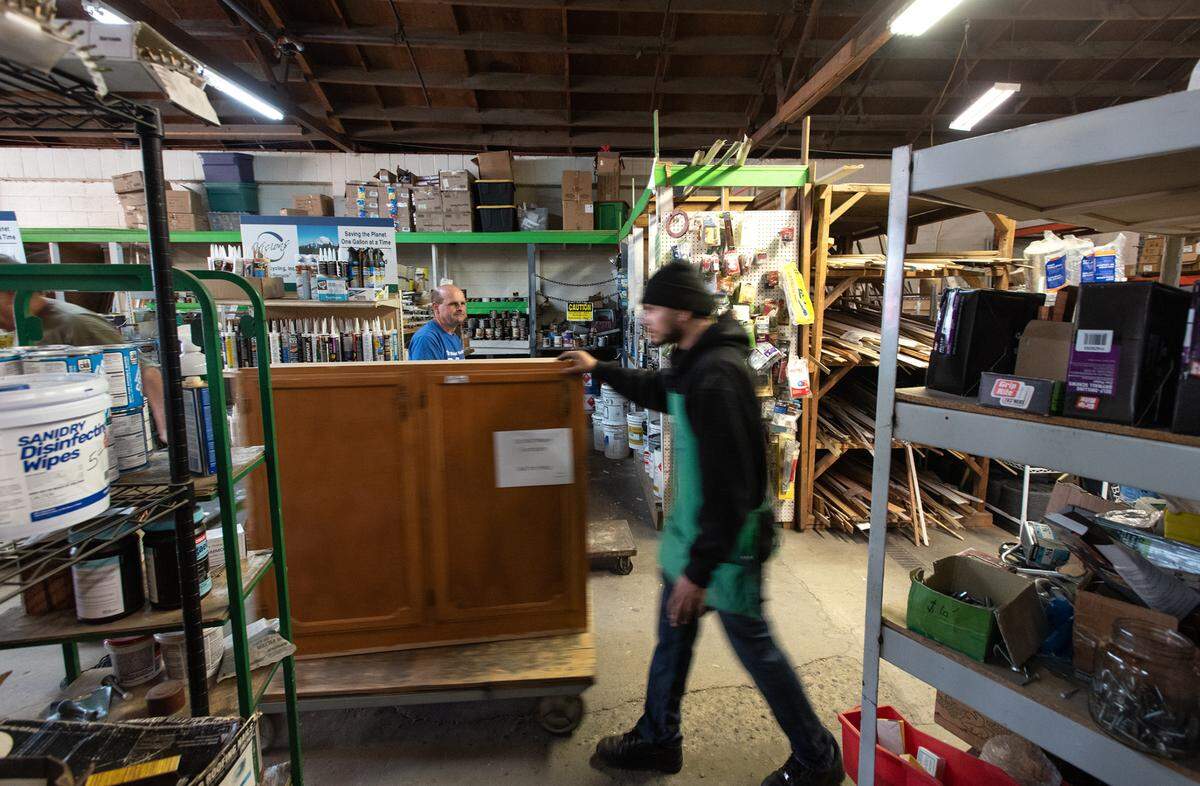
- Repairing salvageable items creates 404 jobs per 10,000 tons. This could include furniture, appliances, computers and more. It is a tiny part of the total volume but has an outsized impact on employment.
The new state report did not have a breakdown by county for the 531,000 jobs it forecast. Stanislaus would get about 7,000 of them based on its share of the population.
CalRecycle’s plan mentions the bioindustry push that grew out of the Stanislaus 2030 initiative. It calls for turning crop and other waste into fuel, building materials and other goods.
VIP questions the idea, as explained by co-founder Bianca Lopez at the forum. The group supports reducing waste on farms but objects to uses such as jet fuel from old orchard trees. Aemetis Inc. is planning this in Riverbank. The company contends that it would have a net benefit for the climate.
VIP also urges farmers to shift from almonds and other export-heavy crops to growing diverse food for local consumption.
Berkeley fought off its own trash burner
The forum featured a Bay Area group that had its own battle with a proposed trash-burner in the 1980s. The Berkeley Ecology Center helped lead the ballot measure that blocked it, Executive Director Martin Bourque said.
Burning was among the “false solutions” to the problem, said Nick Lapis, director of advocacy for Californians Against Waste. The Sacramento-based group was founded in 1977 and helped establish beverage container deposits in the 1980s. More recently, it got the state to simplify food expiration dates, such as “use by” and “best by.”
Lapis said residents need not worry about falling short of “zero-waste influencers” who take the cause to an extreme. The best-known perhaps is Oregon-based Bea Johnson, who boasts of fitting her family’s yearly waste in a pint jar.
How else would VIP work toward zero waste?
Other ideas from the VIP plan and an email from program manager Gavin Bruce:
- Increase landfill dumping fees to fund alternatives.
- Create compost piles at schools to educate children while reducing campus waste.
- Divert surplus edible food from grocery stores and other business to people in need.
- Visit thrift shops to donate or purchase items. The largest is likely the Habitat for Humanity ReStore at 2206 Tenaya Ave., raising money for affordable housing. Others benefit schools, health care and more.
- Ensure that all county residents have three bins — one for organics, another for recyclables and the third for the landfill. Only two are provided in Riverbank, Oakdale, Waterford and Hughson.
- Hold regular events at which people can exchange goods or get them repaired. VIP has its own version called the Really Really Free Market. The next is 11 a.m. to 3 p.m. Nov. 8 at 1224 K St., Modesto.