Valley dairy industry hopes to make it easier for people to recycle plastic milk jugs
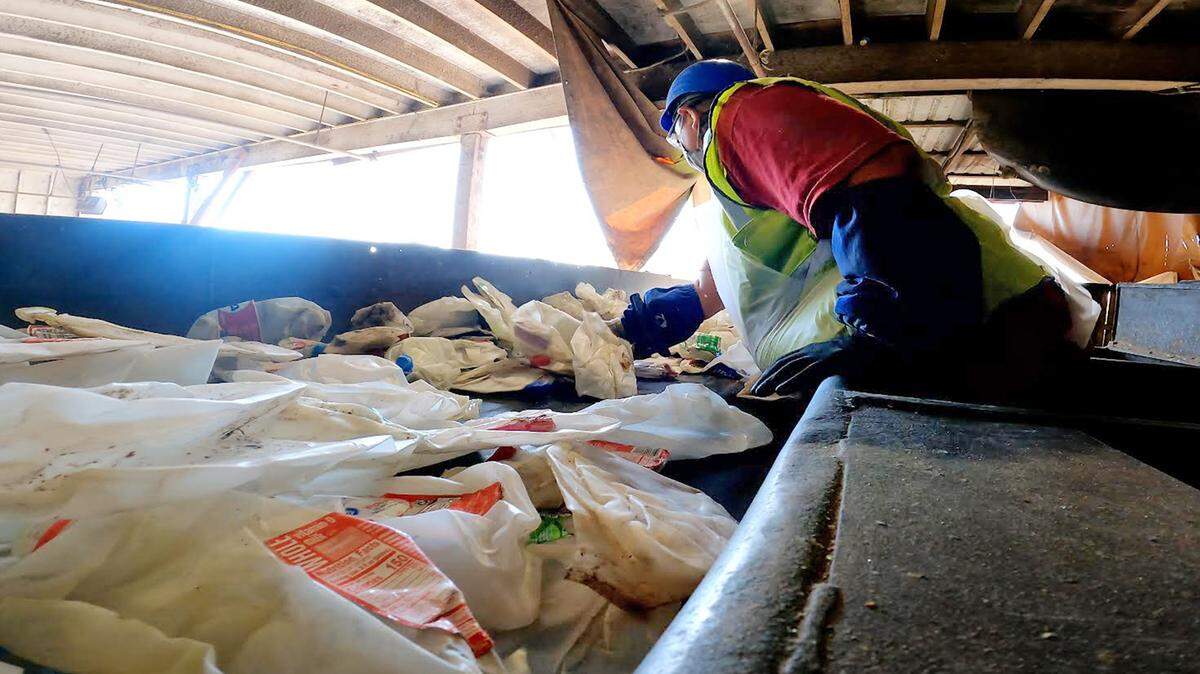
A campaign that launched Thursday aims to get more consumers to recycle plastic milk jugs, some of them from Modesto-area dairy plants.
The California Milk Advisory Board, based in Tracy, partnered on the campaign with the recycling industry, grocery chains and a national dairy group.
“We want to encourage consumers who buy milk in the jug to make sure that jug makes it to the recycling bin to help keep plastic out of landfills,” milk board CEO John Talbot said in a news release.
The campaign involves high-density polyethylene, or HDPE, which has a “2” inside the familiar recycling symbol. These containers are not part of the state’s cash redemption program.
Trash haulers in Stanislaus County pull milk jugs from the waste stream. In some cities, residents should place them in blue bags for pickup.
Residents also can take well-rinsed jugs to recycling centers, which pay much less by weight than the redemption system. A list is at www.earth911.com.
The release noted a recent poll finding that 47% of respondents felt that milk jugs are difficult to recycle. Of that group, 32% doubted that they actually would be recycled.
“Milk jugs are easy to recognize and sort at recycling centers, so consumers can have confidence that their milk jug will actually be recycled,” said Tim Dewey-Mattia, recycling and public education manager for Napa Recycling, in the release.
Milk jugs are colorless, which aids in putting the plastic to new uses. It ends up in toys, lumber, containers, pipes and many other items.
Milk was the top-grossing farm product in the state last year, at $7.47 billion, the California Department of Food and Agriculture reported. Only about 10% is sold as liquid in jugs and cartons. The rest is made into cheese, yogurt, ice cream, butter and other items.
The jugs are filled in huge numbers at plants such as Crystal Creamery in Modesto and Sunnyside Farms in Turlock. Each gallon starts with a three-ounce wad of plastic that is blown up to hold about eight pounds of milk. It’s durable enough to withstand handling by stockers in grocery stores and children in home kitchens.
Gilton Solid Waste Management recycles milk jugs from its customers in parts of Stanislaus, Merced and San Joaquin counties.
“One of the key ingredients used to make plastic is oil, which is a natural resource,” Gilton said. “By recycling plastic, we are conserving and preserving one of the earth’s valuable natural resources.”
Turlock Scavenger asks its customers in and near that city to rinse out milk jugs, said an email from Jesse Marchant, outreach and compliance coordinator.
The Modesto Bee could not reach Bertolotti Disposal, the other trash hauler in Stanislaus County.
The new campaign also has support from the Milk Processor Education Program, or MilkPEP. “Dairy processors are constantly exploring ways to provide milk in the most convenient, sustainable packaging — using more recycled HDPE is one example,” CEO Yin Woon Rani said in the release
“The more consumers put their milk jugs into the recycling bin, the more responsibly made packaging we can make, and that’s something consumers can feel good about.”