Bird flu has eased. Stanislaus and other fairs can again host these competitions
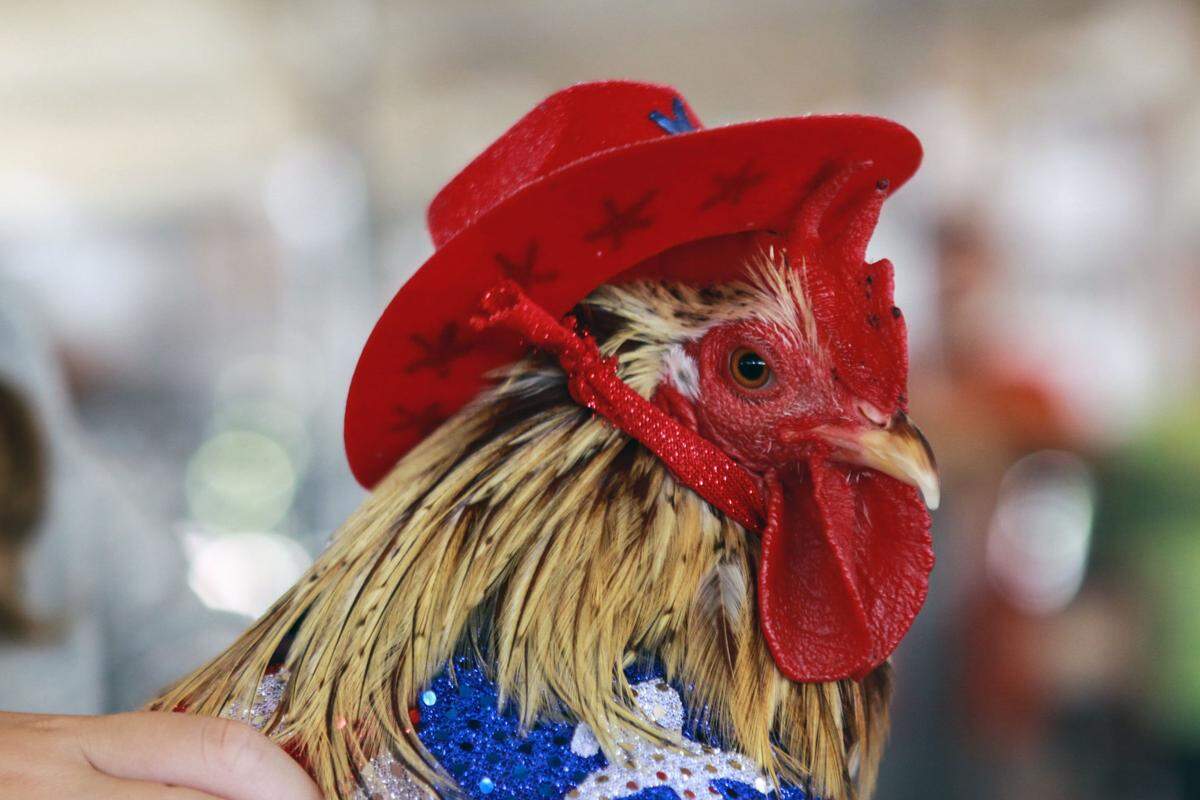
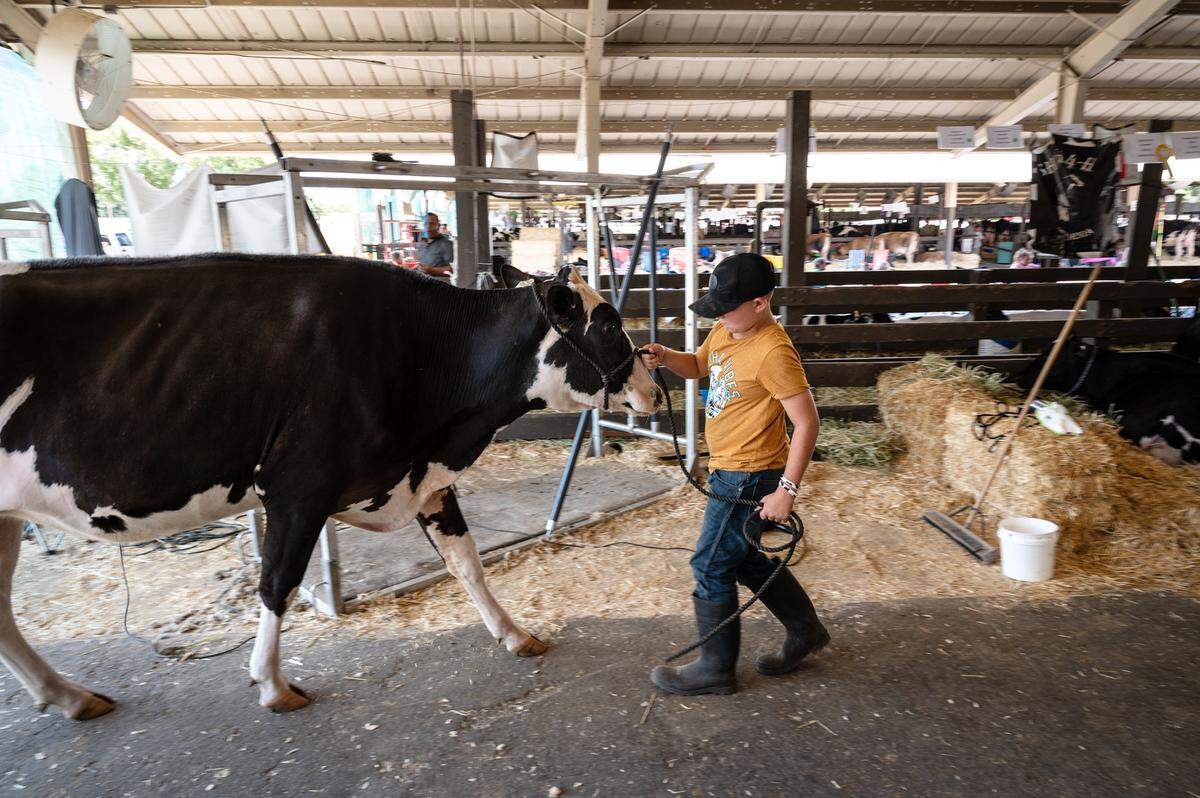
A decline in bird flu cases means county fairs once again can have poultry and dairy cattle shows.
The California Department of Food and Agriculture announced Jan. 16 that it was lifting the ban it imposed last January.
Hundreds of 4-H and FFA members in Stanislaus County alone had to keep their animals at home during the 2025 fair. This year’s fair will run July 10-19, with safeguards against spreading the virus at the Turlock fairgrounds.
Avian influenza mainly affects chickens and turkeys, but dairy cattle and humans can get sick, too. The concern is not so great with beef cattle because they do not require close daily contact.
“We’re excited to welcome back our poultry and dairy exhibitors,” a Facebook post by the Stanislaus County Fair reads. “We will continue working closely with CDFA to ensure all recommended biosecurity measures are followed.”
The Northern San Joaquin Valley ranks among the nation’s top producers of milk, poultry meat and eggs. These businesses have had their share of the H5N1 virus outbreaks around the nation since 2022.
At dairy farms, infected cows can be isolated while the rest of the herd remains in production. An outbreak in a chicken or turkey flock requires killing thousands of animals and starting over.
California poultry farms had 646,700 sick birds in January 2025, according to the U. S. Department of Agriculture. The current month has 34,670 so far. The state’s last dairy farm outbreak was Nov. 26.
California has reported 37 infected dairy workers since 2022, and another person whose transmission source was unknown. All had mild symptoms.
Bird flu was the main reason why gross farm income in Stanislaus dropped to $3.15 billion in 2024, a 6% decrease from the previous year and the lowest since 2014. The other large losses were in tomatoes and nursery plants.
What else happens at county fairs?
Along with livestock, county fairs offer carnival rides, concerts, motorsports and more. Stanislaus has not announced any 2026 details so far, other than that ticket sales will begin May 2.
Fairs in Merced and San Joaquin counties are similar to Stanislaus with their locations amid large-scale dairy and poultry. Tuolumne County, home to the Mother Lode Fair, has grazing beef cattle and a prominent turkey producer.
Calaveras County has beef cattle, too, and a county fair centered on a frog jumping contest inspired by Mark Twain. Bird flu does not affect the amphibians.
The state agency said in a news release that the ban was lifted after monitoring of bird flu cases and consultation with state and federal experts.
“CDFA recognizes the importance of protecting animal health, public health and California’s agricultural industries while also supporting youth programs, educational opportunities and agricultural traditions across the state,” the release said.
How can backyard poultry owners help?
The CDFA has safety advice for backyard poultry, including nonmembers of 4-H and FFA (formerly Future Farmers of America):
- Keep the flock in a screened enclosure to protect it from wild birds that can transmit bird flu and other diseases.
- Isolate newly purchased birds for 30 days before adding them to the flock.
- Obtain poultry from “reputable, disease-free sources that practice good biosecurity methods.”
- Purchase feed from “clean, dependable suppliers” and keep it in containers that resist birds, rodents and insects.
- Do not allow people who own other birds to come in contact with yours.
- Do not transport fowl to county fairs and other events if they show signs of disease.
- Report infections to a veterinarian and to the CDFA Sick Bird Hotline at 866-922-2473.
This story was originally published January 21, 2026 at 12:00 PM.