Snowpack grew nearly sixfold in watersheds for Stanislaus, neighboring counties
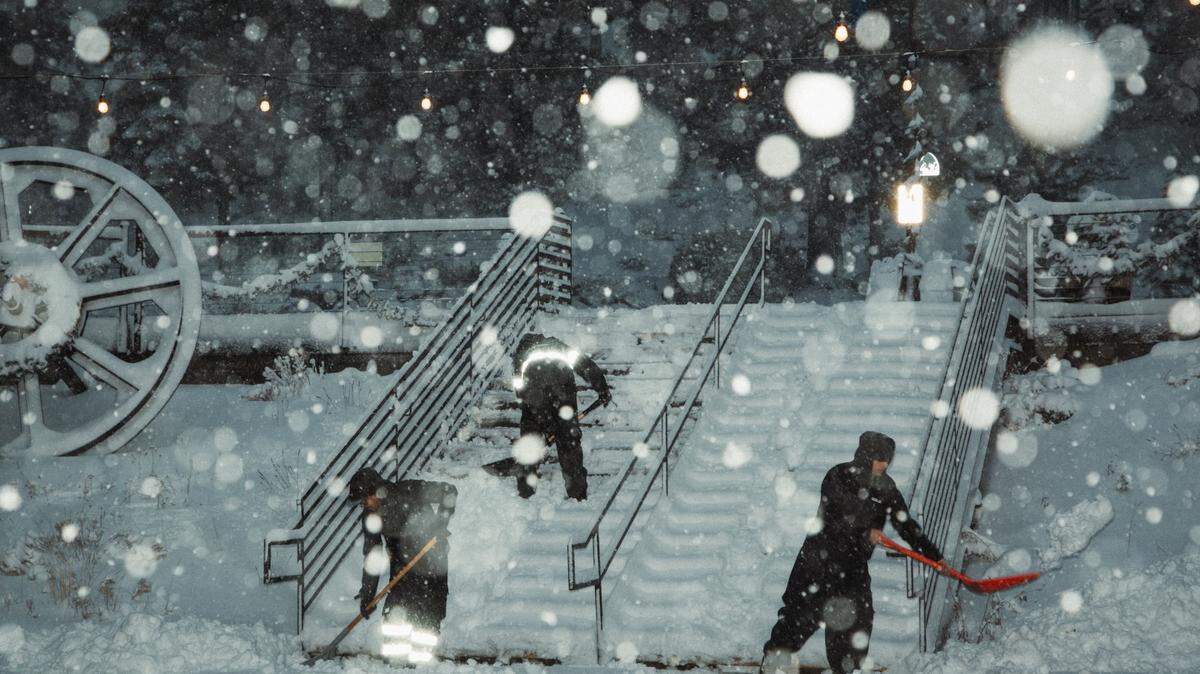
The snowpack for the central Sierra Nevada stood at just 14% of average on Dec. 22. A series of storms put it at 77% a week later.
Those figures came from the California Department of Water Resources. They include the main watersheds for farms and cities in Stanislaus, Merced and San Joaquin counties.
The storm season is still below average, but it has three months to go. This includes more rain and snow forecast for New Year’s Eve through at least Saturday, roughly similar to the Christmas week pattern.
DWR measures storms from October through September of the next calendar year. This accounts for most of the runoff into the reservoirs that get the Central Valley through the dry summer.
The current water year got a head start with storms from mid-October to mid-November, but the rest of autumn was dry. On the plus side, the state had entered the year with above-average reservoir storage.
Farm water suppliers will set their 2026 allotments by early spring from the Stanislaus, Tuolumne and Merced rivers. Some cities in the region tap these sources to supplement wells.
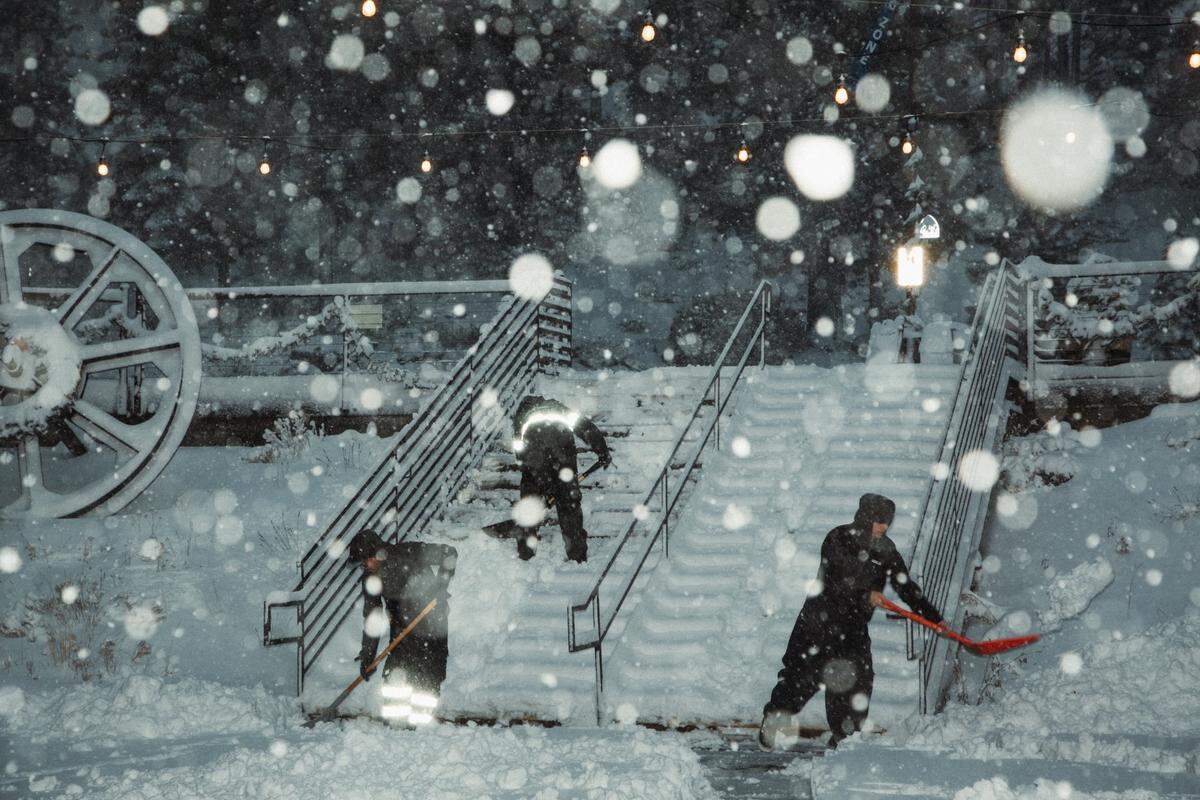
Details on each watershed:
Tuolumne River: The largest diverter is the Turlock Irrigation District, at about 149,000 acres. Its service area stretches from Ceres to the Hilmar area in Merced County. This river also serves the 58,000-acre Modesto Irrigation District and a system owned by San Francisco.
Don Pedro Reservoir, the main storage for MID and TID, was at 76% of capacity as of Monday, Dec. 29, according to DWR. That is 111% of the historical average for the date, thanks to recent wet years. The districts also provide some of the domestic water for Modesto, Ceres and Turlock.
Stanislaus River: It supplies a total of about 115,000 farmland acres in the Oakdale and South San Joaquin irrigation districts. The latter provides domestic water to Manteca, Lathrop and Tracy.
The Stanislaus also feeds the federal Central Valley Project, which pumps water south from the Sacramento-San Joaquin Delta. Allotments can be restricted even in average years due to delta fish protections. Senior water rights holders fare better than others.
DWR said New Melones Reservoir, the largest on the Stanislaus, was at 127% of its historical average for Dec. 29. Actual storage was 70% of capacity.
Merced River: The largest user is the Merced Irrigation District, at about 100,000 acres just south of TID’s territory. DWR reported that McClure Reservoir, the main storage, was at 147% of the historical average for Dec. 29. Actual storage was 64% of capacity.
The western edge of Merced County is home to San Luis Reservoir, owned by the CVP and the State Water Project. It was at 110% of the Dec. 29 average and 67% of its capacity.
The SWP is part of Southern California’s supply, along with serving some irrigation districts in the Valley. It announced an initial 2026 allotment of only 10% on Dec. 1 due to the lack of storms. That projection could be increased as the winter goes on.