Stanislaus farmers, home-builders could lose vital workers to Trump’s mass deportations
Tens of thousands of undocumented immigrants produce food and shelter in Stanislaus County.
They should be removed to their native lands, President Donald Trump declared in his inaugural address Monday, because they take jobs from American citizens.
National leaders in agriculture and construction have urged Trump to exempt workers in these industries from his plan to deport about 11 million people. They are joined by labor unions and other longtime defenders of people who they say do strenuous jobs that few Americans want.
“Removing these workers would devastate local economies, disrupt food production and increase prices nationwide,” Karlha Arias, president of the Latino Community Roundtable of Stanislaus County, said an email Tuesday. “We call for comprehensive immigration reform that values and protects these essential workers, who are the backbone of our economy and society.”
Various sources say roughly half of California farmworkers are undocumented. Arias said the figure is actually 75%.
Trump already has issued executive orders against various subgroups among the 11 million. But he would need approval by Congress for major spending on detention centers and other elements of the overall plan. The Republican margin in the House of Representatives is especially tight.
Stan State economist sees big impact
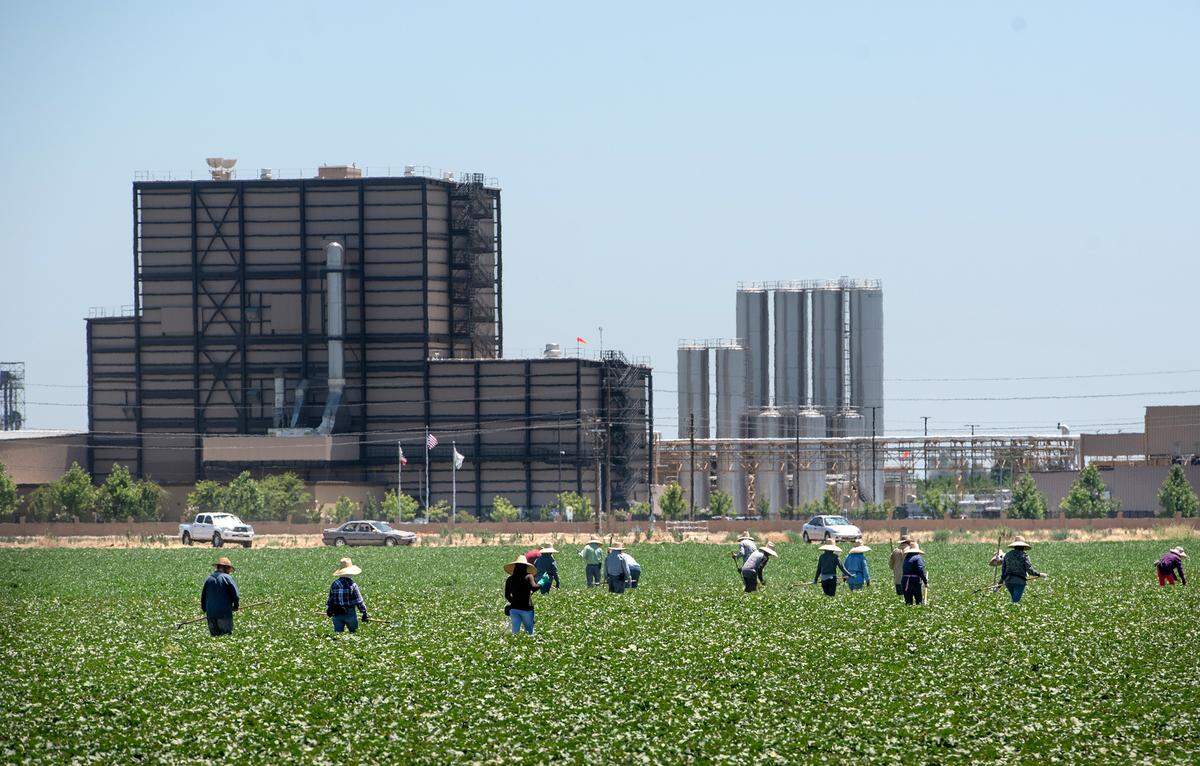
Gokce Soydemir, an economics professor at Stanislaus State University, said the plan could cut California farm income by up to 30%. His comments were reported by Farmonaut, a global ag tech company. Some highlights from the article and other sources:
- The state has about 800,000 farmworkers. Deportations could drop the number by 20%-30% to start and 40%-60% over the long term. About 24,000 of the workers are in Stanislaus.
- California farmers had about $59 billion in gross income in 2023. It could decline by 10%-15% immediately and 20%-30% long-term. The worst-case scenario amounts to $18 billion a year.
- Stanislaus had $3.37 billion of the 2023 income, which could plunge as much as $1 billion a year.
- The gross income figures do not include the economic ripple effect as farmers spend this money on labor, water, trucking, fertilizer and other needs. Nor do they account for jobs in processing the raw goods at dairy plants, canneries, wineries, poultry companies and more.
- Retail food prices could rise 15%-25% in the near term, on top of the inflation already happening for other reasons.
“When you go shopping at the grocery store, you definitely will be seeing higher prices resulting from a shortage of agricultural workers.” Soydemir said in a separate interview with Bakersfield Now, an online news site.
Can machines replace deported workers?
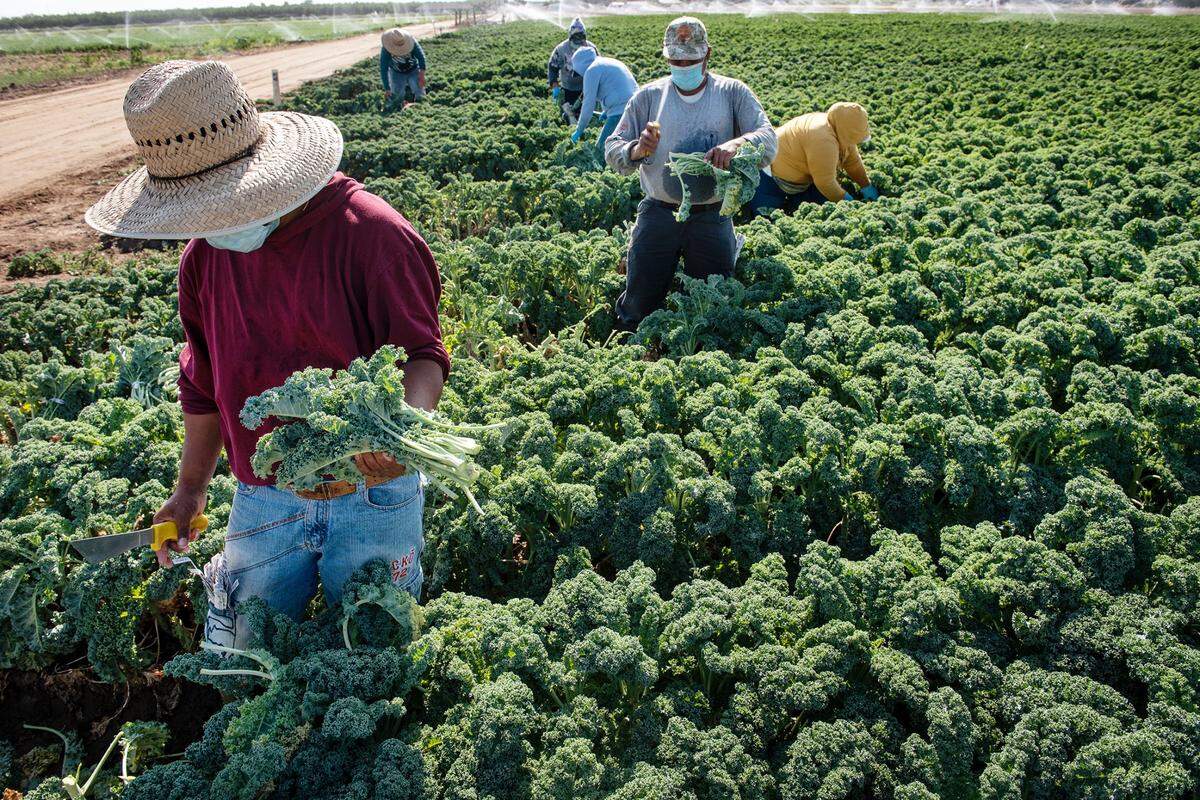
Some farmers could adapt by mechanizing tasks their hired crews had done. Tree-shakers long ago cut labor needs for almonds and walnuts, helping make them major industries. The same goes for tomatoes harvested for canneries. But such advances have not happened with peaches, cherries and other delicate fruits and vegetables.
Dairy farms have the highest labor demand, caring for cattle around the clock. They have milking machines, but they still need workers to line up the cows. Chicken and turkey farms remain labor-intensive, too.
Agriculture provides just 3% of California’s output of goods and services, which includes exports. But it has outsized importance in Stanislaus and other farm counties. It is what economists call a primary sector, drawing income from buyers in other places. Secondary sectors such as retail and health care mainly move around money already here.
The Stanislaus County Farm Bureau deferred to its statewide federation when asked for its view on Trump’s plan. California Farm Bureau President Shannon Douglass urged long-term reforms that make hiring easier and put workers on a path toward legal residency.
“Addressing chronic employee shortages on California farms and ranches and reducing barriers to employment is critical not just for farmers, but for the workers who are vital to our state’s agriculture,” she said.
Housing workforce already lags in Stanislaus
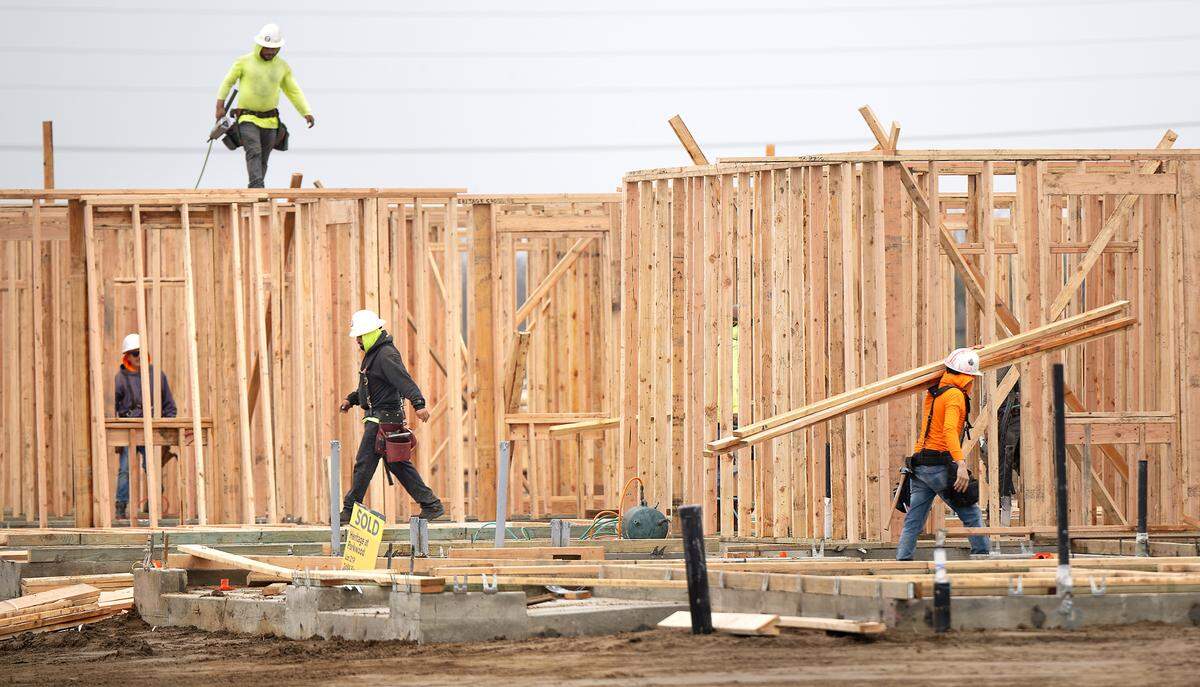
Stanislaus County had about 11,000 construction workers as of mid-2024, the California Employment Development Department reported. The figure takes in native-born residents as well as immigrants. Like farming, this sector has a large number of undocumented people.
State-mandated plans show the county needs about 30,000 housing units for various income levels by 2032. Only 29% of households could afford the median-priced home, at $480,000, as of September, the California Association of Realtors reported. Rentals are short as well.
The National Association of Home Builders called for easing the hiring process for immigrants and urged Trump to not deport workers en masse.
“Although NAHB does not support hiring undocumented workers,” its website says “anything that provides a shock to the labor force could be detrimental to the construction industry and our labor supply and exacerbate America’s housing affordability problems.”

What do Stanislaus congressmen say?
The November election left Republicans with a 220-215 margin in the House. Only three GOP dissenters could block a bill if Democrats vote unanimously against it.
Stanislaus County has one congressman from each party. Republican Tom McClintock has a long record of support for tighter border controls and chairs a subcommittee on the topic. His office did not respond to The Modesto Bee’s request for comment on how mass deportations could affect the farm and construction workforces.
Democrat Adam Gray did answer. In an email, the freshman lawmaker called Trump’s proposal “the fastest way to bankrupt our local ag and construction economy.” He said he supports a 2024 package that would have boosted border enforcement and deported people who committed crimes after entering the United States. Republicans dropped it after Trump objected. Gray also called for easing the process for hiring foreign workers on farms and other businesses.
He narrowly defeated Republican incumbent John Duarte, who broke with his party with his own immigration bill last year. He told The Fresno Bee that it would “provide protections to thousands of hard-working families who follow the law, pay taxes and work hard to achieve the American Dream.”
This story was originally published January 23, 2025 at 6:00 AM.