Turlock Irrigation District is placing solar panels atop canals. And the world is watching
The state granted $20 million to the Turlock Irrigation District in 2022 to test the idea of solar panels atop canals.
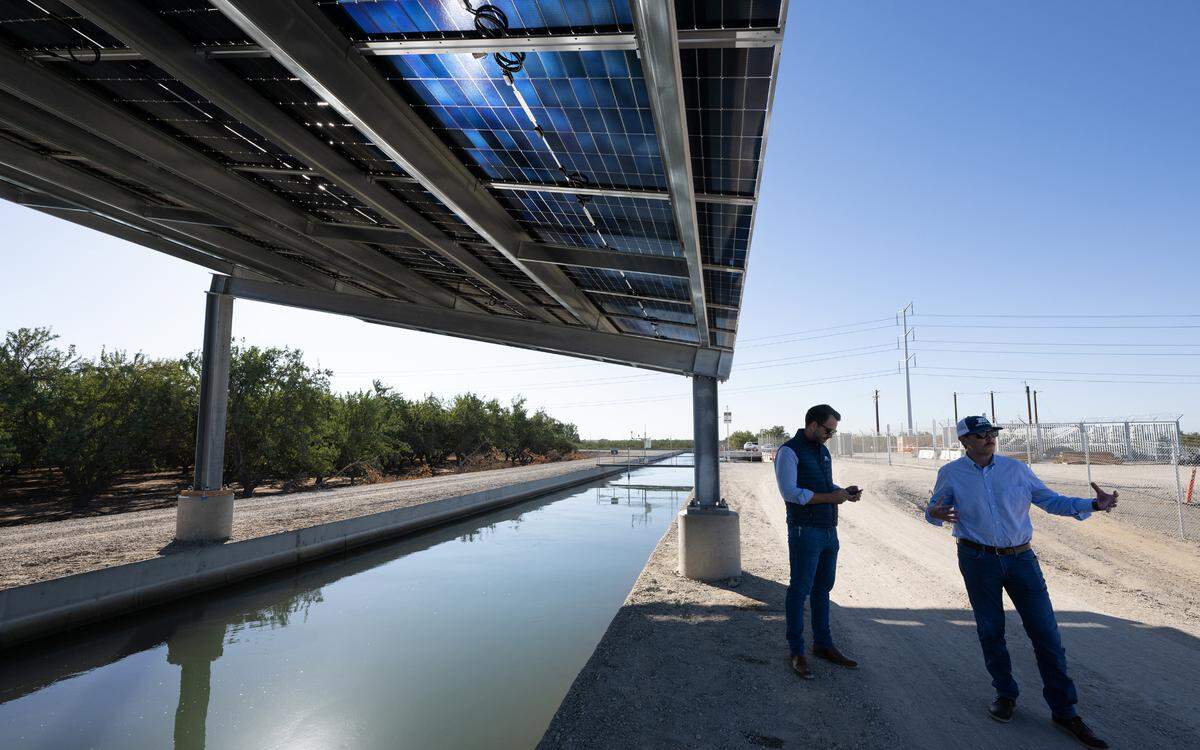
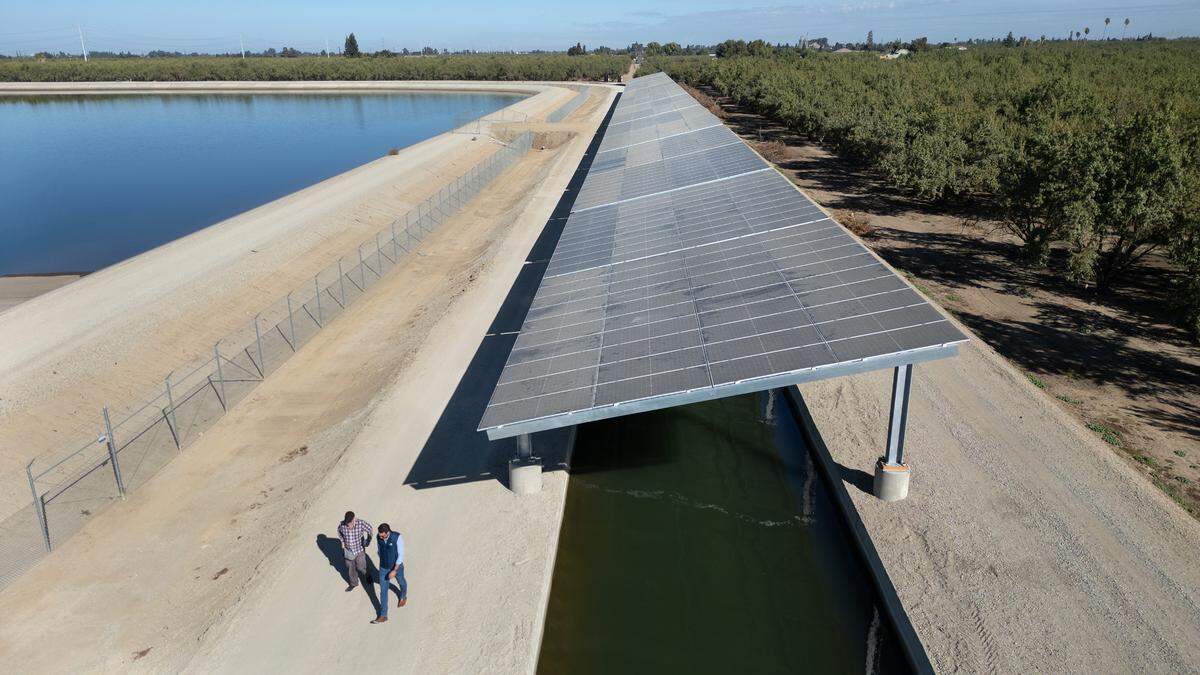
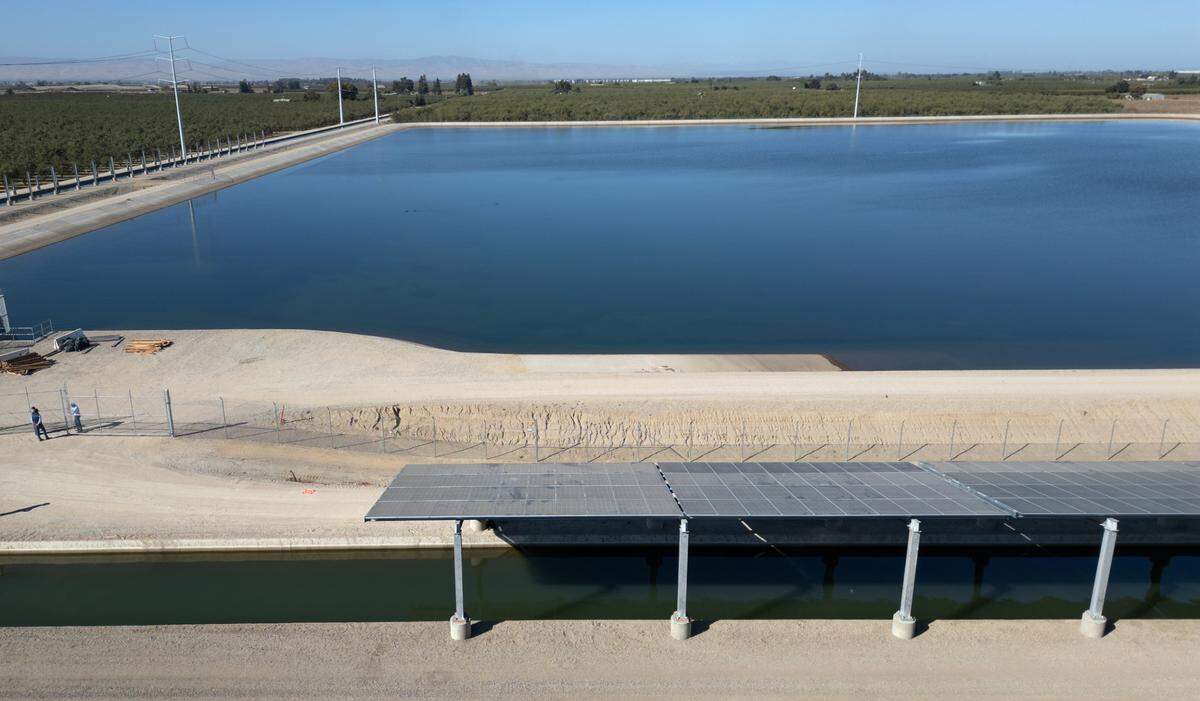
The project was delayed by design challenges, but installation finally started in May on a small canal stretch southwest of Keyes. It could be generating power by year’s end, to be followed next summer by a second test site east of Hickman.
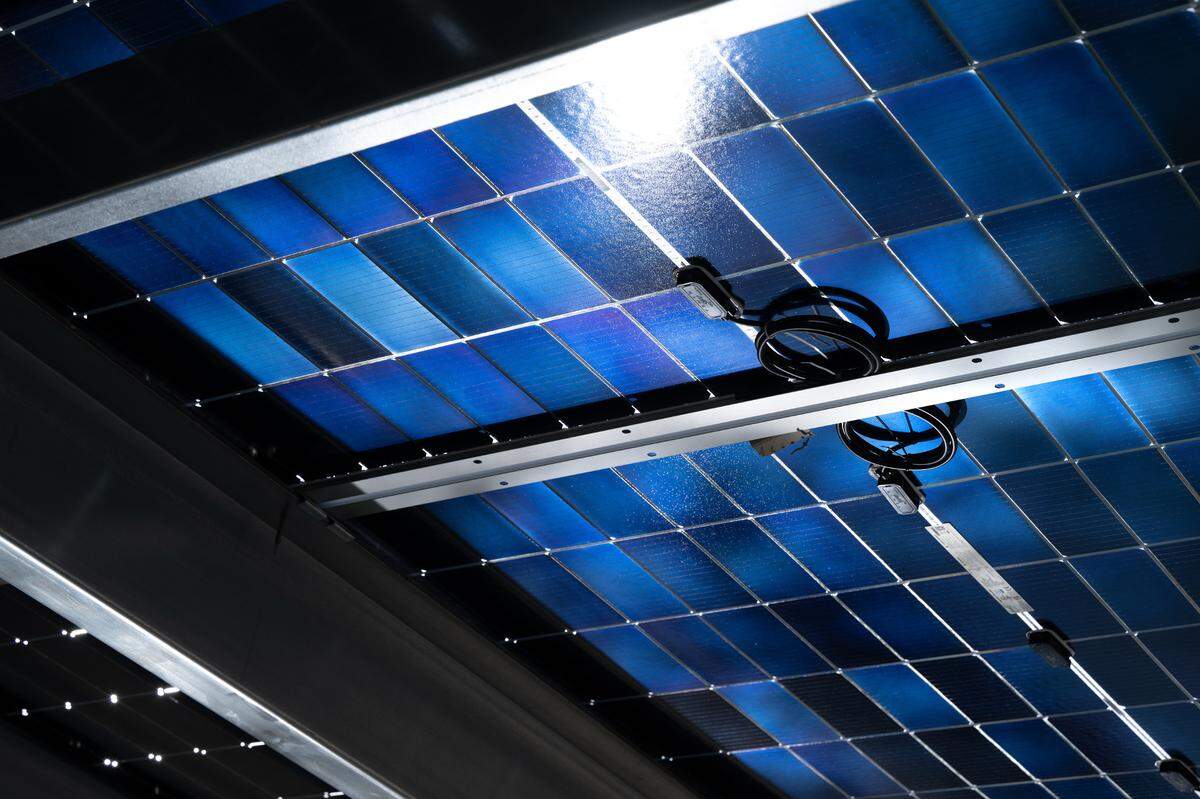
While increasing the supply for TID’s electricity customers, the panels also could reduce evaporation. Taking the concept statewide could be a key step against climate change, the University of California reported in 2021.
UC Merced researchers will monitor the systems for power output, evaporation savings and whether the panels interfere with canal operations. TID will retain them after data collection ends in June 2026.
“This is a proof of concept to see if it really works,” said Josh Weimer, external affairs director at TID. “Hopefully, others will be able to use the information.”
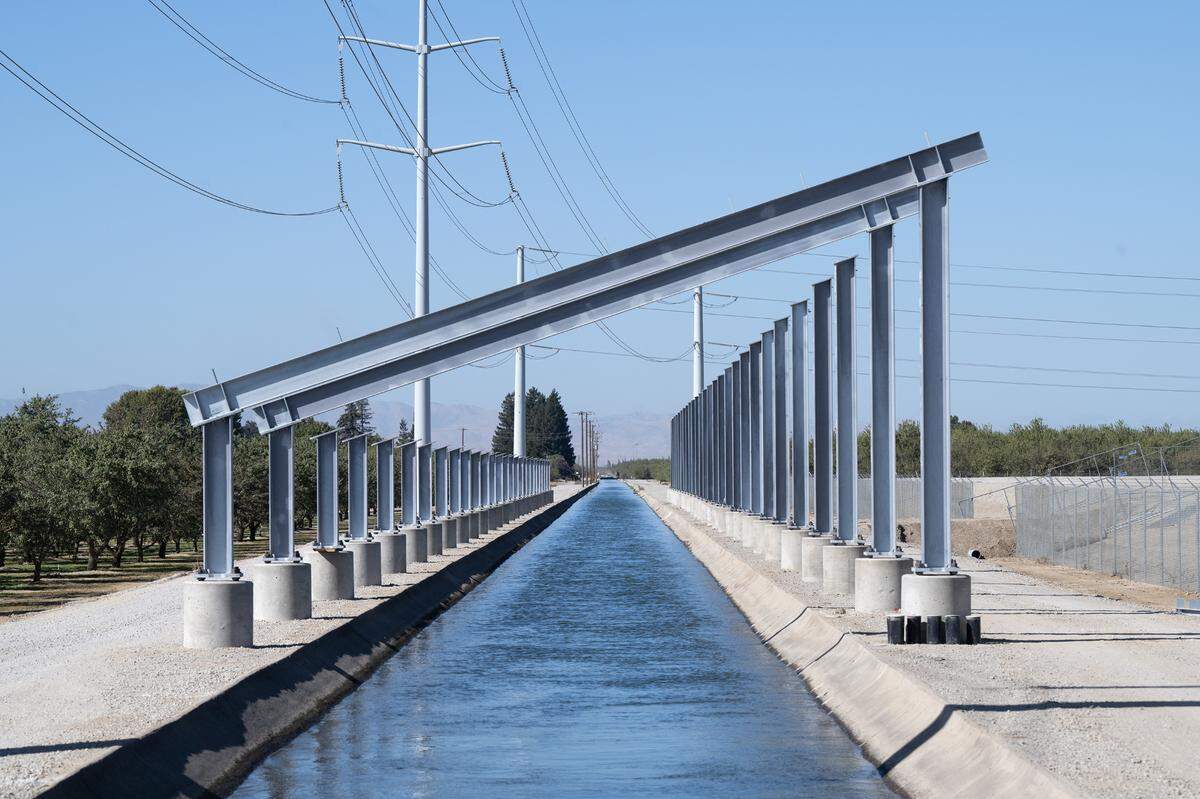
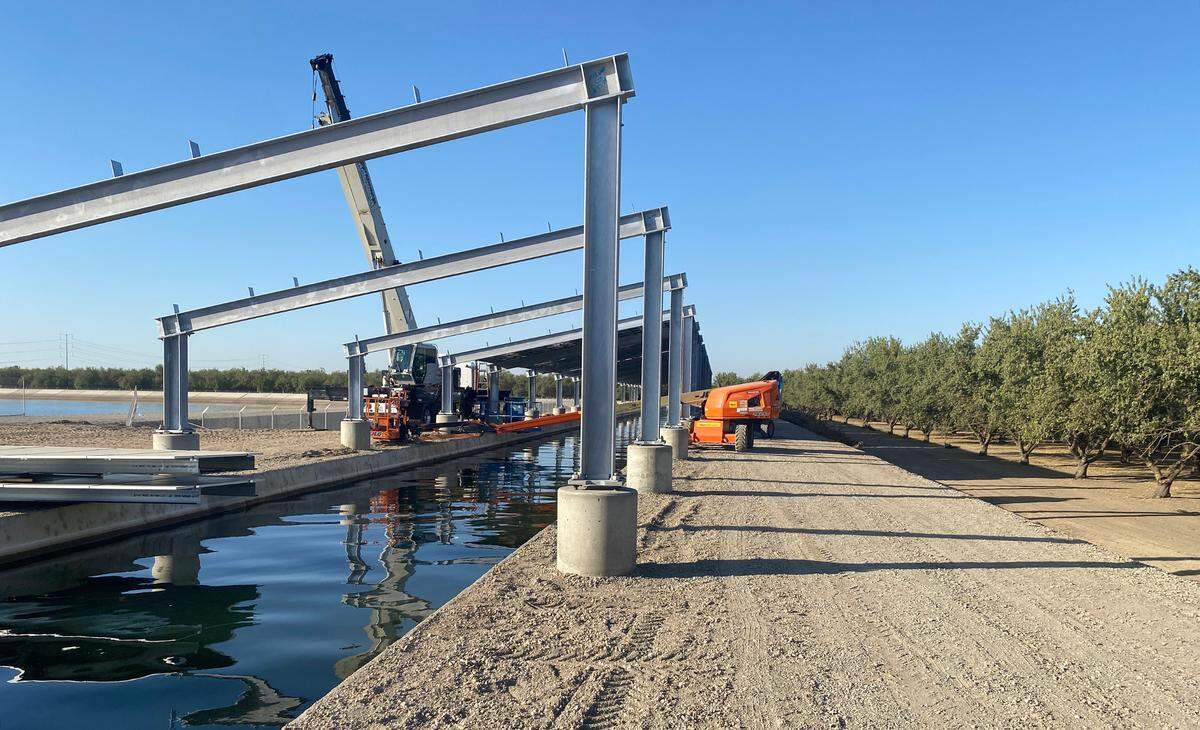
He and project manager Bill Penney provided an Oct. 17 tour of the current construction site. It is where the Ceres Main Canal meets a branch called Upper Lateral 3, about 1.5 miles of waterway. Half of its 1,440 panels are in place, as are the concrete footings and steel frames for the remainder.
Is TID the first to do solar canals?
When the district got the funding, only one site in the world had solar panels shading canals, in the state of Gujarat, India. The first in the United States opened Oct. 3 on tribal land near Phoenix, edging out TID for domestic bragging rights, the Arizona Mirror reported.
The district still can consider itself a pioneer. Weimer said the project has drawn inquiries from water and power providers in places such as Brazil, New Zealand, Germany, Romania, Moldova and the United Kingdom.
The effort is dubbed Project Nexus, reflecting a connection between water and power aims. It also involves Solar Aquagrid, a Berkeley-based firm that promotes the technology, and the California Department of Water Resources.
The 2021 study was done by experts at the Merced and Santa Cruz campuses of the UC. They measured sunlight intensity at eight Central Valley canal sites and estimated how much evaporation might be reduced thanks to shading by panels. They also compared the installation cost against the potential power revenue.
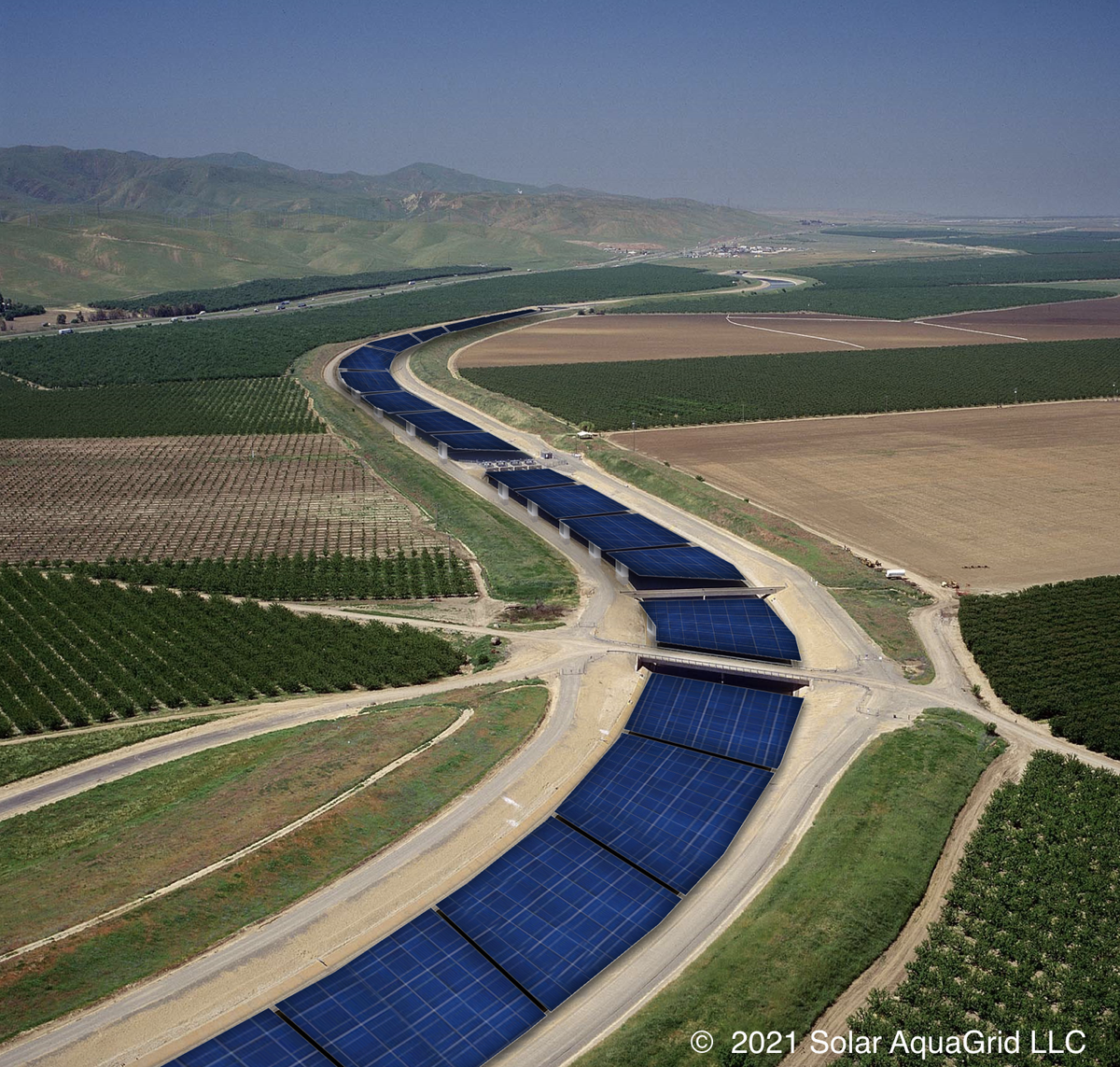
The UC team said California could meet about 15% its electricity demand with solar panels on all 4,000 or so miles of canal statewide. That’s a quarter of the way to the mandate for 60% climate-friendly sources by 2030. The law requires 100% by 2045.
“We need solar energy all over the state to achieve our goal of decarbonizing our economy,” co-author Roger Bales told The Modesto Bee in 2021. He is an engineering professor at UC Merced and had urged a pilot project such as TID’s.
How much does solar provide so far?
Solar already is a major contributor statewide, with 17% of the supply last year, according to the California Energy Commission. Other renewable sources included wind at 11% and geothermal wells at 5%.
Large hydroelectric plants do not count, including the one shared at Don Pedro Reservoir by TID and the Modesto Irrigation District. Both agencies also have solar and wind providers. The top source here and statewide remains natural gas, which contributes to the general warming of the planet.
MID has not announced a solar canal project, but a spokesperson said earlier that it is watching TID’s venture with interest. Both utilities have transmission lines along many of their waterways, an easy connection for the panels. Advocates also note the reduced need to convert farms or natural lands to solar.
TID expects to generate no more than 5 megawatts total at the test sites, a tiny part of peak summer demand that can exceed 600 megawatts. But the technology could become a major source if it spreads to other parts of the 250-mile canal system.
Will less water evaporate from canals?
Evaporation does not cause much water loss in the Valley, despite its hot summers. Most of the water that enters a canal makes it to the farmers and other users.
But even a small reduction could be worthwhile as California tries to stretch its supply amid a changing climate. The UC study said solar-topped canals could save enough water each year to irrigate about 55,000 farm acres. The state has a total of about 9 million.
“That amount of water can make a significant difference in water-short regions,” lead author Brandi McKuin said in 2021.
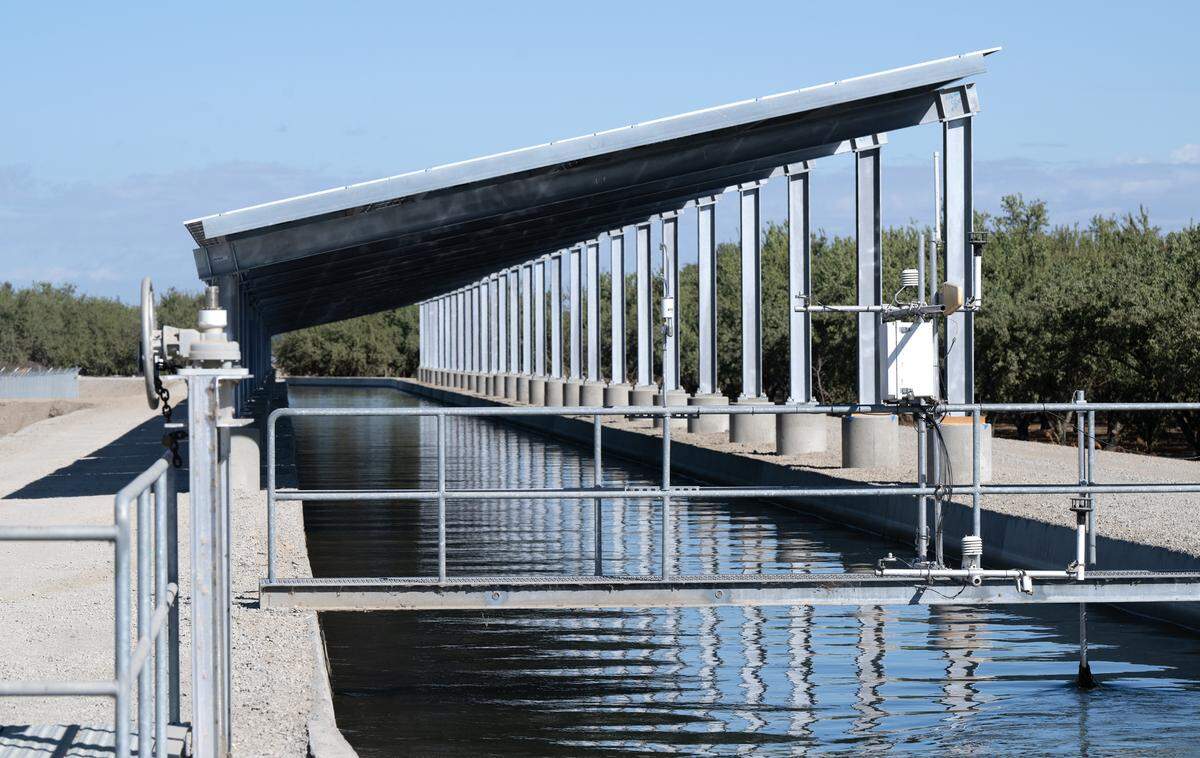
TID had considered suspending the panels over the canals with cables to reduce disturbance beside the banks. That was hard to engineer, Weimer said, so the Keyes-area site has panels bolted to frames anchored in concrete.
The canals here are 20 to 25 feet wide. The phase near Hickman will involve a 110-foot-wide channel that carries all of TID’s water before branching toward Ceres, Turlock and other areas. The design and builder have not been selected for this site, which is 500 feet long.
“Building over water produces a lot of uncertainty for contractors,” Weimer said.
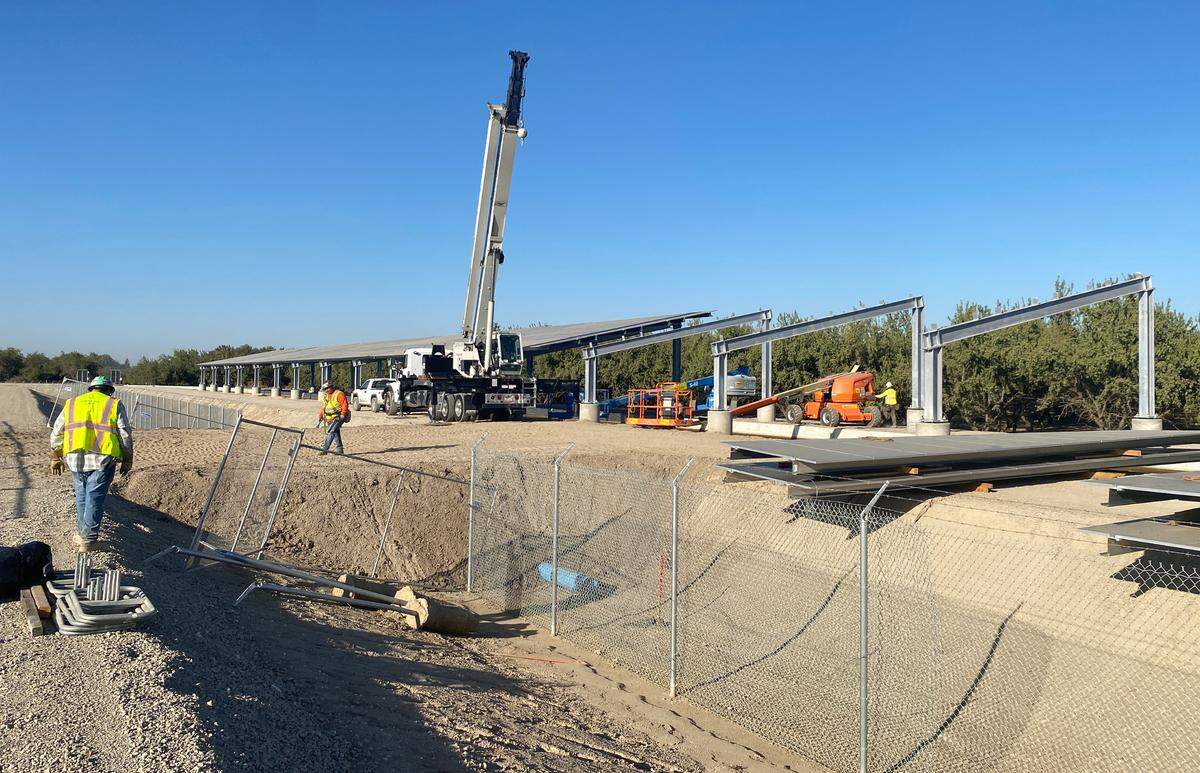
The current work is being done by Machado & Sons Construction of Turlock. The panels were made in Jacksonville, Florida, by Jinko Solar, based in Shanghai.
The site will have some panels facing south, which will get the most sunshine, and others facing west to see if indirect light is worth capturing, too. Batteries will store the power for use later.
Penney said shading also could reduce the algae and aquatic plants that can hamper water deliveries. The panels are high enough to allow maintenance during irrigation season and larger repairs when the canals go dry from about November to March.
Can solar panels float in canals?
TID also got a $5 million federal grant this year to install solar panels near Hilmar. The 5-megawatt array will float while tethered on the surface of a small reservoir on Lateral 8 for water that otherwise would run out to the San Joaquin River. A similar reservoir serves the two canals getting solar in the current project.
The 2021 study noted the especially long and wide canals of the State Water Project and the federal Central Valley Project. They consume massive amounts of power to pump farm water south from the Sacramento-San Joaquin Delta. The SWP also crosses the Tehachapi Mountains to urban users in Southern California.
A $15 million federal grant announced in April will test floating panels on the Delta-Mendota Canal near Santa Nella. It, too, involves UC Merced.
Gov. Gavin Newsom was on site for the announcement and noted the 2021 study that sparked the solar canal effort.
“You couldn’t read that without thinking, ‘Why didn’t we do this 25, 30 years ago?’” Newsom said in a UC news release. “This is a no-brainer. This is common sense.”
This story was originally published October 21, 2024 at 5:00 PM.