Franzia wine family ventures into organic produce and an event space near Escalon
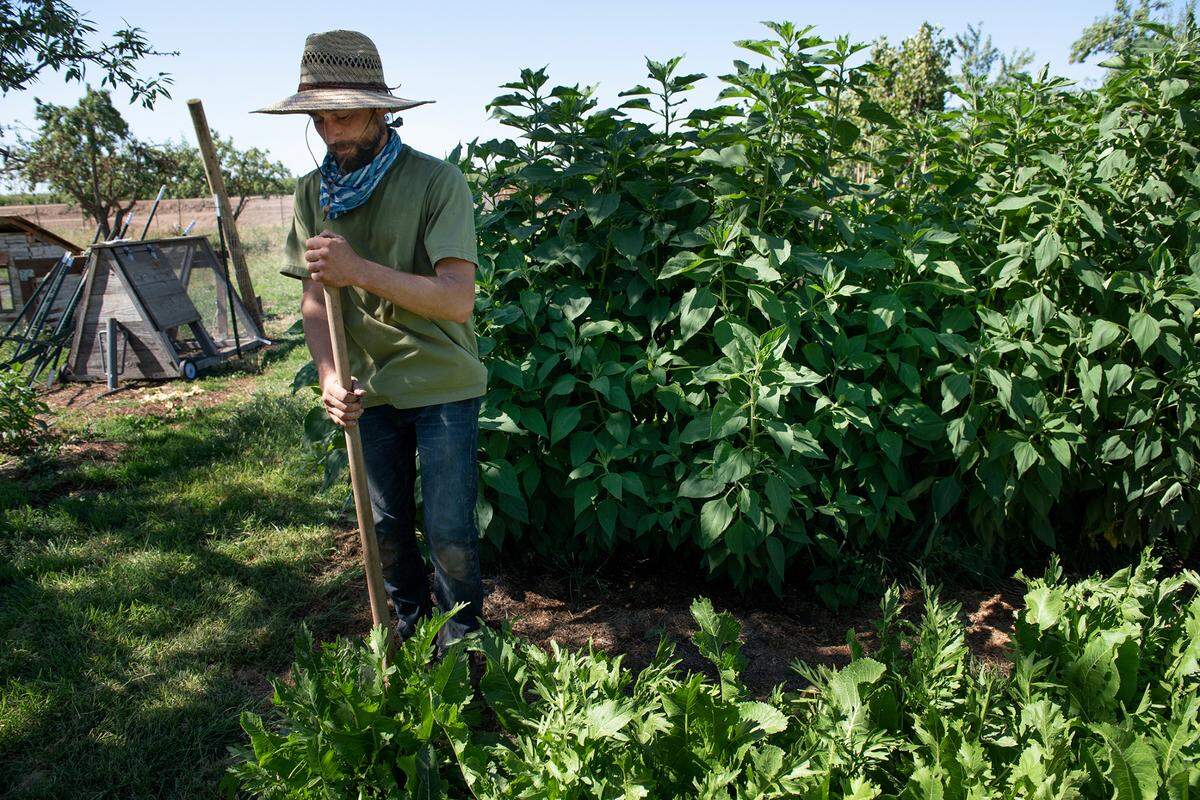
Four members of the Franzia clan left a large wine company to grow and sell organic produce west of Escalon.
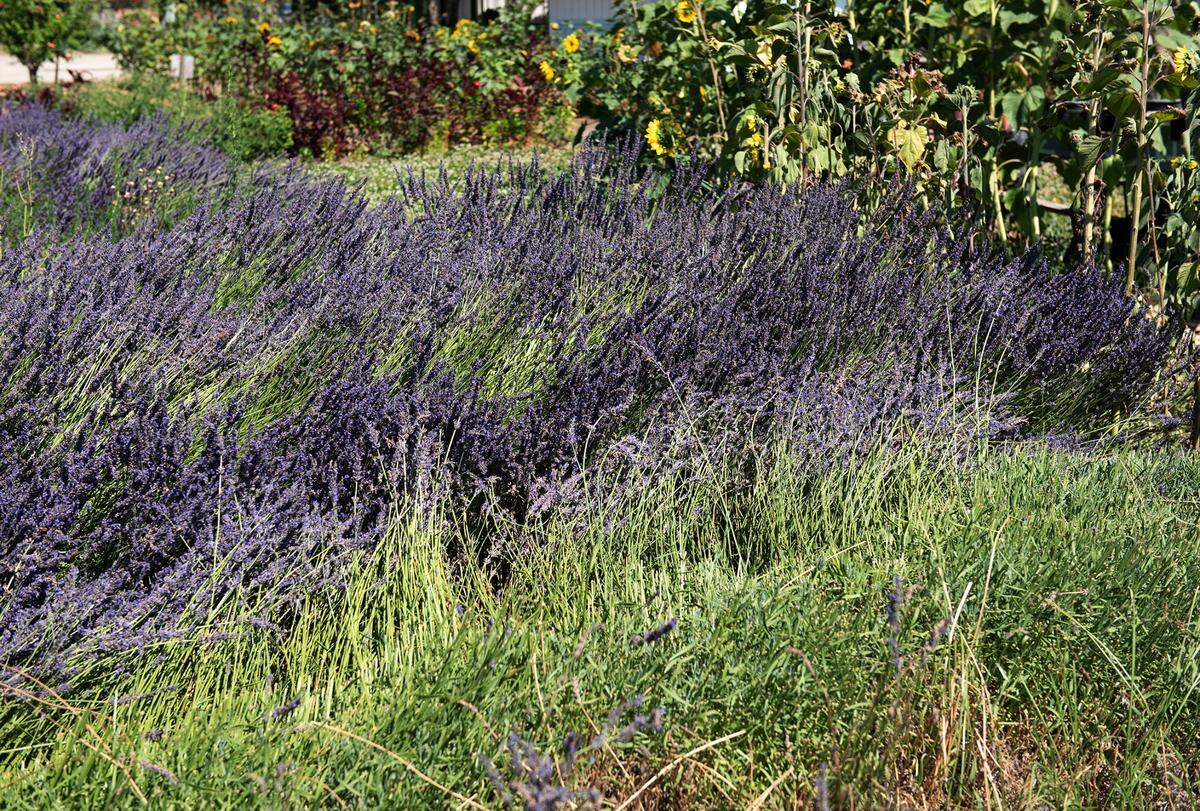
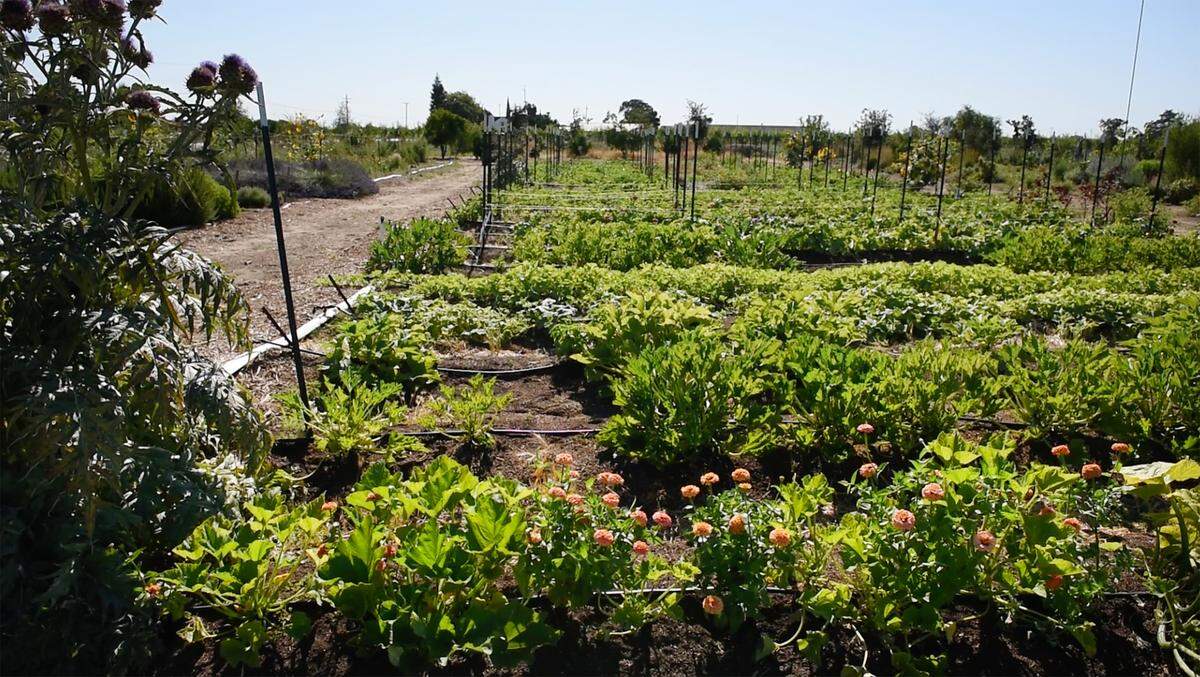
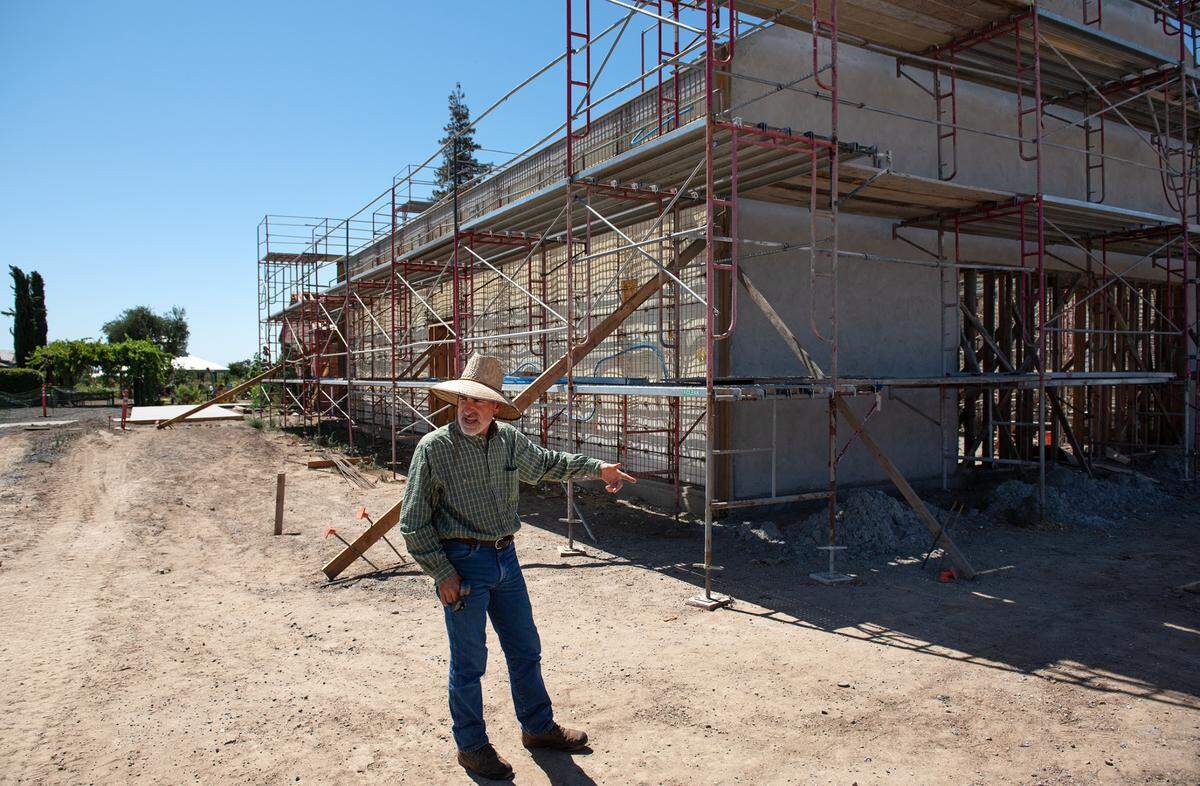
The siblings welcome visitors to stroll amid the fruits, vegetables, herbs and flowers on five acres along Highway 120. They hope within a year to complete a small winery, an indoor farm store and space for weddings and other gatherings.
The four are great-grandchildren of Teresa and Giuseppe Franzia, who in 1906 founded the winery bearing their name three miles west on 120. That site long has been owned by The Wine Group, based in Livermore, as is the Franzia boxed wine trademark.
The siblings — Carol, Michael, Paul and Brian Franzia — previously worked at Bronco Wine Co. It is a major producer south of Ceres, launched in 1973 by their father, John, and his cousins, Joseph and Fred Franzia.
The new venture is a chance to promote organic methods while tapping into the steady stream of tourists headed for the Sierra Nevada.
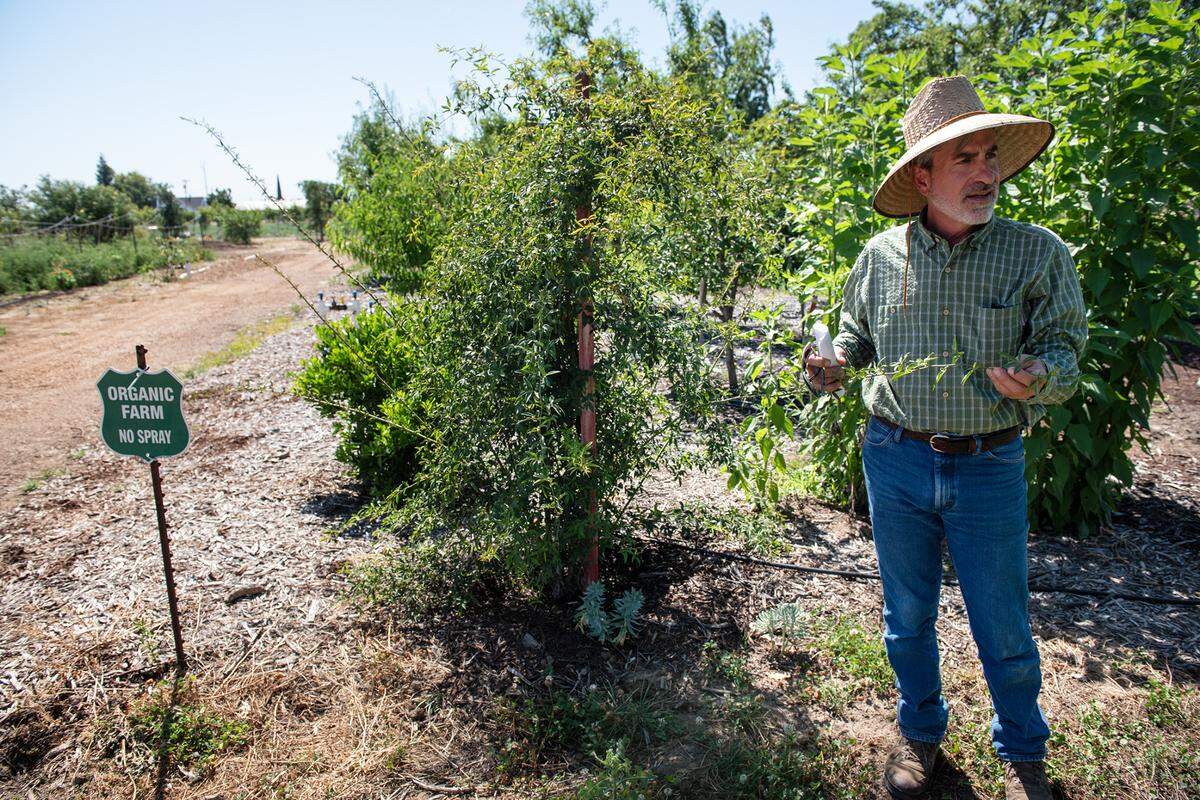
“My family has conventionally farmed for so many years that I felt there was a better way of doing it, and we could just lead by example,” Michael Franzia said.
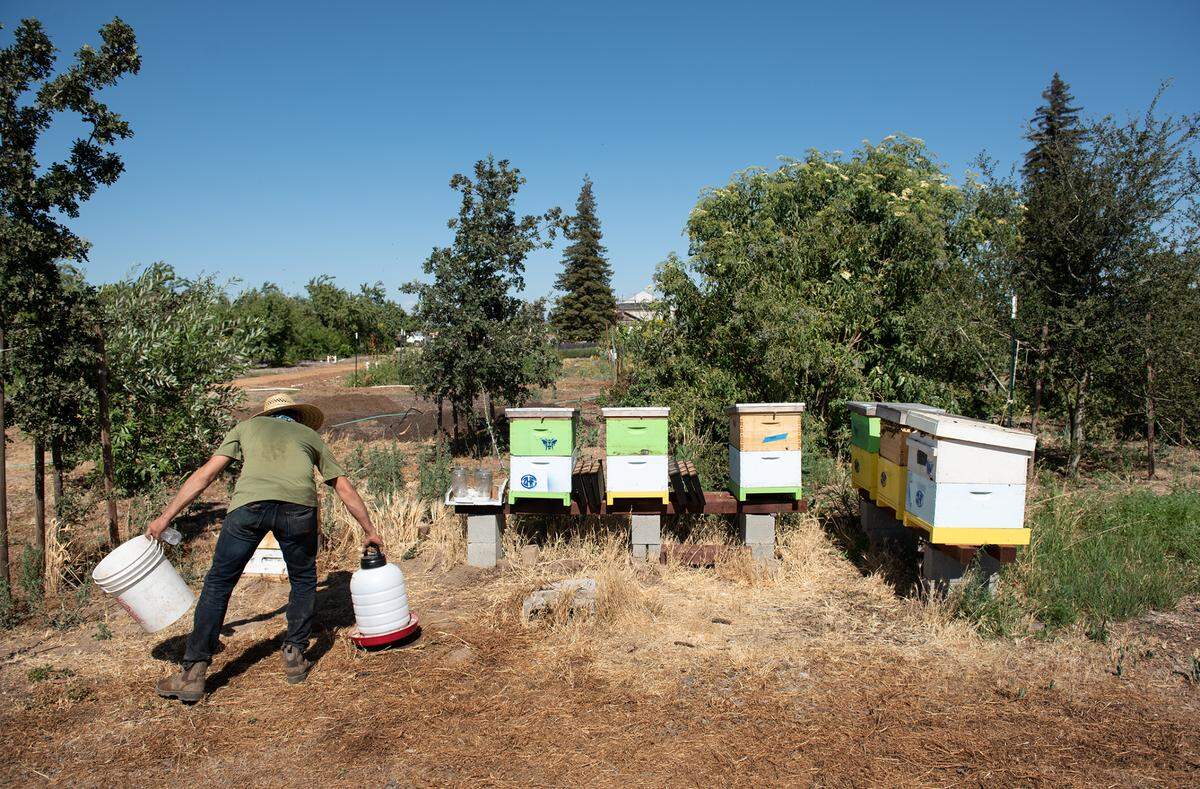
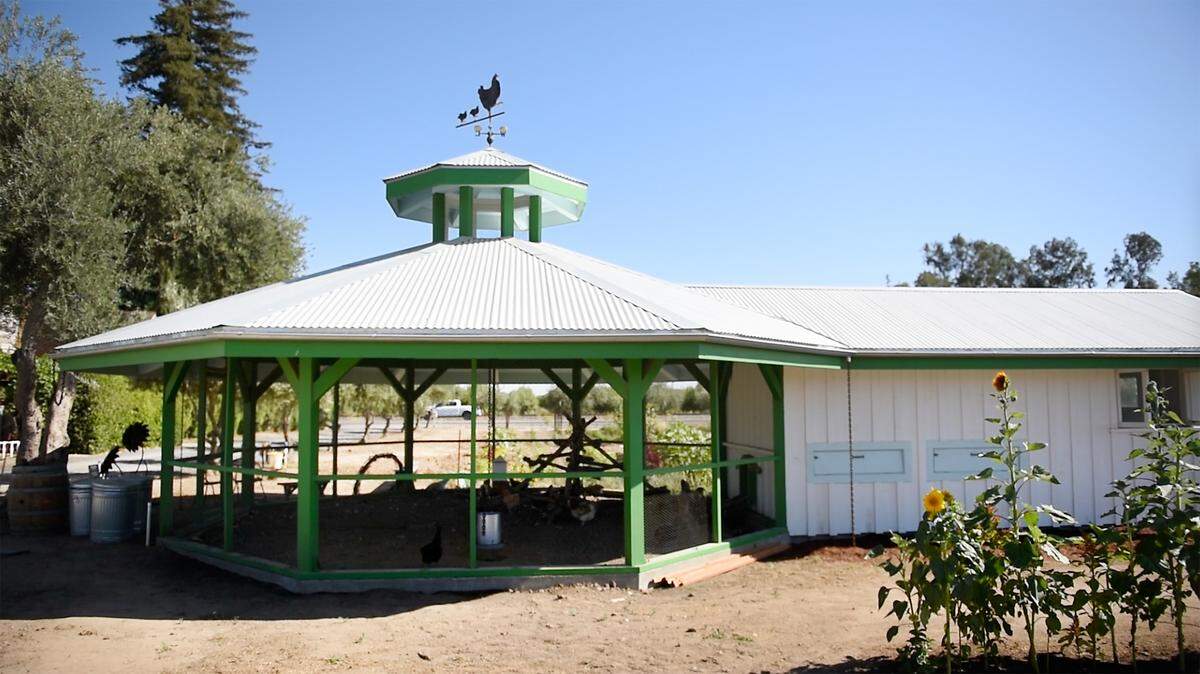
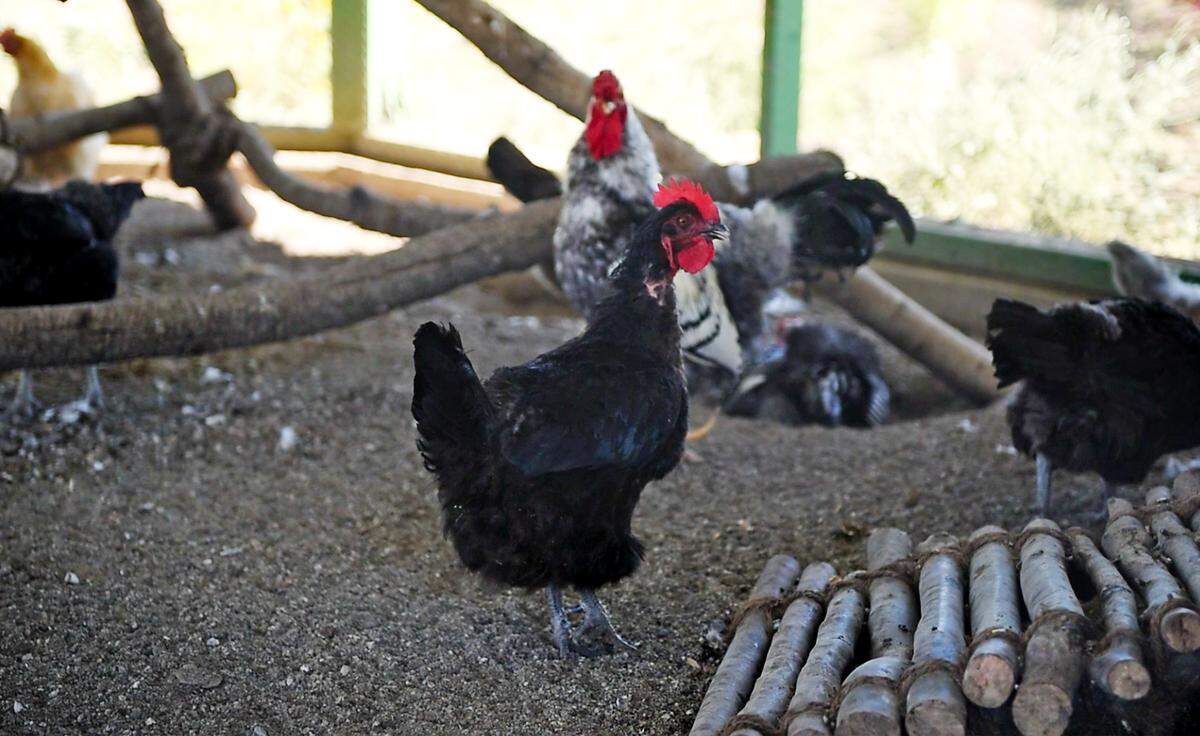
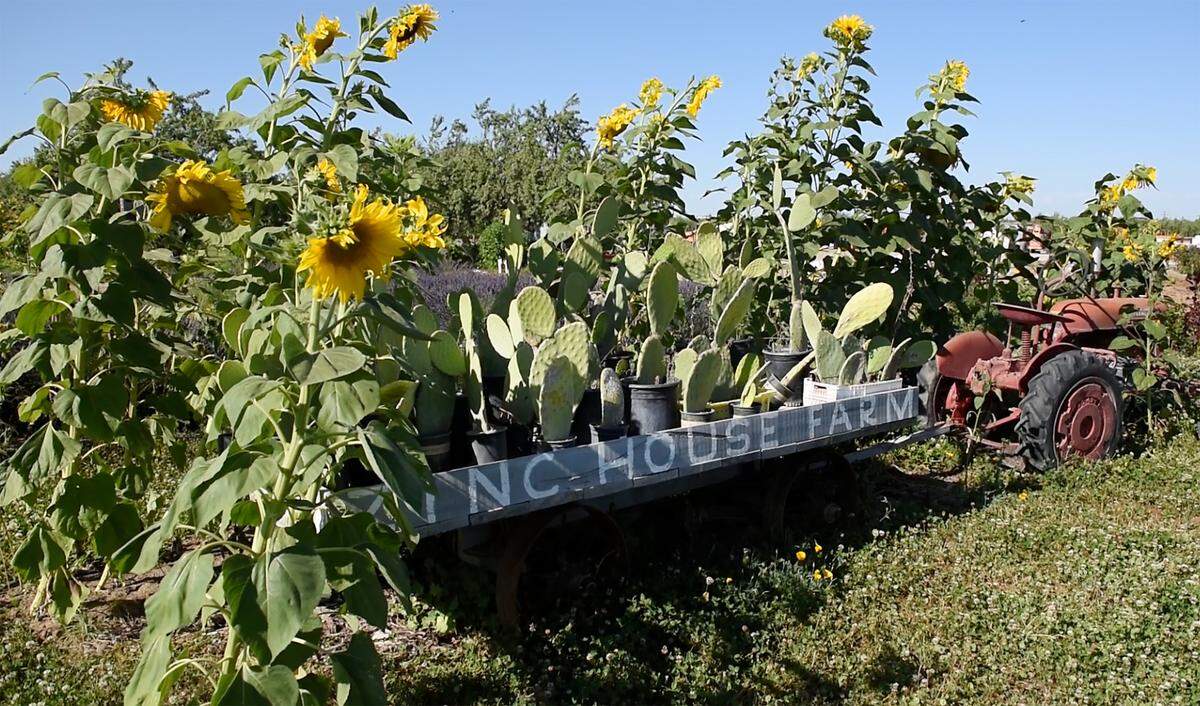
He spoke during a Tuesday, June 21, visit by The Modesto Bee. The place is called Zinc House Farm, after a long-gone building made of zinc panels that dates to 1850. It also produces eggs, honey and beeswax and has art activities for children.
Good bugs eat bad bugs
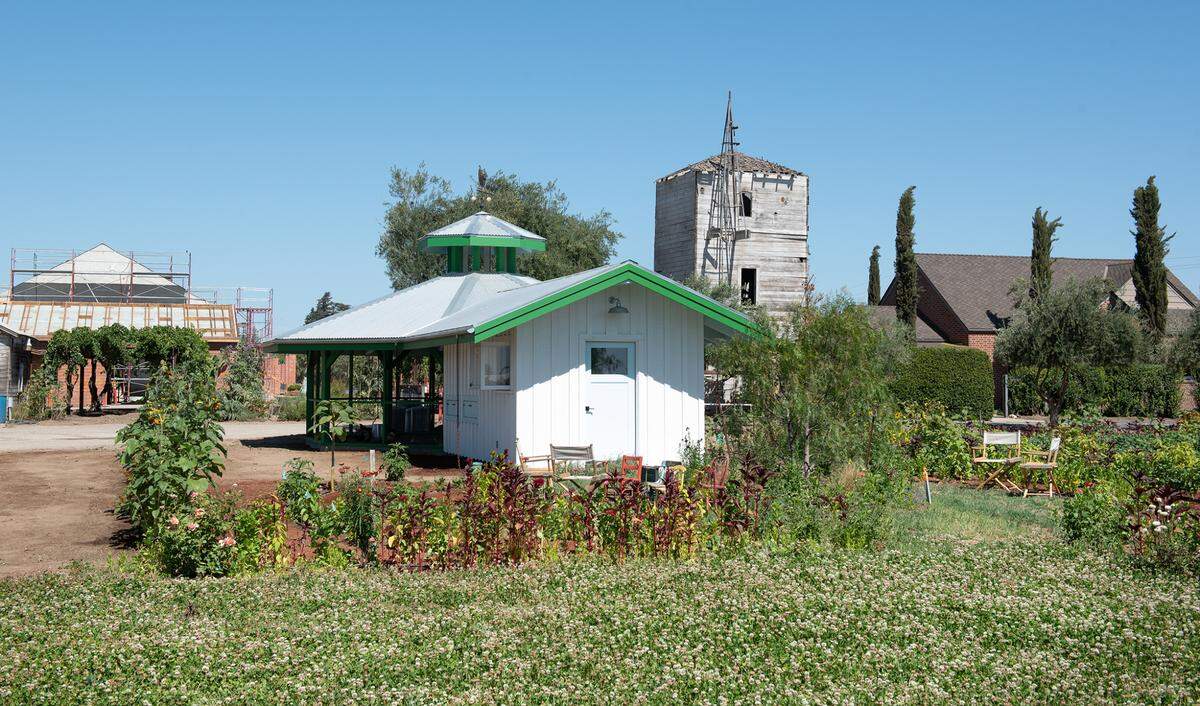
Organic means using none of the synthetic fertilizer common to agriculture since the 1940s. The Franzias enrich their ground with compost made from plant scraps and chicken manure. Some of the live plants fix airborne nitrogen into the soil, including the New Zealand white clover that visitors can walk atop as they browse.
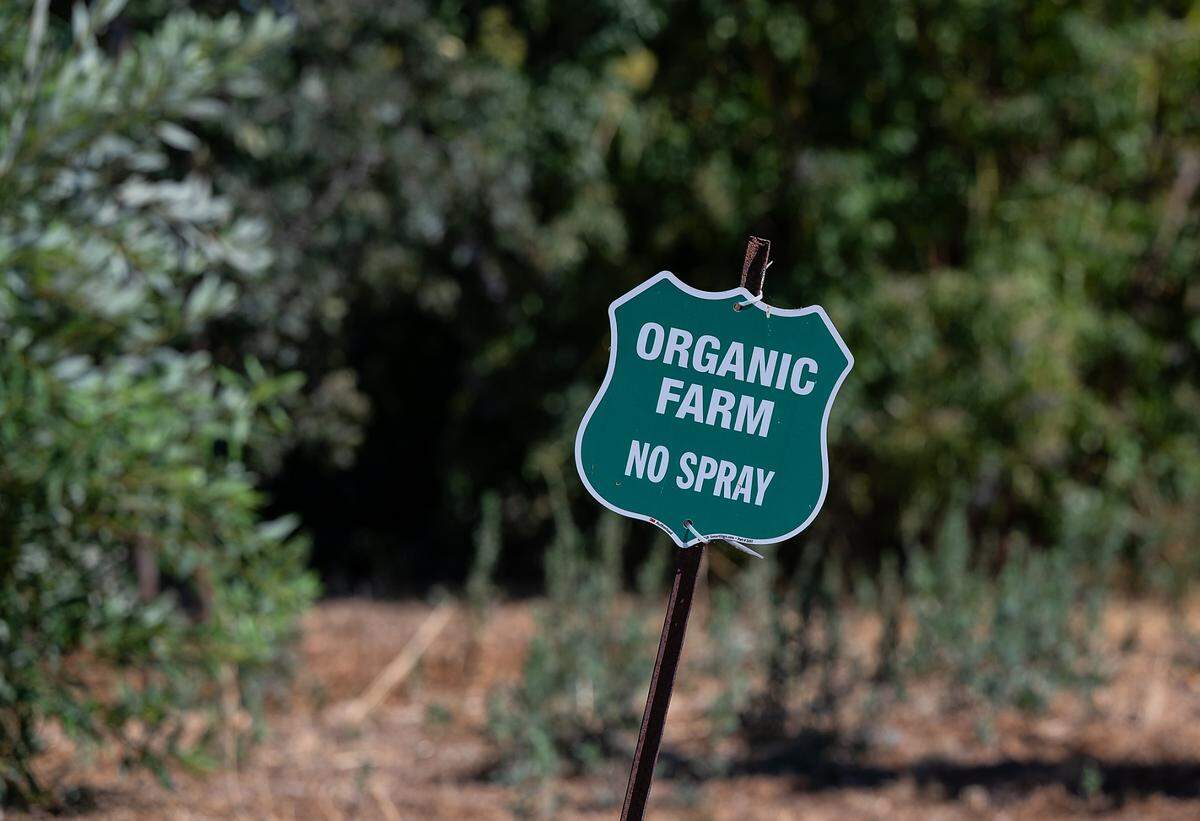
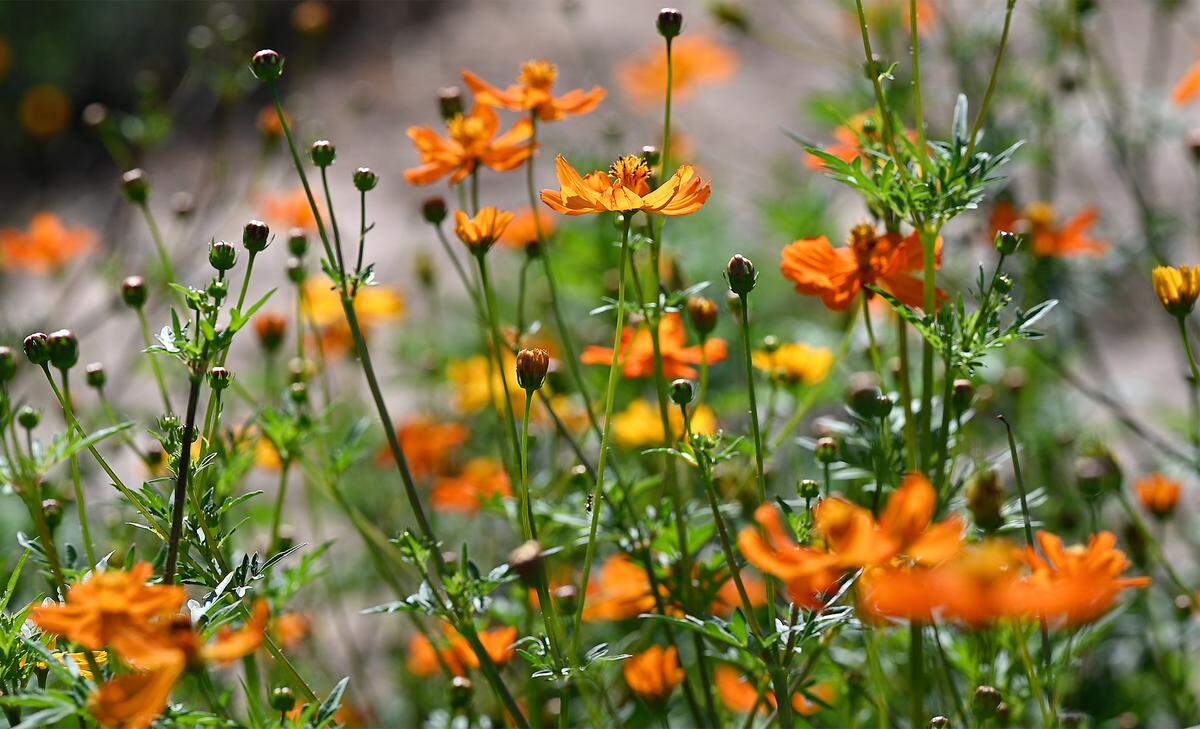
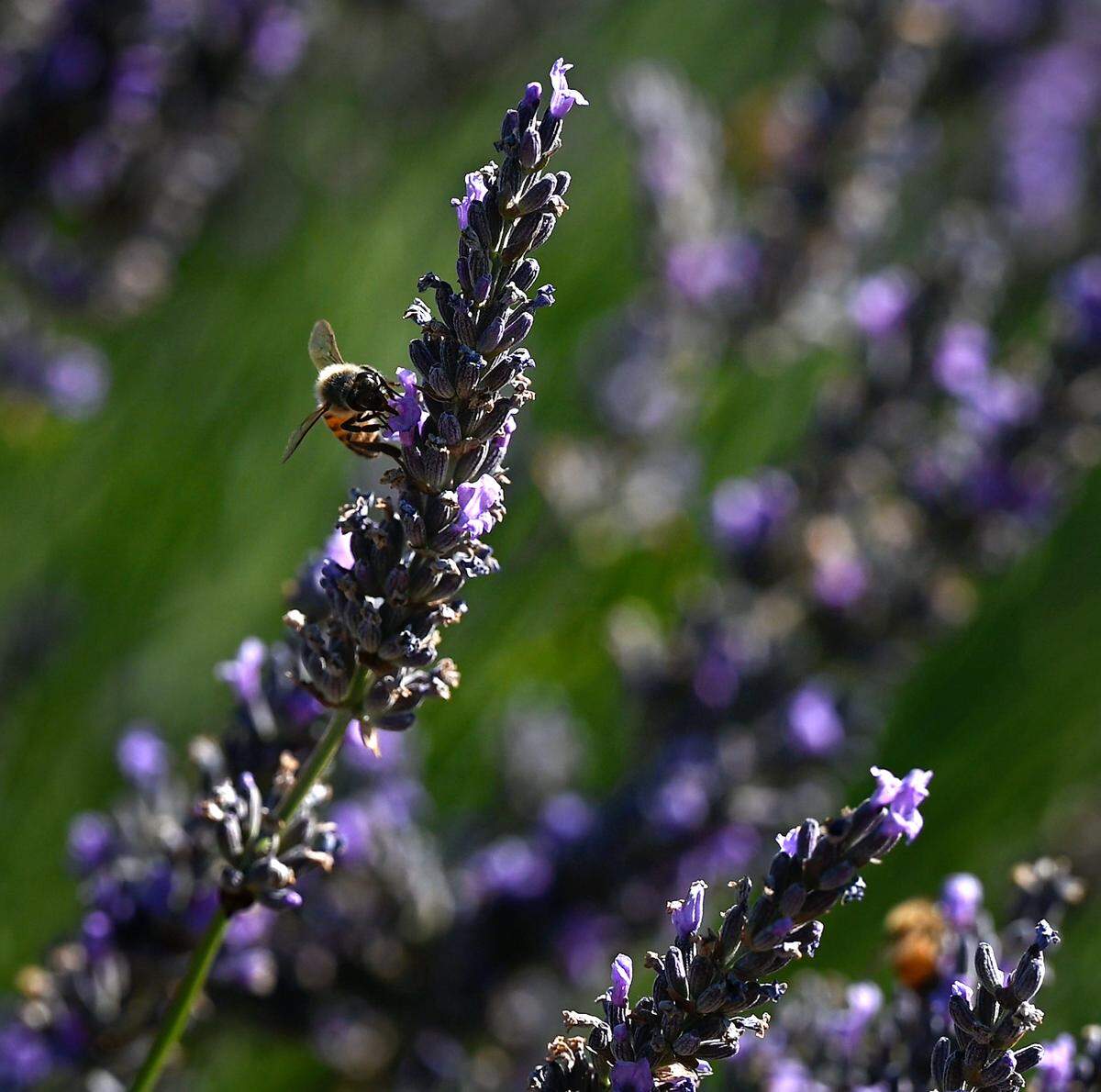
Organic farms forego pesticides in favor of attracting “beneficial insects” to prey on bad bugs and pollinate the crops.
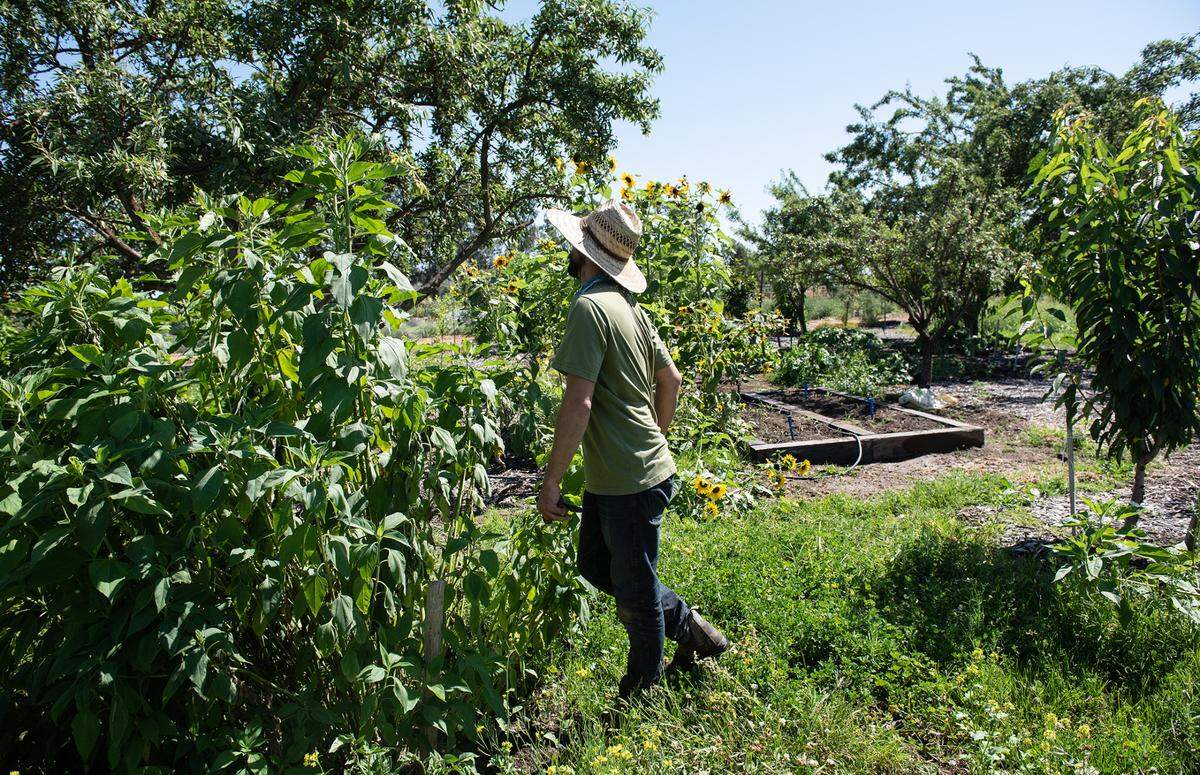
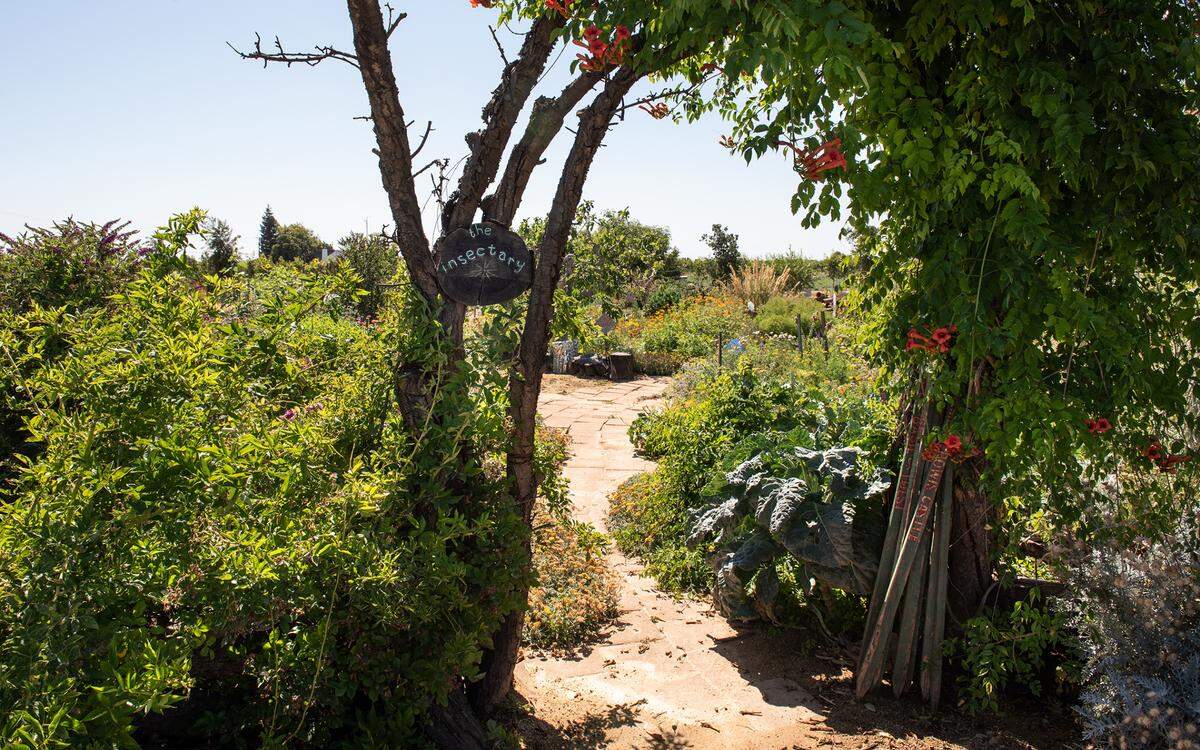
“We have those insects because we’re creating a garden for them, like an insectary,” landscape designer Brandon Pruett said. “... There’s habitat for those bugs to lay eggs in and for them to hatch and then to go eat spider mites or eat aphids.”
Pruett is one of 10 hired hands who help the family run the place. He said it has about 200 trees and shrubs, including native and introduced species.
The Franzias started growing produce in 2018 but needed three years free of synthetic inputs to meet federal organic standards. They had bought the land from the Alfieri family, which long had grown conventional walnuts and almonds.
Some of the almond trees remain, though they are not harvested because the shaking process would be too disruptive. The canopies do provide shade for some of other crops, what Pruett calls a “food forest.” He also pointed out the “mint meadow,” one of many herbs at the site.
Summer bounty awaits
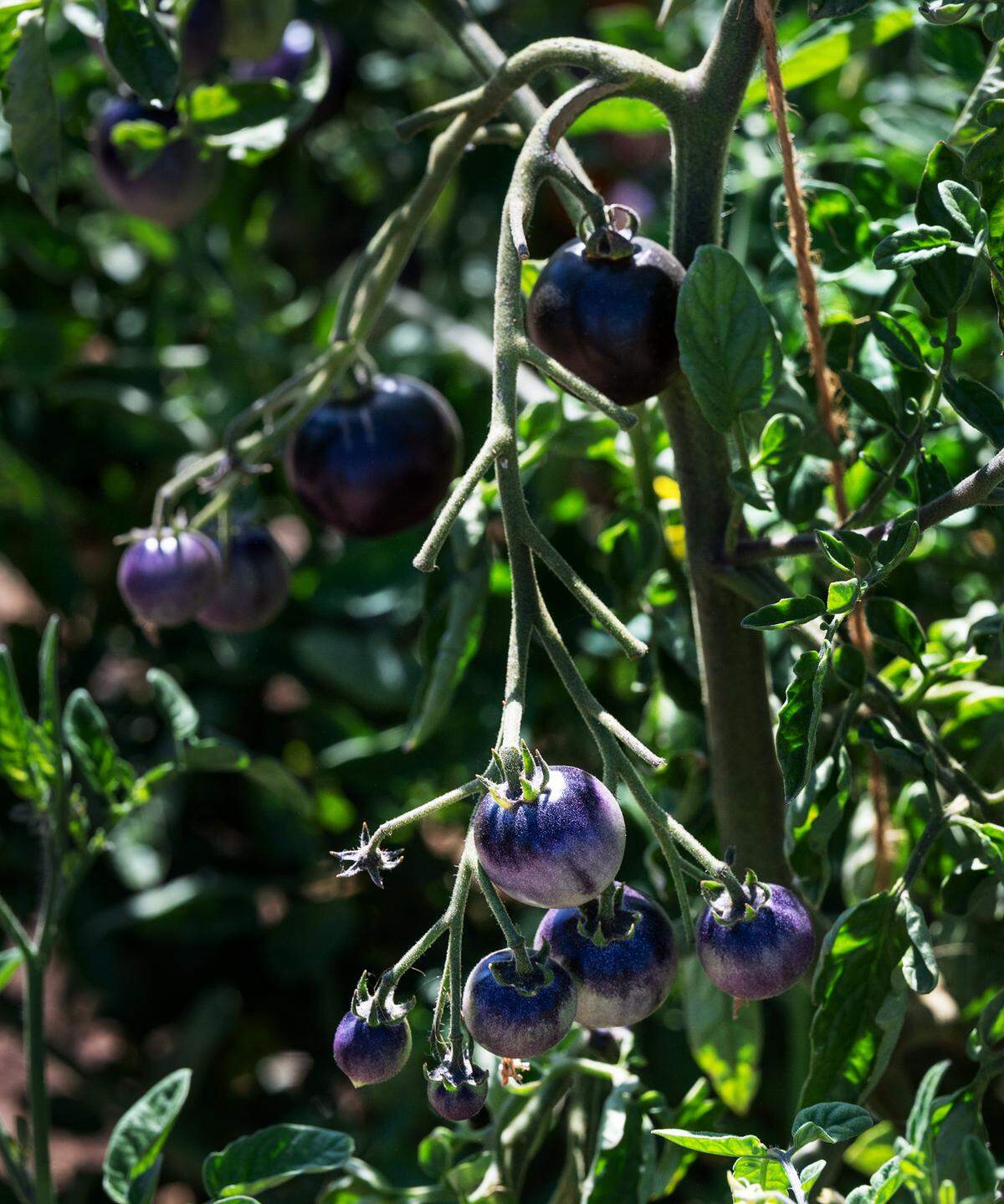
The summer harvest is well underway from the vegetable beds — tomatoes, squash, peppers, eggplant, cucumbers and more. Peaches, pluots and other stone fruit are ripening on the trees, joined by blackberries and raspberries on the vines.
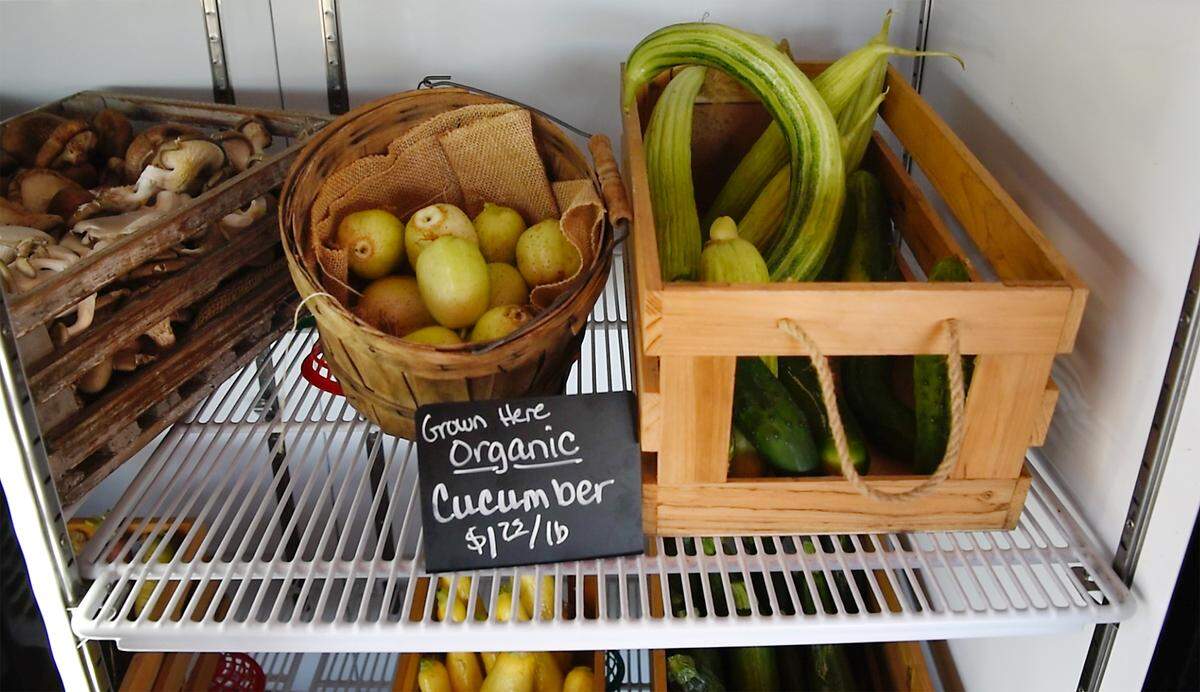
The produce is sold through an outdoor stand for now, along with crops from a few other growers. Next year will bring an indoor space where food processing can be done under the new San Joaquin County permit.
The winery will produce small lots from grapes sourced by Carol Franzia around Northern California. She was a longtime winemaker at Bronco.
Paul Franzia lends his engineering background to Zinc House Farm. Brian brings agricultural skills, while Michael handles finance and operations.
Touches old and new
The area had Indigenous people for millennia and European-American settlers starting with the Gold Rush. The original Zinc House was a prefabricated structure shipped from New York City to Stockton by way of Cape Horn. It ended up at 120 and French Camp Road, serving horse-drawn wagons to and from the mountains. It later was part of a hotel and school but was destroyed by fire in the 1860s.
The Franzias are adding touches of their own history to Zinc House Farm, such as redwood siding from their childhood home on 120 to the west. New terracotta bricks are part of the architecture, too. So is super-thick insulation to keep the winery cool in the summer heat.
The most visible building from the highway is a dilapidated house from the 1920s, with a tower that once held a windmill for pumping water. It provides offices for the siblings now and could eventually be private guest quarters.
Four generations of Franzias have left their marks on the California wine industry. The original site, on 120 at Murphy Road, is key to The Wine Group being the No. 2 producer by volume. Bronco is in the top 10 year after year, including the old Petri Winery on 120, which supplements the Ceres-area production.
The Franzias even have a family connection to the No. 1 company, E.&J Gallo Winery of Modesto. Co-founder Ernest Gallo married Amelia Franzia, daughter of Teresa and Giuseppe, in 1931. He was a great-uncle to the partners at Zinc House Farm.
Zinc House Farm is open daily at 20679 Highway 120, at Van Allen Road.