Newsom announces ‘historic’ treaty on river flows. Why MID and TID aren’t celebrating
Gov. Gavin Newsom announced a “historic” agreement on Central Valley river flows Tuesday, but key irrigation districts in Stanislaus County were not parties to it.
The agreement spells out $2.6 billion in spending over eight years on efforts to protect salmon and other fish. Cities and irrigation districts would sacrifice some of their supplies in the Sacramento and San Joaquin rivers and their tributaries.
“I am thankful to our partners on this historic agreement and look forward to continued collaboration as we adapt for the future,” Newsom said in a news release.
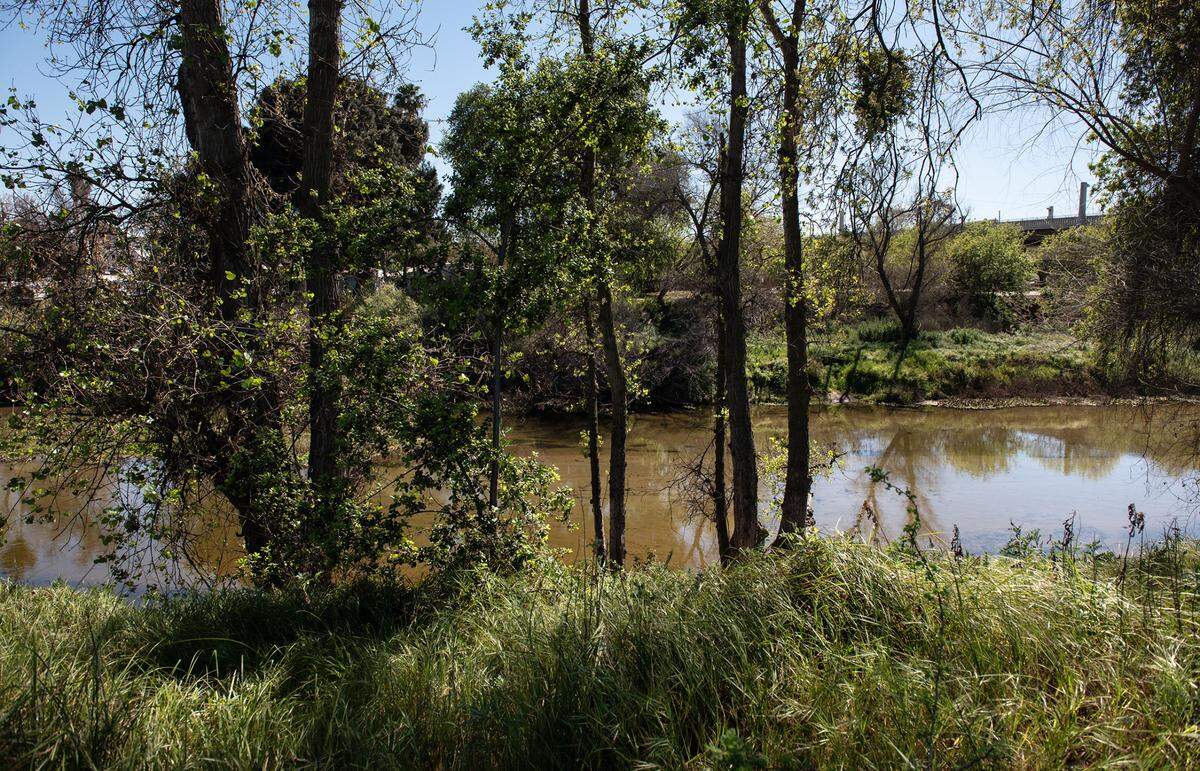
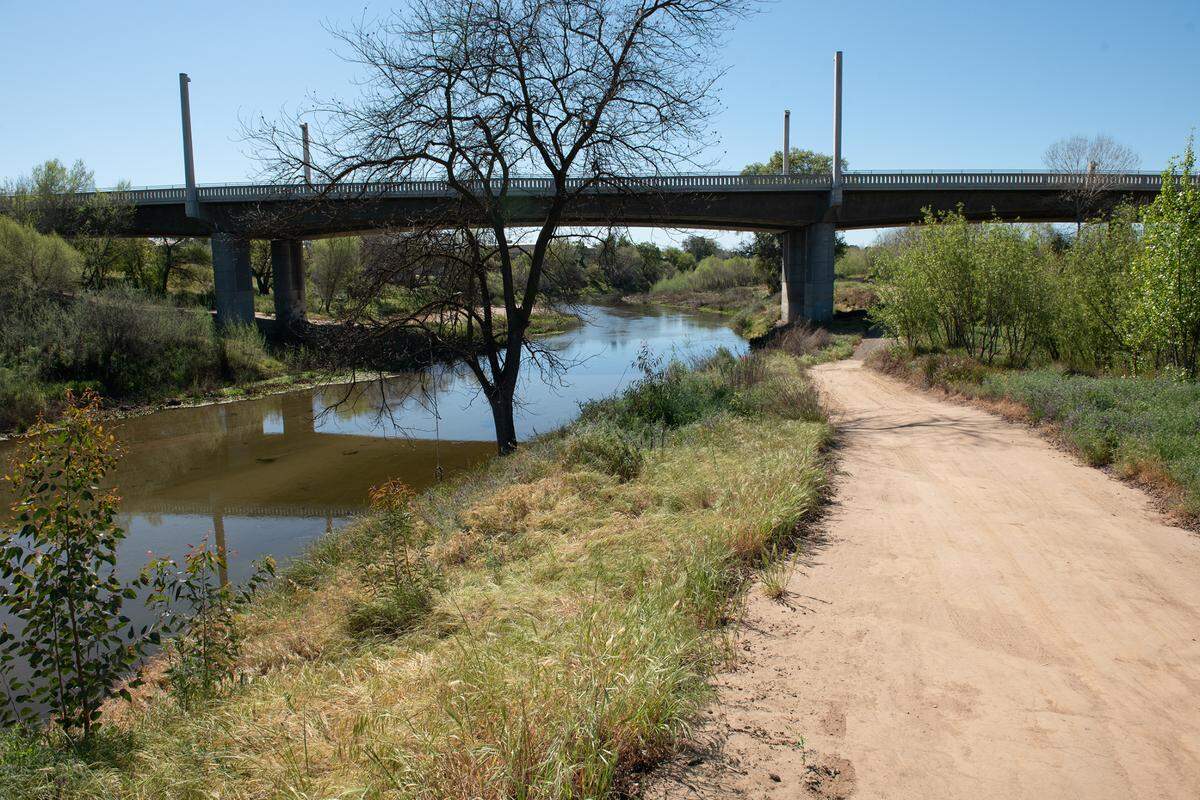
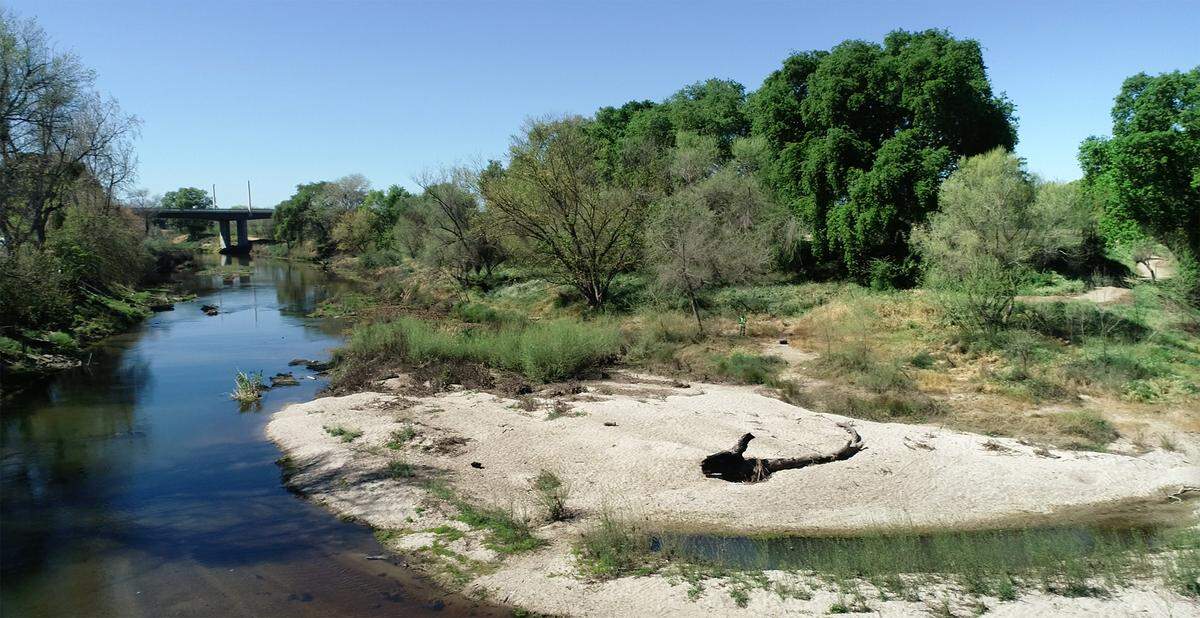
The Modesto and Turlock irrigation districts, which divert the Tuolumne River, said in a joint email that they were not involved in the negotiations. And they said their own proposed agreement would have provided adequate flows.
“Despite the harrowing challenges of a third year of drought, an additional 186,688 acre-feet would have been released from the Tuolumne River over the last two years if the (agreement) was in place, accounting for a 71% increase over current regulatory conditions,” the districts said.
They added that they remain open to discussions with the state. The districts propose nonflow measures for fish, such as restoring spawning gravel.
The Oakdale Irrigation District has done the same on the Stanislaus River. General Manager Steve Knell said by email that he was not aware of the Valleywide negotiations until very recently.
Part of the Tuolumne goes to a San Francisco-owned system serving much of the Bay Area. That city’s Public Utilities Commission remains in talks with the state, spokesman John Coté said.
Less water for rice and L.A.
The 34-page memorandum of understanding includes the agencies supplying water for Sacramento Valley’s rice farmers, the city of Sacramento and its suburbs, most of urban Southern California and the Westlands Water District, the largest farm-water agency in the San Joaquin Valley.
“We actually have a critical mass of players — water users, federal agencies, state agencies — that are going to move forward,” said Wade Crowfoot, Newsom’s natural resources secretary. “We’re not waiting any longer.”
Last fall, the administration sent a warning to MID, TID and other holdouts: Without their cooperation, the State Water Resources Control Board would go ahead with a plan that would seize considerably more of their water than what’s called for in the voluntary agreement.
“We anticipate that,” said Jared Blumenfeld, secretary of environmental protection. “It’s really important that we have a regime to make them provide (river) flows, because otherwise, if we didn’t, it would put an undue burden, an unfair burden on the folks signing the (voluntary agreements).”
‘Far less than half of what’s needed’
Environmentalists have been objecting to the voluntary program for years, saying Newsom’s compromise doesn’t go nearly far enough to protect the fish. Instead, they’ve been calling on the state board to simply order farms and cities to leave more water in the rivers.
The added water for the environment “is far less than half of what’s needed,” said Doug Obegi, a lawyer with the Natural Resources Defense Council. He scoffed at the idea that the voluntary plan would solve California’s litigious water climate, saying, “How do you bring peace to a process when you exclude from the room” environmentalists and other key players?
The document that state officials unveiled Tuesday isn’t a legally binding settlement, but officials said it spells out the parameters of an enforceable plan.
Under the plan, farmers and cities would leave up to 824,000 acre-feet of additional water in the rivers that flow into the Sacramento-San Joaquin Delta during certain months of the year.
The state and federal governments would pay for the bulk of the plan, though local water agencies would contribute more than $660 million. The funds will go to restore nearly 30,000 acres of habitat. Some of the funds will reimburse Sacramento Valley rice farmers to leave their fields unplanted so more water stays in the Sacramento River.
State officials said the proposal won’t be implemented for at least two years as it winds its way through the regulatory process. But they insist it’s still faster than if the water board had unilaterally acted on its own. That inevitably would have triggered an avalanche of lawsuits requiring close to a decade to resolve.
Almost all wetlands are gone
The dams that ring the Valley cut migratory fish off from their spawning grounds, more than 90% of the state’s wetlands have been plowed or paved over, and at various times of year more than half of the river flow is diverted for human uses.
Chuck Bonham, the director of the Department of Fish and Wildlife, said Tuesday the settlement proposal is the best way to save what little habitat is left.
“We need to have done this stuff a decade ago,” he said. “California has more imperiled species than any other state in the union. I don’t want to fight about this stuff anymore. It’s going burn out the clock.”
Sacramento Bee staff writers Ryan Sabalow and Dale Kasler contributed to this report.
This story was originally published March 31, 2022 at 5:00 AM.