Riverbank explores cost to ratepayers for wastewater upgrade. It might go to crops
Riverbank has taken two more steps toward recycling its wastewater for use on crops.
The City Council voted 5-0 Tuesday night to have a consultant estimate how much the project could cost city sewer customers and nearby farmers. By the same margin, the council hired another consultant to study the project’s environmental effects.
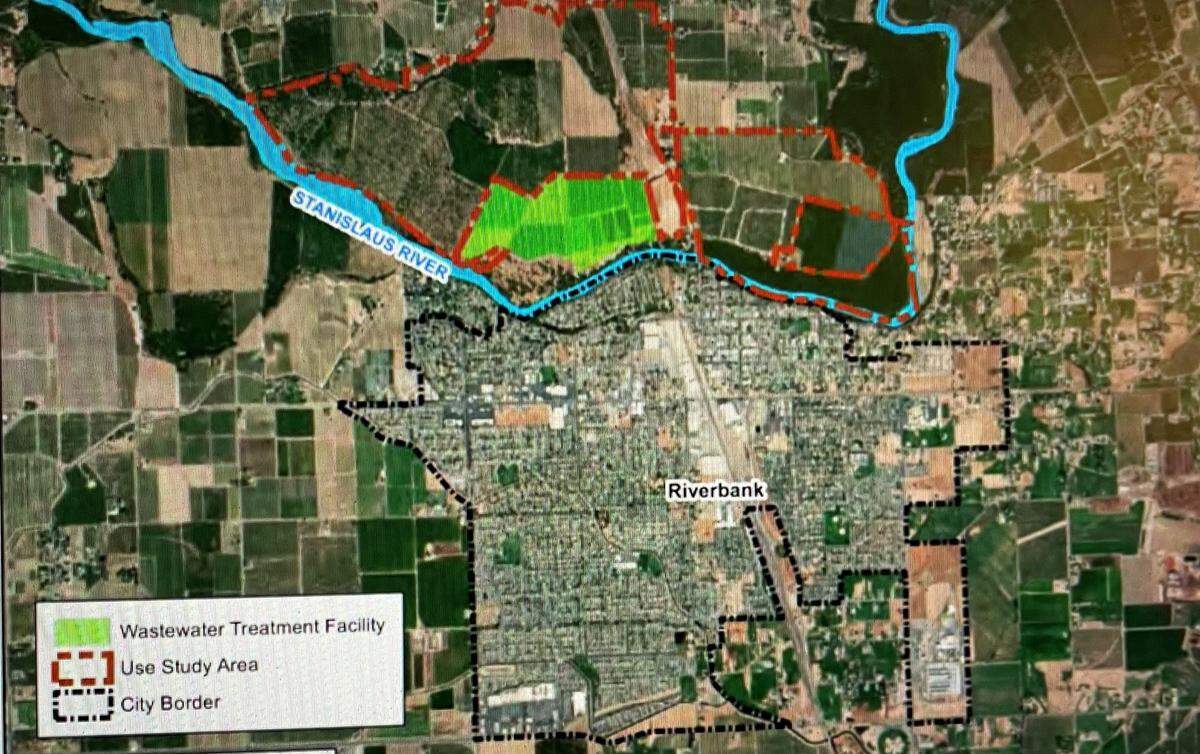
An earlier report estimated a $65 million cost for upgrading the treatment plant and delivering the cleansed water to a few farms.
Stanislaus County is a pioneer in this field, with a system that supplies West Side farmers with wastewater from Modesto, Ceres and Turlock.
Riverbank plans to seek state and federal funding for its project, which would reduce the burden on sewer customers.
City officials said the project could help the city meet increasingly tough standards for sewage treatment from the state. It would add a small amount to the region’s irrigation supply.
The environmental and customer rate studies are required before possible outside financing. Completion of the project is expected in 2025 or later.
“We want to be shovel-ready for grants,” Mayor Richard O’Brien said Tuesday.
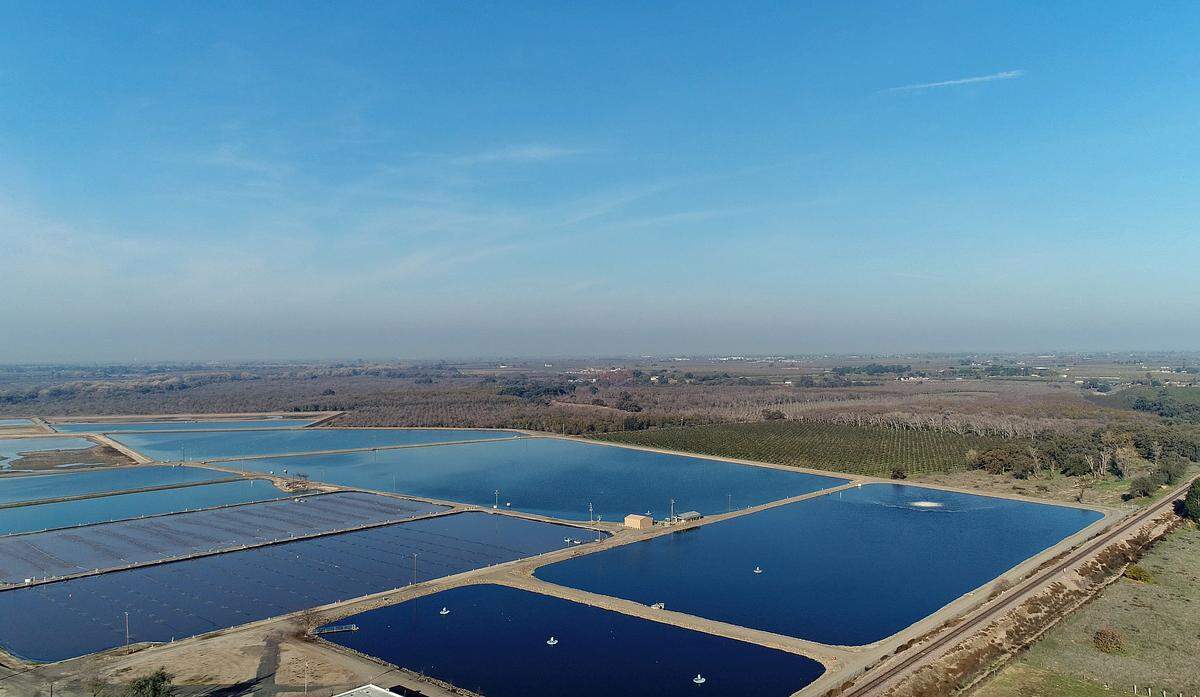
The treatment plant is at the north end of town, along the Stanislaus River. The process starts with screening of solids, which go to a landfill near Manteca. The remaining wastewater goes into ponds, where oxygen is added. It then moves to other ponds, where some of the water evaporates and some seeps into the ground. The State Water Resources Control Board regulates the process.
Riverbank could not send the water to farms until it added filtration and disinfection to the process. The likely early users are in a zone just north of the city but outside the South San Joaquin Irrigation District. A future phase could add a pipeline to a district canal, where the water would be mixed with its main supply from the river.
The rate consultant is Bartle Wells Associates, based in Berkeley. It got a $55,000 contract to examine how the project could be funded by city customers, users of the farm water and other sources.
The other study will be done on a $216,000 contract with Ascent Environmental Inc. of Sacramento. It will look at how the project could affect water, air and other concerns.
The idea of farmers using highly treated water from kitchen and bathroom drains has caught on as California contends with recurring drought.
The West Side system was built by the Del Puerto Water District, which serves about 45,000 acres from Vernalis to Santa Nella. It started operating in 2018 with water from the sewage treatment plant for Modesto and Ceres. Turlock added its wastewater in 2021.
Del Puerto covered the $82 million construction cost. The recycled water helps it contend with reduced deliveries from the federal Central Valley Project.